 Free shipping on orders over £29,85
  Shipping Tracking!


 Google
 Facebook
How to polish epoxy resin?
Step-by-step guide to sanding and buffing resin surfaces perfectly


Polishing epoxy resin is the final step in creating surfaces with breathtaking clarity and reflective shine, whether you’re making jewellery, river tables, or art. This guide teaches you how to polish epoxy resin properly, helping you achieve a flawless, glossy result without scratches or dull patches.
What You’ll Need
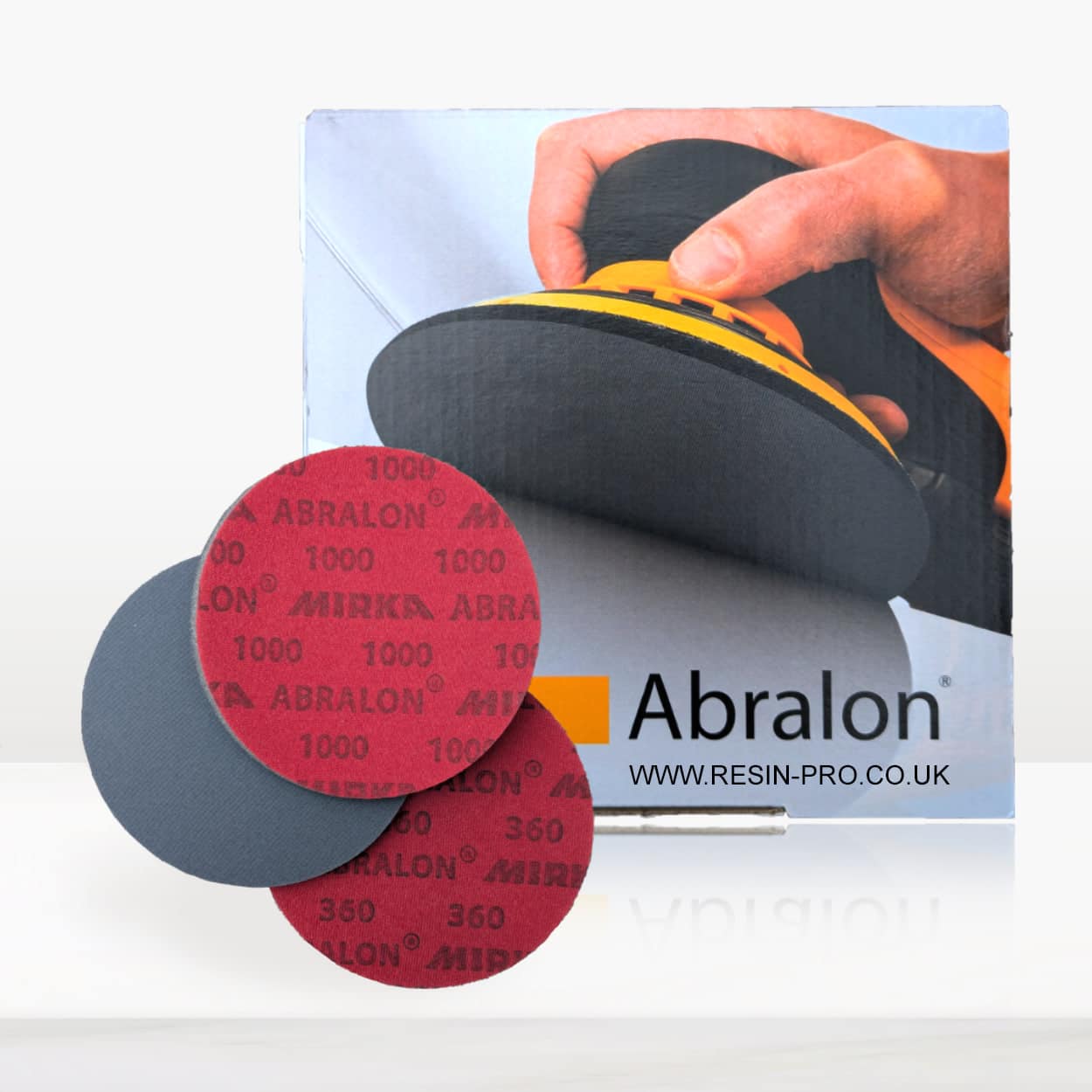
- “Ebonite Abralon” – Sanding Pads 360-4000 Grit for Resin and Wood – For smooth, stepwise sanding.
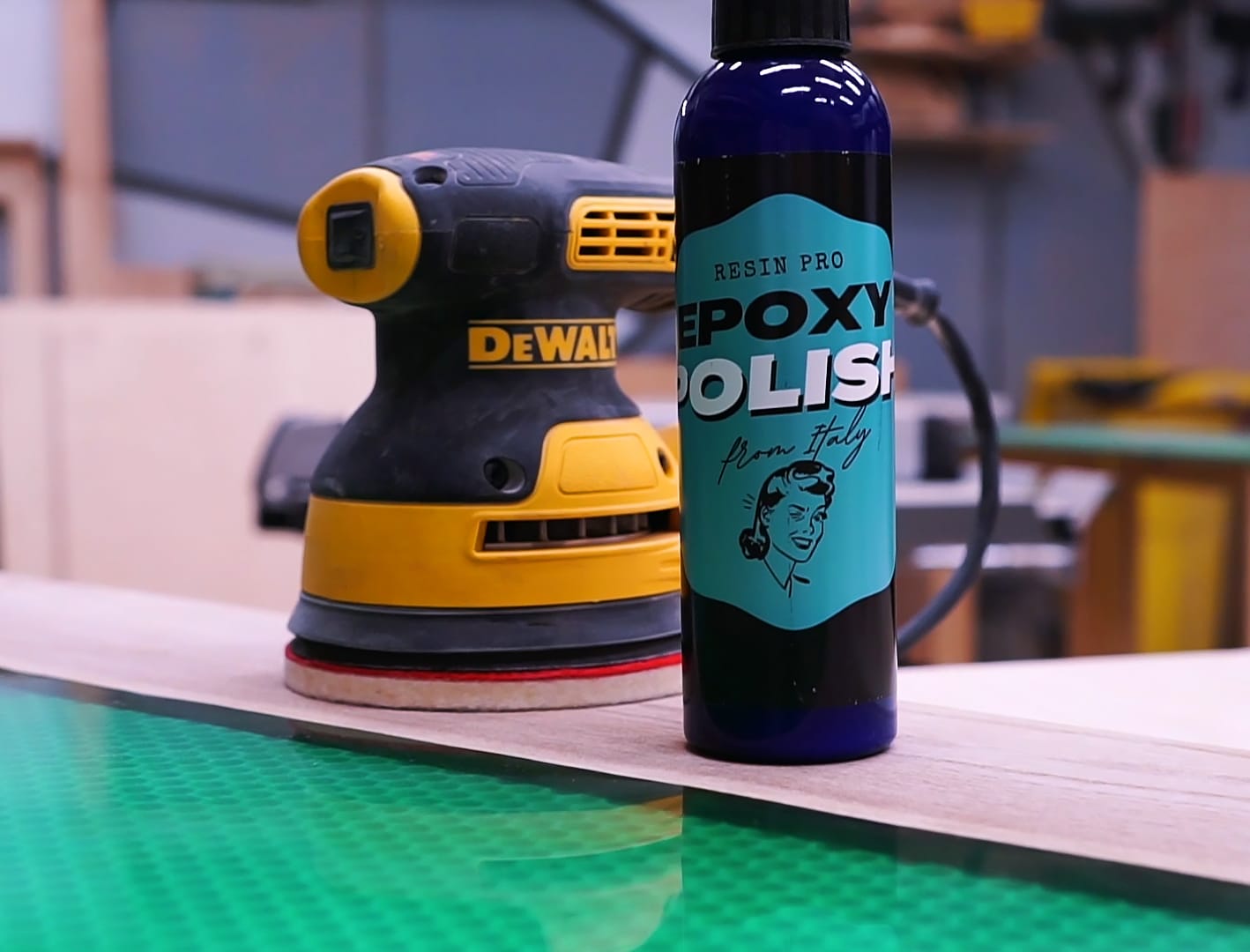
- “Epoxy Polish” – Epoxy Resin Polishing System – For a professional, glossy finish.
- “Carbon Polish” – Polishing System for Dark and Black Surfaces, 250ml – For brilliant results on dark resin projects.
- 1200W Polisher for Sanding and Buffing – Variable Speed, D-Handle (Optional for larger or professional projects) – To speed up sanding and buffing.
- Microfibre cloths or hand pads
- Mild detergent and clean water
- Personal protective equipment (PPE): mask, goggles, gloves

Visual Guide: Sanding and Polishing Epoxy Resin
See the perfect finish in action! Observe each sanding and polishing stage to understand how clarity and shine develop with every step. Notice the use of circular motions, grit progression, and careful buffing to highlight a mirror-like surface.

Step 1: Sand the Surface Evenly
Begin by ensuring your cured resin is fully hardened—generally, this means leaving it for at least 72 hours. Any premature working can cause micro-scratches or clouding. The goal is to level out imperfections, scratches, or rough patches left after casting or demoulding.
Work through multiple sanding grits, starting with a coarser pad (such as 360 or 500 grit). Keep the sanding motion circular and overlap your passes, using light water to minimise dust and heat. Progressively step through finer grits (up to 4000) to achieve a smooth, matt surface with no visible lines. Always let the pad do the work—don’t apply excessive pressure, which can gouge the resin.
Using the “Ebonite Abralon” – Sanding Pads 360-4000 Grit for Resin and Wood makes this process easier and ensures a consistent result, suitable for both hand sanding and rotary tools.
Step 2: Clean and Prepare for Polishing
After sanding, washing away every trace of resin dust is crucial to prevent scratches during polishing. Gently wipe the surface with a damp microfibre cloth using mild detergent, then rinse with clean water. Dry thoroughly in a dust-free area before polishing.
Keep the surface clean and dust-free at every stage—residue or grit left behind can spoil your final finish.
Step 3: Apply Polish for a Mirror Finish
Now you are ready to restore clarity and bring out the full brilliance of your resin work. Select a resin-specific polish and use it sparingly—a little goes a long way.
Apply the polish in small sections, either by hand (using a clean pad) or with a variable speed polisher on the lowest setting. Spread the polish evenly, then buff with gentle pressure in overlapping circles until the surface shines and no haze remains. If working on dark or black resin, choose a dedicated product to avoid white residues—for these, “Carbon Polish” – Polishing System for Dark and Black Surfaces, 250ml is excellent for avoiding marks on sensitive shades.
“Epoxy Polish” – Epoxy Resin Polishing System is ideal for clear or tinted resins, giving a professional gloss and removing fine swirls. For highest efficiency on large projects, the 1200W Polisher for Sanding and Buffing – Variable Speed, D-Handle ensures even pressure and rapid results.
Step 4: Buff to Perfection and Inspect the Result
The final buff brings out the full depth and shine of your surface. Use a clean, dry microfibre cloth (or a finishing pad with your polisher at a low setting) to gently go over the surface, working in circles.
Buff gently with the right technique, checking the resin from multiple angles under bright light. Look for streaks, missed spots, or fine scratches—if needed, repeat the polishing process on any areas that fall short of perfection.
Allow the completed resin piece to sit in a dust-free area before handling or sealing. Your polished epoxy resin should now have a stunning, glass-like finish.
Tips, Common Mistakes, and Troubleshooting
Patience is key When polishing resin, always progress slowly through sandpaper grits—skipping grades can leave unsightly lines. Never rush the polishing, and avoid excessive pressure as overheating can cloud or warp the resin.
If swirl marks appear, ensure you’re using a clean, suitable pad and a polishing compound designed for epoxy. For stubborn haze—especially on black or dark resin—try a second application of specialised dark resin polish. Always wear PPE and ventilate your workspace.
Remember: proper cleaning between stages and using purpose-designed products dramatically improves your finish and saves time correcting errors later.
Before and After: Resin Polishing Results
Compare untouched resin to a professionally polished surface. Dark and clear resins alike benefit from precise sanding and polishing—streaks vanish, clarity improves, and colours become vibrant and deep when finished correctly.

- "Epoxy Polish" – Epoxy Resin Polishing SystemPrice range: £17.85 through £44.85"Epoxy Polish" offers a glazing finish system designed for polishing epoxy resin surfaces to a mirror-like shine.
- "Ebonite Abralon" – Sanding Pads 360-4000 Grit for Resin and Wood£3.95"Ebonite Abralon" sanding pads provide a long-lasting solution for polishing epoxy resin and wood, suitable for wet or dry use.
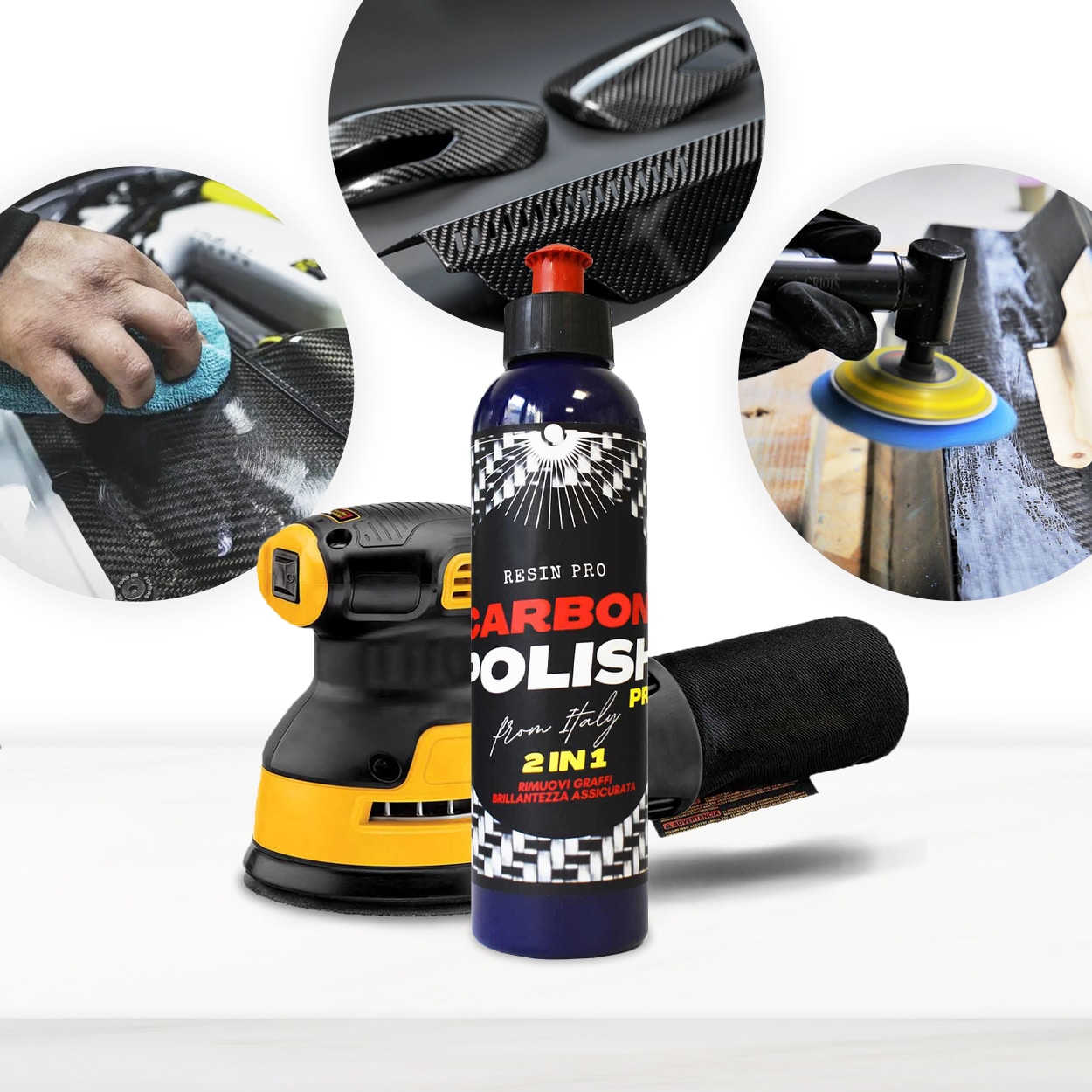 "Carbon Polish" – Polishing System for Dark and Black Surfaces, 250mlPrice range: £17.85 through £44.85"Carbon Polish" is suitable for polishing carbon and dark epoxy resin surfaces, providing a brilliant finish without white residue.
 1200W Polisher for Sanding and Buffing – Variable Speed, D-Handle£85.95The 1200W Polisher offers variable speed and a sturdy handle for sanding and polishing epoxy resin projects with greater control.
Frequently Asked Questions
Can I polish epoxy resin by hand effectively?
Yes, polishing by hand is effective for small pieces. Use appropriate sanding pads, a suitable polish, and maintain consistent technique for good results.
Which polish is best for dark epoxy resin?
A polish formulated for dark or black resin, such as Carbon Polish, prevents white residue and enhances shine specifically for deep colours.
What causes cloudiness after polishing resin?
Cloudiness usually results from incomplete sanding, skipping grit stages, or not cleaning between steps. Thorough cleaning and patience are essential.
Do I need to seal epoxy resin after polishing?
Polished epoxy doesn’t usually require extra sealing. However, you can use a clear topcoat for added protection in high-wear environments.
How long should I wait before polishing cured resin?
Wait at least 72 hours after pouring for full curing, or follow the manufacturer’s instructions for the best results and to avoid surface abrasion.
Is a polishing machine required for resin?
No, a machine is optional but helpful for large or professional projects. Small items can be polished successfully by hand using sanding pads.
Can I use any polish on epoxy resin surfaces?
It's best to use a polish specifically formulated for resin. Generic products may leave residue or not achieve the proper gloss.