 Free shipping on orders over £29,85
  Shipping Tracking!


 Google
 Facebook
How to polish resin flooring?
Professional techniques and tools for gleaming resin floors


Polishing resin flooring transforms a functional surface into a stunning centrepiece, reflecting light and enhancing space. Whether you are refreshing an existing epoxy floor or finishing a new installation, this guide breaks down every step required for a flawless, glossy result. Meticulous preparation, careful sanding, and quality polishing are essential for both visual impact and durability. Let’s explore the right professional techniques for perfect resin floors in your home or workspace.
What You’ll Need
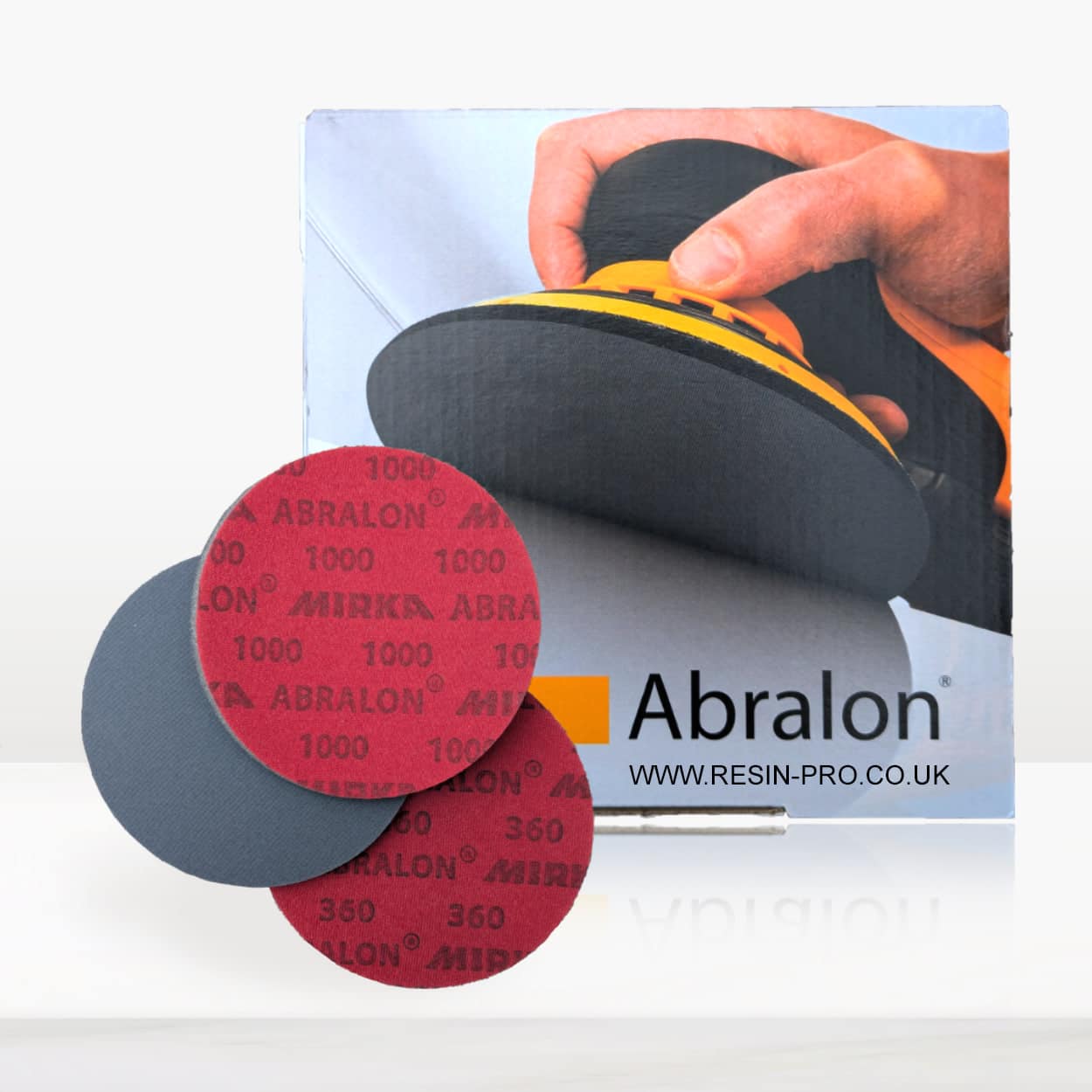
- “Ebonite Abralon” – Sanding Pads 360-4000 Grit for Resin and Wood – Achieve perfectly smooth, even surfaces during preparation.
- Polishing Sponge Discs 150mm – 2 Pack – Essential for a high-gloss, swirl-free final finish.
- 1200W Polisher for Sanding and Buffing – Variable Speed, D-Handle – Delivers even pressure and professional results, especially on large surfaces.
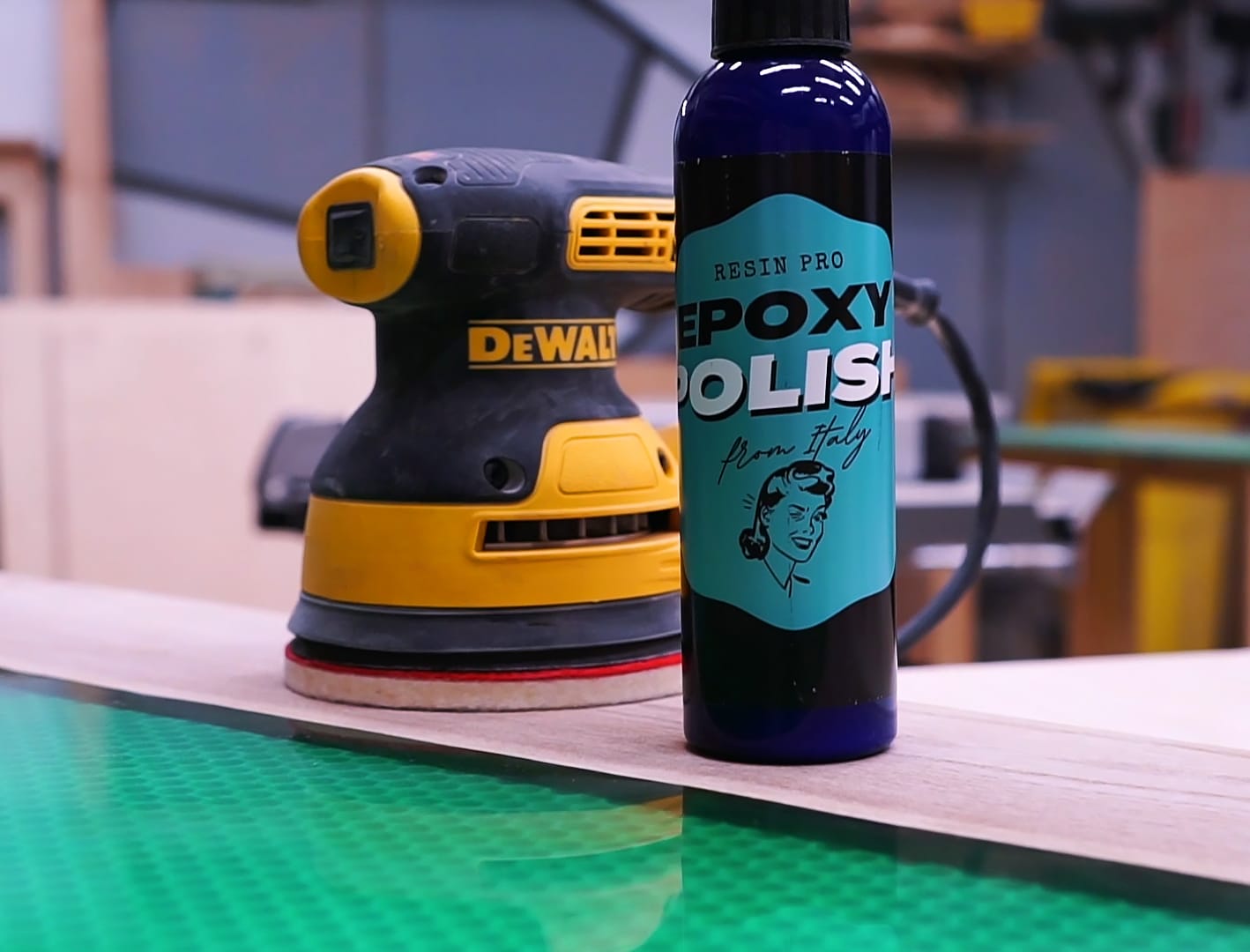
- “Epoxy Polish” – Epoxy Resin Polishing System – Designed specifically for restoring gloss and removing fine scratches from epoxy resin flooring.

Essential Tools for Perfect Resin Floor Polishing
For a truly glossy finish, combine high-quality sanding pads, sponge discs, and specialist polishing formulas designed for resin. Electric polishers expedite the process and provide even pressure on larger surfaces.

Step 1: Prepare and Clean the Surface Thoroughly
Begin by removing all dust, debris, and any grease from your resin floor. Sweep thoroughly, then mop with a gentle detergent and allow the surface to dry completely. Good preparation is the foundation for a flawless polish.
Inspect the floor for dents, chips, or embedded dirt, as flaws will be accentuated when polished. Repair any significant imperfections and allow the resin to cure fully if it is a fresh installation. Achieve a dust-free, smooth surface before polishing to prevent embedded particles.
Step 2: Sand the Resin Floor in Stages
Sanding removes surface irregularities and dull areas, preparing the floor for polishing. Use a progression of grits, beginning around 360 and moving through to 4000 as required. It is crucial to brush up or vacuum between each sanding stage to prevent grit contamination.
Attach “Ebonite Abralon” – Sanding Pads to your polisher or a suitable pad holder—these pads provide consistent pressure and can be used wet or dry. Start at the edges and work methodically across the floor in overlapping passes for even results.
Do not rush between sanding grits—let each stage do its job to avoid visible scratches or dullness in the finished result.
Step 3: Polish the Resin Surface for Gloss
Once satisfied with the sanded base, move to polishing. Dab a small amount of dedicated resin polish such as “Epoxy Polish” – Epoxy Resin Polishing System onto your polishing pad or sponge disc. Using a tool like the 1200W Polisher for Sanding and Buffing set to a low or medium speed, work the product into the floor in sections using even, circular movements.
Swap and clean your Polishing Sponge Discs as needed. Progress slowly and avoid overheating the surface. Multiple passes may be needed, especially on high-traffic or previously dull areas. Buff thoroughly until you see a uniform, glossy shine appear.
Step 4: Final Clean and Floor Care
Once polishing is complete and all residue has been buffed off, carefully clean the space to remove dust and polish remains. Allow the floor to settle and avoid foot traffic for a few hours. Implement a regular maintenance routine—gentle cleaning and periodic polishing help retain gloss and extend the lifespan of your resin flooring.
Tips and Troubleshooting
Always wear protective gear when sanding or using polishing machines, including respirators and goggles, as fine dust and splashes can cause irritation.
If streaks, cloudiness, or dull patches remain, the usual culprit is missed sanding stages or not fully buffing out the polish. Revisit problem areas gradually rather than applying excessive pressure or extra product. For best results on large or intricate floors, polish in controlled sections rather than attempting to do the entire area in one pass.
If your resin is unusually soft or has not fully cured, delay polishing to prevent permanent marks. Select products tested for epoxy resin to ensure compatibility and predictable results.
Professional Results Every Time
Taking your time, following each step, and using products matched to resin surfaces creates the smoothest, most vibrant finish. Floor polishing is as much about patience as it is about technique.

- "Epoxy Polish" – Epoxy Resin Polishing SystemPrice range: £17.85 through £44.85"Epoxy Polish" provides an advanced epoxy resin polishing system for a glossy finish, suitable for resin projects under the theme of polishing resin…
- "Ebonite Abralon" – Sanding Pads 360-4000 Grit for Resin and Wood£3.95"Ebonite Abralon" sanding pads provide a selection of grits for polishing resin and wood surfaces. Suitable for precise wet or dry sanding.
 1200W Polisher for Sanding and Buffing – Variable Speed, D-Handle£85.95The 1200W Polisher is suitable for sanding and polishing surfaces including epoxy resin, designed for both professionals and DIY use.
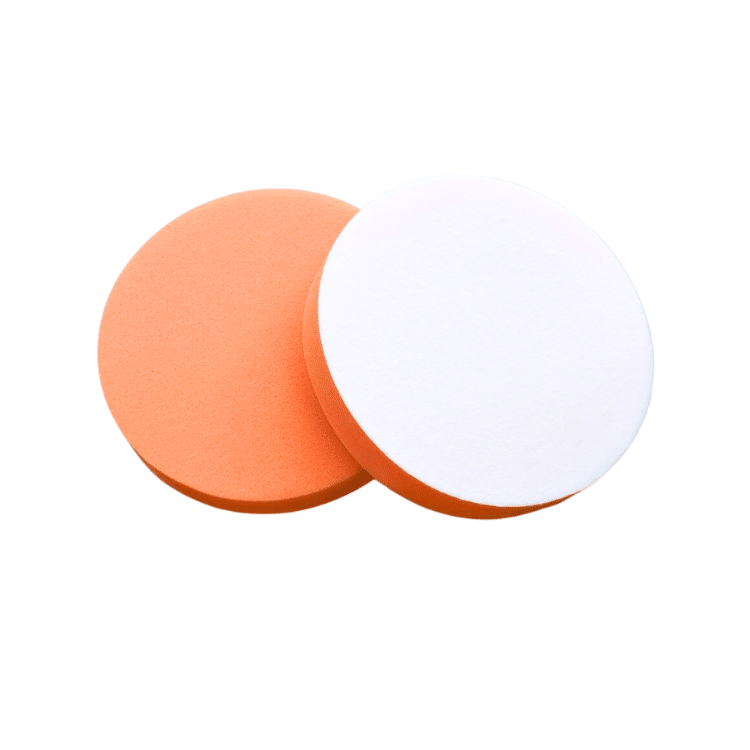 Polishing Sponge Discs 150mm – 2 Pack£7.85Polishing Sponge Discs 150mm – 2 Pack are suitable for polishing epoxy resin surfaces to enhance gloss and clarity with a professional finish.
Frequently Asked Questions
Can you polish resin flooring by hand?
You can polish resin flooring by hand using sanding pads and sponge discs, but machine polishing provides more even and quicker results on large surfaces.
What to do if the floor remains cloudy after polishing?
Cloudiness is often due to skipped sanding stages or incomplete buffing. Repeat sanding and polish steps where needed, progressing carefully.
Do you need special polish for epoxy flooring?
Yes, it is best to use a polish specifically formulated for epoxy or resin surfaces to achieve the best gloss and avoid damage.
How long before walking on polished resin flooring?
Allow several hours after polishing before walking on resin floors to prevent marks and help the finish set properly.
Should resin flooring be dry before starting to polish?
Absolutely. Ensure all surfaces are clean and fully dry before sanding or polishing to avoid streaks and embedded particles.
Is polishing resin floors safe for DIYers?
Polishing resin flooring is safe with the correct tools, careful preparation, and full protective equipment. Practice on a small area if unsure.