 Free shipping on orders over £29,85
  Shipping Tracking!


 Google
 Facebook
← Back to How to create resin?
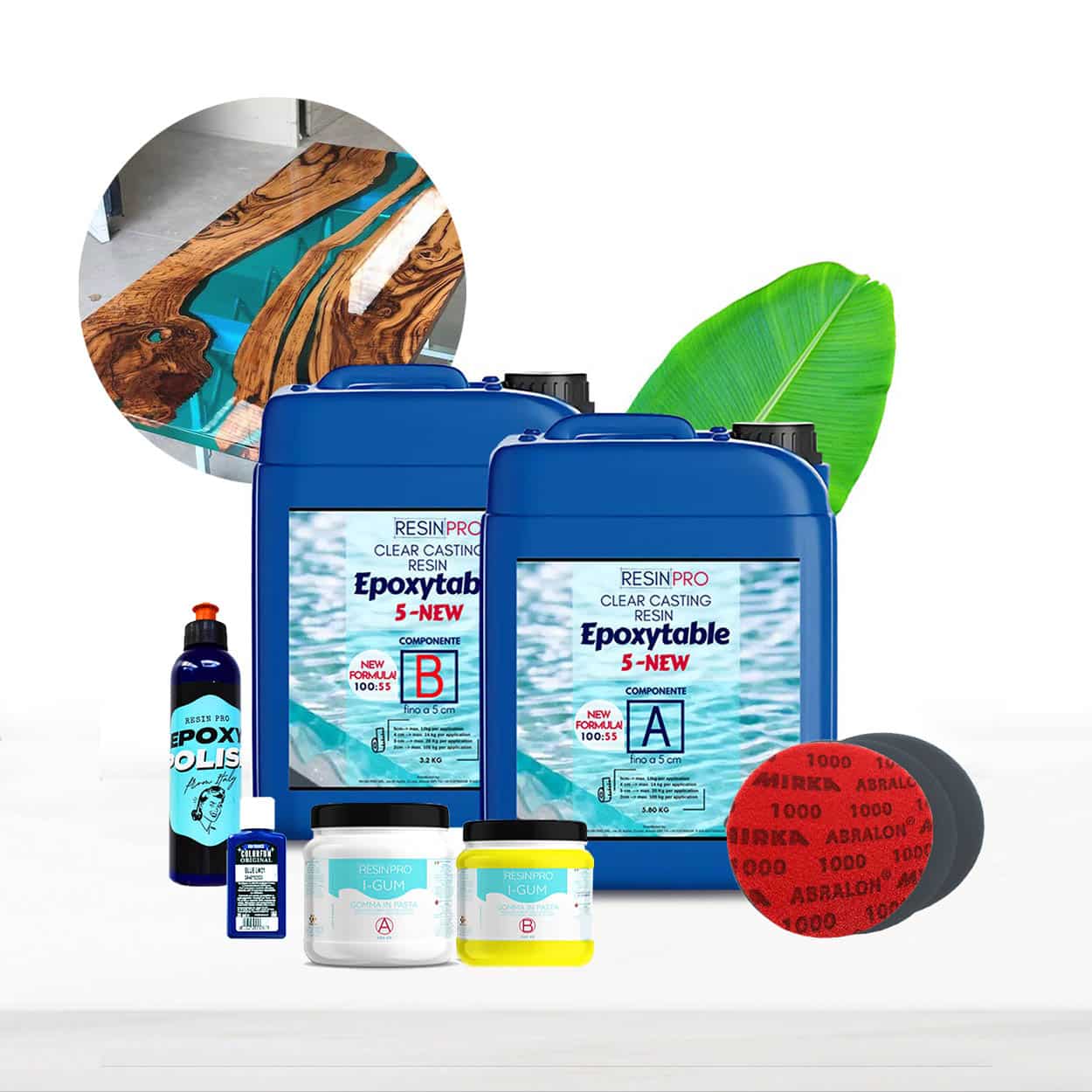
Bubbles can easily form during resin casting, often leading to frustrating imperfections in your finished project. By understanding why this happens and adopting a few simple methods, you can greatly reduce or even prevent the appearance of bubbles in your epoxy castings.
Choosing the Right Epoxy Resin
Selecting a low-viscosity resin is the foundation for bubble-free results. Thinner resins allow trapped air to escape more easily, giving you a noticeably clearer finish. If you’re casting river tables or deep pieces, products like EpoxyTable 5-Five are designed with this in mind, offering low viscosity and extended working times to help air rise and disperse naturally.
Pouring Techniques and the Role of Heat
Pour your mixed resin carefully and in a thin, steady stream. This helps break up bubbles before they become trapped. Once poured, gently warming the surface with a heat gun or artist’s torch can encourage bubbles to rise and pop. Even a hairdryer on a low setting (from a safe distance) may help with surface bubbles—just take care to avoid overheating, which can affect curing.
When This Matters Most
Preventing bubbles is especially important for clear castings, deep pours, and projects where high transparency is essential. If you’re creating showpieces like river tables or decorative resin objects, taking time with your technique results in a much more professional look.
Related products
Related guides
- How To Create Resin
- How Is A Resin Sculpture Replica Made
- How To Make Special Objects In Resin
- How Do You Create Bubbles In Resin
- How Are Resin Creations Made
- How Do You Get The Resin
- Which Resin Can Be Used For Making Creations
- Which Resin Is Best For Creating Model Water
- What Are The Characteristics Of Synthetic Resins
- When Is Resin Harvested
Mastering bubble control ensures your creations have the flawless clarity and finish worthy of proud display. For more step-by-step guidance on working with resin from start to finish, visit our How to create resin? hub for a complete overview.