 Free shipping on orders over £29,85
  Shipping Tracking!


 Google
 Facebook
← Back to When to place preserved roses in epoxy resin?

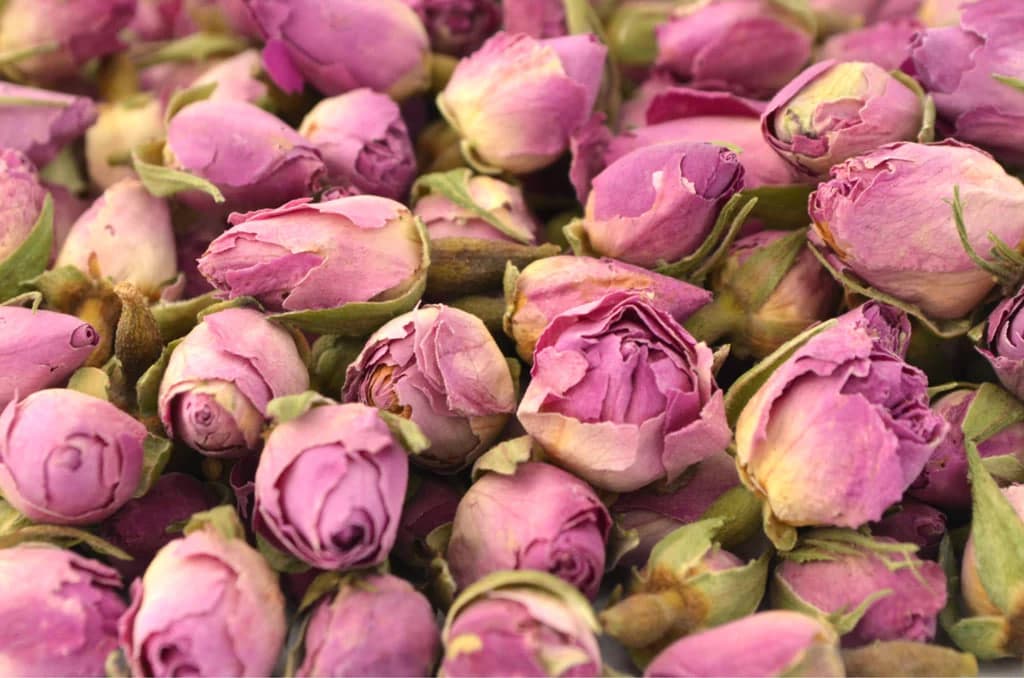
Nothing brings out the beauty of preserved roses quite like suspending them in clear epoxy resin. However, bubbles can be a common frustration during flower casting projects. With careful technique, you can achieve bubble-free results and let your blooms truly shine.
Pouring Techniques to Reduce Bubbles
The key to avoiding bubbles lies in how you introduce resin into your mould. Always pour the epoxy slowly and in thin layers, rather than filling the mould in one go. This approach allows trapped air beneath and around the roses to naturally rise and escape between layers, significantly improving clarity.
- Opt for low-viscosity resin, as it flows more easily around delicate petals and is less likely to trap air pockets.
- If your design allows, gently tap or tilt the mould to coax hidden bubbles to the surface after each layer.
Using Heat Wisely
Even when pouring carefully, some air might remain. Gently passing a heat gun or small torch a few centimetres above the resin surface will encourage bubbles to rise and pop without disturbing your flowers. It’s important not to overheat—brief passes are best. Also, avoid touching dried flowers directly with the heat source, as this may cause discolouration.
For jewellery or small decorative pieces, resins such as “Trasparente” clear casting resin are particularly suitable due to their excellent clarity and manageable curing times.
When This Matters Most
Bubble control is essential if your project will be displayed in natural light or if the embedded rose is a treasured keepsake. A clear, flawless finish enhances both the value and visual impact of the piece.

Related products
Related guides
By focusing on careful pouring, resin selection, and targeted use of heat, you can enjoy perfectly preserved roses suspended in crystal-clear resin. For more guidance on flower timing and project planning, visit our main page on when to place preserved roses in epoxy resin.