 Free shipping on orders over £29,85
  Shipping Tracking!


 Google
 Facebook
← Back to How to restore the color of a resin sink?
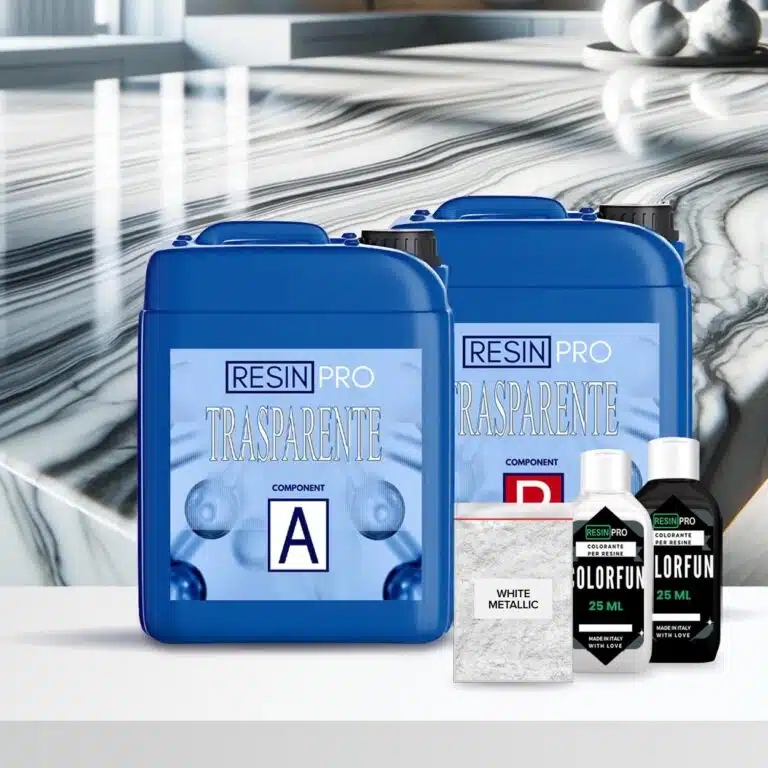
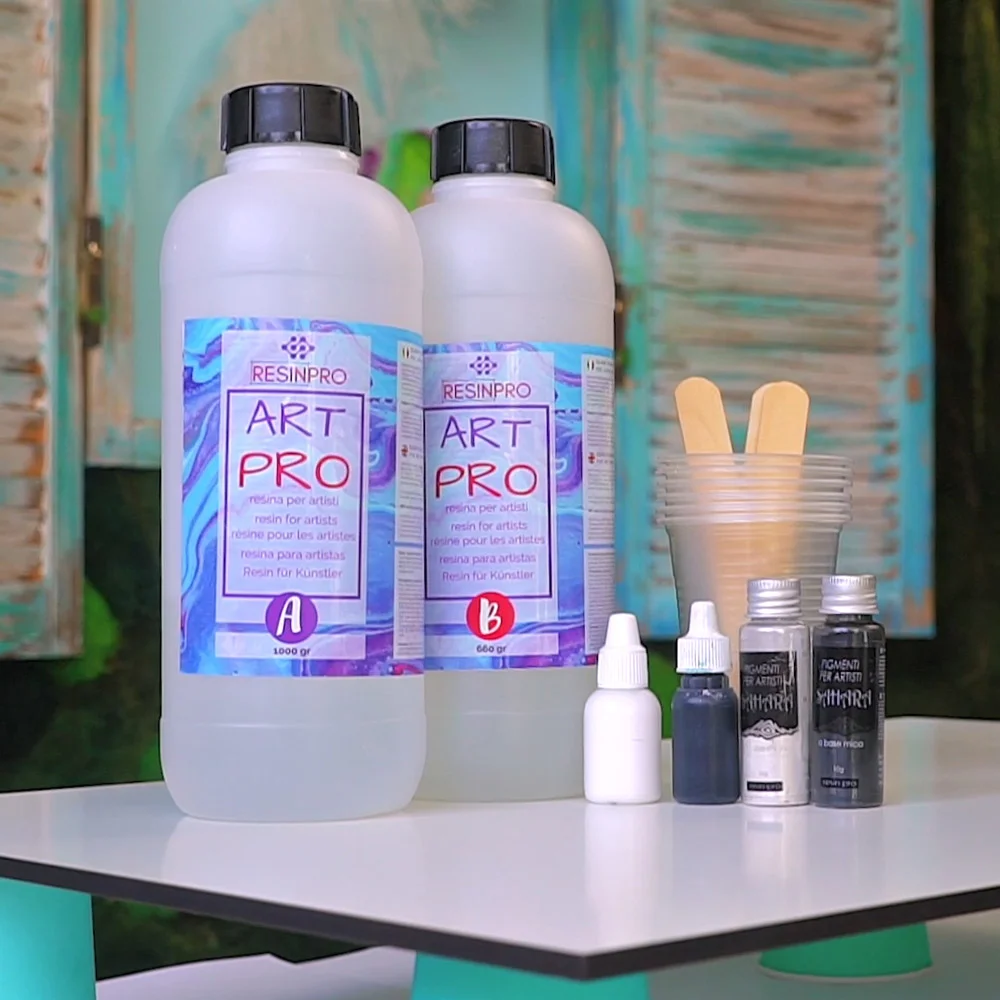
Peeling and cracking in resin layers can be frustrating, but with the right preparation and materials, a seamless, long-lasting finish is achievable. Here’s how to prevent issues when applying new resin coats.
Proper Surface Preparation
The key to strong adhesion is a clean, dry, and slightly roughened surface. Begin by thoroughly washing the area with mild detergent to remove oils and residues. Allow the surface to dry completely, as any moisture can compromise resin bonding.
- Dust and debris: Wipe away all dust with a lint-free cloth.
- Light sanding: Gently sand the previous resin layer with fine-grit paper to create micro-abrasions. This helps new resin grip the existing surface and reduces the likelihood of peeling.
- Remove sanding residue: Clean again to ensure no sanding dust remains.

Best Practices for Application
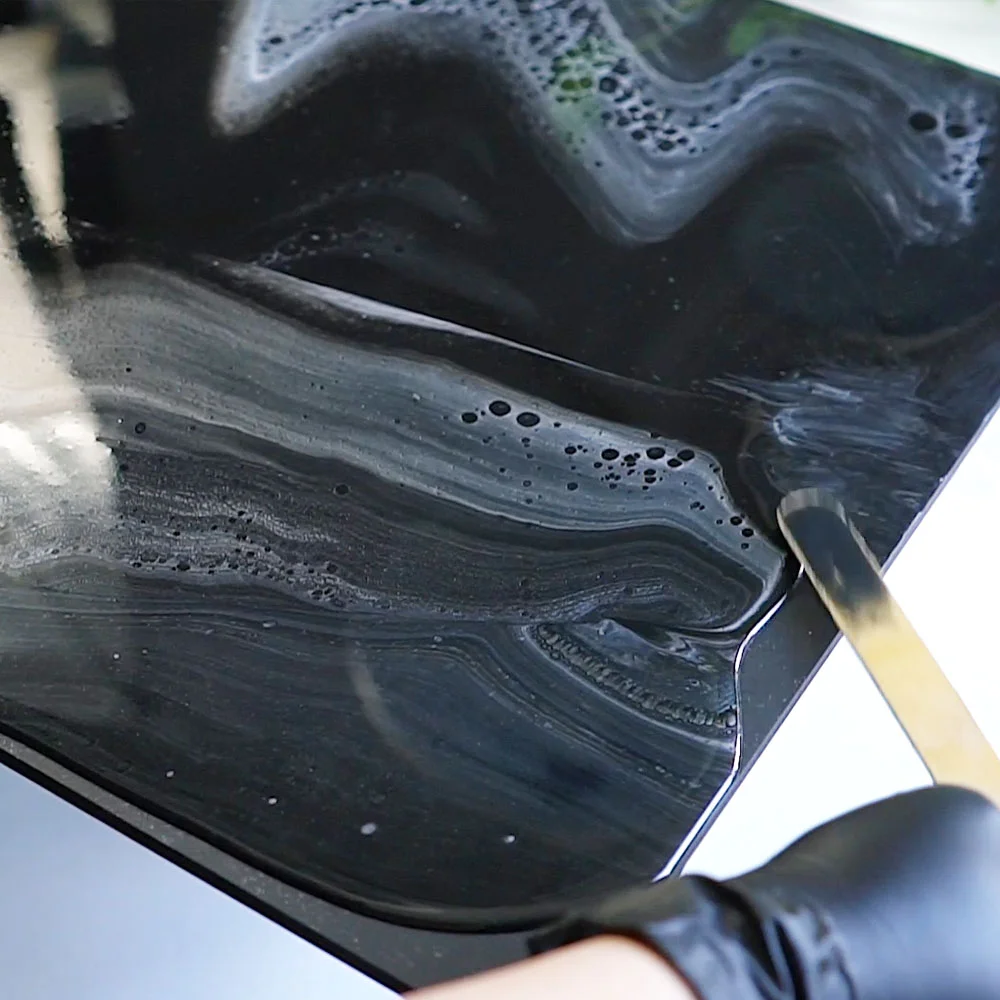
Mix your chosen resin product thoroughly according to the manufacturer’s instructions. For most surface projects, options such as Art Pro Clear Epoxy Resin offer reliable coverage and strong adhesion. Use a new brush or roller for application and apply in an even, moderate layer without overloading edges, which can promote lifting and cracking. Avoid very thick or very thin coats as both can cause issues during curing.
When This Matters Most
Following these steps is essential when restoring high-traffic areas like kitchen worktops or bathroom sinks, where daily use and exposure to water can challenge the durability of resin coatings. Investing time in surface preparation helps prolong results and reduces the need for repairs.
Related products
Related guides
Achieving a flawless, long-lasting resin surface hinges on careful preparation and application. To explore more about colour restoration and achieving durable results, return to our guide on how to restore the colour of a resin sink.