 Free shipping on orders over £29,85
  Shipping Tracking!


 Google
 Facebook
How to reinforce a leaf spring in a resin structure?
A practical step-by-step guide for maximum strength and durability


Embedding and reinforcing a leaf spring within a resin structure is a specialist process that can significantly enhance mechanical strength, durability, and versatility of your composite project. This guide explains step-by-step how to achieve strong, lasting reinforcement, covering preparation, layup, and best resin selection for dependable results.
What You’ll Need
- “Carbon Resin” – Epoxy Resin for Carbon Fiber & Fiberglass Coating: For technical fabric impregnation and durable bond.
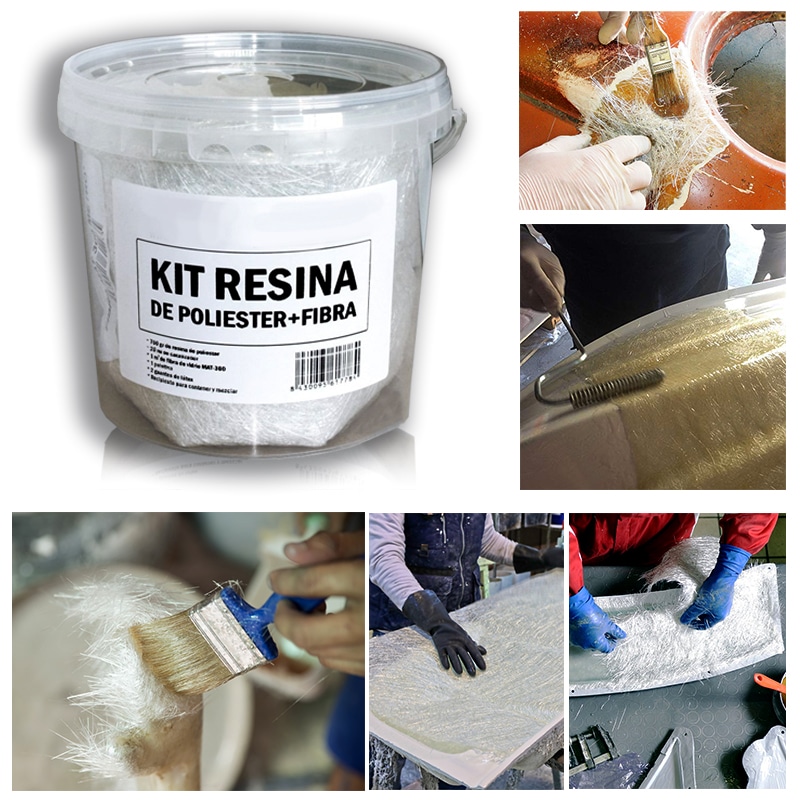
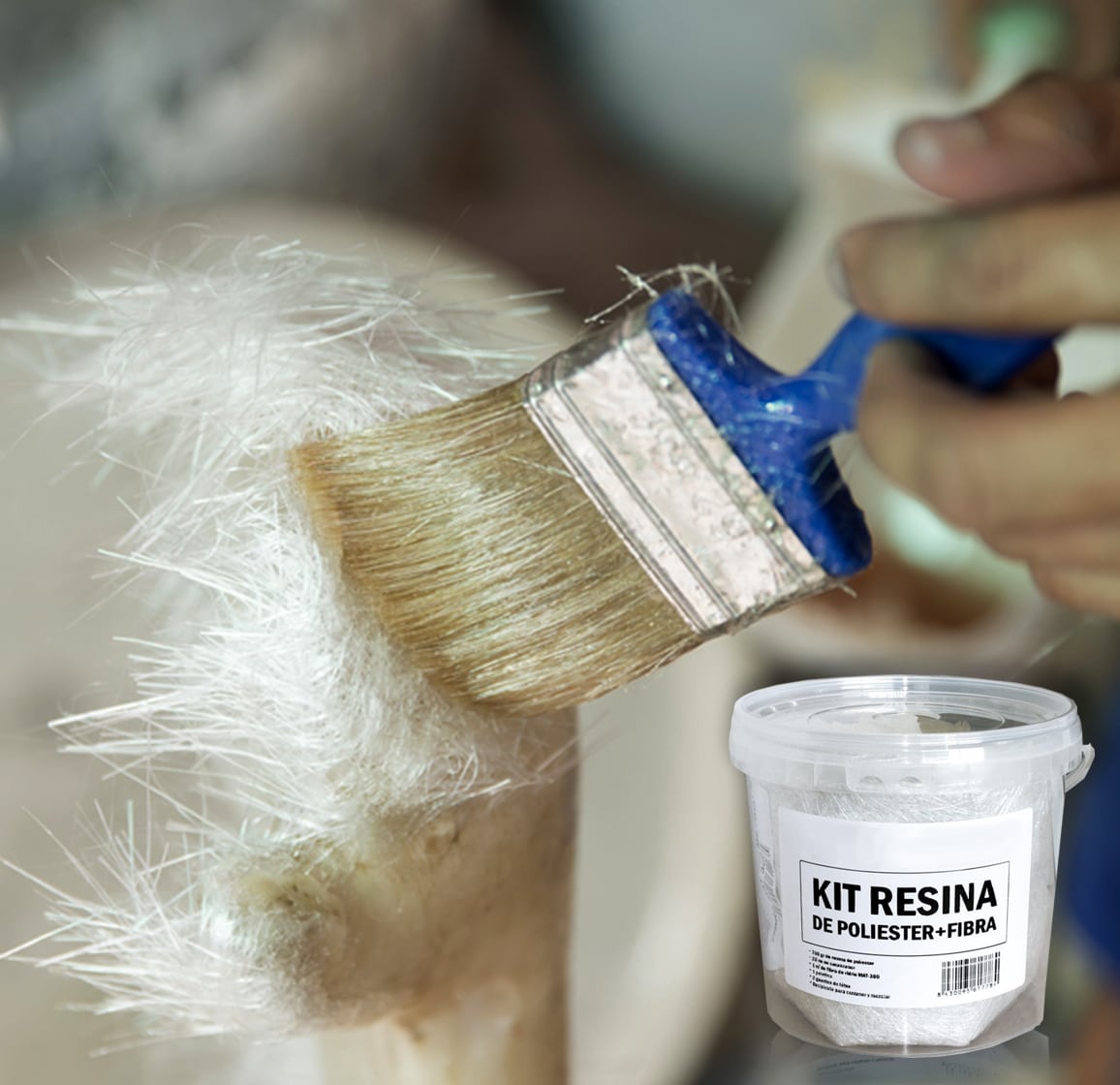
- Resin Fibreglass Repair Kit – Complete Polyester Resin and Hardener Set: Contains all basic materials for initial reinforcement with fibreglass matting.
- CROP 2K Fiberglass Putty – 750 ml + Hardener: For spot filling and shaping of cavities before main resin pour.
- “Epoxytable 10-Ten” – Deep Pour Epoxy Resin for Tables, Up to 10cm Casting: For deep embedding of the spring or final encapsulation.
- Technical fabric (e.g. carbon fibre or fibreglass mat)
- Sanding paper, degreaser, and cleaning cloth
- Protective gloves, goggles, and mixing tools
- A well-ventilated workspace

Preparing Materials and Setting Up
Organise your workspace and safety equipment before starting. Measure and pre-cut all fabrics, and have your resins, hardeners, and mixing tools ready for efficient workflow. Double-check that your workspace is ventilated and protected from dust. Proper preparation reduces mistakes and ensures a cleaner, safer work process.

Step 1: Prepare the Leaf Spring and Work Area
Safety goggles and gloves are essential when working with resins, hardeners, and technical fabrics. Begin by thoroughly cleaning the leaf spring; remove rust, oils, grease, and old paint using abrasive paper or a mechanical wire brush. Wash down with a degreaser and allow to fully dry.
Surface cleanliness is key for good adhesion. Be sure your work surface is free from dust and contaminants. Lay out all required materials before starting.
Step 2: Dry Fit and Surface Conditioning
Test fit the leaf spring in its final resin structure position. Mark out any fixing points or areas that require extra reinforcement. Key surfaces on both the spring and surrounding structure with coarse grit sandpaper or a file, creating small scratches to provide mechanical grip for the resin and fabric.
Test fit before full encapsulation to ensure the spring aligns correctly and the finished piece functions as intended.
Step 3: Apply Structural Reinforcement
Cut technical fabric or fibreglass matting to appropriate size and shape, ready for wrapping or layering around the critical parts of the spring. Use technical fabrics or fibreglass for strength—carbon fibre offers very high rigidity, while fibreglass works well for most reinforcement jobs.
Mix a batch of “Carbon Resin” – Epoxy Resin for Carbon Fiber & Fiberglass Coating as per the instructions. Thoroughly saturate the fabric before positioning it over the spring and bonding areas. Ensure no trapped air or dry spots; bubble formation weakens reinforcement. Multiple layers may be added for higher strength, allowing proper curing between applications if recommended by the product guide.
Step 4: Encapsulate and Deep Pour
For large builds, position the reinforced spring assembly in your resin mould. If voids or gaps are found near the spring, spot fill with CROP 2K Fiberglass Putty – 750 ml + Hardener and let it cure before the main pour. The putty’s fibreglass reinforcement creates a solid base to resist flexing and vibration.
Prepare “Epoxytable 10-Ten” – Deep Pour Epoxy Resin for Tables, Up to 10cm Casting if full resin embedding is required. Pour slowly to minimise bubbles, filling the mould to encapsulate the leaf spring and any reinforcement. Check for leaks or shifts while the resin is liquid. Allow to cure fully in a dust-free area, following product guidelines for depth and timing.
Tips, Pitfalls, and Troubleshooting
Avoid excessive resin exotherm by pouring in controlled layers if your project is especially large or deep—avoid rapid or uneven resin curing to prevent warping or cracking. Multiple thin layers build a stronger composite than one overly thick pour. Carefully de-gas or agitate to remove air pockets, especially around the spring and fabric wraps.
If reinforcement separates or delaminates, re-sand and reapply resin and fabric as required. Always read curing and safety notes for each resin product. Patience during each curing stage ensures the highest mechanical strength in your finished composite.
Best Practices for Long-Term Structural Strength
Plan each reinforcement layer and cure stage ahead to avoid weak spots. Adhere to recommended resin-to-hardener ratios and curing times for the chosen product. Where possible, use clamps or weights to hold reinforcement in place during curing for the best contact. Taking time at each stage leads to a stronger, safer, and longer-lasting composite structure.

- "Carbon Resin" – Epoxy Resin for Carbon Fiber & Fiberglass CoatingPrice range: £19.95 through £37.95Epoxy resin for carbon fibre and fibreglass designed for composite and technical fabric projects with structural integrity.
- Resin Fibreglass Repair Kit – Complete Polyester Resin and Hardener SetThe Resin Fibreglass Repair Kit provides structural reinforcement using polyester resin and fibreglass, suited for various rigid surfaces.
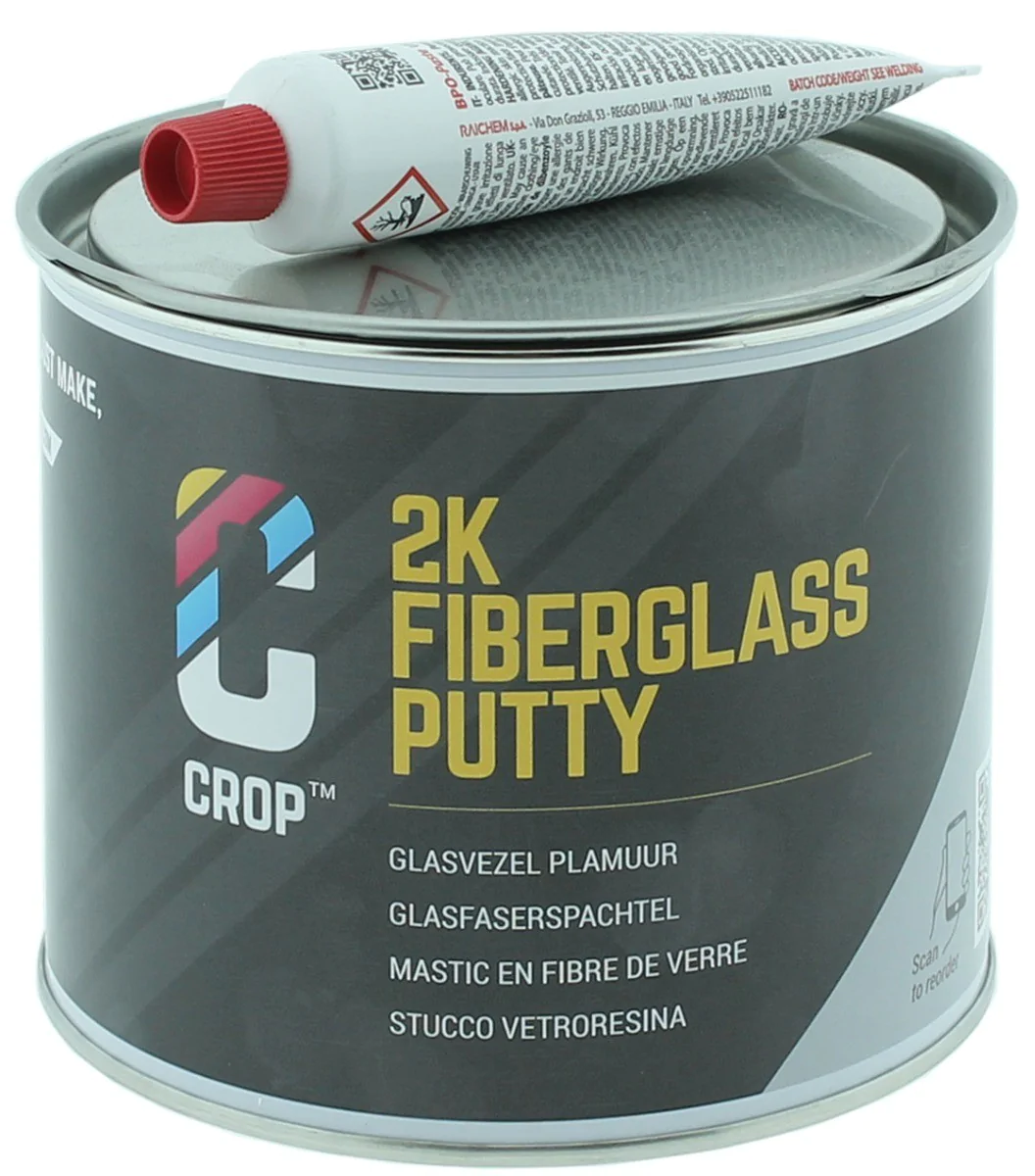 CROP 2K Fiberglass Putty – 750 ml + Hardener£15.85CROP 2K Fiberglass Putty is designed for repairs requiring strength and durability in resin structures, suitable for bodywork and filling deep damage.
 “Epoxytable 10-Ten” – Deep Pour Epoxy Resin for Tables, Up to 10cm CastingPrice range: £35.95 through £351.95“Epoxytable 10-Ten” is an epoxy resin designed for deep casting up to 10cm, suitable for creating thick tables and artistic projects.
Frequently Asked Questions
Can I use epoxy or polyester resin for leaf spring reinforcement?
Epoxy resins are preferred for technical fabric bonding, while polyester kits provide good reinforcement for many structural projects.
How many layers of fabric are ideal for reinforcing a leaf spring in resin?
Typically, two to six layers are used, depending on stress levels and the type of fabric chosen.
How long should I wait for full cure and maximum strength?
Allow at least 24–48 hours for full cure, or follow product directions. Longer curing improves final performance.
How can I prevent bubbles or delamination when reinforcing a leaf spring in resin?
Carefully saturate fabrics and pour resin slowly; degas if possible, and avoid disturbing the layup early in curing.
How should I finish the surface after embedding and reinforcing the spring?
Sand with fine grit paper, apply additional resin if desired, then prime and paint for final appearance.
What do I do if my resin cures too quickly or heats up during embedding?
Pour in thinner layers and work in a cool environment to control heat build-up and prevent defects.