 Free shipping on orders over £29,85
  Shipping Tracking!


 Google
 Facebook
← Back to How can I speed up resin curing?
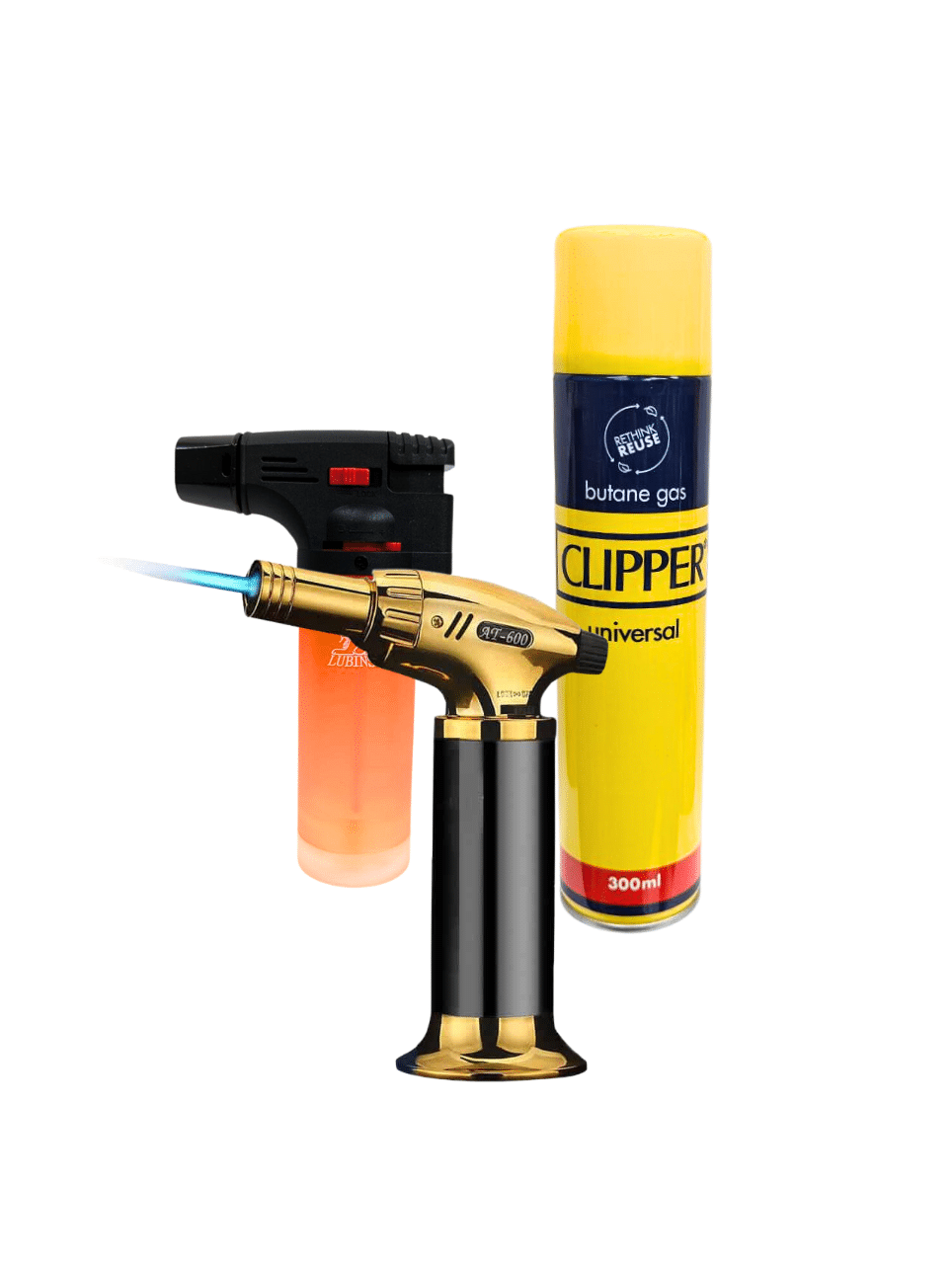
Bubbles in epoxy resin can spoil even the most carefully crafted project. With the right approach and reliable tools, you can achieve a clear, professional finish with minimal effort.
Why Do Bubbles Form in Epoxy Resin?
Bubbles usually form when mixing your resin and hardener together, or as air gets trapped while pouring the mixture into a mould. Vigorous stirring, dust, and pouring from a height can also introduce extra air. Paying attention to these steps is central to producing a glassy, bubble-free surface.
Effective Methods for Bubble Removal
The quickest and most effective way to deal with surface bubbles is by applying gentle heat. A gas heat gun designed for resin work is particularly useful—simply wave it over the surface in short passes, watching as air bubbles rise and pop. Avoid overheating, as too much heat may cause imperfections or affect curing. If you’re working on small items, try using a toothpick to coax larger bubbles to the surface before applying heat.
Tips for Bubble-Free Results
- Mix resin slowly and methodically to avoid trapping excess air.
- Pour in thin layers where practical—this gives bubbles an easier escape.
- After pouring, allow a few minutes for trapped bubbles to rise before applying heat.
- Work in a dust-free environment to prevent debris from causing imperfections.
When Bubble Removal Really Matters
If you’re making resin jewellery or artwork where clarity is key, bubble removal is particularly important. Visible bubbles are much more noticeable in clear projects, so using a dedicated heat tool can make all the difference to your final result.
Related products
Related guides
By tackling bubbles with the right method and tools, like a precision gas heat gun, you can ensure your epoxy resin projects have a flawless, professional appearance. For further tips and guidance, see our advice on speeding up resin curing for even better results.