 Free shipping on orders over £29,85
  Shipping Tracking!


 Google
 Facebook
How to remove stains from a resin floor?
Restore your resin floor to a spotless and glossy finish at home


Resin floors are popular for their sleek, durable finish and easy maintenance, but stubborn stains can spoil their appearance if not tackled correctly. This guide explains the best approach for removing stains from resin floors, step by step, helping you keep your surface pristine and long-lasting.

What You’ll Need
- Strong Technical Degreaser for Resin Projects – 100% Natural Formula: Cuts through grease, oil, and silicone while being gentle on the resin surface.
- Pure Isopropyl Alcohol 99.9% – 1000ml Bottle for Epoxy Resin Projects & DIY: For removing light marks and residue, leaves no streaks behind.
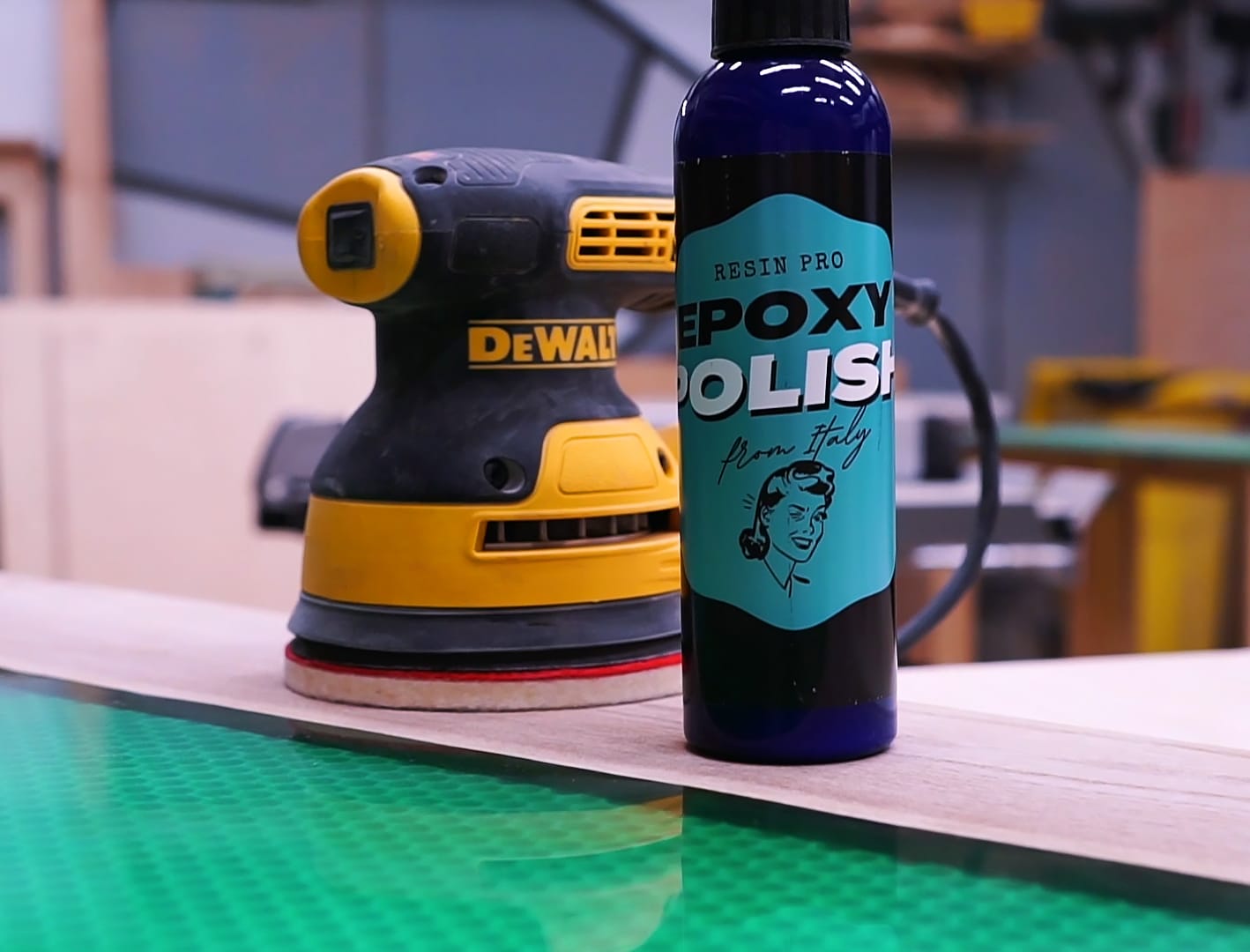
- “Epoxy Polish” – Epoxy Resin Polishing System: Restores shine and removes shallow surface scratches or persistent marks once the stain is lifted.
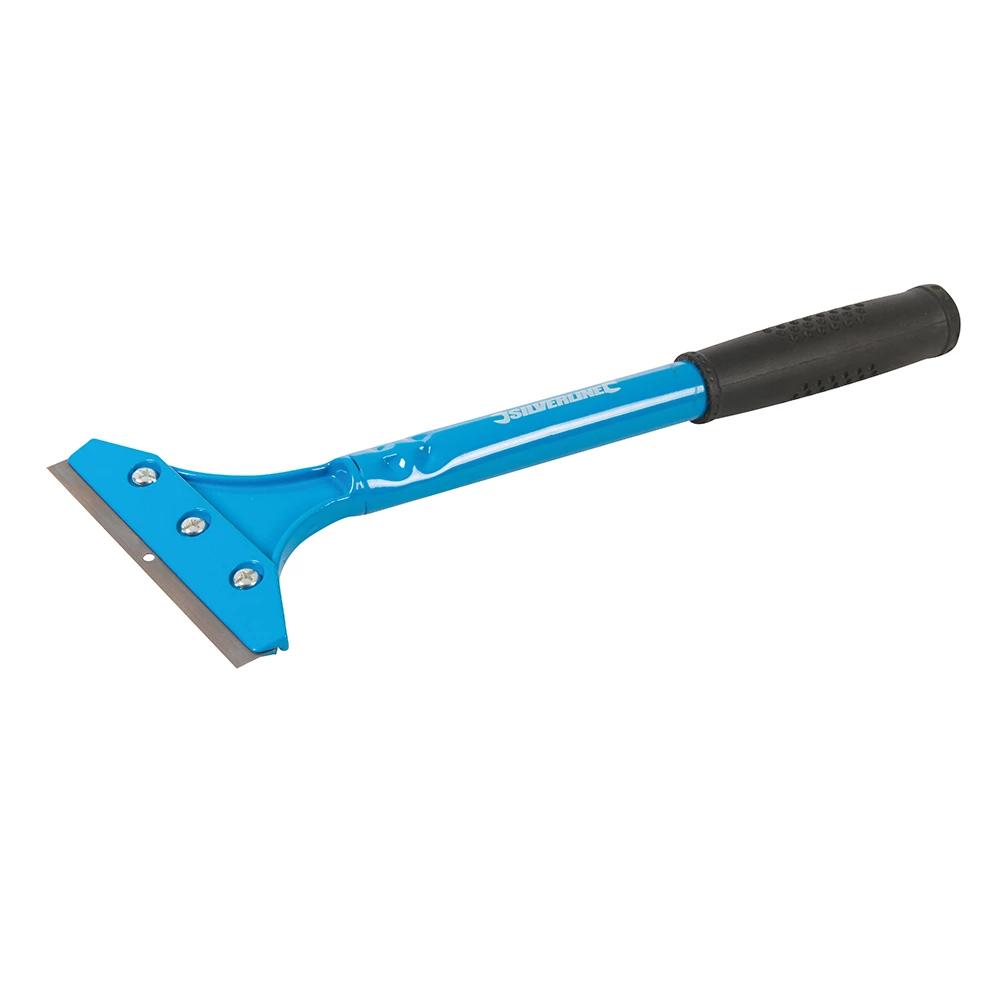
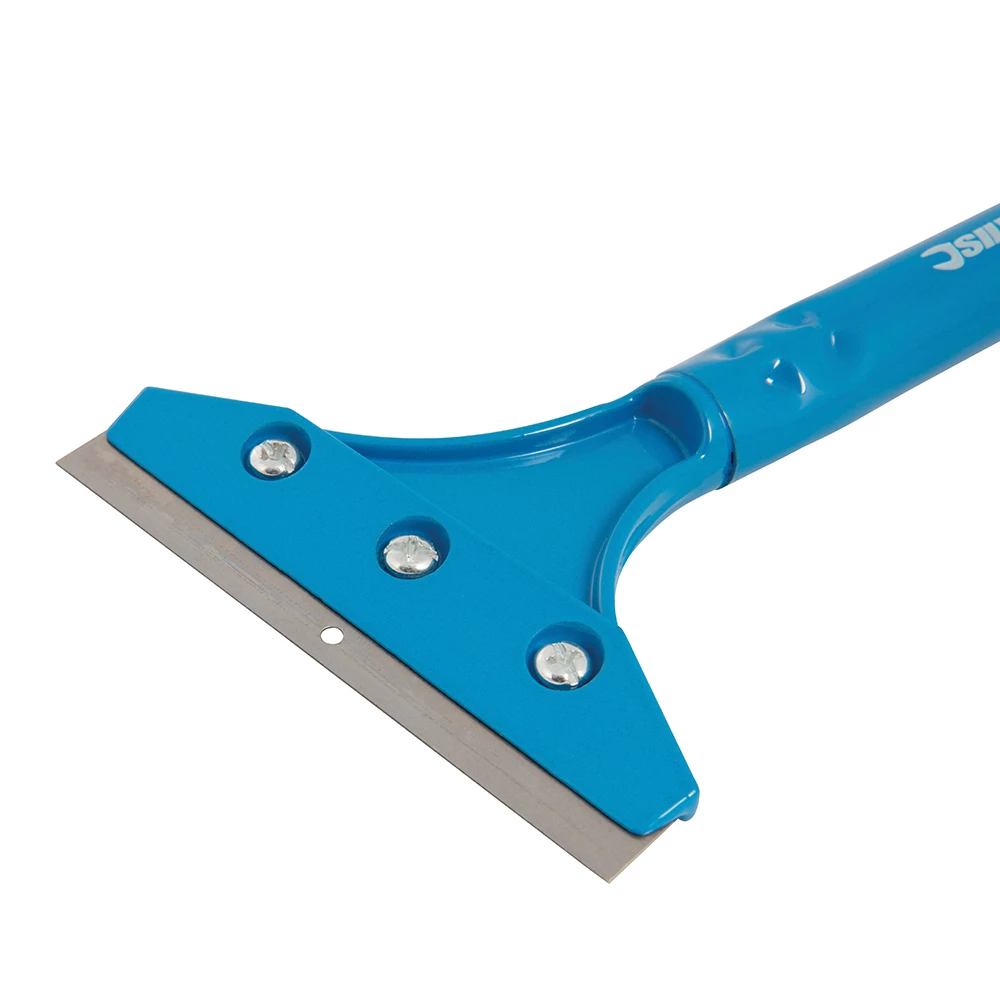
- Heavy Duty Scraper for Paint and Epoxy Resin Removal: Used only for carefully lifting stuck-on residues without scratching the resin.
- Soft microfibre cloths
- Warm water and mild pH-neutral detergent (for general cleaning)
- Protective gloves (especially if using solvents)

Essential Tools for Stain Removal
Make sure to assemble all items before you begin. Choose cleaning products and tools specifically designed for use with resin and epoxy, to ensure you protect the finish while removing stains. Using recommended products increases both safety and cleaning effectiveness.
Step 1: Identify the Stain and Prepare the Area
Start by determining the type of stain you are dealing with—like oil, ink, food, or a dried spill. Move any furniture away and sweep or vacuum to remove loose dirt and grit, preventing scratching while you clean. Ensure the area is well-ventilated if you plan to use any solvent-based cleaners. Take precautions not to flood the resin surface with excess water, as resin flooring performs best under controlled conditions.


Step 2: Clean with Gentle Detergent
Dampen a microfibre cloth in warm water mixed with a pH-neutral detergent. Wipe the stained area using circular motions, applying gentle pressure. Many light stains and fresh spills can be removed at this stage. Rinse the area with a clean, damp cloth and allow it to dry completely before proceeding. Never use harsh abrasives, acidic, or highly alkaline cleaners; these can damage the resin’s glossy finish.
Step 3: Remove Stubborn Stains with Specialised Products
If the mark persists, select a cleaning product suited to the type of residue. For oil, grease, or silicone-based stains, apply a small amount of Strong Technical Degreaser for Resin Projects – 100% Natural Formula to a cloth and gently rub the stain. For ink and other stubborn residues, you may use Pure Isopropyl Alcohol 99.9% – 1000ml Bottle for Epoxy Resin Projects & DIY; dampen a new cloth and gently pat or rub the area. Allow the product to work for several minutes before wiping away. Avoid excessive soaking to prevent dull spots.
Step 4: Carefully Lift Stuck-On Particles
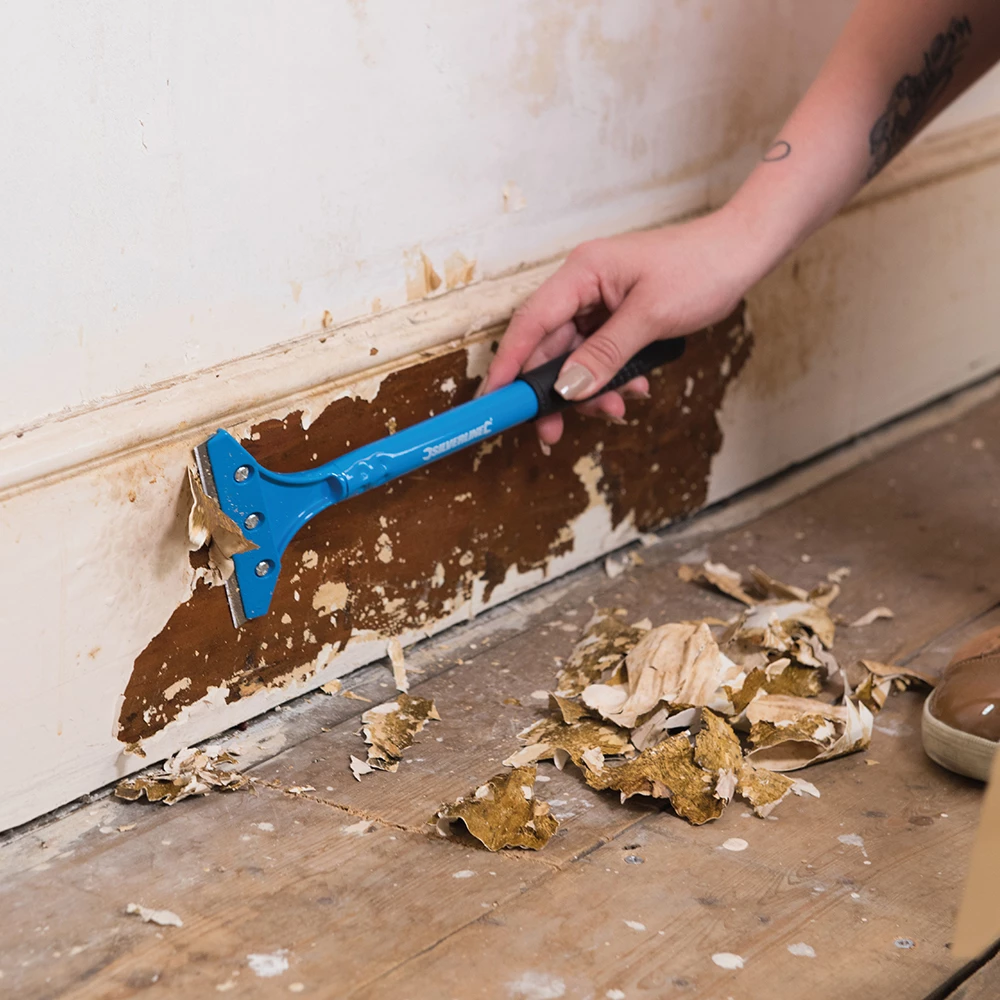
Where stains are caused by dried paint or crusted spills, carefully use the Heavy Duty Scraper for Paint and Epoxy Resin Removal to lift material without force. Hold the blade at a low angle and use gentle pressure. Work slowly to avoid nicking the resin. Wipe away any dust with a damp cloth after scraping. This method is only recommended for resilient floor coatings—always proceed with caution.
Step 5: Restore Gloss and Buff the Area
Once the stain is removed and the floor is clean and dry, polish the treated area to restore uniform shine. Apply a small amount of “Epoxy Polish” – Epoxy Resin Polishing System to a soft pad or microfibre cloth, following product instructions. Work the polish evenly over the area in straight or circular motions, gradually blending into the surrounding floor. This helps conceal minor scratches and returns your resin floor to its original lustre.
Tips and Common Mistakes to Avoid
- Always test cleaning solutions on a small hidden area first.
- Avoid using harsh abrasives or acidic cleaners directly on resin.
- Address stains promptly for easier removal. The longer a stain sits, the more challenging it becomes.
- Buff thoroughly after using a polish to prevent dull patches.
- Keep cleaning sessions gentle – too much pressure may scuff or dull the surface.
- For frequent maintenance, routine mopping with water and gentle detergent is advised.
Maintaining Your Resin Floor’s Appearance
Clean up spills promptly to prevent long-term damage. Regular light cleaning and prompt treatment of stains will keep your resin floor looking glossy and new. Avoid dragging heavy furniture or using harsh scouring pads for best preservation.

- Strong Technical Degreaser for Resin Projects – 100% Natural FormulaOriginal price was: £10.95.£9.45Current price is: £9.45.Strong Technical Degreaser is a natural and gentle cleaner suitable for various surfaces, designed to support stain removal in resin floor…
- Pure Isopropyl Alcohol 99.9% – 1000ml Bottle for Epoxy Resin Projects & DIYPrice range: £10.45 through £20.95Pure Isopropyl Alcohol 99.9% suits the theme by assisting in stain removal and refining epoxy resin finishes.
- "Epoxy Polish" – Epoxy Resin Polishing SystemPrice range: £18.95 through £47.45"Epoxy Polish" offers a system to rejuvenate resin surfaces, leaving a mirror-like finish suitable for stain removal on resin floors.
- Heavy Duty Scraper for Paint and Epoxy Resin Removal£8.95The Heavy Duty Scraper is designed for effective removal of wall coverings and paint, suitable for DIY and professional use.
Frequently Asked Questions
How should I clean oil stains from my resin floor?
A natural degreaser like Strong Technical Degreaser for Resin Projects is ideal for safely breaking down oil without damaging the surface.
Is isopropyl alcohol suitable for cleaning resin floors?
Yes, use it sparingly on tough stains and always test a small area first for compatibility.
How do I restore gloss after stain removal?
Use an epoxy polish system to buff the affected zone and blend it into the surrounding floor for a seamless finish.
Is it safe to use a scraper on resin floors?
Yes, but only lightly and on dried material—stop immediately if you notice any scratching.
Should I use standard household detergent?
Only a mild, pH-neutral detergent is recommended to avoid damaging the resin finish.
What if a stain won’t come off my resin floor?
Multiple cleaning attempts may be necessary. For very persistent stains, consult a flooring professional.