 Free shipping on orders over £29,85
  Shipping Tracking!


 Google
 Facebook
How to repair a hole in resin?
Expert step-by-step guide for flawless resin repairs
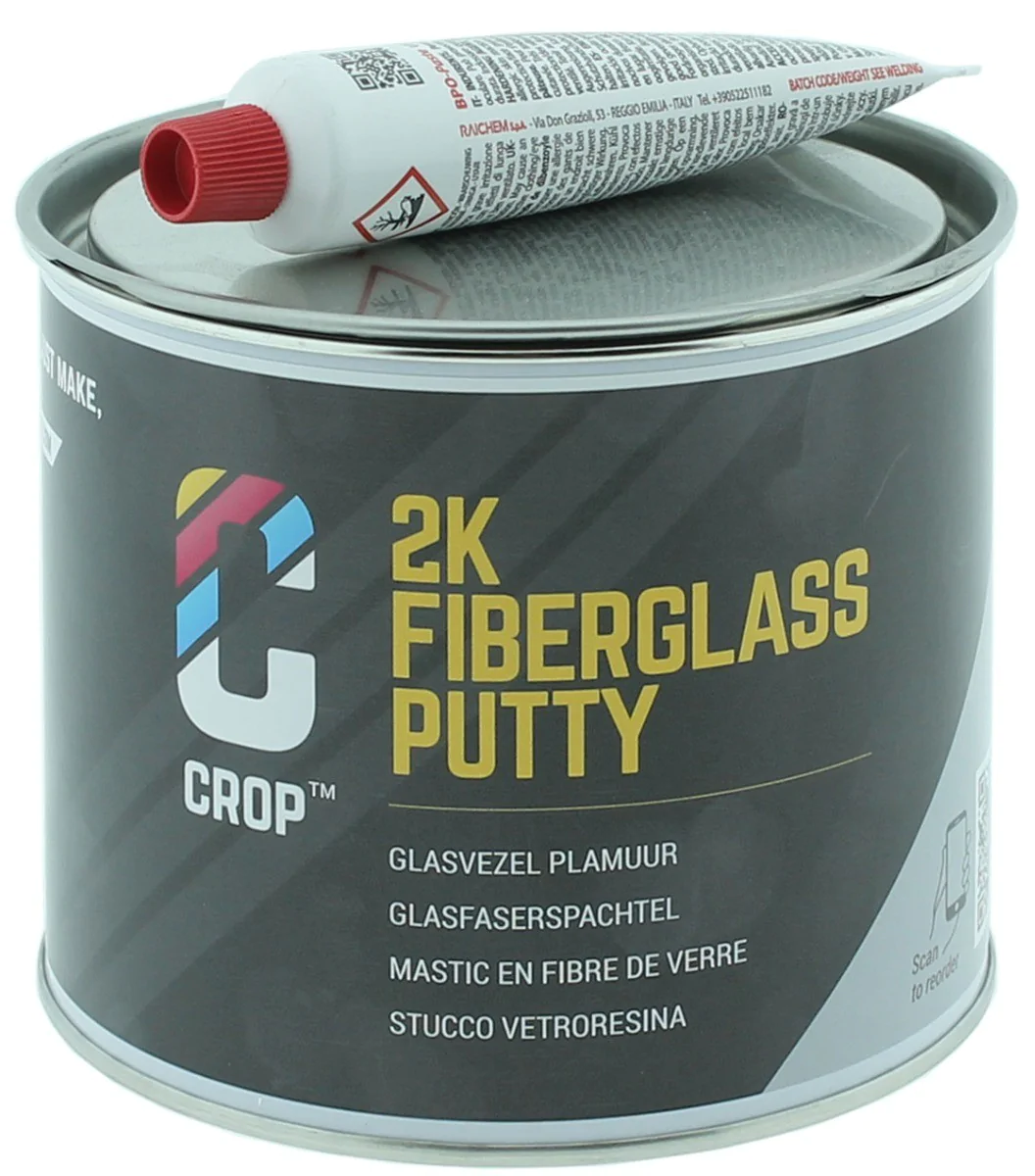
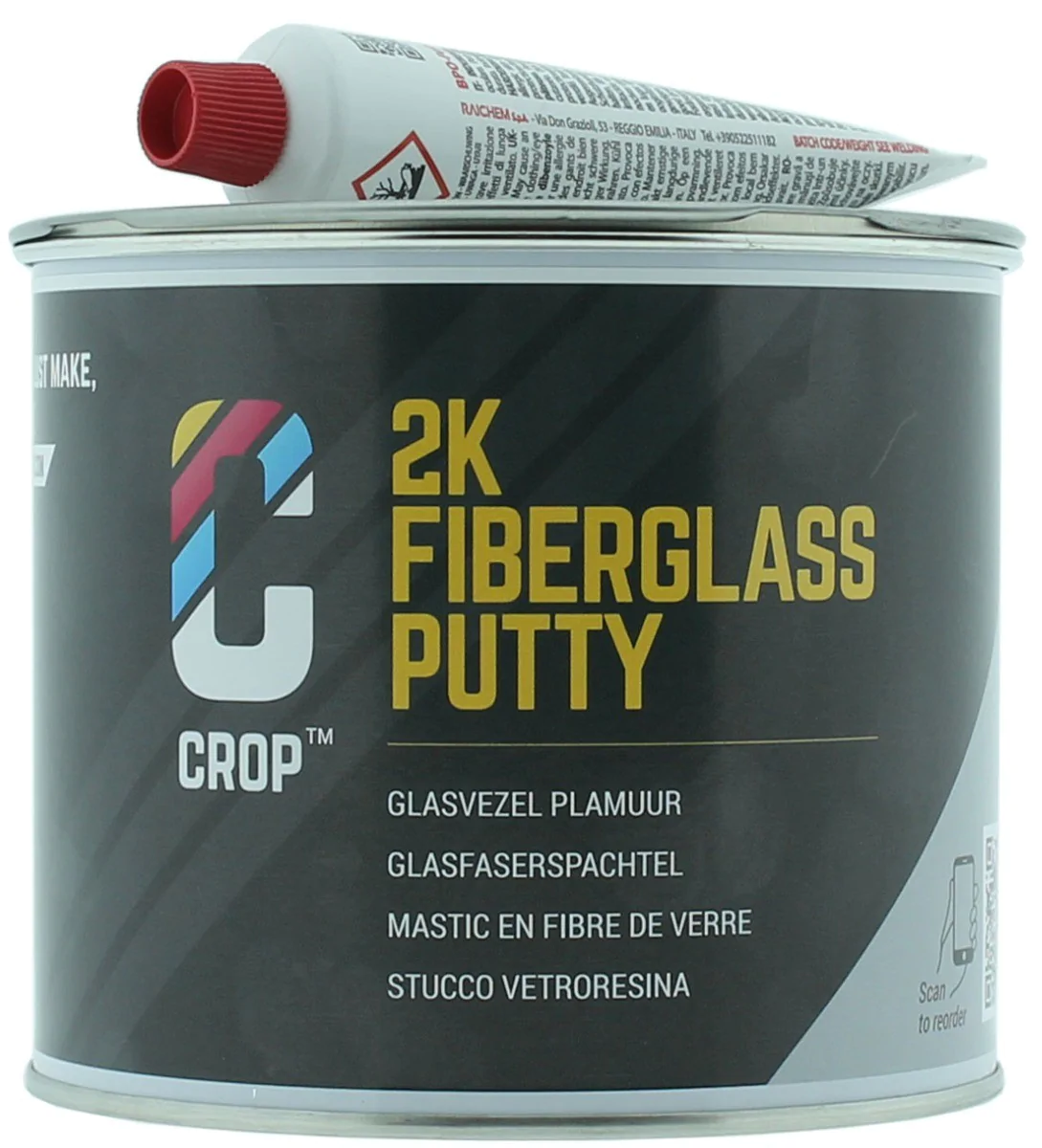
If you find a hole, crack, or cavity in a resin surface, knowing how to repair it correctly is essential for restoring both function and appearance. This guide provides clear, practical steps to achieve a professional-quality repair—helpful for both hobbyists and those tackling structural fixes. Whether you’re dealing with furniture, car parts, or technical composites, the right technique ensures lasting results that blend seamlessly with the original resin.
What You’ll Need
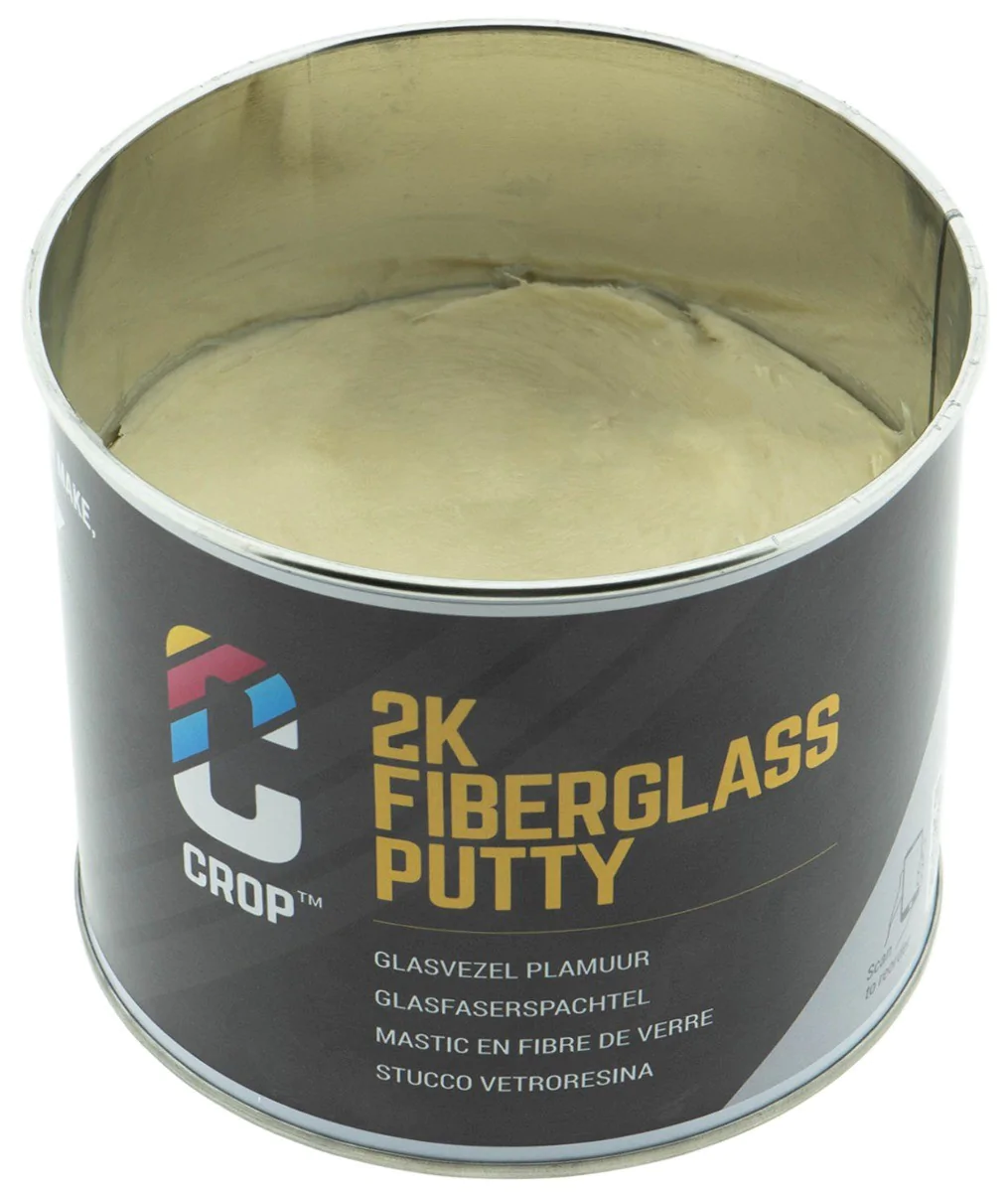
- CROP 2K Fiberglass Putty – 750 ml + Hardener – for filling deep resin holes and cavities
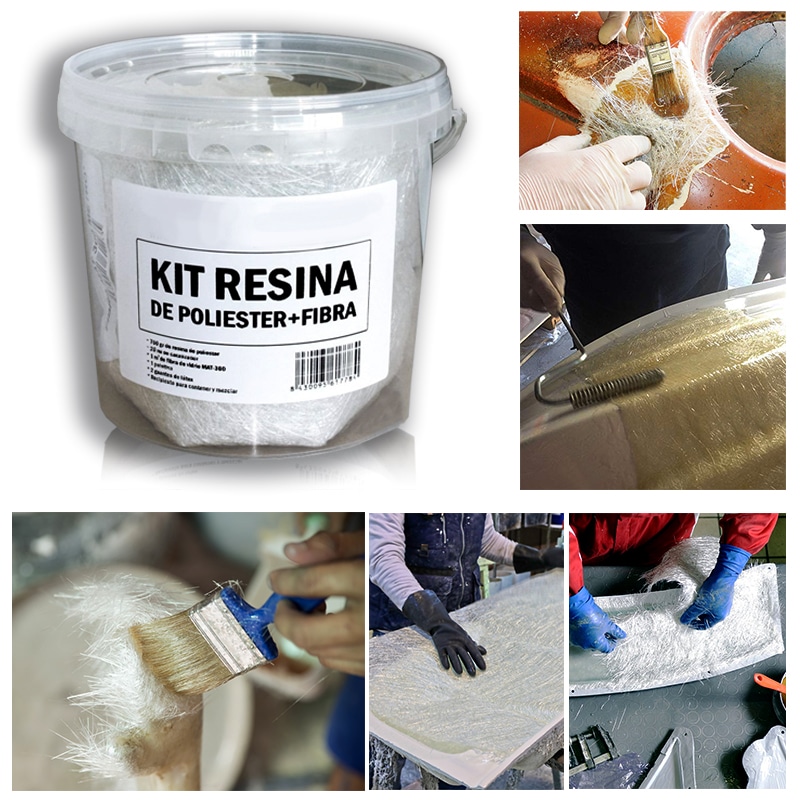
- Resin Fibreglass Repair Kit – Complete Polyester Resin and Hardener Set – for reinforcing or patching larger holes
- “Carbon Resin” – Epoxy Resin for Carbon Fiber & Fiberglass Coating – for seamless, high-strength repairs on technical composites
- “Magelstick” – Epoxy Mastic for Stone, Metal, and Cement Bonding and Grouting – ideal for repairing holes in stone, metal, or cement-based resin surfaces
- Gloves, sandpaper (various grits), mixing tools, paintbrush or applicator
- Lint-free cloths, cleaning agents (e.g., isopropyl alcohol), masking tape
Visual Examples of Resin Hole Repairs
See a selection of before-and-after images and close-ups showcasing effective repair work on holes in various resin and composite surfaces. Note the blending and finish achievable with proper technique and quality materials.
Step 1: Clean the damaged area thoroughly
Remove any dirt, grease, loose particles, or previous repair materials from the resin around the hole. Use a mild abrasive and isopropyl alcohol to ensure no residues remain, and allow the area to dry completely. This cleaning process is crucial because contaminants can prevent new materials from properly bonding to the original surface. Pay extra attention to cracks or porous edges that could hide dust or oils.
Step 2: Prepare the surface for adhesion
Roughen the edges of the hole or crack with medium-grit sandpaper. This increases the surface area and helps repair materials grip effectively. For clean, defined edges, consider beveling the perimeter slightly—this reduces stress points and leads to a smoother transition in the repair. Carefully mask the surrounding area if you wish to avoid accidental spillover or blending beyond the repair zone.
Step 3: Fill or reinforce the hole
Choose the appropriate repair material based on the size and location of the hole. For small to moderate holes, CROP 2K Fiberglass Putty – 750 ml + Hardener is ideal for filling and rebuilding resin cavities. Mix the putty as directed and press it firmly into the space, ensuring the material is compact and slightly overfilled to allow for later shaping.
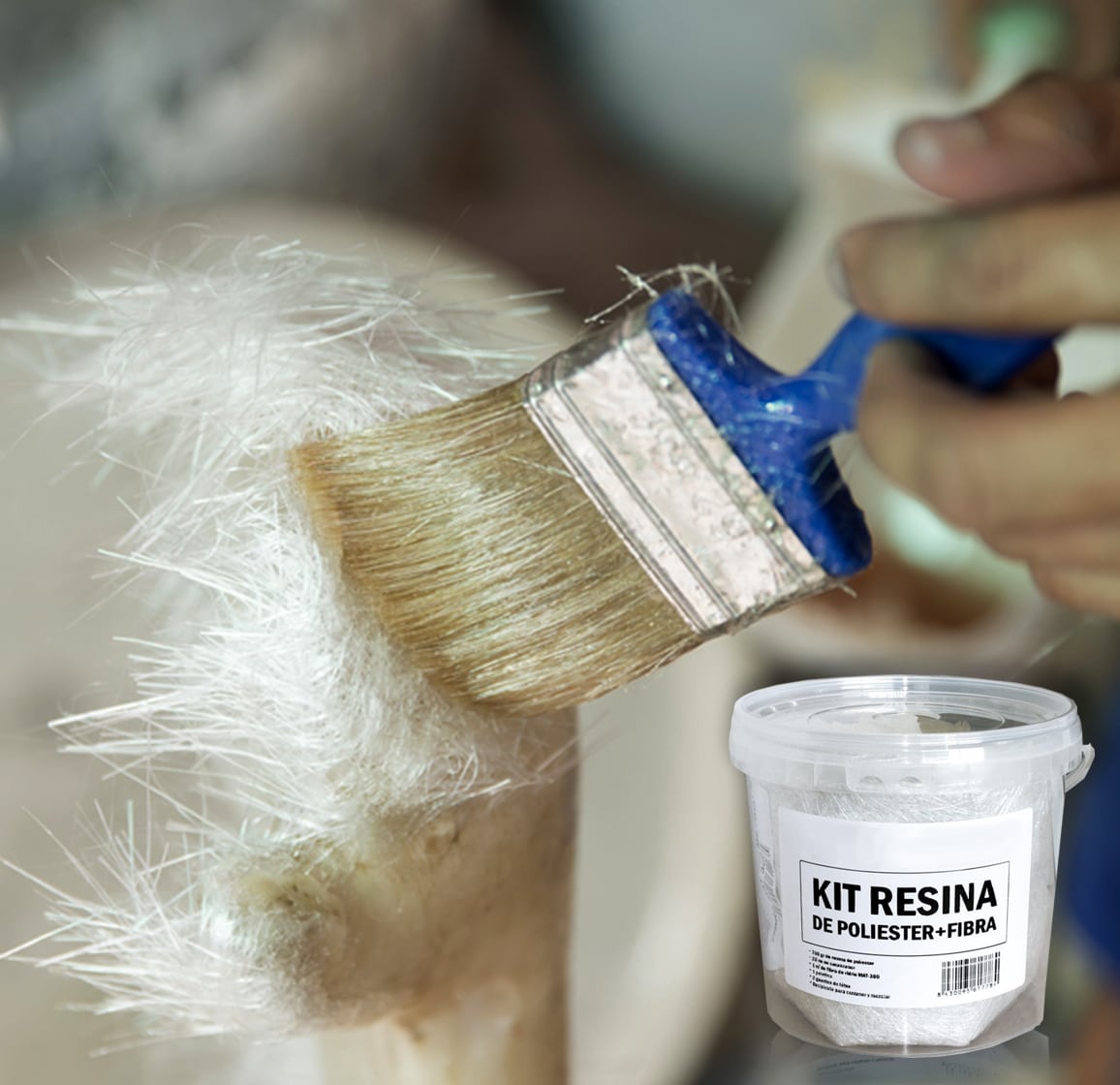
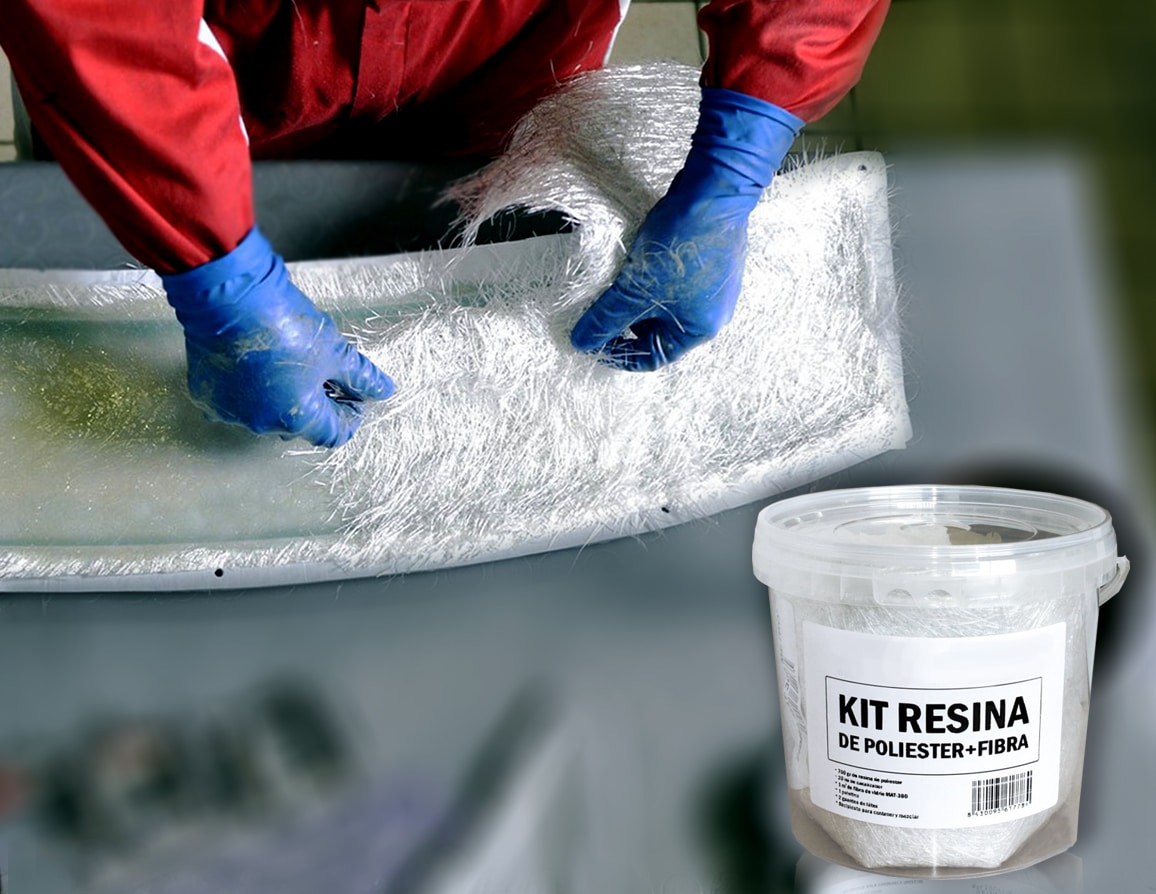
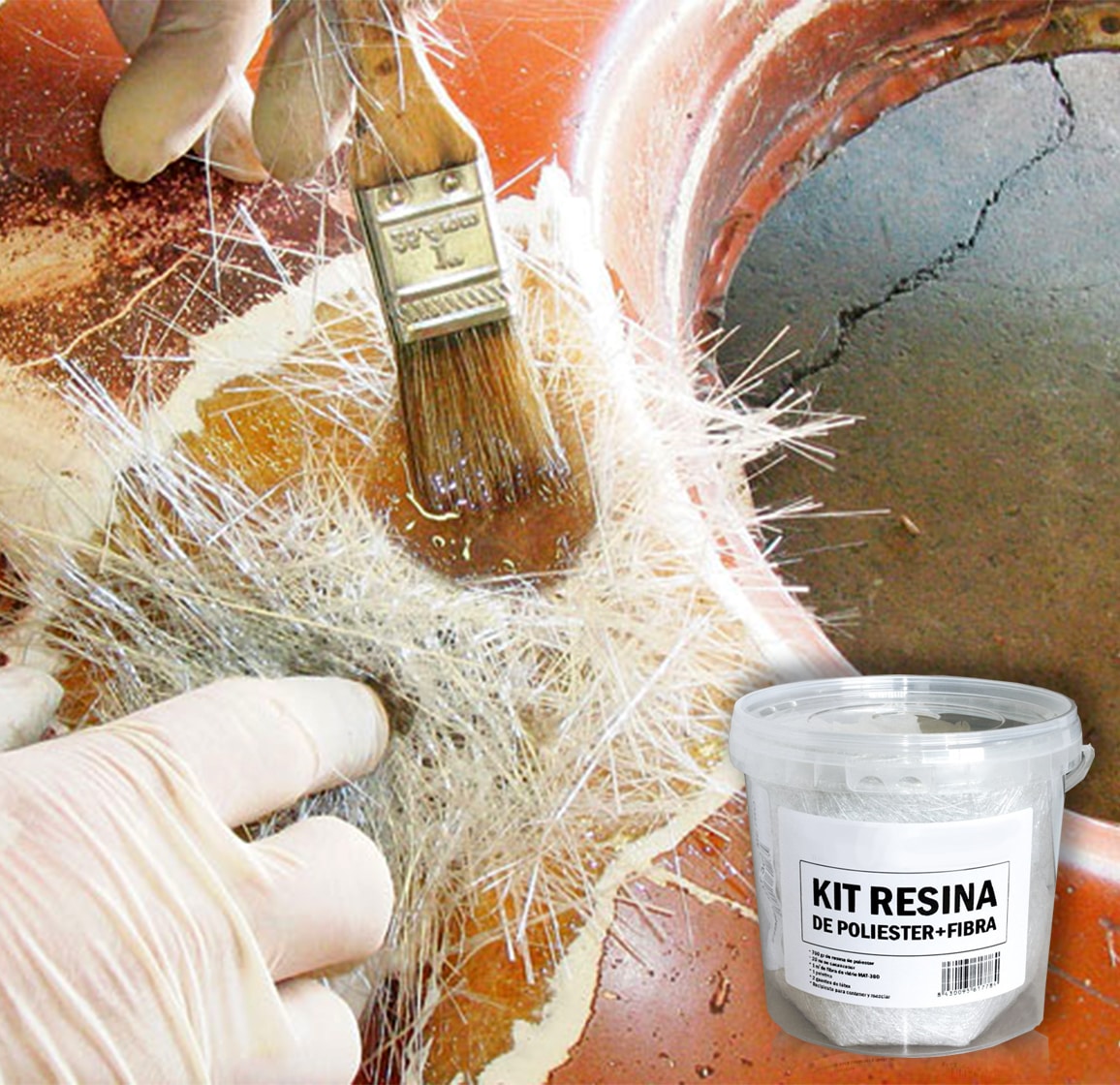
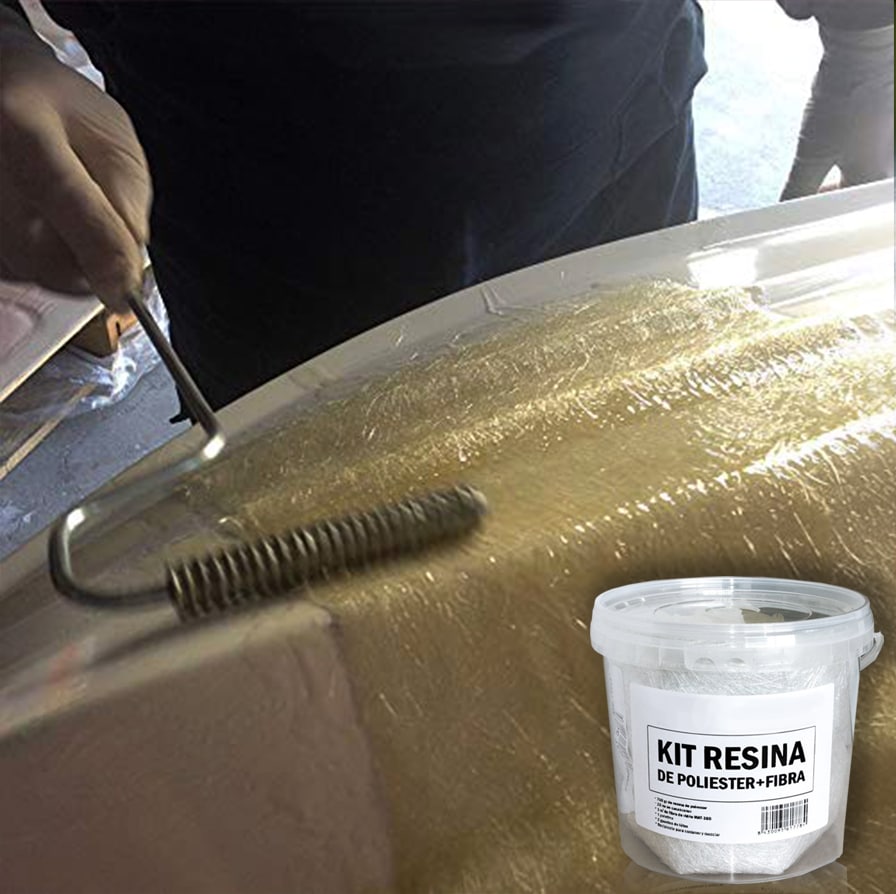
If the hole is large, or for added strength on structural areas, use the Resin Fibreglass Repair Kit – Complete Polyester Resin and Hardener Set. Impregnate the provided fibreglass mat with resin and layer it over and inside the hole, smoothing it with a brush to eliminate bubbles. Allow to cure fully as directed.
For advanced projects or technical composites, apply “Carbon Resin” – Epoxy Resin for Carbon Fiber & Fiberglass Coating to bond reinforcement fabrics for a seamless, high-strength patch.
Step 4: Sand and finish the repair
Once your chosen repair material has cured completely, sand the patched area with progressively finer grits of sandpaper until smooth and level with the surrounding resin. Take care not to oversand and expose the patch edges. Wipe away dust, then, if necessary, apply paint or a finishing resin layer for a flawless, colour-matched result. Let finishes dry fully to achieve maximum durability and visual consistency.
Tips and Common Mistakes to Avoid
- Always follow the mixing ratios and curing times specified for your chosen repair material.
- Do not attempt repairs in high humidity or below recommended temperatures, as this impairs adhesion and curing.
- If working on vertical surfaces, thixotropic products like “Magelstick” – Epoxy Mastic for Stone, Metal, and Cement Bonding and Grouting help prevent slumping or running.
- Wear gloves and ventilate your workspace for safety when handling resins and hardeners.
- Patience during sanding and finishing ensures invisible, professional-quality repairs—rushing may lead to uneven joints.

Substrate Considerations and Application Tips
For best adhesion, ensure surfaces are clean, dry and well-prepared. For curved or vertical repairs, select products formulated with thixotropy to prevent sagging. Remember: the right choice of resin or mastic for your substrate guarantees a longer-lasting, seamless result.

- CROP 2K Fiberglass Putty – 750 ml + Hardener£15.85CROP 2K Fiberglass Putty offers a fibreglass-reinforced formula suitable for repairing cracks and deep damage with easy sanding for finishing.
- Resin Fibreglass Repair Kit – Complete Polyester Resin and Hardener SetThe Resin Fibreglass Repair Kit offers a complete solution with polyester resin and fibreglass mat for repairs on rigid materials under this theme.
- "Carbon Resin" – Epoxy Resin for Carbon Fiber & Fiberglass CoatingPrice range: £19.95 through £37.95"Carbon Resin" is an epoxy designed for carbon fibre and fibreglass projects, with smooth impregnation and a glossy finish suitable for repairing…
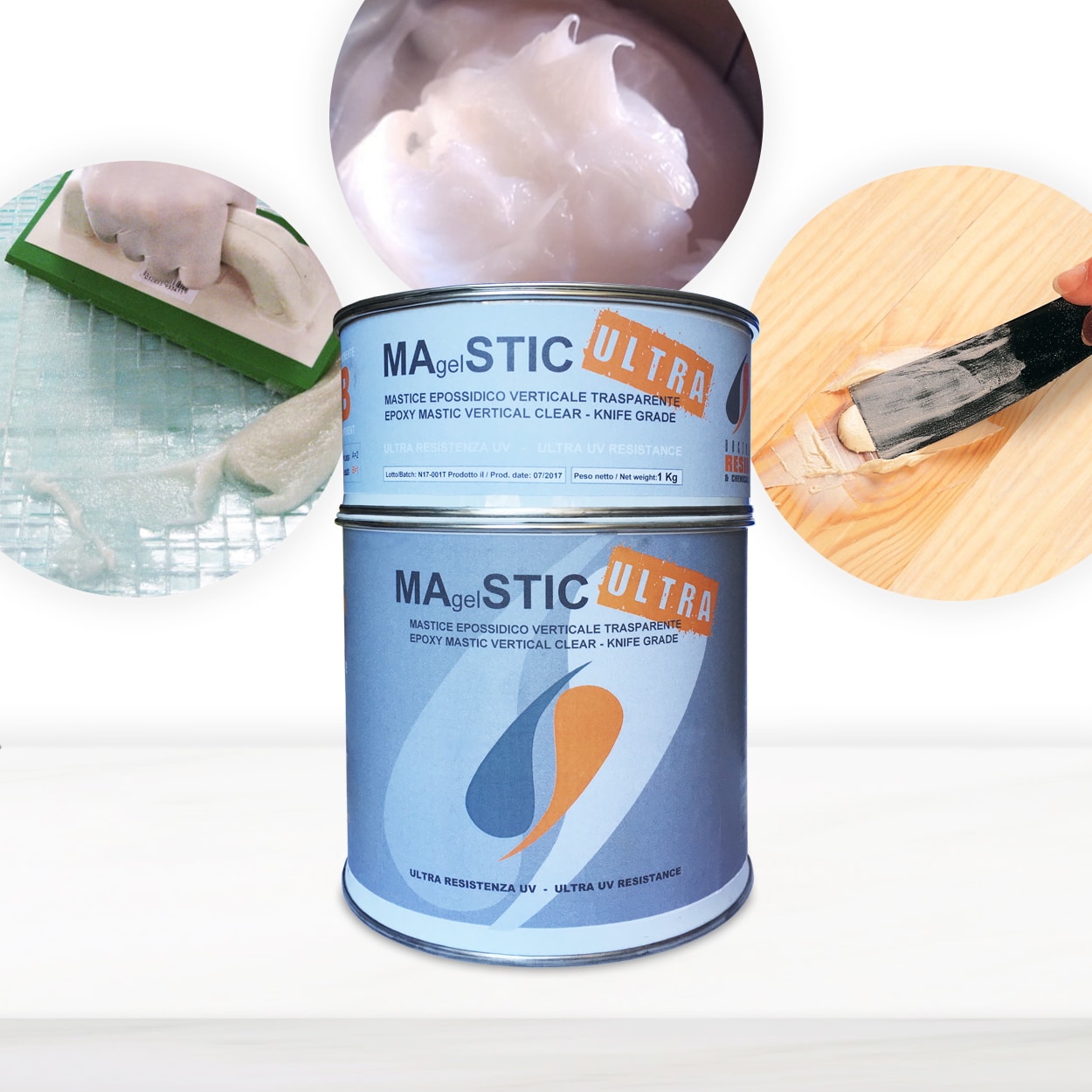 "Magelstick" – Epoxy Mastic for Stone, Metal, and Cement Bonding and Grouting"Magelstick" Epoxy Mastic is designed for robust bonding and repair of stone, metal and cement surfaces, suitable for expert use in restoration.
Frequently Asked Questions
What is the best product for filling a hole in resin?
Choose your repair product based on hole size and substrate; putty for small cavities, fibre kits for larger or structural holes.
How do I smooth a patched resin area?
After curing, sand with fine-grit sandpaper and finish with a cleaning wipe or resin coat for a flawless result.
Can large holes in resin be repaired successfully?
Yes, with fibre-reinforced repair kits and careful layering, large holes can be restored structurally and visually.
Will a patch be visible after resin repair?
With proper blending, sanding, and finishing, repairs can be made almost invisible on resin surfaces.
Do I need special surface preparation for resin holes?
Thorough cleaning and surface roughening are essential to ensure strong adhesion of new material.
Can standard epoxy be used on stone or metal resin repairs?
For these substrates, use an epoxy mastic developed for stone, metal, or cement for best performance and adhesion.