 Free shipping on orders over £29,85
  Shipping Tracking!


 Google
 Facebook
How to repair a hole with sheet resin video?
Step-by-step sheet resin techniques for precise repairs

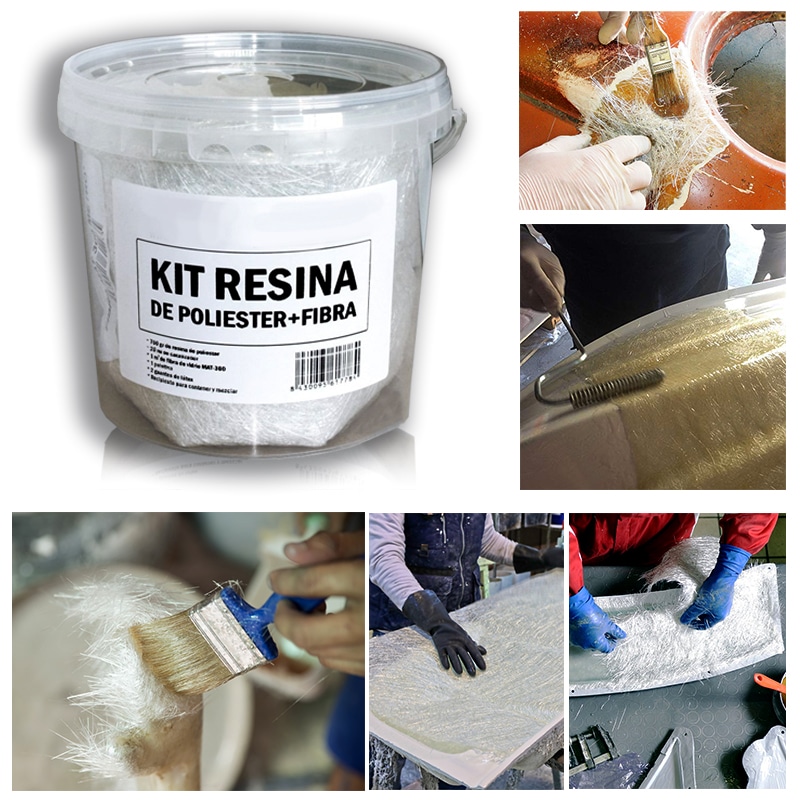
Repairing holes in rigid materials such as fibreglass, wood, or metal often calls for a strong, waterproof and lasting solution. Using sheet resin combined with reinforcement methods is a proven approach for restoring structure while maintaining a smooth finish. This guide provides a clear, step-by-step process to help you complete your repair thoroughly and confidently.
What You’ll Need
- Resin Fibreglass Repair Kit – Complete Polyester Resin and Hardener Set – A full solution for structural repairs on fibreglass, rigid plastics, and other tough surfaces.
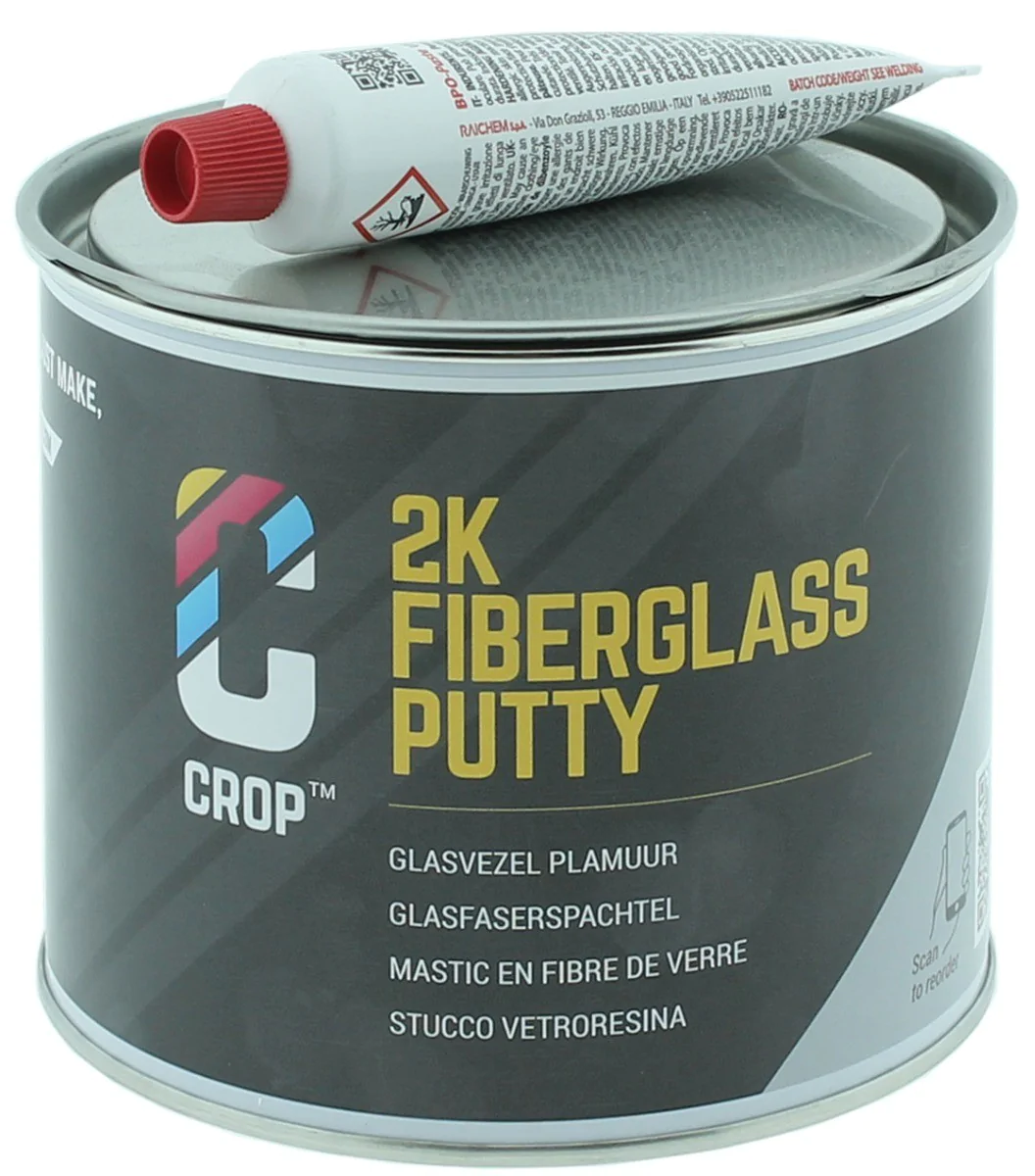
- CROP 2K Fiberglass Putty – 750 ml + Hardener – Excellent for filling and shaping deep holes, especially on bodywork and exposed surfaces.
- “EpoxyWood” – Wood Restoration Epoxy Resin for Deep Penetration and Waterproofing – Specially formulated for repairing and sealing wood-based surfaces.
- “Magelstick” – Epoxy Mastic for Stone, Metal, and Cement Bonding and Grouting – For expert grouting or patching of stone, metal and cement projects.
- Protective gloves and mask
- Mixing container and brush or spatula
- Sandpaper (various grades)
- Cleaning solvent or degreaser
- Scissors (for cutting fibreglass mat, if required)
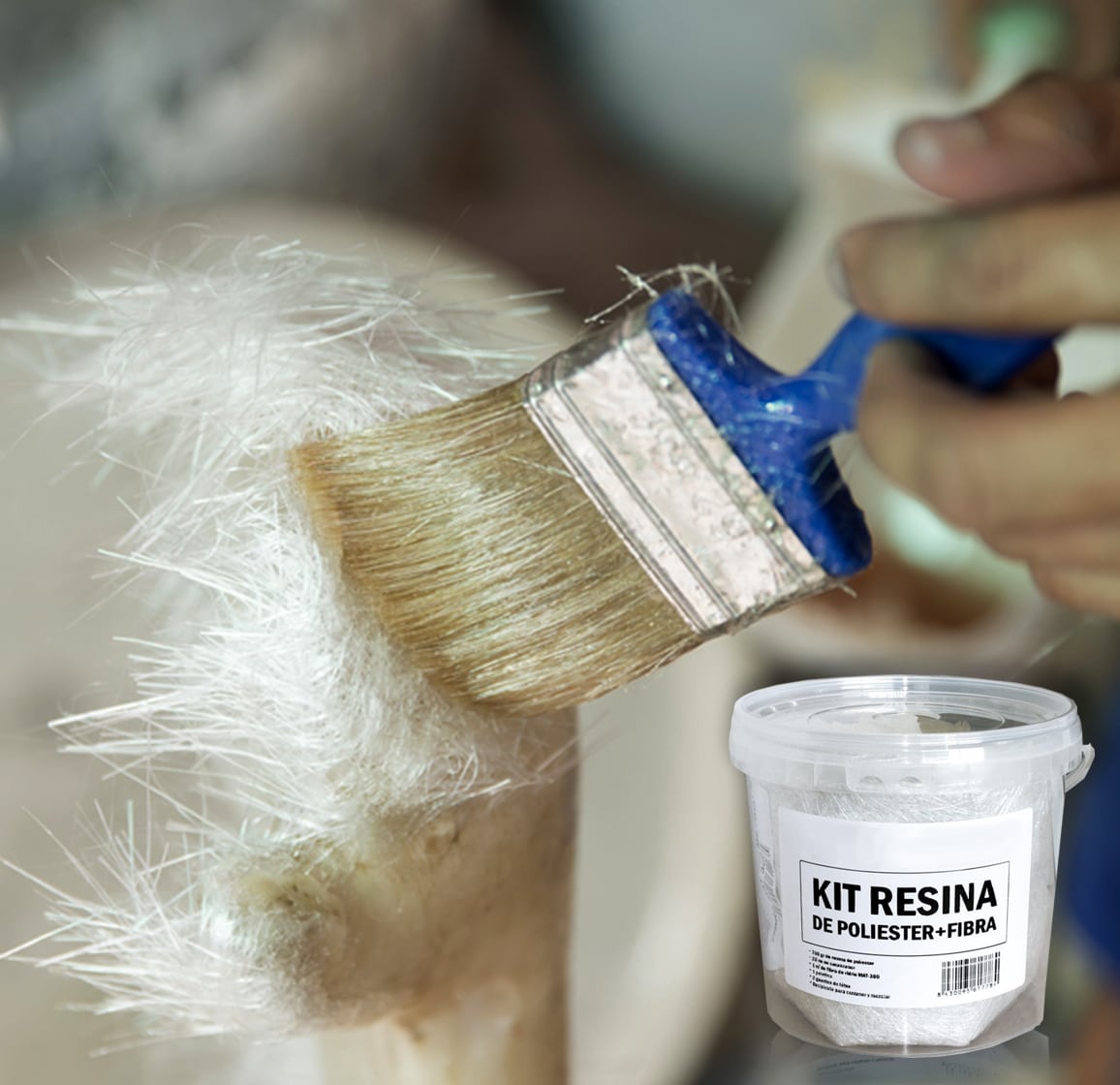
See Sheet Resin Repairs in Action
Watch practical demonstrations of sheet resin repairs before you begin. Videos can help clarify each stage, including surface prep, matting, and finishing touches. For more inspiration and expert video guidance, visit our complete kits page.
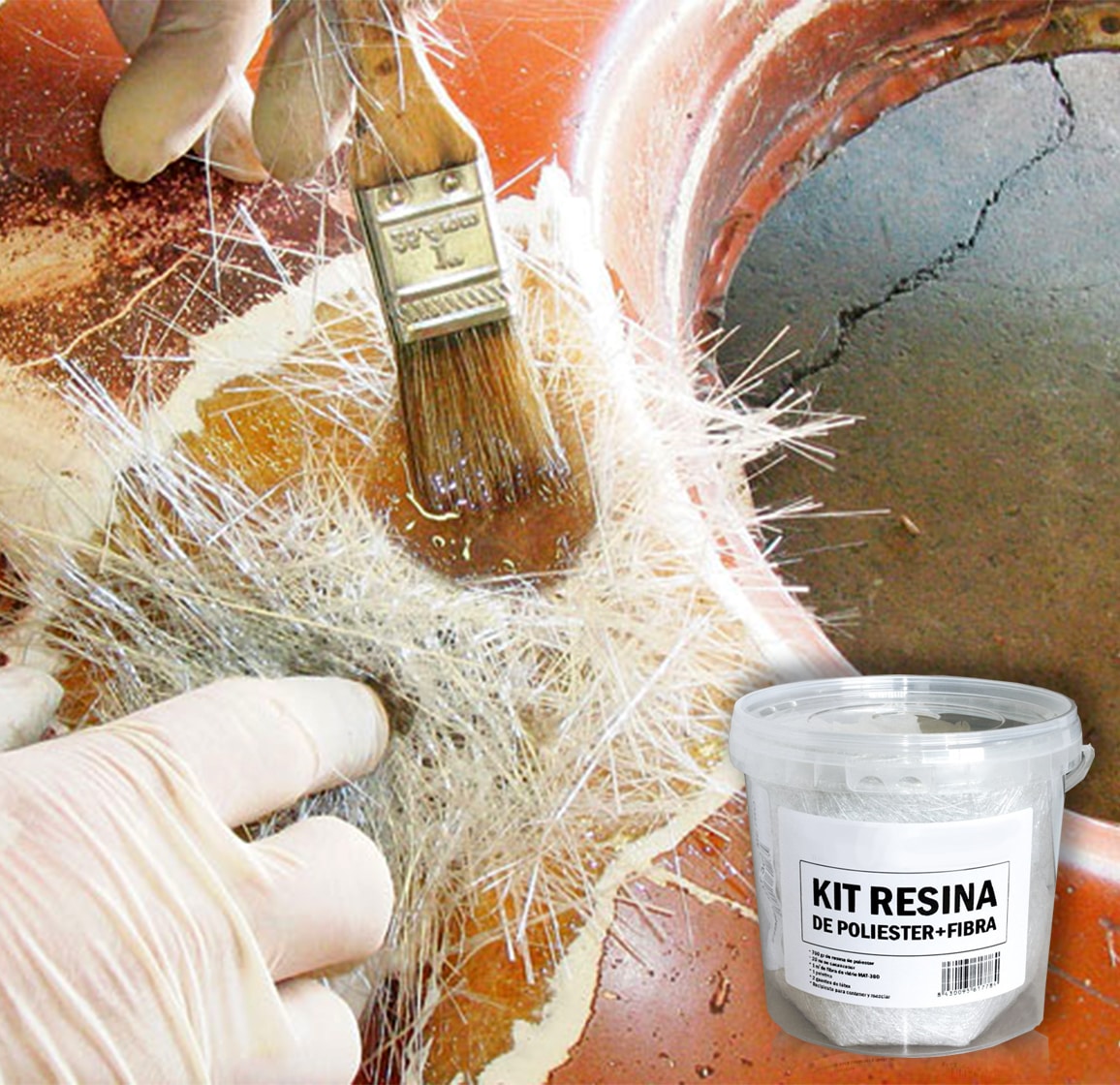
Step 1: Prepare the Surface
The first and most crucial step is surface preparation. Carefully sand and clean the area surrounding the hole to remove any loose, flaking or damaged material. A roughened surface promotes better adhesion for the resin and reinforcement. Use appropriate sandpaper and ensure all dust and debris are vacuumed or wiped away. Degrease the area if necessary to eliminate any oils or contaminants.
Ensure the affected area is clean, dry, and free from grease or dust before you begin. This sets the foundation for a long-lasting repair.
Step 2: Cut and Fit the Reinforcement Mat
Measure the extent of the hole plus a margin of at least 2–3 cm around it for overlap. Cut your fibreglass mat to shape—several layers may be needed for structural strength. Test fit the mat over the area to confirm coverage and trim the edges as needed for a neat result. This will help reinforce the repair and distribute loads.
If you are working on a complex or irregular hole, you may need to use multiple smaller pieces of mat, overlapping them to follow the contours of the surface. Take time to ensure the dry fit is snug and even.
Step 3: Mix and Apply the Resin
Before mixing, check that you have the correct resin and hardener ratio as specified in your kit. For repairs on fibreglass, rigid plastics or metal, use the Resin Fibreglass Repair Kit – Complete Polyester Resin and Hardener Set. Mix only as much resin as you can apply within the working time to avoid wastage.
Working quickly but methodically, use a brush to apply a generous layer of mixed resin over and around the repair area. Lay the first layer of reinforcement mat into the fresh resin, pressing it down to ensure full saturation. Add more resin on top, using the brush to work it through the mat for a thorough bond. Apply further layers of mat and resin as needed to reach the original surface thickness.
Avoid over-saturating the fibreglass mat or creating air bubbles for a stronger, smoother finish.
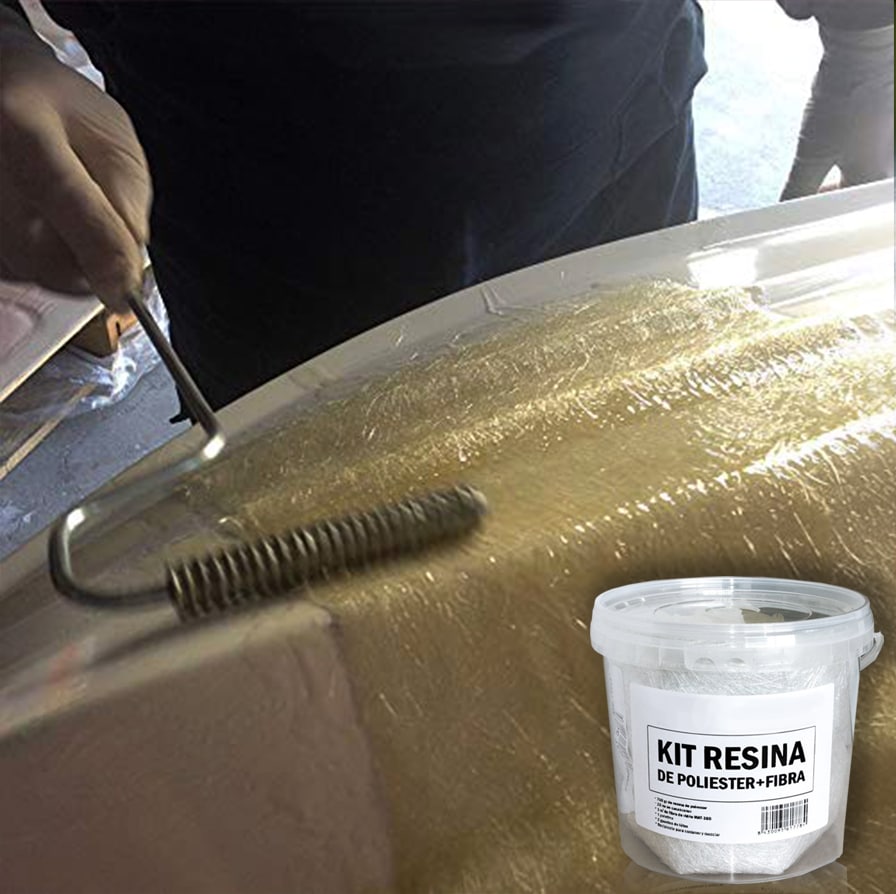
Step 4: Finish and Shape the Repair
Once the resin has cured according to the product instructions, carefully inspect the patch for roughness or uneven spots. Sand the area progressively with finer grit sandpaper until the structure is smooth and level with the surrounding surface.
For deep holes or areas needing further filling, consider using CROP 2K Fiberglass Putty – 750 ml + Hardener to achieve a flush, even surface. Apply the putty as instructed and sand again once cured.
Step 5: Additional Treatments for Specific Materials
If your repair involves wood, a specialised waterproofing finish is important for lasting protection. Apply “EpoxyWood” – Wood Restoration Epoxy Resin for Deep Penetration and Waterproofing to seal the surface and reinforce the structure. For repairs on stone, metal or cement, use “Magelstick” – Epoxy Mastic for Stone, Metal, and Cement Bonding and Grouting for strong bonding and gap filling in intricate details.
Allow these products to cure fully, then sand or refinish as needed. Always refer to each product’s specific instructions for best results.
Tips and Common Mistakes
Always work in a well-ventilated area and wear protective gloves and a mask. Take steps to prevent resin contact with your skin and eyes. Watch for signs of adhesive failure or bubbles forming during lamination, and press them out before the resin cures.
Allow the repaired section to cure completely before subjecting it to stress or moisture. Rushing the process can weaken the bond and compromise durability. Be thorough with surface prep — skipping cleaning or rushing sanding leaves contaminants that reduce adhesion and promote premature failure.
For best results, always choose resin and reinforcement combinations designed for the specific material and application.
Visual Guide: Curing and Finishing Touches
Observe how a successful repair looks once cured and finished. Reference images can guide sanding smooth and help you verify a professional result. For more technical advice and curing time guidance, explore our Multipurpose Epoxy Resins category.
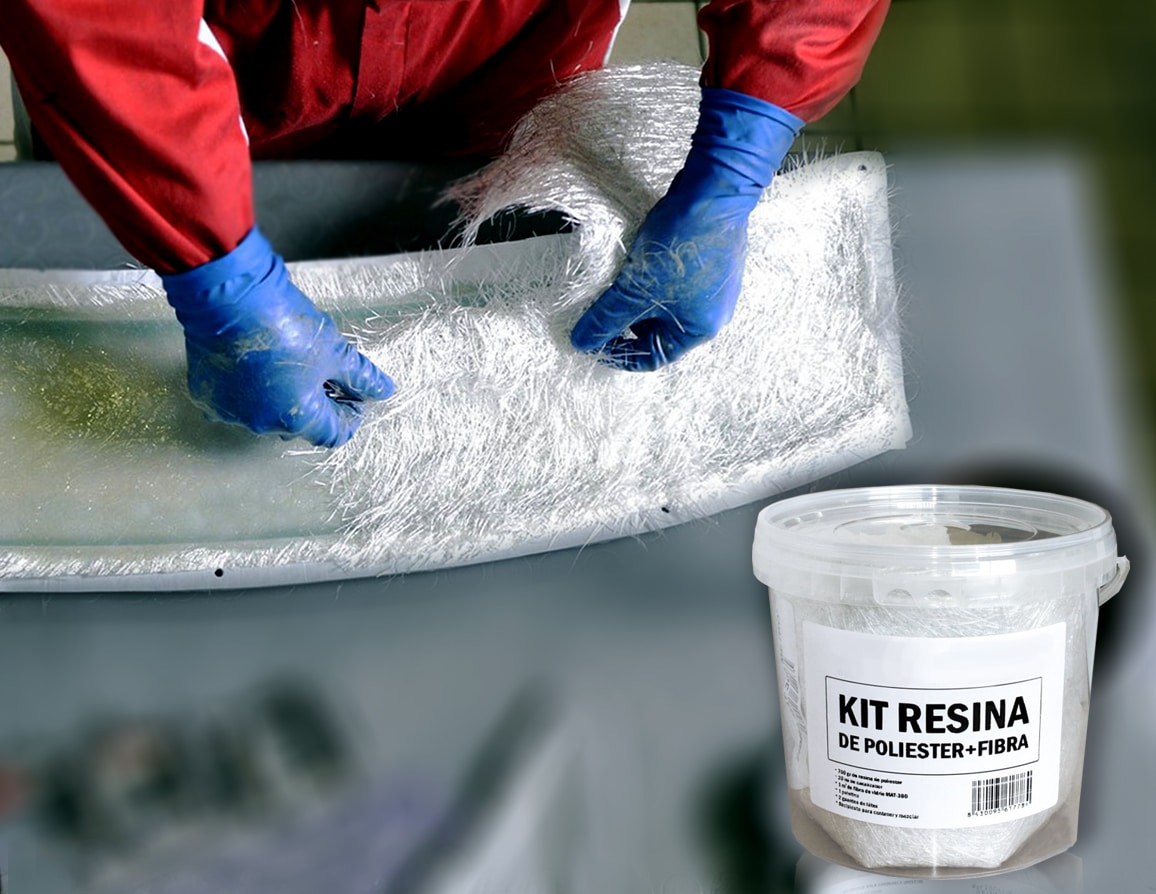
- Resin Fibreglass Repair Kit – Complete Polyester Resin and Hardener SetThe Resin Fibreglass Repair Kit is designed for structural repairs using polyester resin and fibreglass with easy instructions and versatile…
- CROP 2K Fiberglass Putty – 750 ml + Hardener£15.85CROP 2K Fiberglass Putty is a fibreglass-reinforced polyester putty designed for bodywork repairs and filling damage with strong, sandable finish.
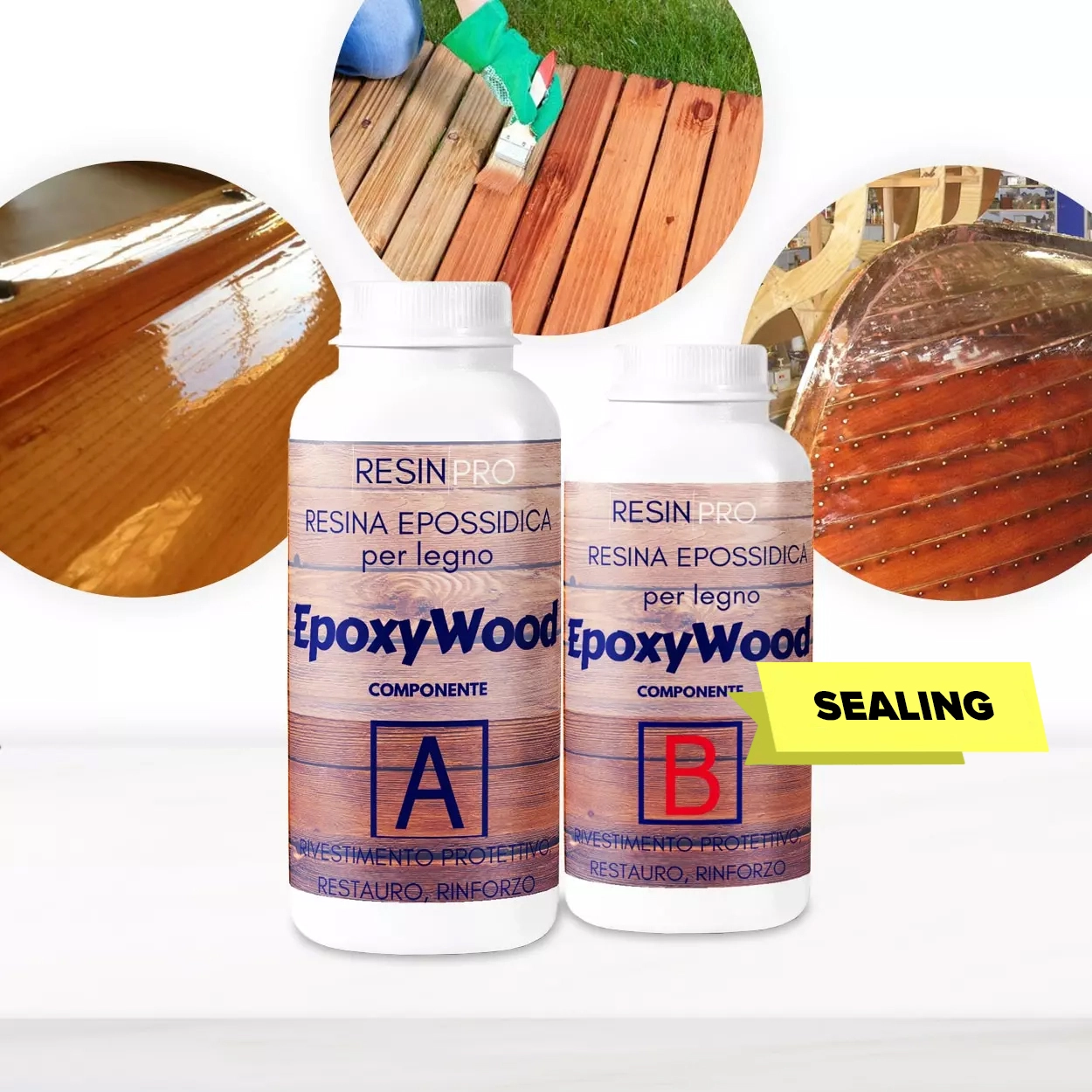 "EpoxyWood" – Wood Restoration Epoxy Resin for Deep Penetration and WaterproofingPrice range: £27.95 through £41.95"EpoxyWood" is designed for repairing and waterproofing wooden surfaces, suitable for restoration projects consistent with the repair theme.
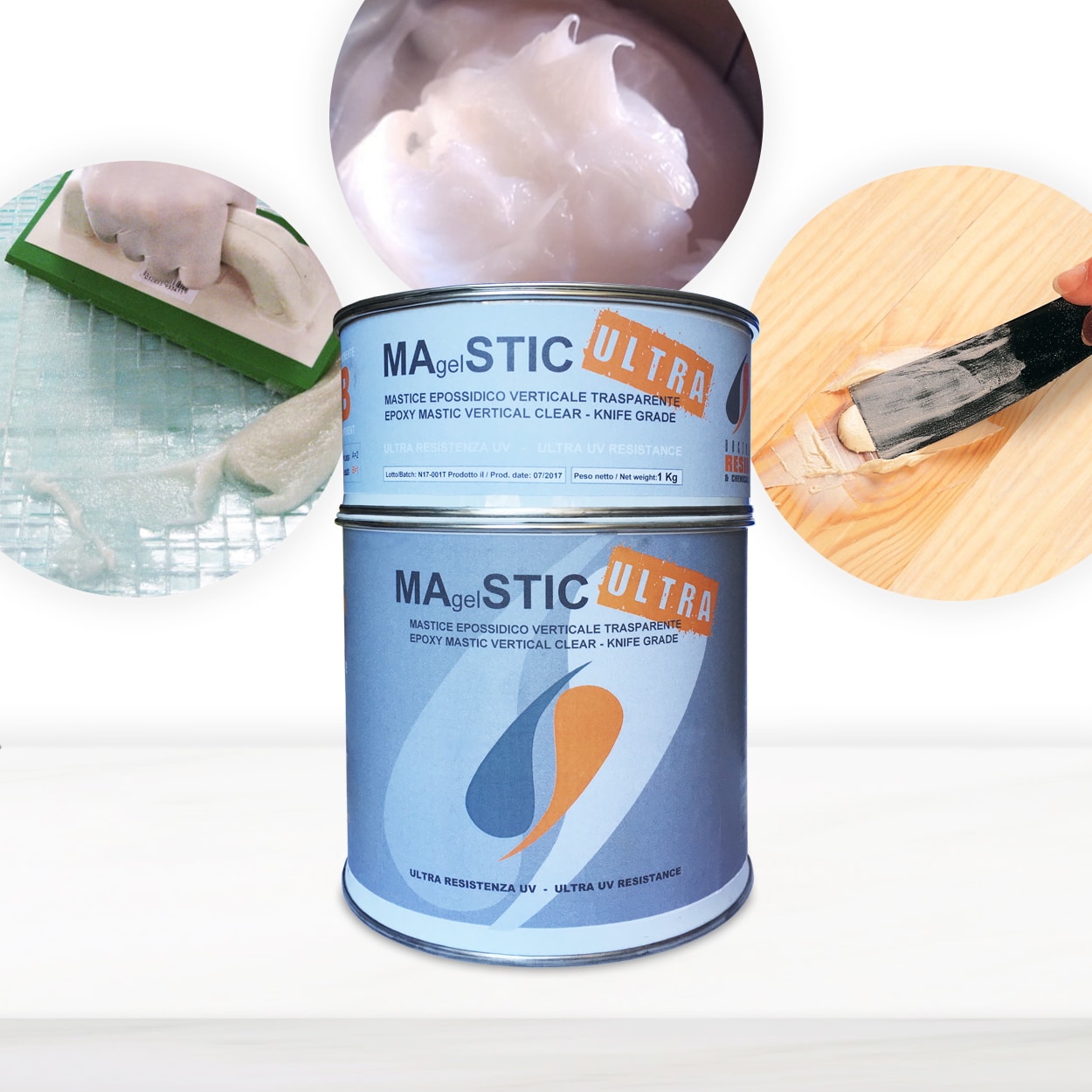 "Magelstick" – Epoxy Mastic for Stone, Metal, and Cement Bonding and Grouting"Magelstick" Epoxy Mastic is suitable for professional bonding and grouting of stone, metal, and cement surfaces, supporting repair and restoration…
Frequently Asked Questions
Can I use this method on plastic or metal surfaces?
Yes, sheet resin techniques work well on rigid plastics and metals as long as surfaces are clean and properly prepared.
How many layers of fibreglass mat are needed?
Typically, two or three layers suffice, but deeper holes may need more for strength.
Is this method suitable for beginners?
With basic tools and care, beginners can achieve strong and reliable repairs using sheet resin.
How long does resin repair take to cure?
Curing times depend on product and temperature but most repairs are fully set within 12 to 24 hours.
Should I fill larger holes before applying resin and mat?
For very large gaps, use a fibreglass-reinforced putty or backing material before lamination.
Is the finished repair waterproof and weatherproof?
Yes, when applied correctly using the right resin system, repairs are both waterproof and suitable for outdoor use.