 Free shipping on orders over £29,85
  Shipping Tracking!


 Google
 Facebook
How to Repair a Resin Sink?
Step-by-step guide to fix chips, cracks, and surface damage


Has your resin sink developed unsightly chips, cracks, or surface blemishes? This hands-on guide will show you how to restore both the strength and smooth finish of your resin sink using the right repair materials and simple techniques. Whether you need a robust patch for larger structural damage or a flawless cosmetic touch-up, these step-by-step instructions cover everything you need for a professional, durable result.

What You’ll Need
- “EpoxyFood” – Certified Clear Food Contact Epoxy Resin for Coating: A clear, food-safe epoxy resin designed for coating surfaces in contact with food.
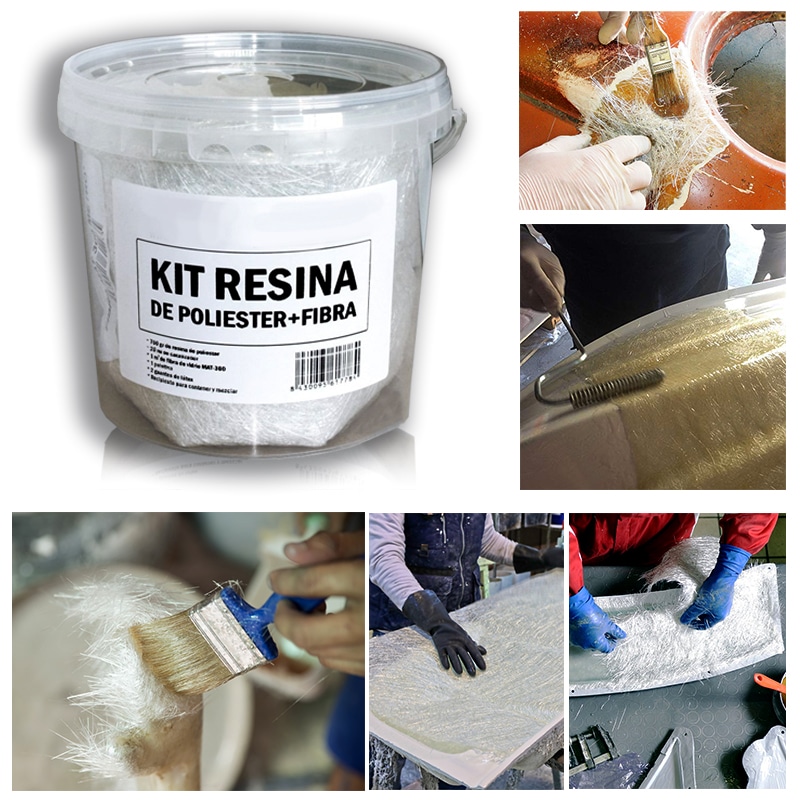
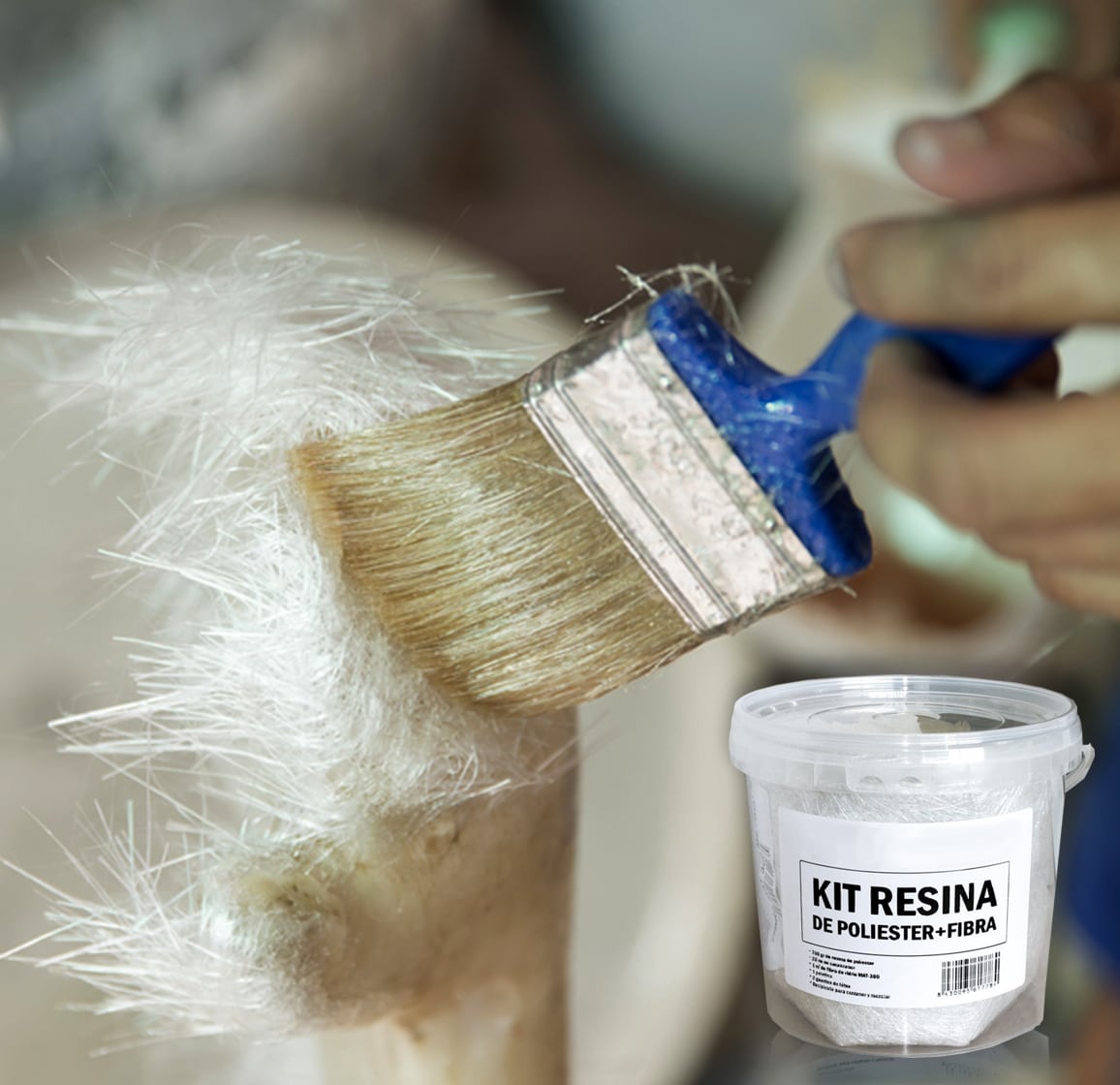
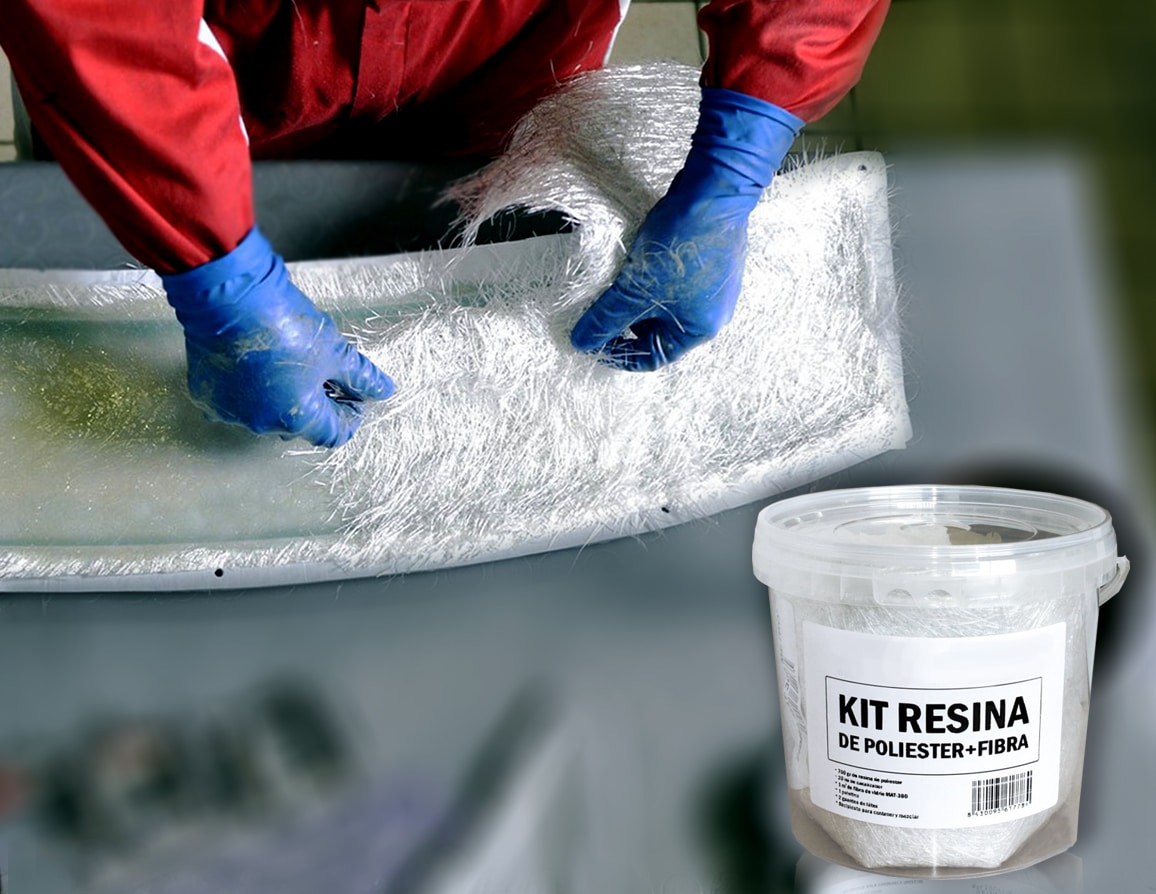
- Resin Fibreglass Repair Kit – Complete Polyester Resin and Hardener Set: A complete kit designed for structural repairs involving resin and fibreglass on rigid composites.
- “Trasparente” – Multipurpose Clear Epoxy Resin for Casting – Up to 2cm: Clear epoxy resin designed for multipurpose casting up to 2cm with integrated UV protection and scratch resistance.
- “Magelstick” – Epoxy Mastic for Stone, Metal, and Cement Bonding and Grouting: Professional-grade epoxy mastic designed for durable bonding and grouting on stone, metal, and cement surfaces.
- Protective gloves and mask
- Cleaning cloths, sanding paper (various grits), mixing sticks, and small containers

See Resin Sink Repairs in Progress
Explore step-by-step visuals and finished examples of successful resin sink repairs using the techniques described in this guide. Check how structural and cosmetic fixes look up close before starting your project.
Step 1: Assess and Prepare the Damaged Area
Begin by carefully inspecting the sink to locate all chips, cracks, or worn patches. Remove any standing water and scrub away dirt, soap residues, or oils with a mild cleaning agent. Rinse thoroughly and allow the surface to dry completely. For best results, lightly sand the area around the damage to roughen the surface and promote adhesion. Wipe away dust with a damp cloth and let it fully dry before proceeding. Always ensure thorough cleaning and drying of the damaged area to guarantee a lasting repair.


Step 2: Choose the Right Resin for Your Repair
The choice of resin depends on the type and location of the damage. For structural cracks or larger chips that compromise the sink’s integrity, opt for a fibreglass-based solution. The Resin Fibreglass Repair Kit – Complete Polyester Resin and Hardener Set is ideal for reinforcing and sealing these areas, providing exceptional waterproof and impact-resistant protection. For smaller chips or cosmetic repairs on food-contact surfaces, select a clear, food-safe resin such as “EpoxyFood” – Certified Clear Food Contact Epoxy Resin for Coating.
Never attempt resin repairs below 10°C or in damp conditions as poor curing and weak bonds may result. For vertical surfaces or narrow gaps, a thixotropic epoxy mastic like Magelstick prevents sagging and ensures precise application.
Step 3: Apply the Resin
Mix the chosen resin according to the manufacturer’s instructions, ensuring accurate ratios for strong curing. For filling chips and small cracks, pour or brush a thin layer gently into the damaged areas, spreading evenly with a spatula or applicator. When using fibreglass repair kits, layer the fibreglass mat over the area, then saturate it thoroughly with mixed resin to build a rigid, seamless patch. Epoxy mastics can be kneaded by hand and pressed directly into gaps, ideal for tricky corners or vertical edges.
Quickly wipe away excess resin for a seamless finish before it starts to set, and use masking tape to protect nearby undamaged areas if needed.
Step 4: Cure, Sand, and Finish
Allow the applied resin to cure in a stable, dust-free environment for the recommended period. Once hardened, start with medium-grit sanding to even the surface, progressing to finer grades for a smooth touch indistinguishable from the original sink. Polish gently if the resin allows, or add a final coat for additional gloss and protection. Remove all dust before returning the sink to use. Maintain good ventilation and wear gloves when working with resin materials for safety.
Tips and Common Mistakes
Always test a small, hidden spot first if you’re unsure how the resin will interact with your sink’s material. Do not rush the curing process—insufficient curing results in soft, easily damaged repairs. Avoid overfilling cracks or chips, which can create unsightly raised areas; it’s easier to add another thin coat than to remove excess. Remember to follow safety precautions and manufacturer’s guidance at every stage.
Examples of Restored Resin Sinks
Completed repairs showcase seamless blending and restored shine, demonstrating the effectiveness of these methods and repair materials. See how even deeply damaged sinks can regain their original beauty and resilience.

- "EpoxyFood" – Certified Clear Food Contact Epoxy Resin for CoatingPrice range: £20.95 through £146.95"EpoxyFood" offers a transparent, food-safe coating resin suitable for kitchenware with a clear gloss finish.
- Resin Fibreglass Repair Kit – Complete Polyester Resin and Hardener SetResin Fibreglass Repair Kit provides structural reinforcement with waterproof polyester resin, suitable for composite repairs related to resin sinks.
 "Trasparente" – Multipurpose Clear Epoxy Resin for Casting – Up to 2cmPrice range: £8.95 through £397.95"Trasparente" is a clear multipurpose epoxy resin suited for detailed castings and table projects up to 2cm thick within the theme How to Repair a…
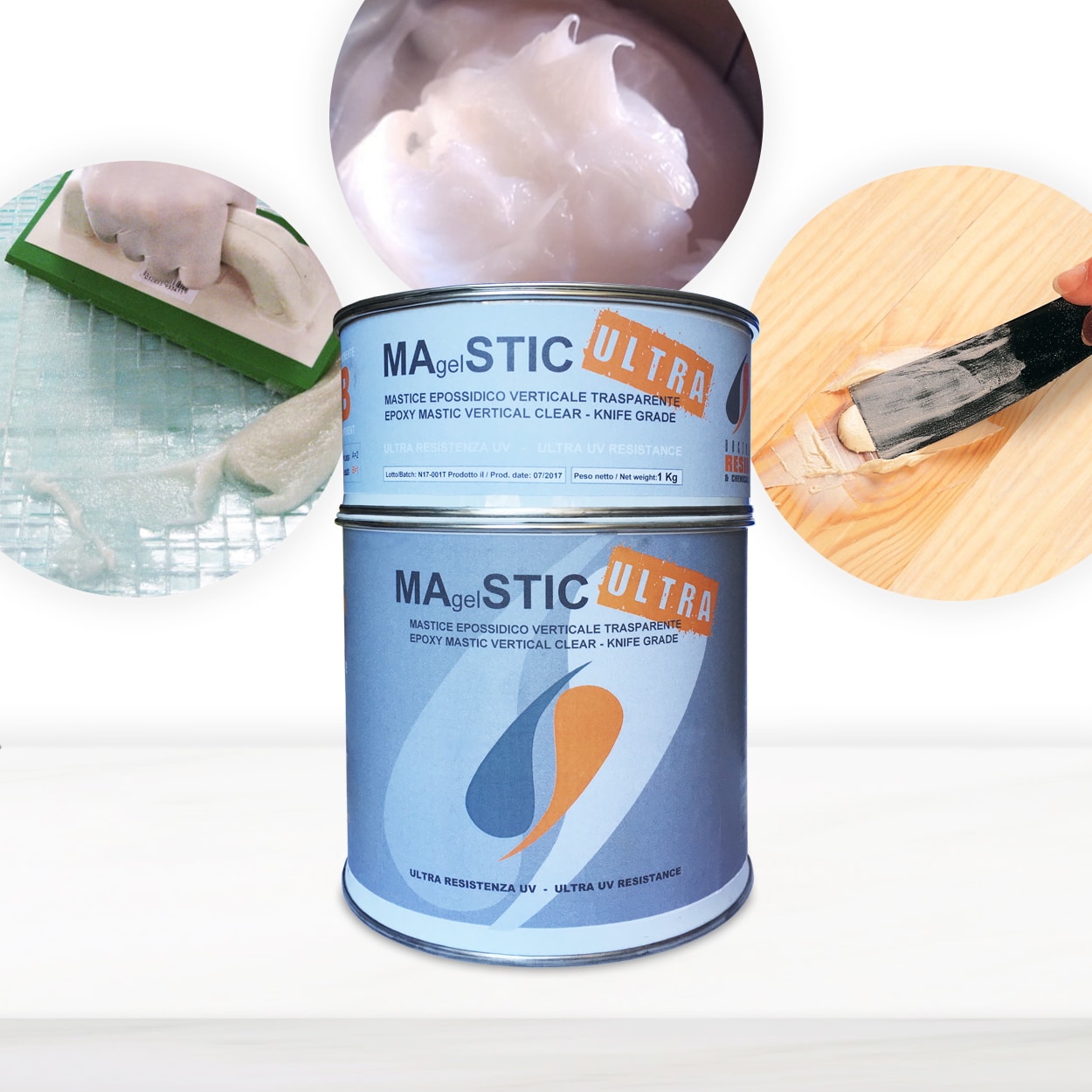 "Magelstick" – Epoxy Mastic for Stone, Metal, and Cement Bonding and Grouting"Magelstick" Epoxy Mastic is designed for professional bonding and repair of stone, metal, and cement, suitable for vertical surfaces within the…
Frequently Asked Questions
Can I use a food-safe epoxy resin in my kitchen sink repair?
Yes, provided the epoxy is certified for food contact, such as EpoxyFood, and is applied only to areas in contact with cold snacks or drinks.
Which resin should I use for fixing deep cracks or lost pieces?
A fibreglass and polyester resin repair kit gives the best strength for structural repairs in resin sinks.
How do I achieve a seamless glossy finish after repairing?
Sand with progressively finer grits, optionally polish, or add a final clear coat of appropriate epoxy for a high-gloss surface.
What are common mistakes in DIY resin sink repairs?
Insufficient surface prep, overfilling, or rushed curing can all reduce repair quality. Always clean, sand, and follow curing times closely.
Does the temperature affect how resin repairs cure?
Yes, working below 10°C or in damp conditions will weaken resin bonds and may prevent full curing. Room temperature is ideal.
What’s the best technique for fixing corners and joints?
Use a thixotropic epoxy mastic, which resists sagging and holds in place on vertical or jointed surfaces.