 Free shipping on orders over £29,85
  Shipping Tracking!


 Google
 Facebook
← Back to How is epoxy resin applied to wood?
Even with careful preparation, epoxy resin finishes on wood can sometimes turn out uneven, tacky, or show other imperfections. Fortunately, most mistakes can be corrected with straightforward steps and a little patience.
Common Mistakes and What Causes Them
Typical issues with epoxy finishes include sticky spots, uneven layers, or bubbles. These problems can arise if the resin was not mixed accurately, if the environment was too cold or humid, or if dust settled during curing. Identifying the root cause helps you avoid repeating the mistake on your next attempt.
Step-by-Step Repair Guide
- Smoothing the Surface: Allow the epoxy to harden as much as possible, then lightly sand the affected areas with fine-grit sandpaper. Remove all sanding dust thoroughly to ensure a clean base for recoating.
- Correcting Sticky Zones: Sticky or tacky spots need extra sanding until the surface loses its tackiness. Wipe away all residue before proceeding.
- Recoating: Carefully mix a fresh batch of epoxy resin, following the manufacturer’s ratios. Apply a thin, even layer using a gentle technique to achieve a smooth, glossy finish.
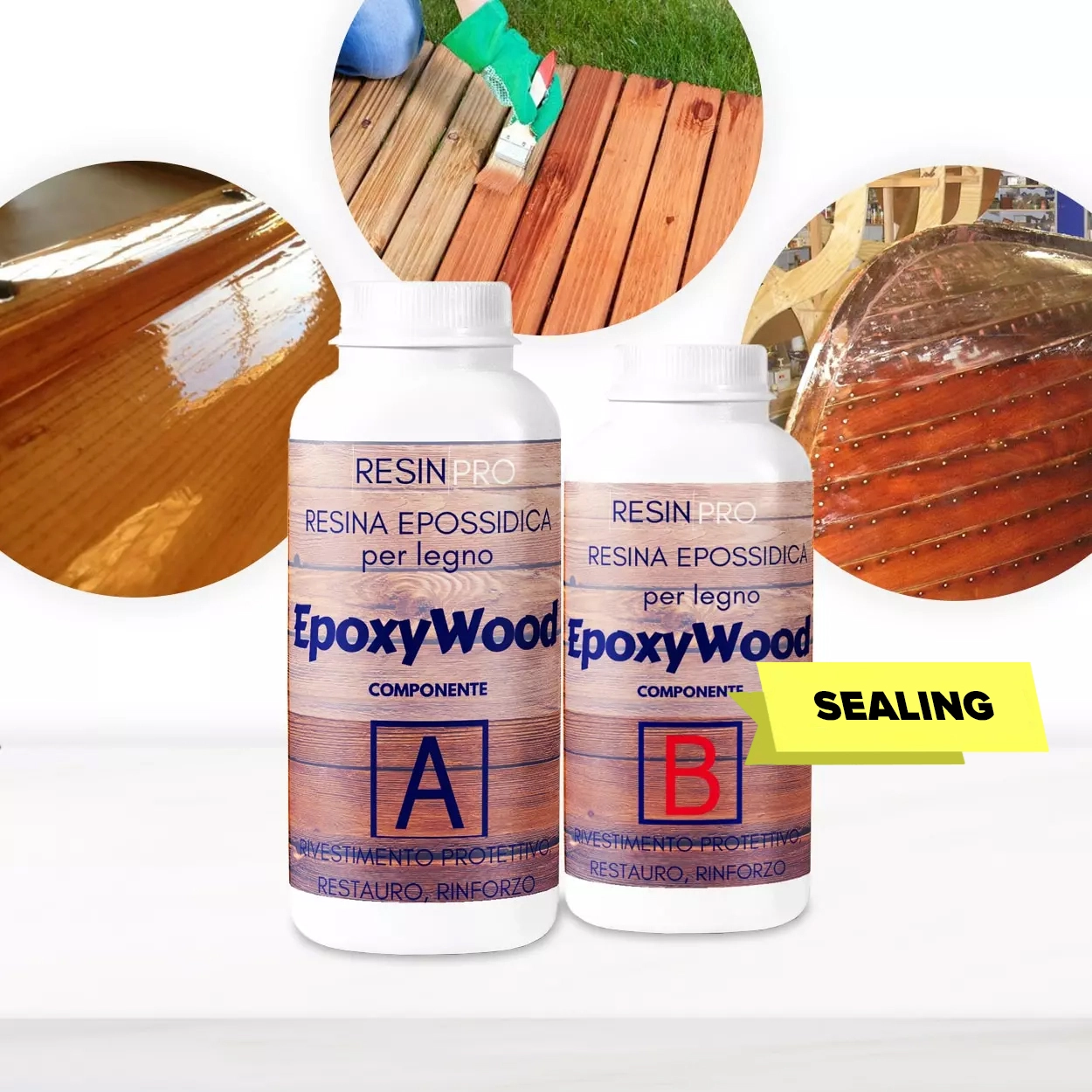
For wood surfaces or restoration projects, a product such as EpoxyWood is well-suited, as it not only repairs but reinforces and waterproofs wood fibres for a higher-quality finish.
When This Matters Most
Repairing mistakes is particularly important when working on visible tabletops, furniture, or projects where a flawless finish is required. Taking the time to fix imperfections ensures your wood pieces look their best and gain lasting protection.
Related products
Related guides
Investing a little effort to repair and improve your epoxy resin finish leads to beautiful and durable results. For more guidance on achieving the perfect finish, explore our full guide on how epoxy resin is applied to wood.