 Free shipping on orders over £29,85
  Shipping Tracking!


 Google
 Facebook
How to repair small resin boat scratches?
Step-by-step tips for restoring a flawless resin boat surface


Small scratches and marks can detract from the appearance and longevity of your resin boat. Fortunately, minor damage like this can often be corrected at home with the right approach and a meticulous hand. This guide will walk you through safe, effective steps to repair and restore your resin boat, leaving it looking refreshed and protected for your next outing.
What You’ll Need
- Strong Technical Degreaser for Resin Projects – 100% Natural Formula
- “Ebonite Abralon” – Sanding Pads 360-4000 Grit for Resin and Wood
- “Epoxy Polish” – Epoxy Resin Polishing System
- Clean, lint-free cloths
- Hand polishing pads or a rotary polisher (optional but recommended)
- Water for wet sanding
- Protective gloves

Essential Tools for Flawless Resin Boat Repairs
Working with resin surfaces requires care and specialised products. Choose sanding pads and polishing systems designed for epoxy resin for a smooth, glossy result. Proper surface preparation and cleaning ensure your repair work bonds effectively and stands up to marine conditions.

Step 1: Clean and Degrease the Surface
Before attempting any repair, it is crucial to remove all dirt, salt deposits, and oily residues from the area to be treated. Any contaminants can interfere with sanding and polishing, or even cause new marks during the process. Wipe the scratched zones thoroughly using a soft cloth. Always clean the surface thoroughly before starting any repair.
For optimal results, apply a dedicated cleaner such as the Strong Technical Degreaser for Resin Projects – 100% Natural Formula. This natural, hypoallergenic degreaser safely eliminates grease, silicone, and adhesive residues. Allow the surface to dry completely before moving to the next step.
Step 2: Sand the Scratched Area
Assess the depth of your scratches. For most minor surface marks, start with a fine grit, such as 1000 or 2000, and move up to 4000 for a smooth finish. Use light, even strokes—consistency is key to removing scratches without introducing new ones. Use fine-grit sanding to avoid further scratch damage.
Wet sanding is recommended for resin surfaces as it helps reduce dust and friction. Lightly dampen the area and periodically rinse away any sanding residue for clearer results. To achieve precision and consistency, use foam-backed sanding pads such as “Ebonite Abralon” – Sanding Pads 360-4000 Grit for Resin and Wood, designed specifically for this type of work. Rinse and dry the repair area after sanding.
Step 3: Polish to Restore the Gloss
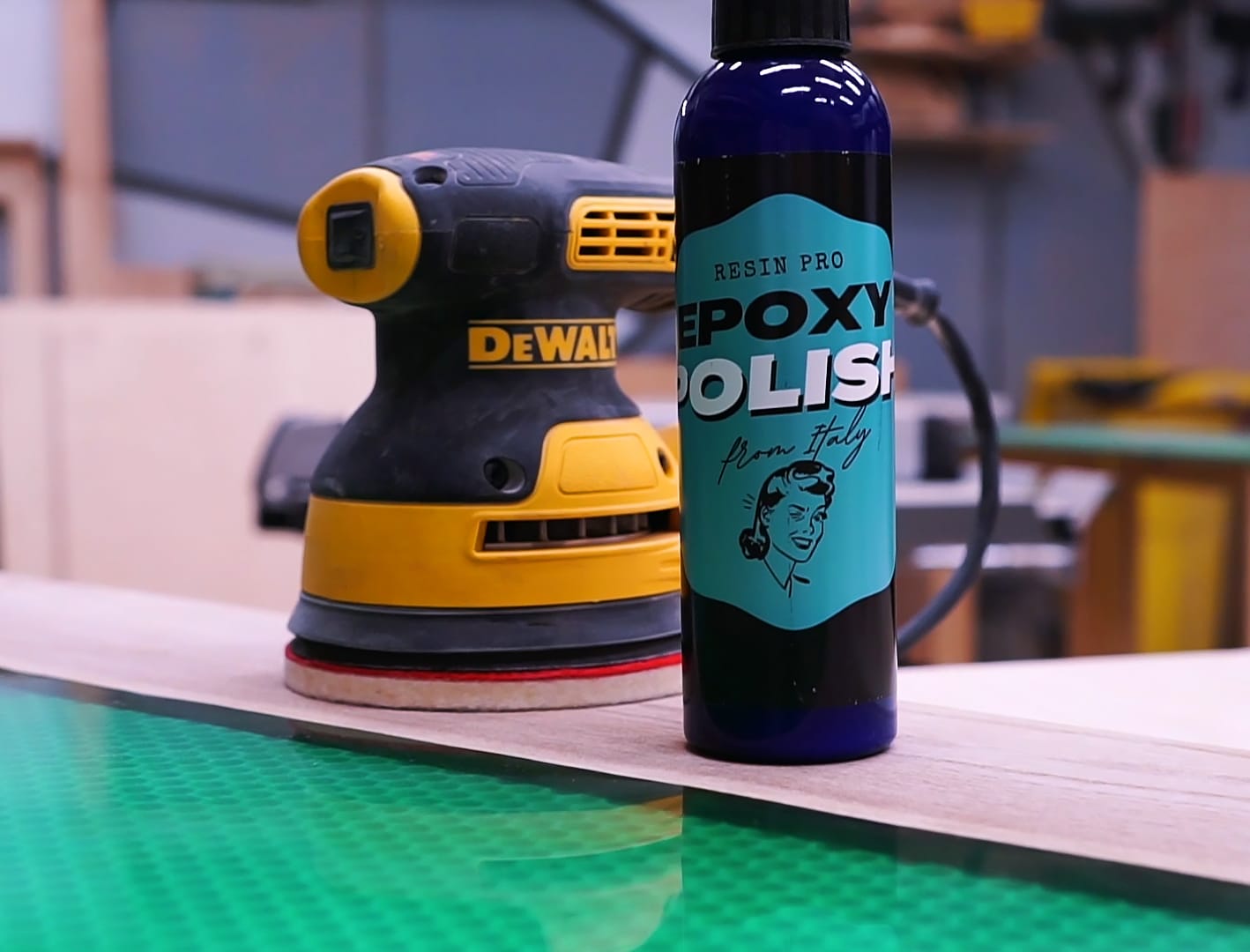
Once the scratch has been sanded out, you will likely notice a matte or dulled patch. Polishing restores clarity and shine. Apply a small amount of resin-safe polishing compound to a soft, clean cloth or polishing pad. Polish gently in circular motions for best results.
Work the polish evenly across the affected area using circular movements and moderate pressure. For greater efficiency and a professional finish, a rotary polisher may be used. The “Epoxy Polish” – Epoxy Resin Polishing System is formulated to remove micro scratches and restore a mirror-like gloss. Continue until the shine matches the rest of the boat’s surface, then buff away any residue with a dry cloth.
Step 4: Final Check and Cure
After polishing, inspect the repair in good light from several angles. If any dull areas or fine marks remain, repeat sanding and polishing with finer grits or more polish as required. Allow sufficient curing time between steps.
If your boat will be exposed to the elements soon after repair, allow at least 24 hours for the surface to settle and bond before resuming heavy use. Taking your time ensures a durable, lasting finish.

Tips and Common Mistakes to Avoid
- Don’t rush: hasty sanding or skipping grits can make scratches worse.
- Keep cloths and pads clean to avoid cross-contamination or swirl marks.
- Avoid harsh chemicals not designed for resin surfaces; these could damage the finish.
- Never use aggressive sanding when only mild polishing is needed.
- Always wear gloves and work in a well-ventilated area, especially when using cleaners or fine abrasives.
Protect and Maintain Your Boat After Repair
To prolong your repair, regularly clean and inspect your resin surfaces. Store the boat away from direct sunlight where possible and avoid using abrasive cleaners. This routine will help keep scratches at bay and preserve a high-gloss finish for future adventures.

- "Epoxy Polish" – Epoxy Resin Polishing SystemPrice range: £18.95 through £47.45Epoxy Polish system provides a polished, glossy finish to resin surfaces, fitting the theme of repairing small resin boat scratches.
- Resin Fibreglass Repair Kit – Complete Polyester Resin and Hardener SetThe Resin Fibreglass Repair Kit provides a complete polyester resin and hardener set suited for repairs like boat scratches under the current theme.
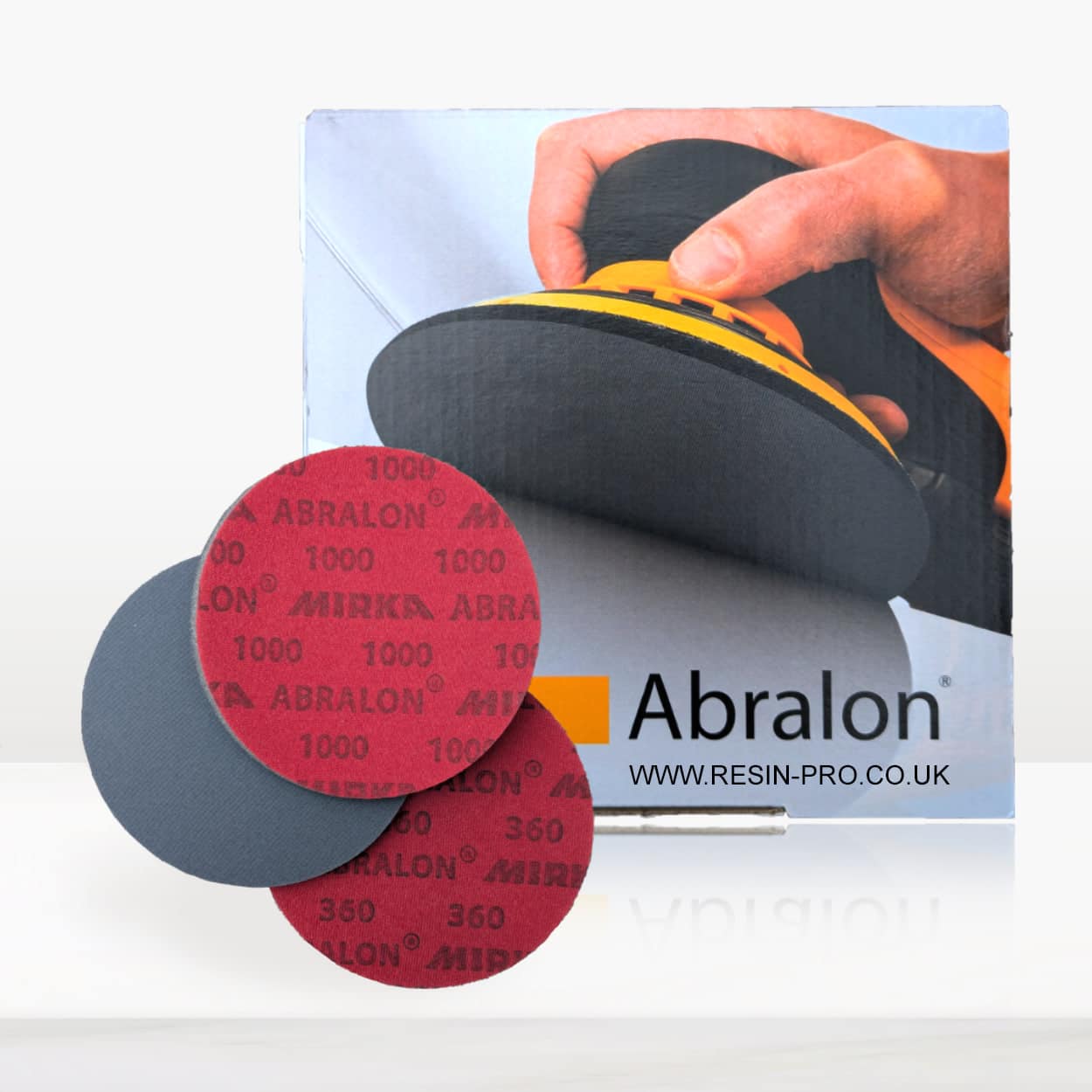 "Ebonite Abralon" – Sanding Pads 360-4000 Grit for Resin and Wood£4.15Ebonite Abralon Sanding Pads offer durable, versatile polishing options suitable for detailed finishing on resin and wood surfaces.
 Strong Technical Degreaser for Resin Projects – 100% Natural FormulaOriginal price was: £10.95.£9.45Current price is: £9.45.Strong Technical Degreaser is a gentle, natural cleaner suitable for epoxy resin projects and various surfaces in a repair context.
Frequently Asked Questions
Can I repair resin scratches without specialised products?
Basic repairs are possible, but specialised sanding pads and polishing compounds are recommended for the best finish and to prevent further damage.
What grit should I use on resin scratches?
Start with a fine grit pad, ideally 1000 to 2000, and finish with 4000 for the smoothest result on resin surfaces.
Do I have to polish after sanding resin?
Yes, polishing is essential to restore clarity and shine otherwise left matte by sanding.
Is Strong Technical Degreaser safe for frequent use?
Yes, it is 100% natural and dermatologically tested, making it safe for regular handling on resin and skin.
Can I use an electric polisher or by hand?
Both methods work, but an electric rotary polisher achieves faster, more consistent results, especially on larger boat surfaces.
Should I use wet or dry sanding for resin repair?
Wet sanding is preferable for resin as it minimises dust and provides a smoother finish.