 Free shipping on orders over £29,85
  Shipping Tracking!


 Google
 Facebook
How to resin a wooden table?
Step-by-step guide for flawless resin wood surfaces
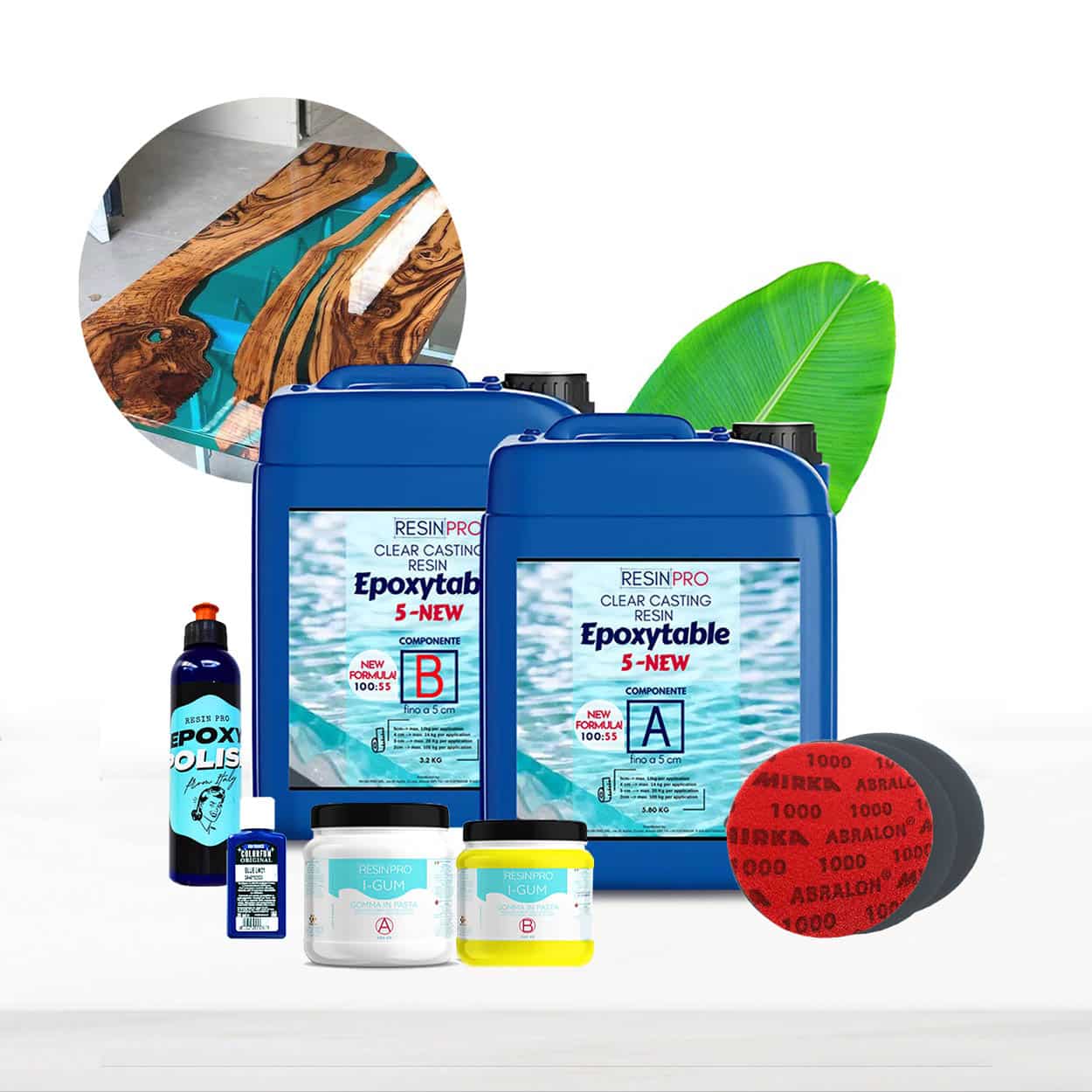
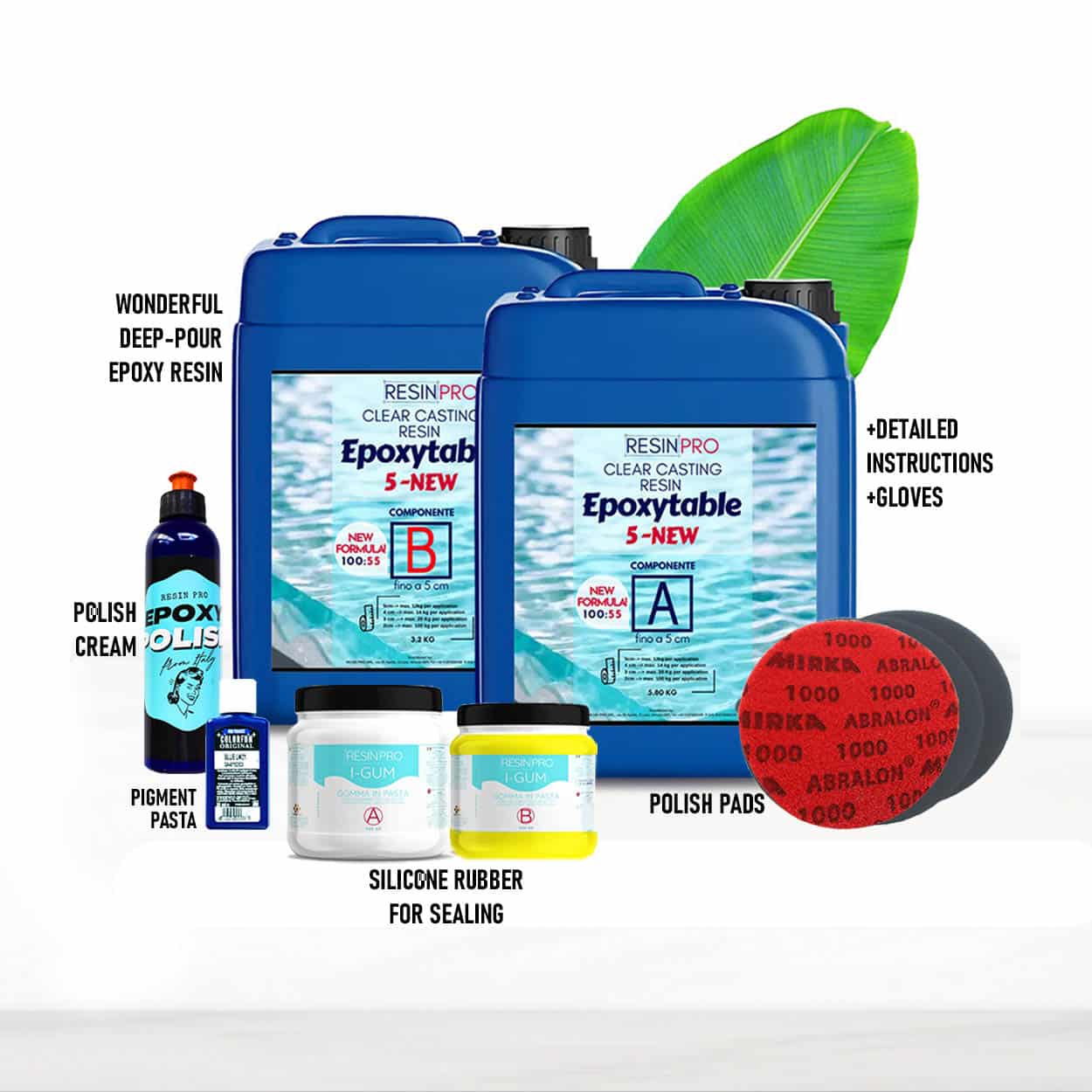
Transforming a wooden table with a clear, glossy resin finish is a rewarding project that can dramatically enhance both the look and durability of your furniture. This guide will walk you through the essential steps to resin a wooden table, covering preparation, application, curing, and finishing techniques for a professional result. Whether you’re refurbishing an old table or creating a unique piece from scratch, following best practices will ensure a stunning, long-lasting finish.
What You’ll Need
- “Trasparente” – Multipurpose Clear Epoxy Resin for Casting – Up to 2cm: Ideal for surface coating and thin pours on tabletops.
- “EpoxyTable 5-Five” – Deep Pour Epoxy Resin for Tables and Large Projects – Up to 5cm: Best for deep ‘river’ pours or filling wide gaps.
- “Epoxytable 10-Ten” – Deep Pour Epoxy Resin for Tables, Up to 10cm Casting: Suitable if your project requires extra-thick resin layers.
- Clean microfibre cloths, sandpaper, masking tape, protective gloves, mixing cups and stirring sticks.
- Face mask and eye protection for safety.

Visual Inspiration for Resin-Topped Wooden Tables
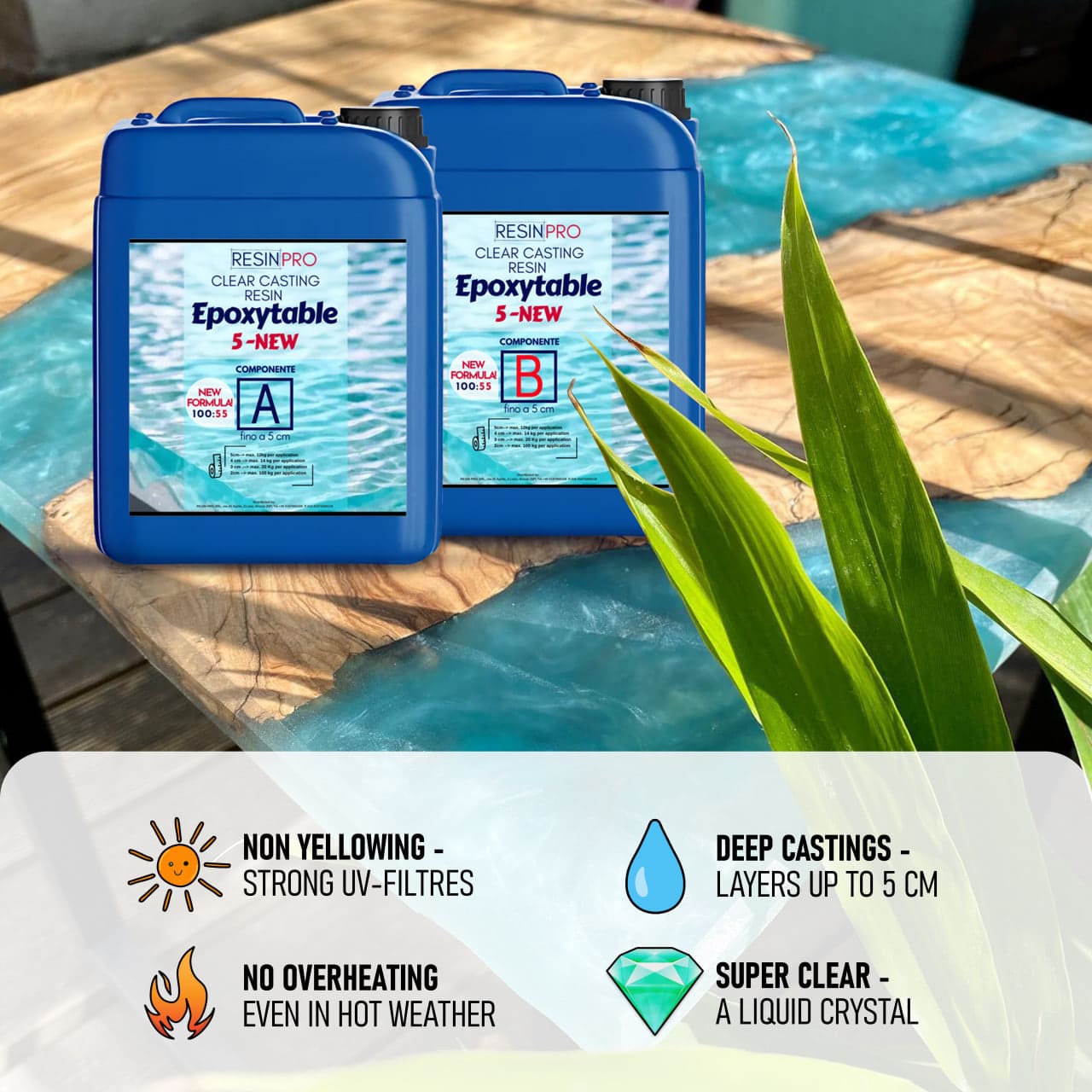
See stunning examples of resin-enhanced wooden tables and river table projects completed with clear and deep pour resins. Layered resin can transform wood into a functional work of art, offering endless creativity and strength for home or office interiors.
Step 1: Prepare the Wooden Table Surface
Proper surface preparation is essential. Begin by sanding the table surface to remove old finishes and create a smooth base. Progress from coarse to finer grits until the wood feels even and free from blemishes. Thoroughly clean the table with a microfibre cloth to remove all dust and debris, as any residue can affect resin bonding and clarity.
Take care to mask off the underside of the table’s edges if you want to prevent drips. Ensure the workspace is dust-free to avoid particles settling into your finish. Wear gloves and a mask, particularly if sanding for a prolonged period, to protect yourself from inhaling sawdust or resin particles.
Step 2: Seal the Wood and Protect Edges
Pure wooden surfaces are porous and may release air bubbles when covered in resin. To prevent this, pre-seal the surface with a thin layer of mixed resin—ideally using a product such as “Trasparente” – Multipurpose Clear Epoxy Resin for Casting – Up to 2cm for coatings and thin tables. Brush this layer over every exposed wood surface and allow it to cure according to product instructions. This primes the wood and reduces trapped air when you pour the main layer.
If you are creating a river table or have large voids, consider using high-quality masking tape or a temporary physical barrier to shape and contain the resin.

Step 3: Mix and Pour the Resin
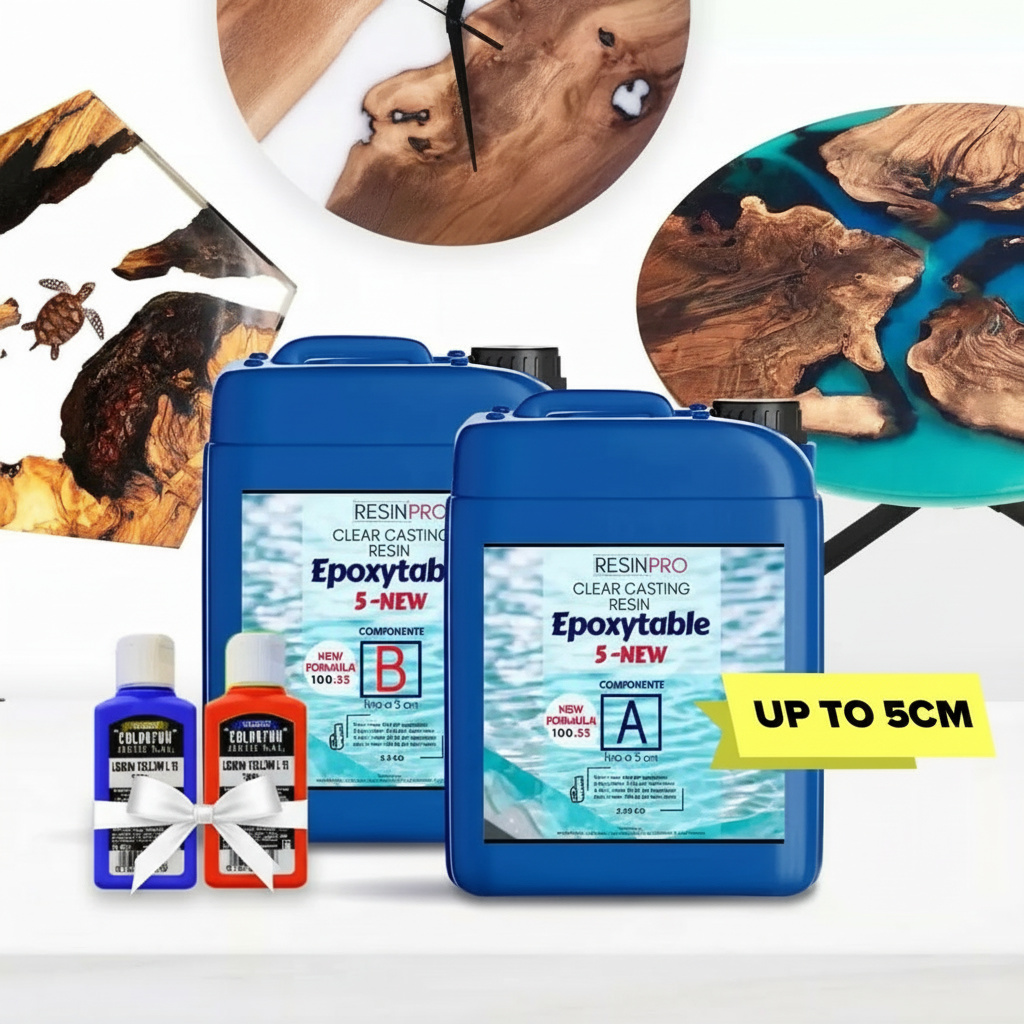
Measure your resin and hardener according to instructions, using accurate scales for correct ratios. Mix thoroughly and avoid whipping too much air into the mix. For projects up to 2cm thick, “Trasparente” – Multipurpose Clear Epoxy Resin is ideal. For pours of 2–5cm, use “EpoxyTable 5-Five” – Deep Pour Epoxy Resin; for projects up to 10cm, opt for “Epoxytable 10-Ten” – Deep Pour Epoxy Resin.
Pour resin in controlled stages for thicker layers, not exceeding recommended thickness per application. Slowly pour resin to reduce bubbles. Use a heat gun or torch sparingly to pop surface bubbles immediately after pouring.
Step 4: Allow Resin to Cure and Finish the Tabletop
Let the resin cure undisturbed, following cure times listed in the product guides. Avoid touching or moving the table during curing, as any vibration or dust can mar the finish. Room temperature and humidity can affect curing, so maintain stable conditions.
Once cured, if the surface is not as smooth or glossy as you desire, lightly sand with fine-grit wet/dry paper and polish as needed. For best results, you may use a polishing compound to restore high shine. Allow resin to cure fully before use to achieve maximum hardness and avoid marks.

Tips, Common Mistakes, and Troubleshooting
Work in a well-ventilated space and always wear protective equipment. Test a small patch if you are new to resin. Avoid pouring too quickly—multiple thin layers are often more successful than a single thick one. Address bubbles quickly using a heat gun just after pouring. If you encounter sticky or uneven areas, it might result from improper mixing; these may need to be removed and reapplied. Store your resin materials at stable room temperature for best results.
Techniques in Action: Pouring and Polishing Epoxy Resin
Watch how different resin types are mixed, poured, and finished for both simple coatings and dramatic river table effects. Careful application and curing produce a glasslike finish that protects and highlights natural wood grain.

- "River-Table" – Complete Kit for Creating Your First Epoxy Resin TablePrice range: £198.45 through £467.45"River-Table" kit includes epoxy resin and accessories with instructions to help create wooden and resin tables.
- "EpoxyTable 5-Five" – Deep Pour Epoxy Resin for Tables and Large Projects – Up to 5cmPrice range: £17.95 through £1,154.95EpoxyTable 5-Five is designed for deep pour resin work up to 5cm, suitable for wooden tables and large projects.
 “Epoxytable 10-Ten” – Deep Pour Epoxy Resin for Tables, Up to 10cm CastingPrice range: £35.95 through £351.95“Epoxytable 10-Ten” is designed for creating tables with deep pours up to 10cm, suitable for woodworking resin applications.
 "Trasparente" – Multipurpose Clear Epoxy Resin for Casting – Up to 2cmPrice range: £8.95 through £397.95"Trasparente" clear epoxy resin offers a self-levelling, ultra-clear finish up to 2cm thick, suitable for wooden table projects and DIY use.
Frequently Asked Questions
How do I choose the right resin thickness for my tabletop project?
For coatings up to 2cm use 'Trasparente', 2–5cm use EpoxyTable 5-Five, and up to 10cm with Epoxytable Ten.
Can I pour a deep resin layer all at once on a wooden table?
Thick layers should be poured using specialised deep pour resin and in stages if exceeding recommended depth.
What causes bubbles in poured resin and how can I reduce them?
Seal the wood first, mix slowly, and use a heat gun on the uncured surface to minimise bubbles.
What is the proper way to sand and polish a resin table?
Wet sand with fine grit paper then polish with a suitable compound to achieve a glasslike finish.
What should I do if the resin on my table remains tacky?
Sticky resin usually indicates improper mixing or ratio; remove sticky areas and reapply a new layer.
Can I apply resin on a table inside my home safely?
Yes, in a well-ventilated and dust-free area while wearing gloves and a mask for protection.
What’s the best way to clean mixing containers and sticks after a resin pour?
Wipe with paper before resin hardens or use isopropyl alcohol for best results.