 Free shipping on orders over £29,85
  Shipping Tracking!


 Google
 Facebook
How to resin motor mounts for boats?
Step-by-step guide to reinforcing and sealing motor mounts


Resining motor mounts is a crucial process for boat owners and marine technicians seeking to reinforce, seal, and extend the life of their craft’s engine supports. This practical guide will walk you through the steps needed to achieve strong, waterproof, and professional results—ensuring each motor mount stands up to the rigours of the marine environment.
What You’ll Need
- “Carbon Resin” – Epoxy Resin for Carbon Fiber & Fiberglass Coating – Epoxy resin for fibreglass and carbon fibre reinforcement
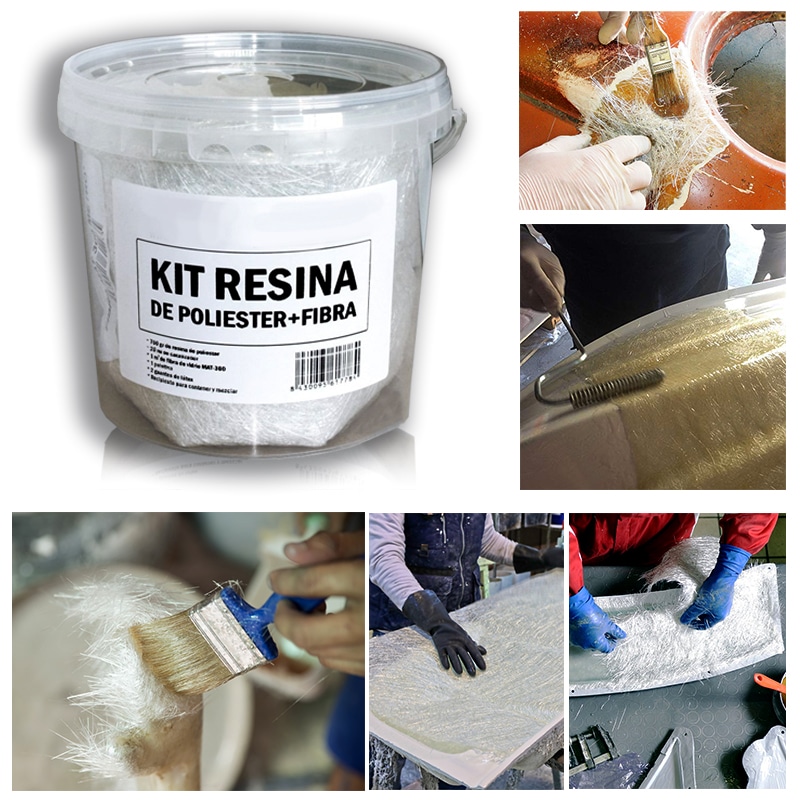
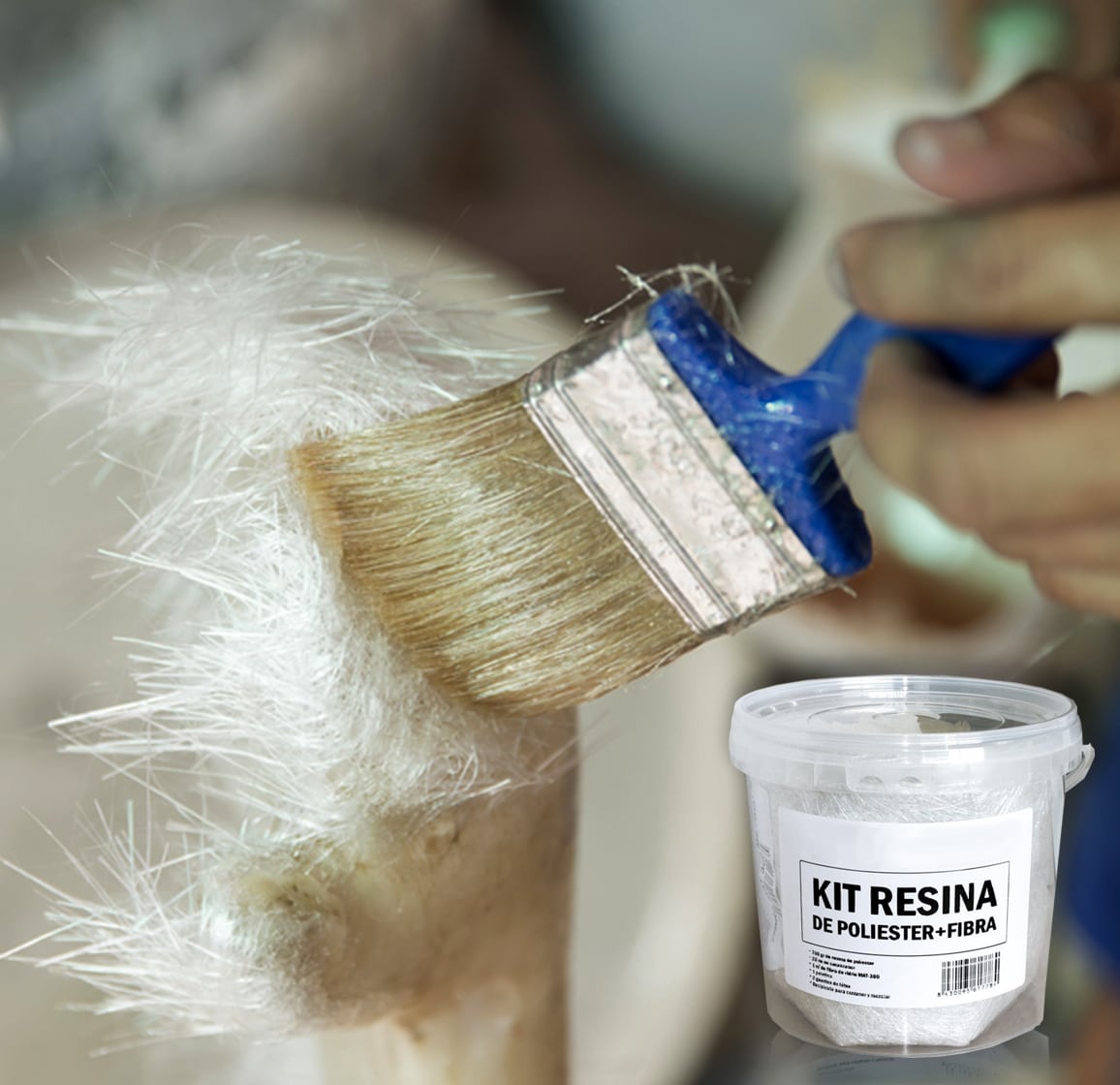
- Resin Fibreglass Repair Kit – Complete Polyester Resin and Hardener Set – Complete fibreglass repair solution
- “EpoxyWood” – Wood Restoration Epoxy Resin for Deep Penetration and Waterproofing – For treating and restoring wood components
- “Trasparente” – Multipurpose Clear Epoxy Resin for Casting – Up to 2cm – For clear casting or top-coating
- Protective gloves, abrasive pads or sandpaper, measuring containers, mixing sticks, clean brushes, and a dust-free workspace

Tools and Surface Preparation Tips
Assemble all materials and personal protective equipment before starting work to streamline your workflow. Ensure the workspace is well-ventilated to minimise inhalation of any fumes and maintain a consistent, dust-free environment throughout the process.

Step 1: Assess and Prepare the Surface
Inspect the motor mounts for existing damage, delamination, rot, or old coatings. Carefully remove the motor and any attached hardware as needed, keeping the workspace clean and dry. Thoroughly sand the surface using coarse abrasive pads to eliminate contaminants and provide grip for the new resin layer. Smooth, well-prepared surfaces are crucial for optimal structural integrity.
Wipe away dust with a lint-free cloth. If your mounts are wooden, ensure they are completely dry before continuing; water trapped in the fibres can compromise adhesion.
Step 2: Apply Primer or Base Resin
For wooden mounts, use a penetrating wood epoxy such as “EpoxyWood” – Wood Restoration Epoxy Resin for Deep Penetration and Waterproofing. Its low viscosity allows deep penetration into the wood, reinforcing internal structure and improving waterproofing. Mix according to product instructions and evenly brush over the prepared wooden surfaces, allowing time to soak in thoroughly.
On other substrates like fibreglass or carbon fibre, this step may be omitted or replaced with a suitable primer if required by the chosen resin system.
Step 3: Laminate with Fibreglass and Epoxy
Cut fibreglass mat or cloth to size, ensuring pieces will overlap each edge of the mount by a few centimetres. Mix “Carbon Resin” – Epoxy Resin for Carbon Fiber & Fiberglass Coating precisely as directed, avoiding air bubbles. Working quickly, apply a generous coat of resin to the motor mount, then lay on the first layer of fibreglass, pressing it into place with a clean brush or roller.
Add more resin as needed to fully impregnate the fabric, then repeat with additional layers for increased strength. Allow each layer to become tacky but not fully hardened before adding the next, as this bonds the laminate into a monolithic structure. For emergency repairs or where an all-in-one solution is needed, the Resin Fibreglass Repair Kit – Complete Polyester Resin and Hardener Set provides materials and instructions in one box.
Step 4: Finish and Cure the Composite
Once all layers are in place, inspect for dry patches or trapped bubbles, brushing on additional resin where needed. Use a fresh brush to ensure the final outermost layer is fully saturated and evenly smooth. If a decorative or fully waterproof topcoat is required, apply a thin, even coat of “Trasparente” – Multipurpose Clear Epoxy Resin for Casting – Up to 2cm after the structural laminates have set. This offers both clarity and extra environmental protection.
Allow the entire assembly to cure undisturbed according to product recommendations, ensuring you meet the full curing time before reinstalling the motor or exposing the mounts to load and weather.
Tips, Common Pitfalls, and Troubleshooting
Prioritise meticulous surface preparation, as any contamination or trapped moisture can weaken the final laminate. During lamination, work in small, manageable sections to prevent the resin from curing before you can spread it. Remove trapped air with a roller or brush for a strong, bubble-free bond.
Avoid excessive resin layers in one pass, as thick applications may not cure evenly and could trap air or sag. For wood, always ensure the substrate is both dry and sanded prior to application. Lastly, allow full curing as specified—resisting the urge to rush ensures maximum durability and safety at sea.
Best Practices for Marine-Grade Resin Work
Structural integrity and long-term performance depend on curing times and climate conditions—work at recommended room temperature and humidity levels. Store and transport cured mounts carefully until fully bonded for best results.

- "Carbon Resin" – Epoxy Resin for Carbon Fiber & Fiberglass CoatingPrice range: £19.95 through £37.95"Carbon Resin" is an epoxy resin designed for carbon fibre and fibreglass, suitable for smooth impregnation and a glossy finish.
- Resin Fibreglass Repair Kit – Complete Polyester Resin and Hardener SetResin Fibreglass Repair Kit offers a ready-to-use polyester resin and fibreglass mat set suitable for strong structural repairs.
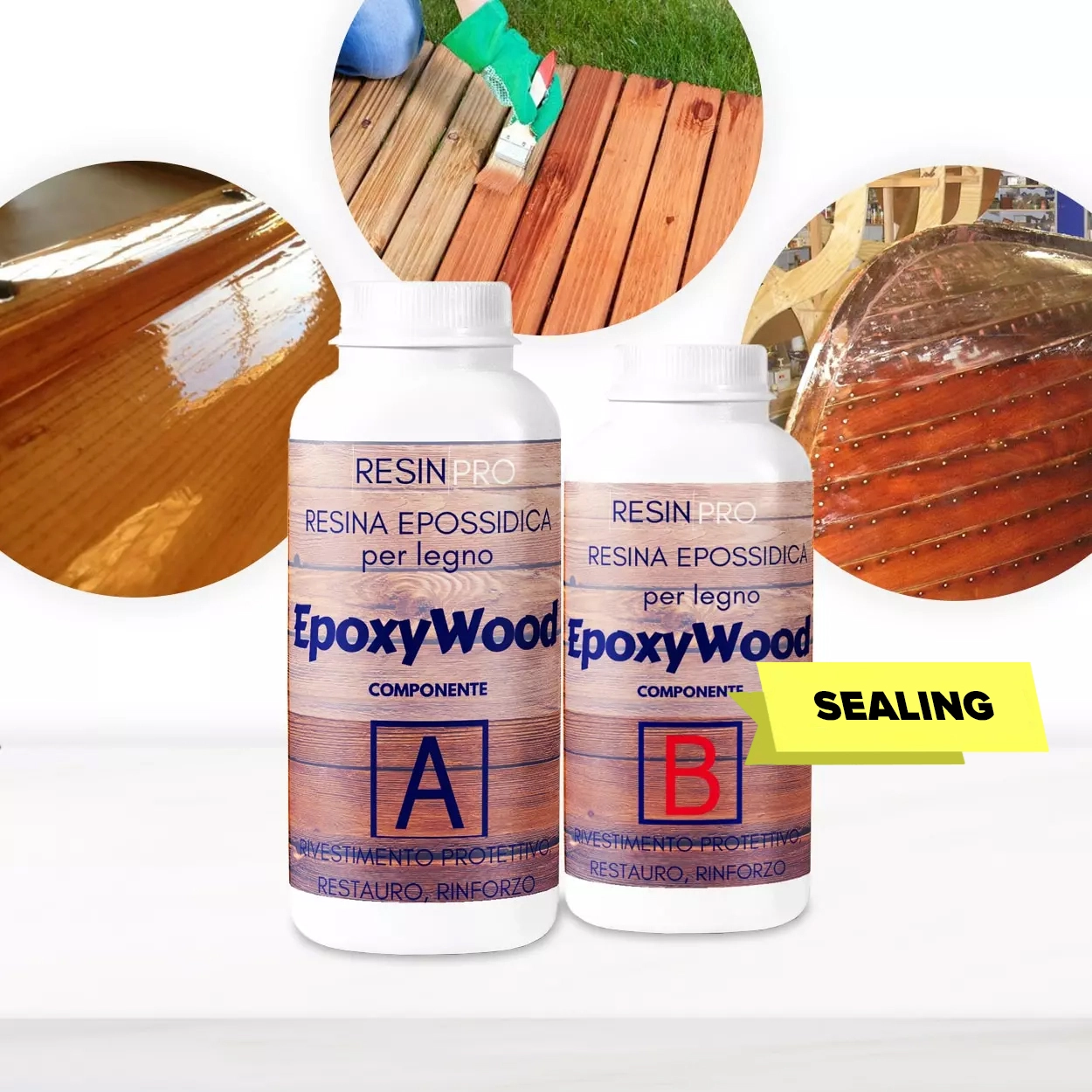 "EpoxyWood" – Wood Restoration Epoxy Resin for Deep Penetration and WaterproofingPrice range: £27.95 through £41.95EpoxyWood is designed for repairing and protecting wooden surfaces with deep penetration and waterproofing suitable for boat hulls.
 "Trasparente" – Multipurpose Clear Epoxy Resin for Casting – Up to 2cmPrice range: £8.95 through £397.95"Trasparente" is suitable for detailed resin casting up to 2cm thick, commonly used in woodworking and art projects.
Frequently Asked Questions
What is the best resin for laminating boat motor mounts?
Epoxy resins designed for carbon fibre and fibreglass, such as those with strong impregnation and curing at room temperature, offer superior strength and durability.
How long should I let resin cure on a motor mount?
Curing times depend on the resin used, but it's usually best to wait at least 24–48 hours before handling, and longer before placing under load or in water.
Can I apply resin over old paint or marine coatings?
It's recommended to fully remove old paint or coatings and sand back to clean, solid substrate for reliable adhesion.
Should I treat wood and fibreglass motor mounts differently?
Yes, wood benefits from deep-penetration epoxy for waterproofing. Fibreglass is best reinforced using suitable epoxy or polyester resins layered with fabric.
How do I prevent bubbles when resining motor mounts?
Work in thin layers and use a roller or brush to press out air, ensuring thorough impregnation of laminating fabrics.
Which product is best for emergency repair of motor mounts?
A complete fibreglass repair kit with resin, mat, and instructions is ideal for fast, structural repairs in marine settings.