 Free shipping on orders over £29,85
  Shipping Tracking!


 Google
 Facebook
How to resin seal the locking joints?
Step-by-step guide for waterproof, durable joint sealing

Sealing locking joints with resin is a tried and tested way to strengthen connections, prevent water ingress, and ensure long-lasting results across furniture, flooring, and joinery projects. Proper sealing keeps joints strong, extends their lifespan, and enhances their resistance against environmental factors. This guide will take you through each crucial stage—preparation, application, and curing—for flawless resin-sealed locking joints in any setting.
What You’ll Need
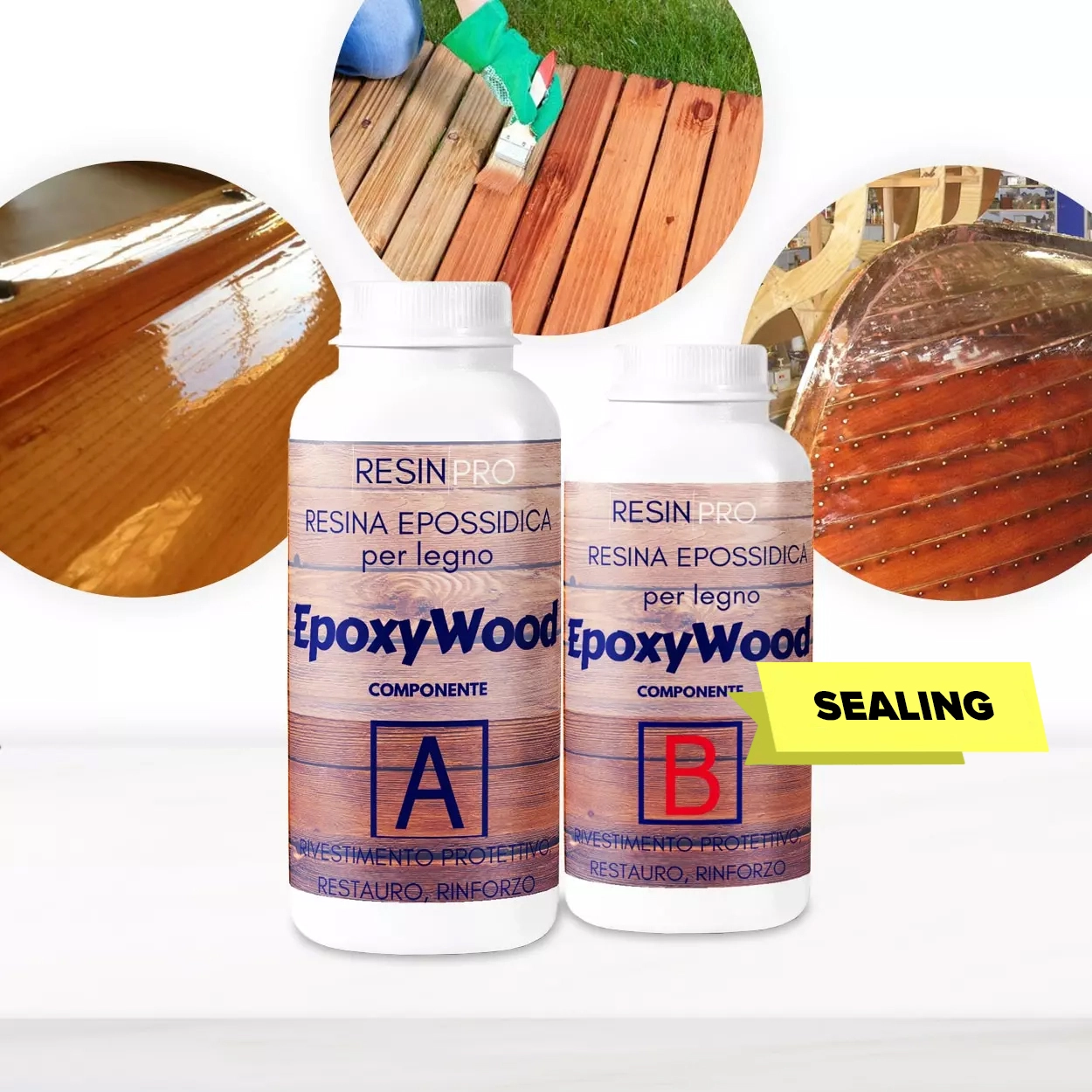
- “EpoxyWood” – Wood Restoration Epoxy Resin for Deep Penetration and Waterproofing: Ideal for deep penetration and waterproof reinforcement, especially on classic wood-to-wood joints.
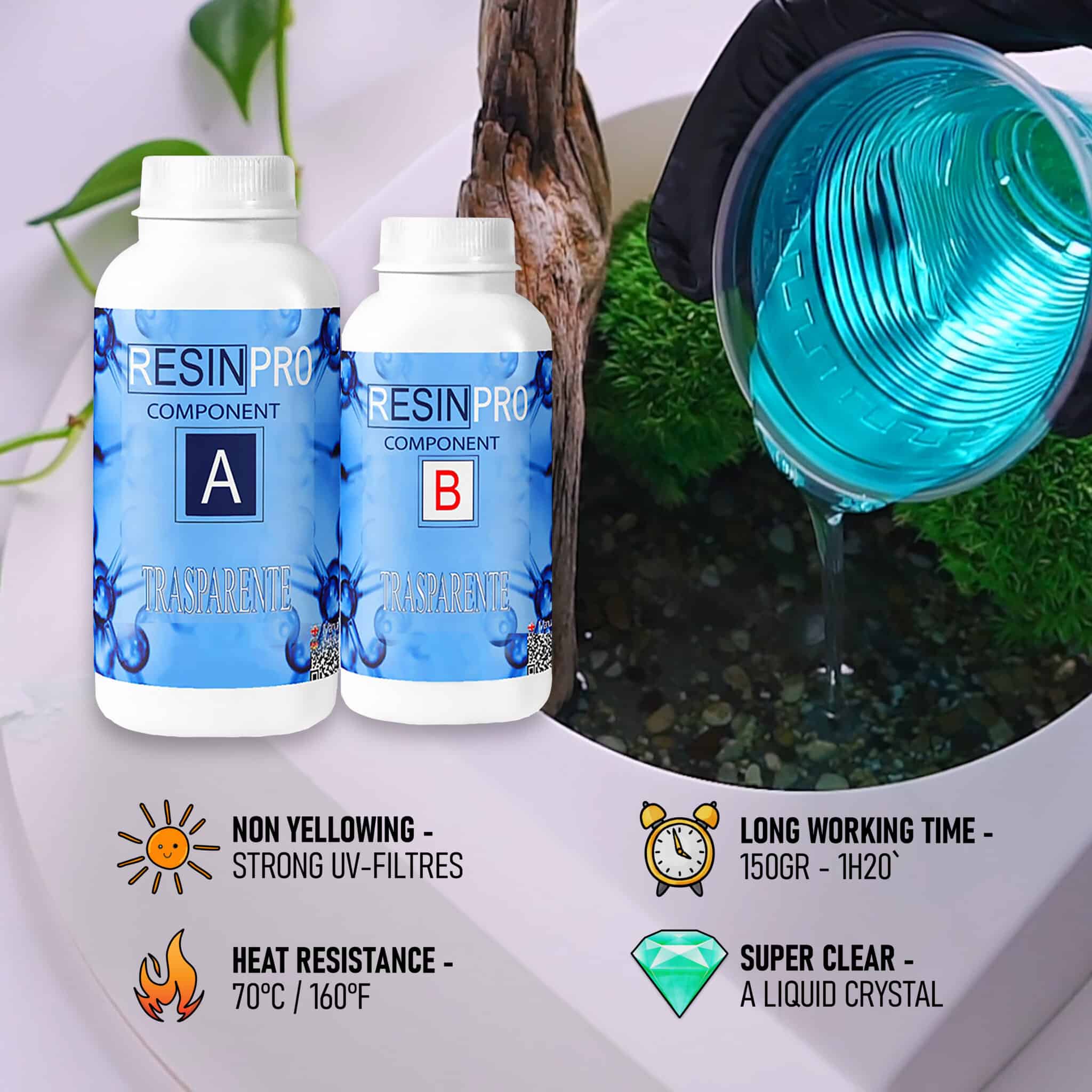
- “Trasparente” – Multipurpose Clear Epoxy Resin for Casting – Up to 2cm: Suitable for joints requiring clear, bubble-free finish up to 2cm thickness.
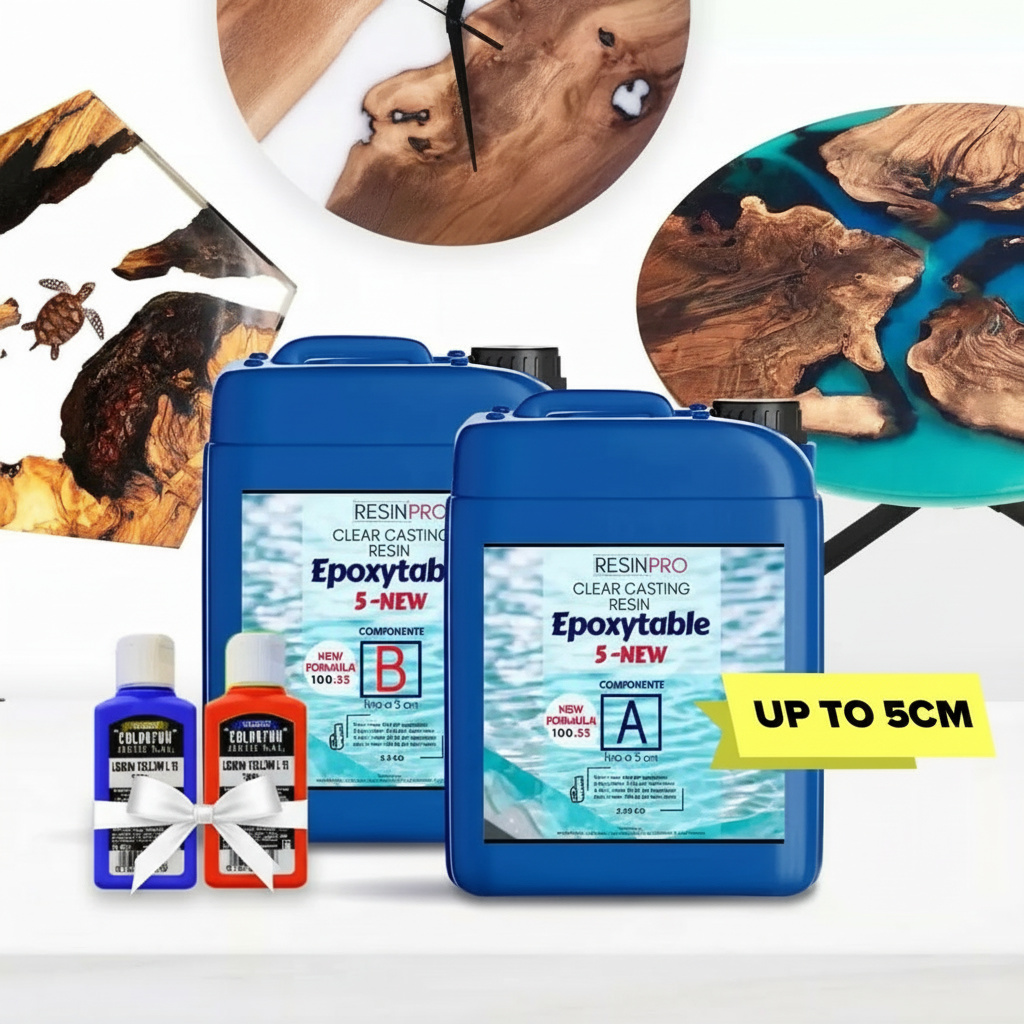
- “EpoxyTable 5-Five” – Deep Pour Epoxy Resin for Tables and Large Projects – Up to 5cm: For large, deep joints or chunky furniture sections up to 5cm depth.
- “Icrystal” – Clear Epoxy Resin – Odourless Formula – Up to 1.5cm: Perfect when indoor comfort and clarity are key, for shallow to mid-depth joints.
- Mixing sticks, gloves, and suitable containers for resin mixing
- Masking tape (to keep spills under control)
- Brush or syringe (for controlled application)
- Sandpaper (medium/fine grit, for prepping surfaces)
- Lint-free cloth
See Resin Joint Sealing in Action
Visualise step-by-step techniques for sealing locking joints so you can confidently replicate the process at home. Examples highlight surface prep, application, and mixing tips for professional results.

Step 1: Prepare the Locking Joints
Ensure the joints are completely dry and free of debris. Use medium/fine grit sandpaper to lightly abrade the joining faces and remove any old adhesives or coatings that may impede the bond. A clean, keyed surface greatly improves the resin’s ability to adhere and penetrate. Wipe away dust with a lint-free cloth. Proper preparation is the foundation of a successful resin seal, so don’t rush this stage.
Take extra care on intricate or irregularly shaped joints by using a brush to clear out dust from tight spaces. For furniture or joinery with existing finishes, a little extra sanding may be needed to expose bare wood or substrate.
Step 2: Mask and Protect Surrounding Areas
Use masking tape or barriers to prevent resin overflow along the edges and any adjacent finished surfaces. This allows you to work with confidence during application and makes clean-up much simpler afterwards.
For joints in situ—such as assembled flooring or frame constructions—consider using plastic sheets or cardboard to shield wider areas from accidental drips. Always double-check the boundaries before you begin mixing the resin.
Step 3: Mix the Resin Thoroughly
Mix your resin thoroughly and according to instructions provided by your chosen product. Accurate measuring ensures a proper chemical reaction while gentle mixing helps minimise air bubbles. For traditional wood joints, a deep-penetrating resin like “EpoxyWood” – Wood Restoration Epoxy Resin for Deep Penetration and Waterproofing is recommended to maximise structural reinforcement and waterproofing. For transparent finishes or non-wood surfaces, you may opt for “Icrystal” or “Trasparente” as appropriate for the joint depth.
Use the clean mixing sticks and containers reserved just for resin work. Avoid mixing more resin than you can apply within the resin’s pot life, and always wear gloves to protect your skin.

Step 4: Apply the Resin to the Joints
Apply resin slowly to allow deep penetration into the joint. For tight or narrow spaces, a syringe can offer greater control than a brush. Allow time for the resin to settle in, topping up if necessary to fill voids. Deep pour projects (such as large, blocky joints) should use a suitable deep-cast resin like “EpoxyTable 5-Five” – Deep Pour Epoxy Resin for Tables and Large Projects – Up to 5cm for best results. Thin or surface-level joints may benefit from an ultra-clear resin for a clean finish.
Inspect for bubbles—especially with thicker joints or if working in warm conditions. Use a fine brush or gentle heat (such as a heat gun on low) to coax bubbles to the surface before the resin starts to cure. Mark the joints if multiple pours are required for extra thickness.
Step 5: Finishing and Curing
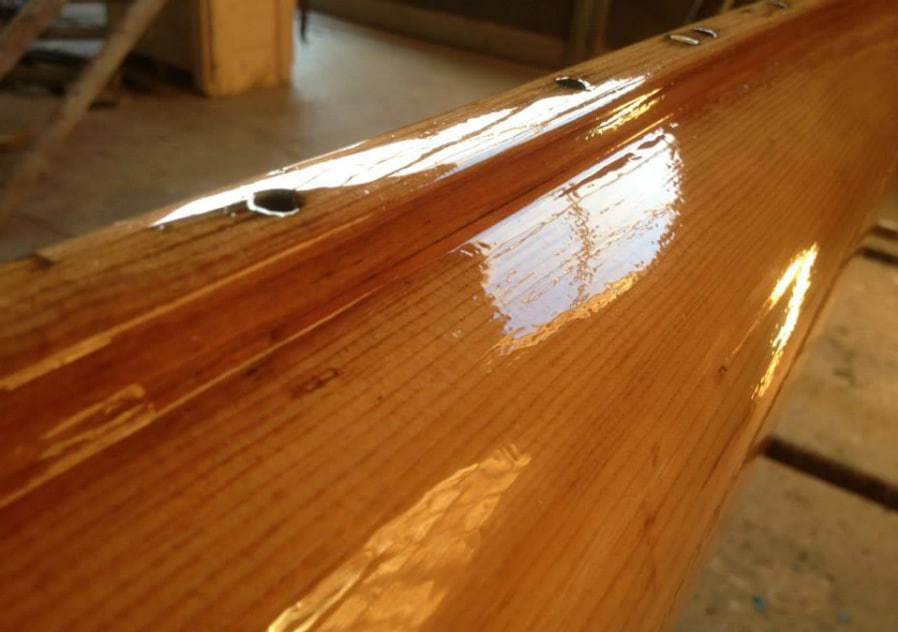
Remove excess resin for a flush finish using a brush or cloth while the resin is still workable. Keep the joint undisturbed during initial curing, and double-check masking tape for leakage. After the resin has cured as per the manufacturer’s guidelines, remove all tape and lightly sand any resin overflows for a seamless appearance. Thicker pours can be sanded and recoated if needed for extra durability or to correct any blemishes.
Allow full curing time before handling the joints—resist the urge to test or stress the connection prematurely. Full curing ensures maximum strength and waterproofing integrity for the locked joint.
Tips and Common Mistakes When Sealing Locking Joints
Prioritise good surface preparation: Most failures are due to sub-par cleaning or sanding. Dust, oil, or old adhesives can stop resin from adhering or penetrating.
Choose a resin appropriate for joint depth: Shallow joints suit low-viscosity or quick-curing formulas, while deep lock assemblies may require a dedicated deep-pour system. Always check product specifications before you start.
Avoid working in damp or very cold conditions, as moisture can lead to clouding or poor curing. Plan ahead for cure times, especially if the joint will bear weight.
Before and After: Locked Joints with Resin Sealing
Notice the transformation in strength and waterproofing when joints are properly resin-sealed. Side-by-side images showcase the difference careful preparation and product selection can make for your project’s durability.
- "EpoxyWood" – Wood Restoration Epoxy Resin for Deep Penetration and WaterproofingPrice range: £27.95 through £41.95"EpoxyWood" is designed for wood restoration with deep penetration and waterproofing, suited to sealing and reinforcing wooden surfaces.
- "Trasparente" – Multipurpose Clear Epoxy Resin for Casting – Up to 2cmPrice range: £8.95 through £397.95This clear epoxy resin suits detailed casting and woodworking projects with a self-levelling finish, supporting layers up to 2cm.
- "EpoxyTable 5-Five" – Deep Pour Epoxy Resin for Tables and Large Projects – Up to 5cmPrice range: £17.95 through £1,154.95"EpoxyTable 5-Five" is designed for deep pour projects like tables and large items, suitable for casting up to 5cm with good UV resistance.
 "Icrystal" – Clear Epoxy Resin – Odourless Formula – Up to 1.5cmPrice range: £12.45 through £341.45"Icrystal" is a transparent, odourless epoxy resin suitable for sealing with a clear finish on joints and surfaces.
Frequently Asked Questions
What is the best resin for sealing locking joints?
The best resin depends on the size and substrate of your joints. For wood, deep penetration epoxy like EpoxyWood is ideal.
Can epoxy be used on exterior locking joints?
Yes, provided the resin is rated for outdoor use and the joint is fully prepared and sealed to resist moisture.
How long does resin take to cure on locking joints?
Most resins need 24–48 hours for initial cure, but full strength is often achieved after 5–7 days depending on the product.
What are common mistakes to avoid when resin-sealing joints?
Poor surface prep, under-mixing parts, and applying resin in unsuitable temperatures are typical pitfalls.
Should joints be sanded before applying resin?
Yes, sanding increases surface area for better adhesion and allows the resin to penetrate deeply for a stronger seal.
Can resin improve the structural strength of locking joints?
Absolutely. Epoxy resins can reinforce and waterproof joints, especially in wood constructions.