 Free shipping on orders over £29,85
  Shipping Tracking!


 Google
 Facebook
How to restore a cement resin coating?
Revive and protect worn cement resin coatings with expert steps
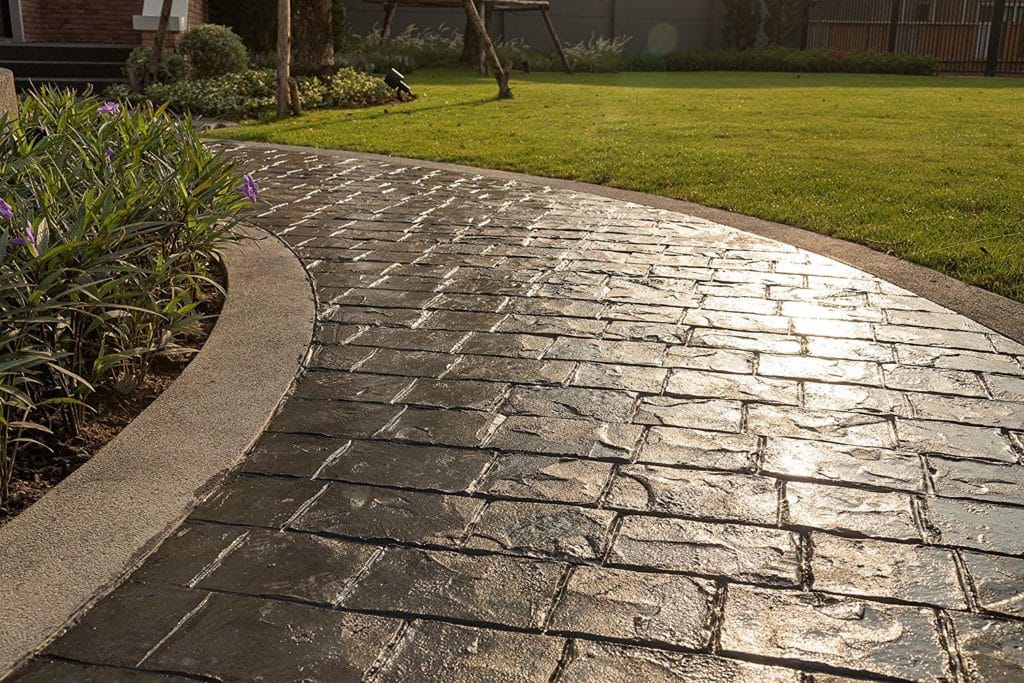
Restoring a cement resin coating is a practical and effective way to extend the life of your concrete floors, driveways, patios, or decorative surfaces. With the right approach, you can rejuvenate tired, worn, or damaged coatings—ensuring durability, renewed looks, and resistance to water or chemicals. Whether your project involves indoor floors or exterior concrete, following best practice guarantees professional results, even for DIYers.
What You’ll Need
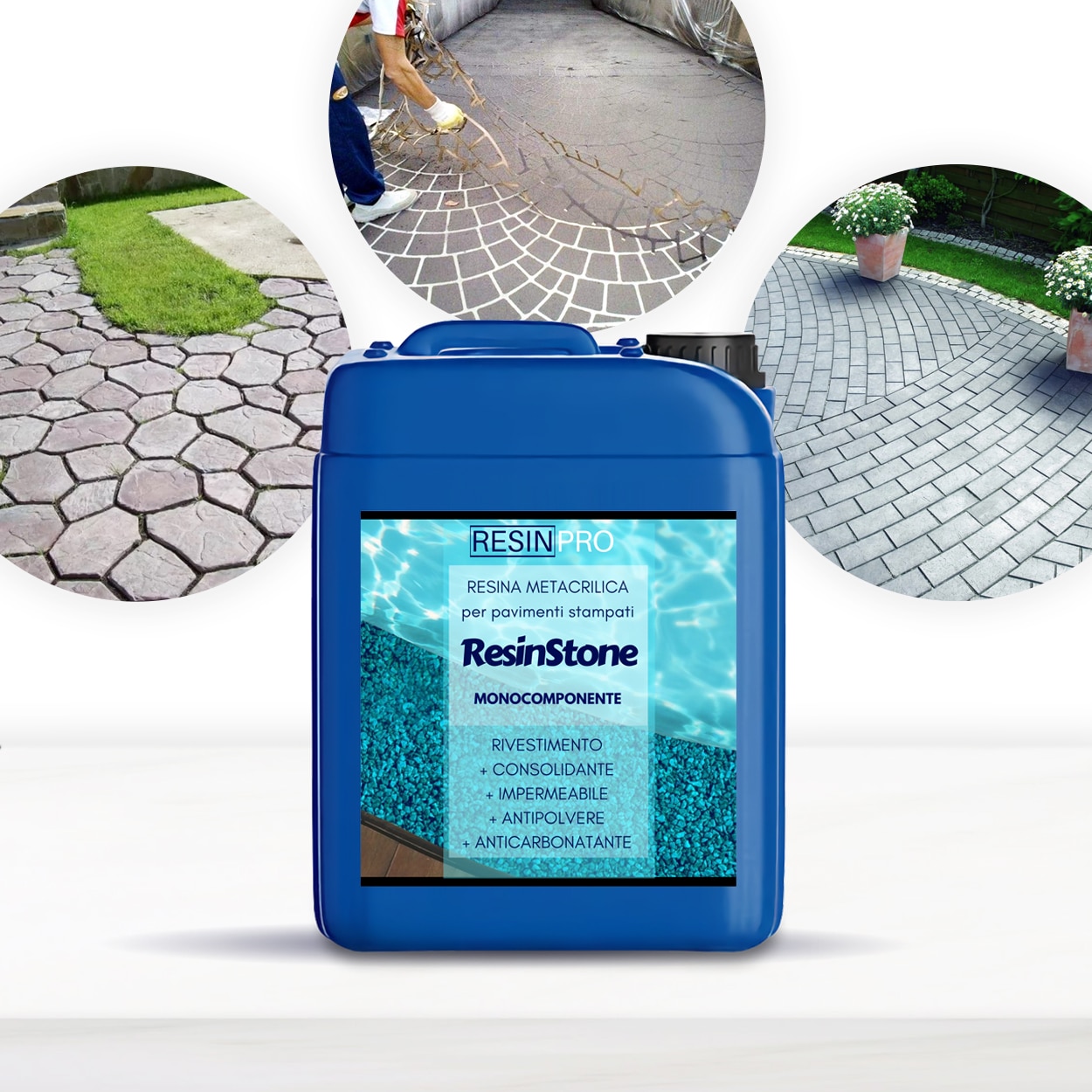
- “Resinstone” – One-Component Methacrylic Resin for Concrete Floors and Driveways: One-component resin for sealing and protecting concrete floors with breathable, durable protection.
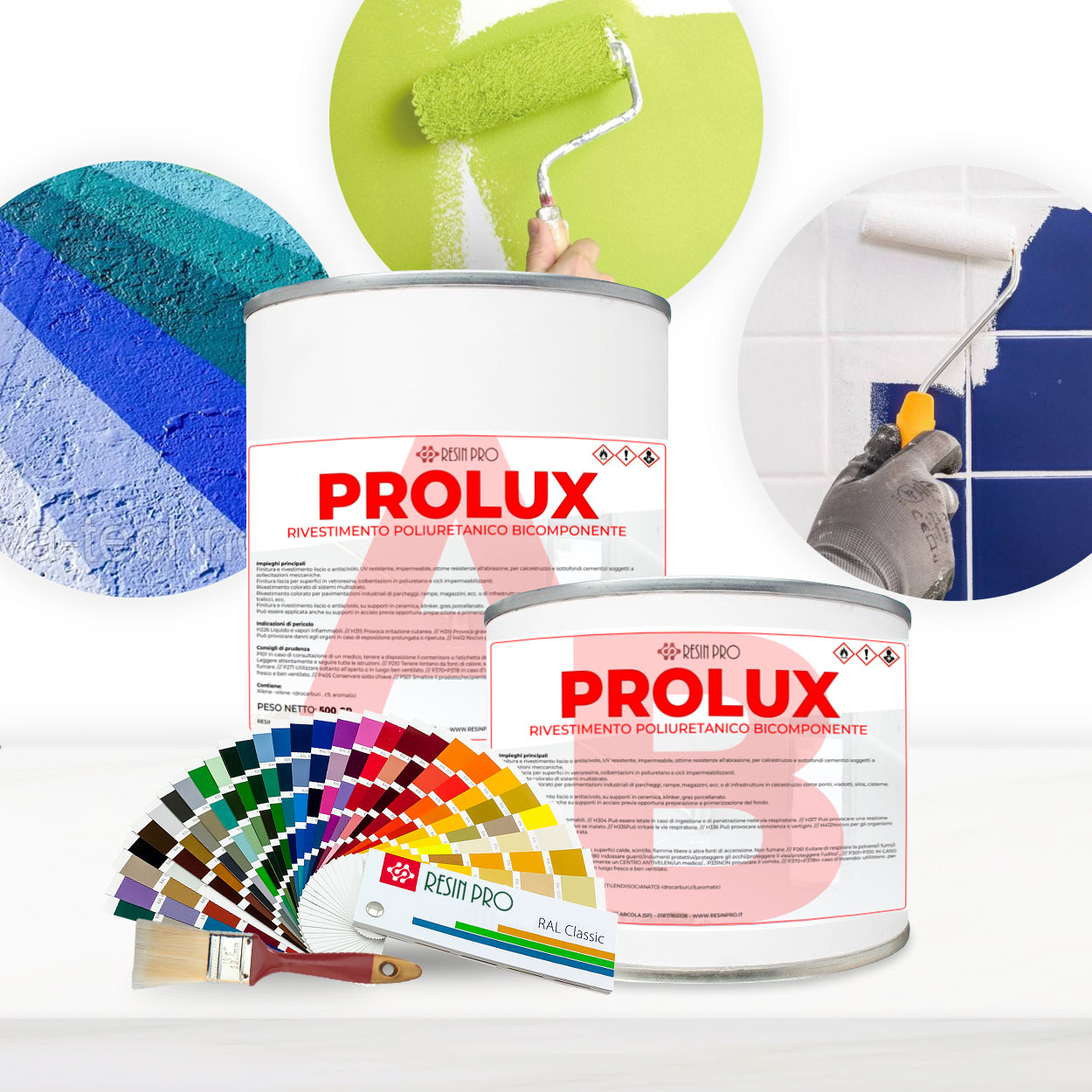
- “Prolux” – PU coating for tiles, concrete, plastic and metal – suitable for driveable surfaces: Polyurethane coating for robust, weather-resistant finishing on floors subject to heavy use.
- “Epoxy Polish” – Epoxy Resin Polishing System: Polishing compound to restore gloss and clarity to resin top layers.
- “Trasparente” – Epoxy Binder for Coloured Pebbles and Grits: For projects involving decorative pebble or grit-filled resin surfaces.
- Protective equipment: gloves, mask, and goggles
- Surface preparation tools: broom, hoover, and degreasing solution
- Rollers or brushes appropriate for resin application
- Polishing pads or rotary buffer (for finishing)

Essential Steps Before Applying Resin
Meticulous cleaning and preparation make all the difference when restoring cement resin coatings. Worn surfaces often hold dust, stains, or previous finishes. These must be removed for any new resin layer to properly bond, so invest time in assessment and cleaning prior to coating.
Step 1: Clean and Assess the Surface
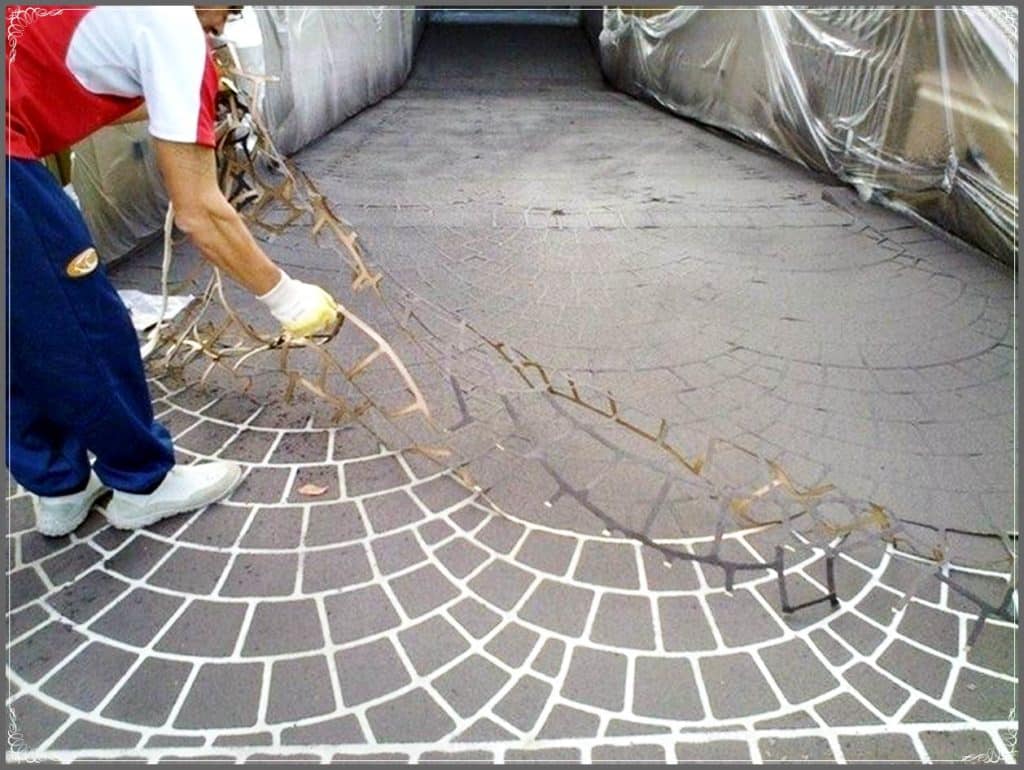
Begin by thoroughly removing loose dirt, dust, grease, and debris from the existing cement resin coating. Sweep and hoover the surface, then wash with a neutral, non-acidic degreasing solution. Let it dry completely. Inspect for cracks, delamination, or staining—these must be resolved before proceeding. Thorough surface preparation is essential for optimal resin adhesion and longevity.
If there are deep scratches, stains, or old coatings that have failed, these should be abraded using a sander or grinder to create a receptive, matte finish for the new resin layer. Never apply resin over contaminated or oily substrates, as this compromises the coating’s integrity.
Step 2: Repair Imperfections and Prime
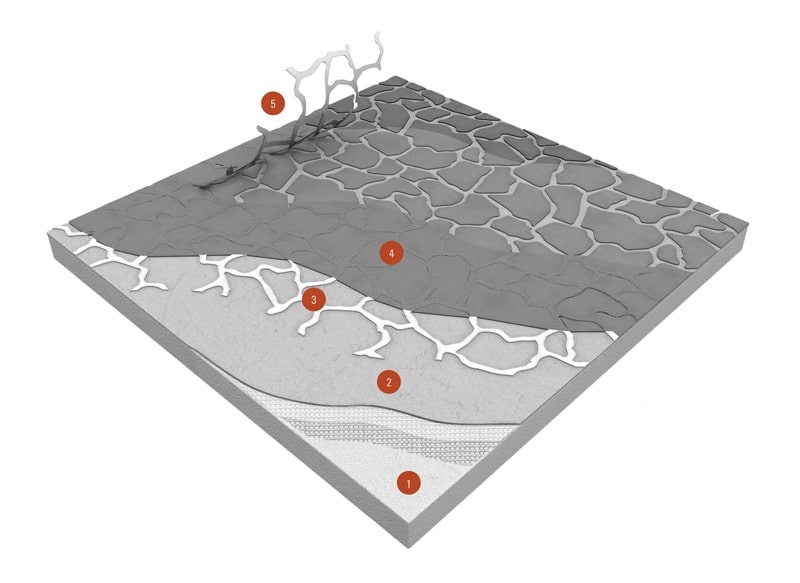
Fill chips, cracks, or holes with a compatible repair mortar or patching compound. Smaller surface imperfections should be smoothed out to avoid telegraphing through the final finish. Once repairs have cured, apply a suitable primer if recommended by your chosen resin system. This ensures a solid anchor for the new coating.
If your resin system advises direct application to concrete and the repair is level, you may skip dedicated primers—always follow the product guidance.
Step 3: Apply the Resin Coating
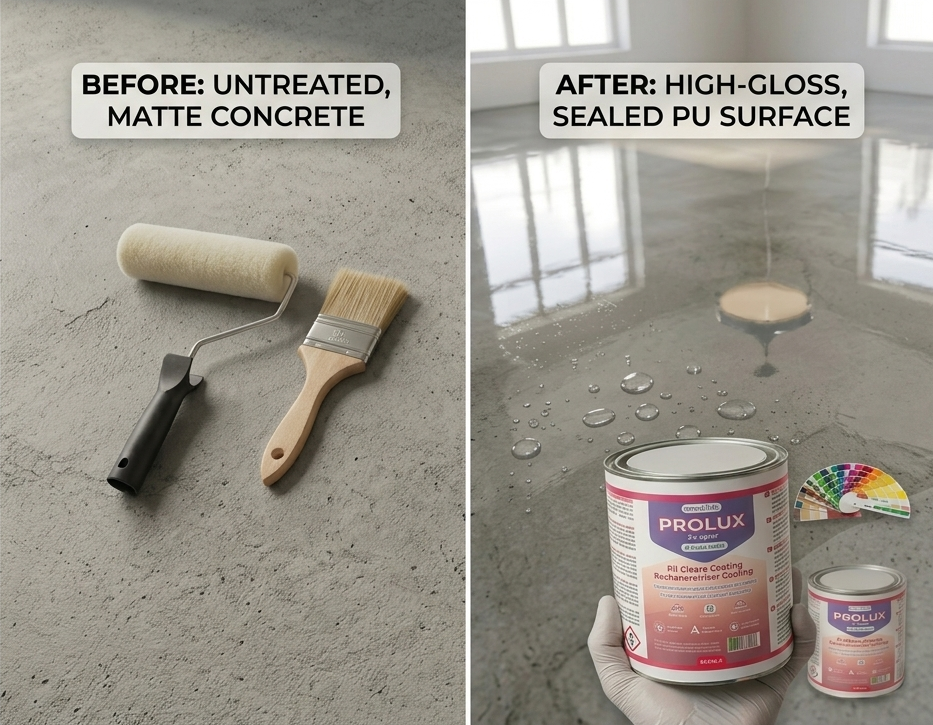
Select the resin best suited for your project’s demands. For breathable, durable concrete sealing, “Resinstone” is ideal—simply stir and roll or brush on in a uniform coat, following the manufacturer’s drying times. For areas needing higher abrasion resistance, such as driveways or commercial floors, choose “Prolux” Polyurethane Coating. Mix the two components in the specified ratio and apply evenly, allowing it to self-level and penetrate the surface.
To restore decorative pebble or grit-filled cement resin surfaces, use “Trasparente” Epoxy Binder mixed thoroughly with matching aggregate, then trowel onto the surface as needed. Allow each coating layer to cure fully before trafficking or adding further layers.
Step 4: Finish and Polish for Optimal Appearance
Once the resin coating has cured as per product instructions, assess the result. If you desire a glossy, mirror-like finish or need to remove fine imperfections, polish the resin using Epoxy Polish. Use a rotary buffer or hand-held pad in overlapping circles, progressing to a finer finish until the desired sheen is achieved.
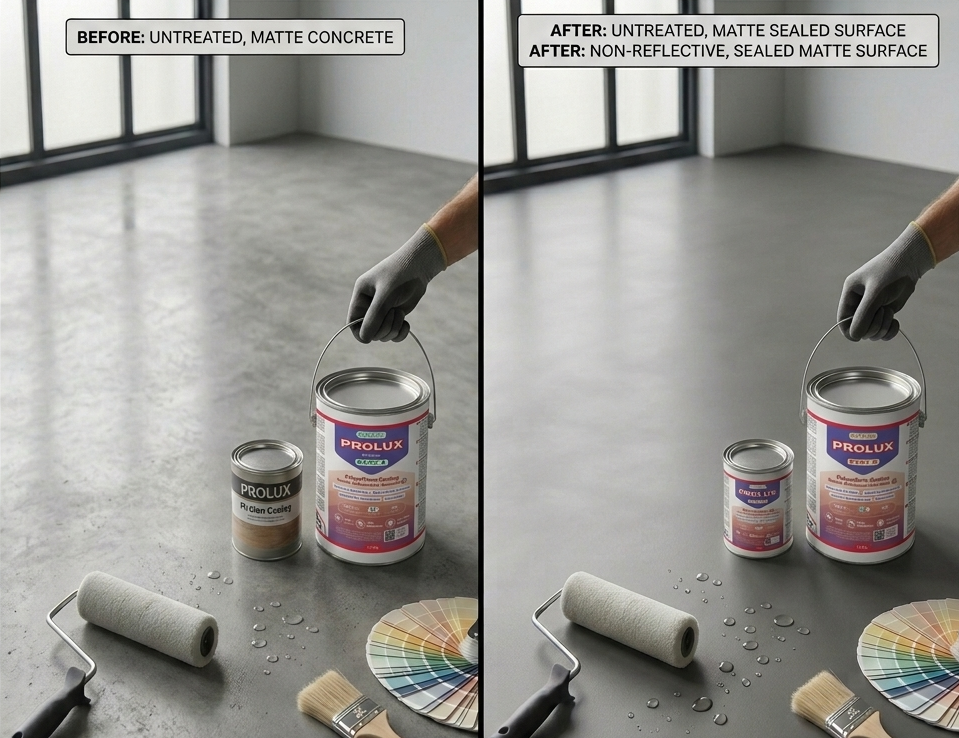
For slip resistance, consider adding fine aggregate to the final resin coat or choosing a satin finish resin where suitable. Sweep away any dust and ensure the space is well ventilated until all odours have dispersed.
Tips and Common Mistakes
- Choose the right resin for specific restoration needs: Use methacrylic for breathable sealing, polyurethane for high-traffic, and epoxy for decorative aggregates.
- Monitor environmental conditions: Ideal application temperature is typically 10–25°C, avoiding excess humidity or direct sunlight.
- Safety first – wear gloves, mask and eye protection during all stages of preparation, mixing, and application.
- Check for full cure prior to heavy traffic or placing objects on the new surface.
- If in doubt, test a small area using your chosen product before full-scale application.

Maintaining and Protecting Your Restored Surface
Once restored, regular cleaning with gentle detergents keeps your resin floor or path looking its best. Avoid harsh chemicals, address spills promptly, and quickly repair any signs of wear or damage to preserve the integrity of your resin coating for years to come.
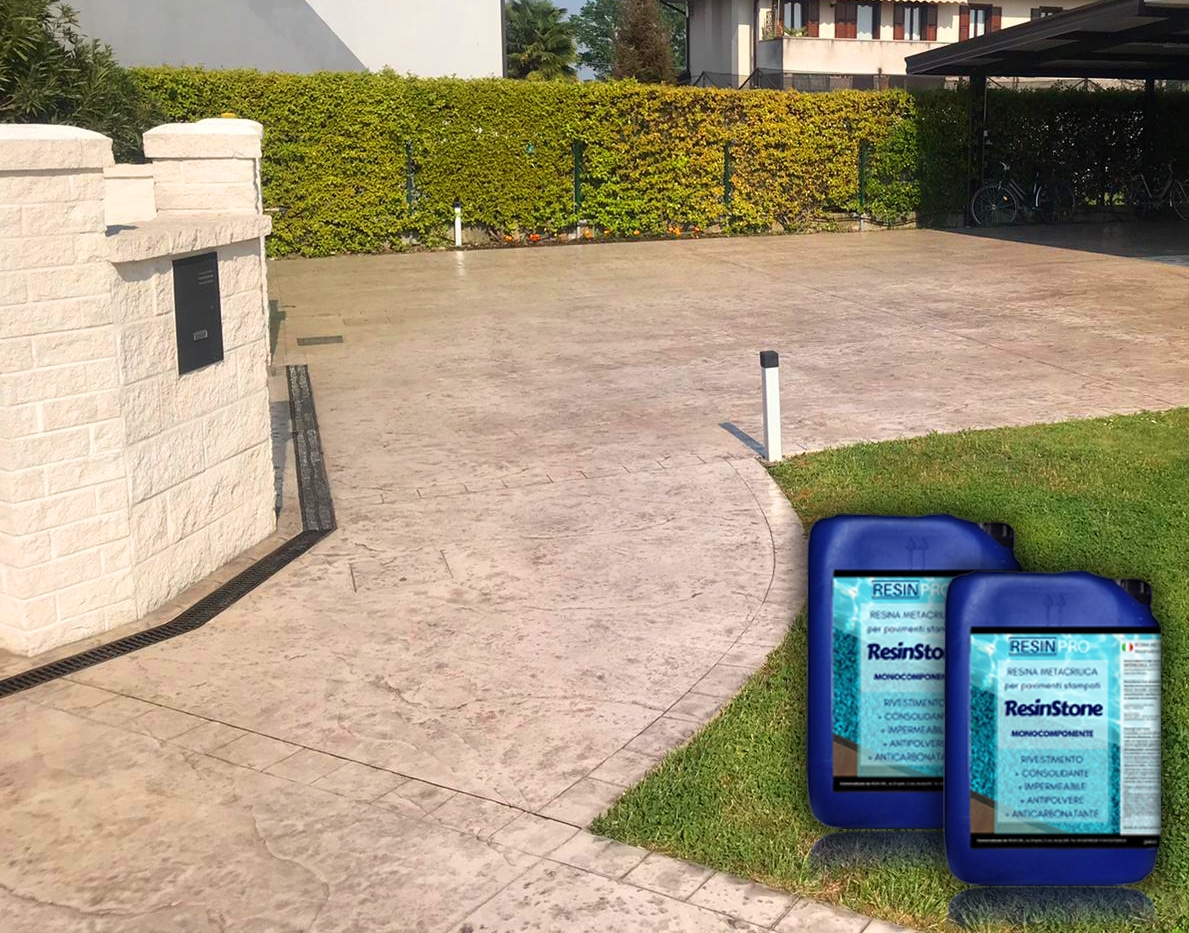
- "Resinstone" – One-Component Methacrylic Resin for Concrete Floors and DrivewaysPrice range: £36.71 through £336.48Resinstone is a one-component methacrylic resin designed for sealing and protecting concrete floors and driveways with durable, breathable protection.
- "Prolux" – PU coating for tiles, concrete, plastic and metal – suitable for driveable surfacesPrice range: £44.85 through £494.85"Prolux" provides an advanced polyurethane coating suitable for various surfaces with a durable finish under the theme on restoring cement resin…
- "Epoxy Polish" – Epoxy Resin Polishing SystemPrice range: £18.95 through £47.45An epoxy resin polishing system suitable for restoring surfaces to a glossy finish with ease.
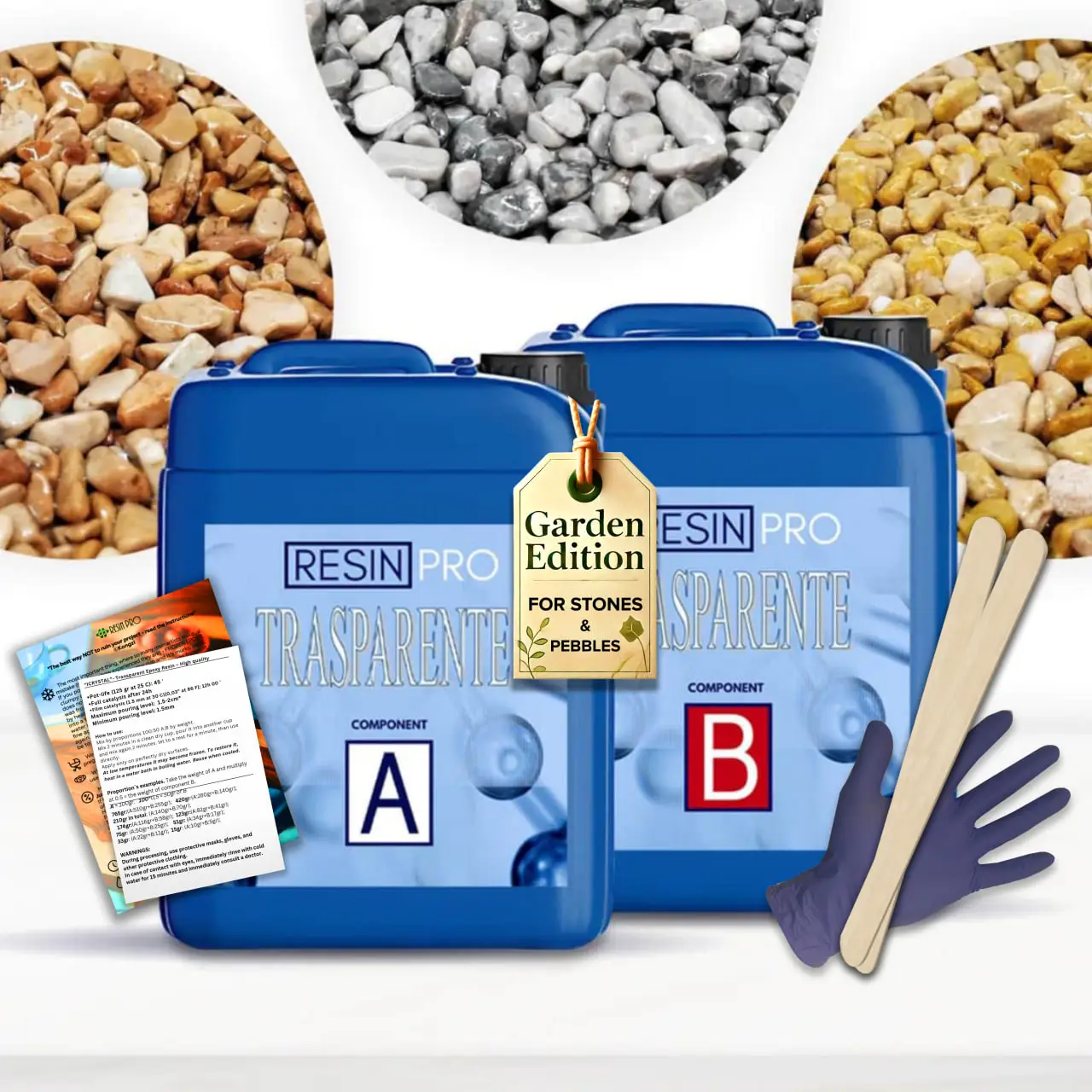 "Trasparente" – Epoxy Binder for Coloured Pebbles and GritsPrice range: £33.45 through £397.95"Trasparente" is a transparent epoxy binder suitable for coloured pebbles, providing a clear, UV-stable finish for driveways and paths.
Frequently Asked Questions
Can I apply new resin over old coatings?
Only if the old coating is well bonded, clean, and free from defects. Any loose or flaking sections must be removed before recoating.
How long should I wait before using the restored surface?
Most resin systems require 12–24 hours before light use and up to 72 hours for full mechanical and chemical resistance. Always follow the product’s guidelines.
What if there are cracks in the old coating?
Cracks should always be filled and repaired prior to applying new resin for best finish and long-term durability.
Should I use methacrylic, PU, or epoxy?
Choose methacrylic for breathability, PU for high-traffic and weather resistance, and epoxy where decorative aggregate binding is needed.
Can resin coatings be made non-slip?
Yes, non-slip finishes can be achieved by adding fine aggregate or selecting a matt resin topcoat during application.
Is professional help needed for restoration?
Small to medium projects can be DIY-friendly with the right products and preparation. Seek professional advice for large or complex areas.