 Free shipping on orders over £29,85
  Shipping Tracking!


 Google
 Facebook
← Back to How do you create a 3D wall using resin?
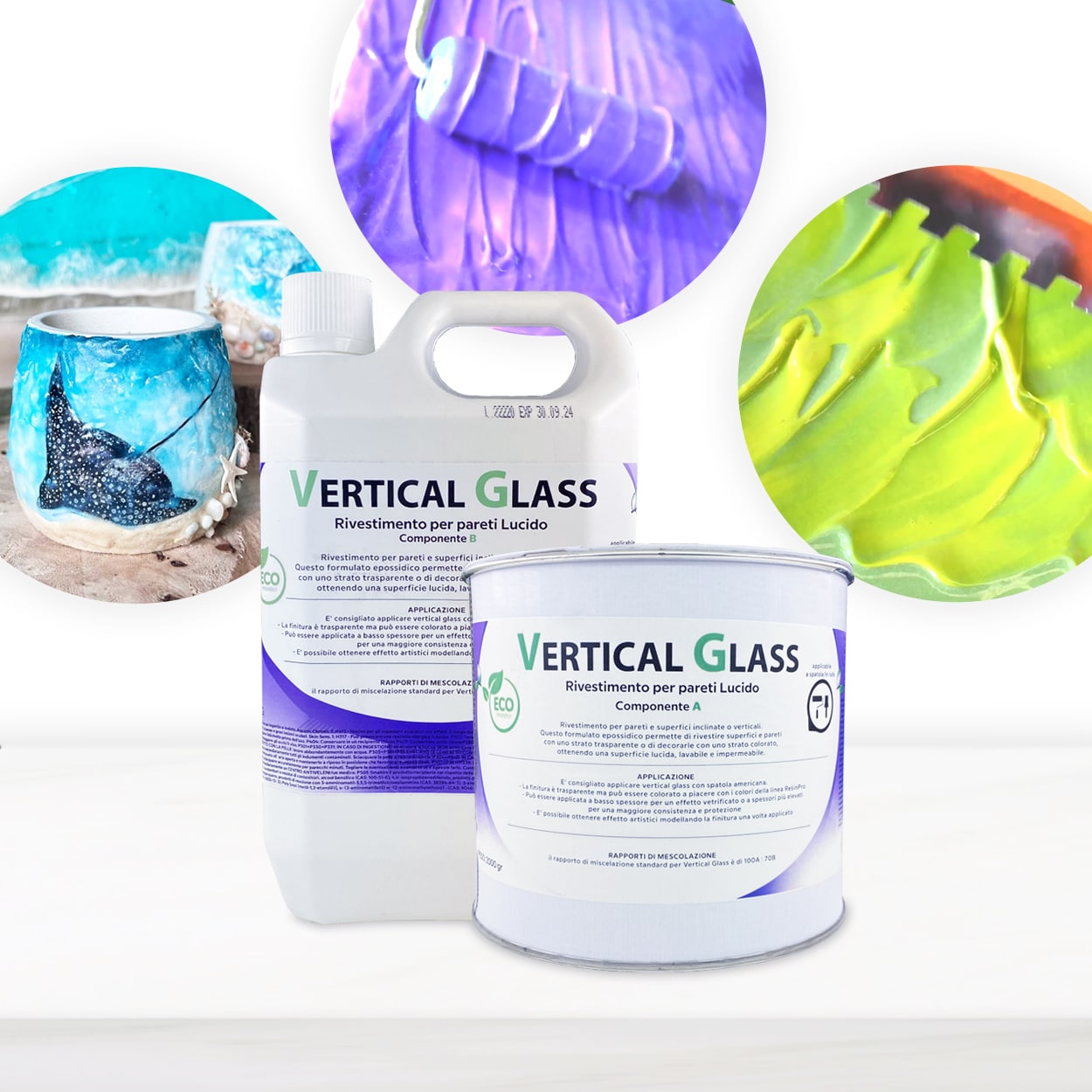
Epoxy resin can transform ordinary walls with vibrant textures and striking designs, but safety is paramount whenever you’re working with these potent materials. Here’s how to protect yourself and ensure professional results every time.
Personal Protective Equipment (PPE)
Always start with the right safety gear. Wear nitrile gloves to prevent skin contact, and choose safety goggles or a face shield to protect your eyes from splashes or airborne resin droplets. Cover exposed skin with long sleeves and consider a disposable apron for added protection—epoxy can be stubborn to remove from clothing.
Ventilation and Workspace Preparation
Work in a well-ventilated area—open windows or use extraction fans where possible. Some epoxy formulations can give off fumes that may cause discomfort or irritation. Organise your workspace to avoid distractions and spills. Lay down protective sheets on nearby surfaces to catch drips and make clean-up straightforward.
Safe Mixing and Application
Carefully read and follow the product’s mixing instructions for the correct ratios and curing times to avoid mishaps. Pre-measure components to keep things simple. When applying epoxy resin to walls, opt for a non-self-levelling formula such as Vertical Glass to maintain control and prevent runs or drips on vertical surfaces.
When This Matters
- If you’re working in confined spaces or on large wall panels, proper ventilation and thorough PPE use become even more critical to minimise exposure.
- Projects in kitchens, bathrooms, or busy areas require special attention to safety to protect both you and anyone nearby.
Related products
Related guides
Staying safe means you can focus on creativity and achieve flawless, decorative epoxy finishes for your 3D wall projects. For more on designing unique vertical surfaces, see our full guide on how to create a 3D wall using resin.