 Free shipping on orders over £29,85
  Shipping Tracking!


 Google
 Facebook
← Back to Is it possible to embed a photograph in resin?
Sealing your photographs before embedding them in resin is crucial to preserve image quality and prevent ink smudging. Whether you’re creating keepsakes, jewellery, or art, proper preparation ensures a lasting result.
Why Sealing Matters for Resin Casting
Photographs, especially inkjet prints, can react to resin’s liquid components, often leading to ink bleed or blurring. Sealing forms a protective barrier, keeping the image sharp and vibrant when encased in clear resin.


Recommended Sealing Methods
- Inkjet photos: Always seal with a clear acrylic lacquer spray. Hold the spray at an appropriate distance, apply light coats, and allow each layer to dry thoroughly. This step minimises the risk of ink bleeding when resin is poured.
- Laser prints: These are generally more resistant and may be embedded directly, provided they are fully dry. However, a light spray of acrylic lacquer adds extra protection, particularly for detailed or valuable images.
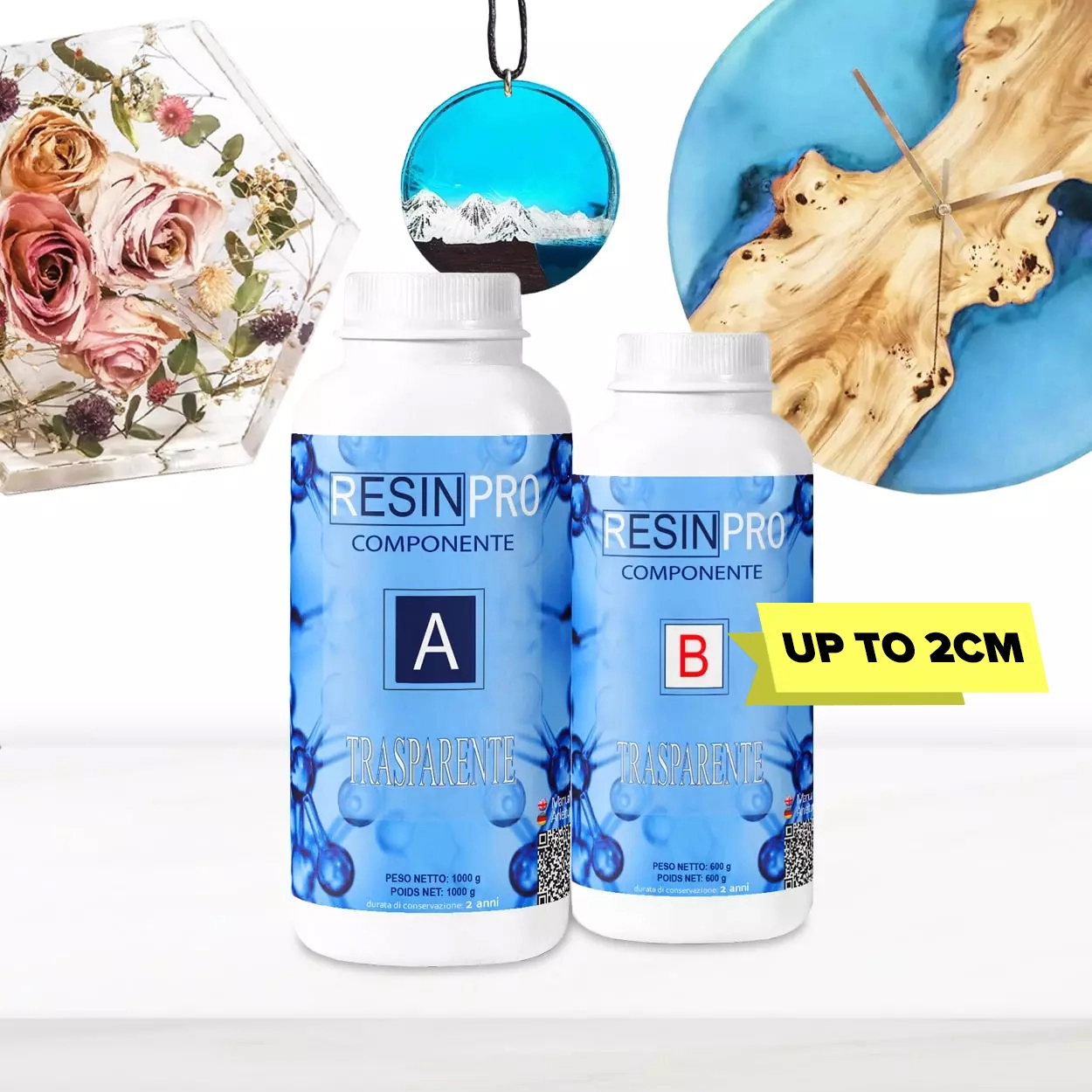
Before embedding, ensure the photo is completely dry and free of dust. Position it in your mould before pouring resin to achieve the best finish. For larger projects or keepsakes, consider a quality resin such as the “Trasparente” Epoxy Resin, known for its clarity and suitability for embedding objects.
When Proper Sealing Matters Most
Sealing is essential when using uncoated paper, inkjet prints, or valuable photographs. Humidity or poor sealing can spoil your piece, so taking time with this process is particularly important for sentimental projects.

Related products
Related guides
Mastering the sealing technique prepares your photographs for resin work, ensuring beautiful, professional results. Explore our full guide on embedding photographs in resin to make your keepsake projects a success.