 Free shipping on orders over £29,85
  Shipping Tracking!


 Google
 Facebook
← Back to How to build a nightstand with decoration and epoxy resin?
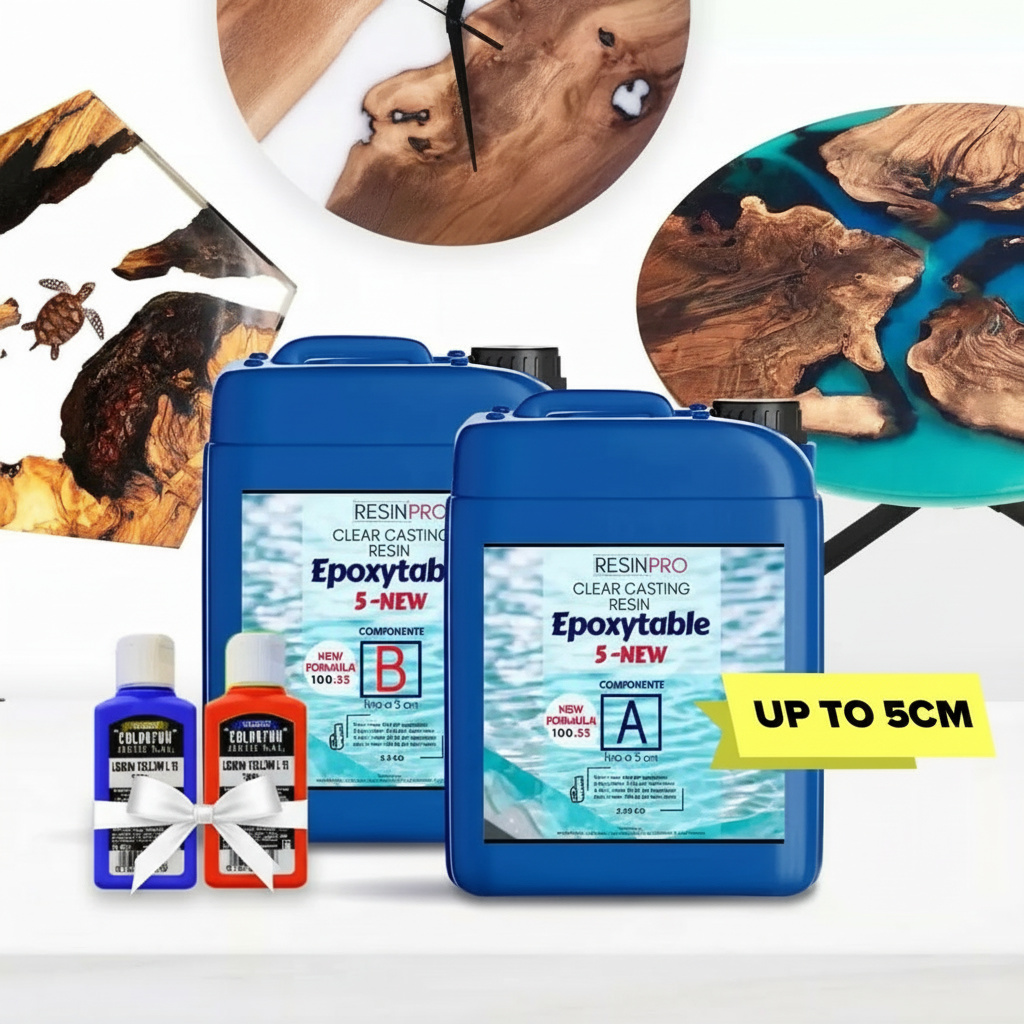
Properly sealing wood before applying epoxy resin is a crucial step in any decorative furniture project, including nightstands. A well-sealed surface prevents bubbles and ensures a flawless, consistent finish.
Why seal wood before epoxy?
Wood is naturally porous and, when left unsealed, can release air (outgassing) during the epoxy curing process. This trapped air leads to unsightly bubbles and imperfections on your finished piece. Sealing the wood creates a barrier, helping resin spread smoothly and ensuring clarity in both decorative and functional applications.
Methods for sealing wood
There are two reliable techniques commonly used for sealing wood prior to your main epoxy pour:
- Wood primer: Applying a suitable wood primer is a traditional approach that fills pores and stabilises the surface. Let the primer fully cure before moving to the next step.
- Thin epoxy coat: Brushing on a very thin layer of epoxy resin acts as a seal coat. Focus on working the resin into the surface and edges, allowing it to penetrate before letting it cure completely. After curing, lightly sand any raised grain before proceeding with the main pour.
If you are using an MDF board, like the MDF Board Base, these methods will help reduce the risk of unwanted reactions and ensure your epoxy sticks evenly.
When this matters
Sealing is especially important with woods known to release oils or air, or when using deep pour epoxy products such as EpoxyTable 5-Five. Whether working on a simple nightstand or a more elaborate river table, a good seal ensures pristine results and helps prevent costly rework.
Related products
Related guides
Taking the time to properly seal wood before epoxy application sets the foundation for beautiful, long-lasting nightstands and other resin-wood creations. For further details on building and decorating nightstands with resin, see our main guide on how to build a nightstand with decoration and epoxy resin.