 Free shipping on orders over £29,85
  Shipping Tracking!


 Google
 Facebook
← Back to How to use resin to build a guitar?


Properly sealing timber before pouring resin is vital for guitar projects. This step prevents bubbles and ensures a glass-clear finish, allowing your guitar to shine with both beauty and resilience.
Why Sealing Is Crucial for Resin Guitar Projects
Timber naturally contains pores and microgaps that can release air during resin application, causing bubbles or cloudiness. By sealing the wood with a purpose-made deep-penetrating epoxy such as EpoxyWood, you block these pores, preventing air entrapment and promoting a flawless bond between timber and resin. This creates a foundation to support the resin’s clarity and structural strength within intricate guitar builds.
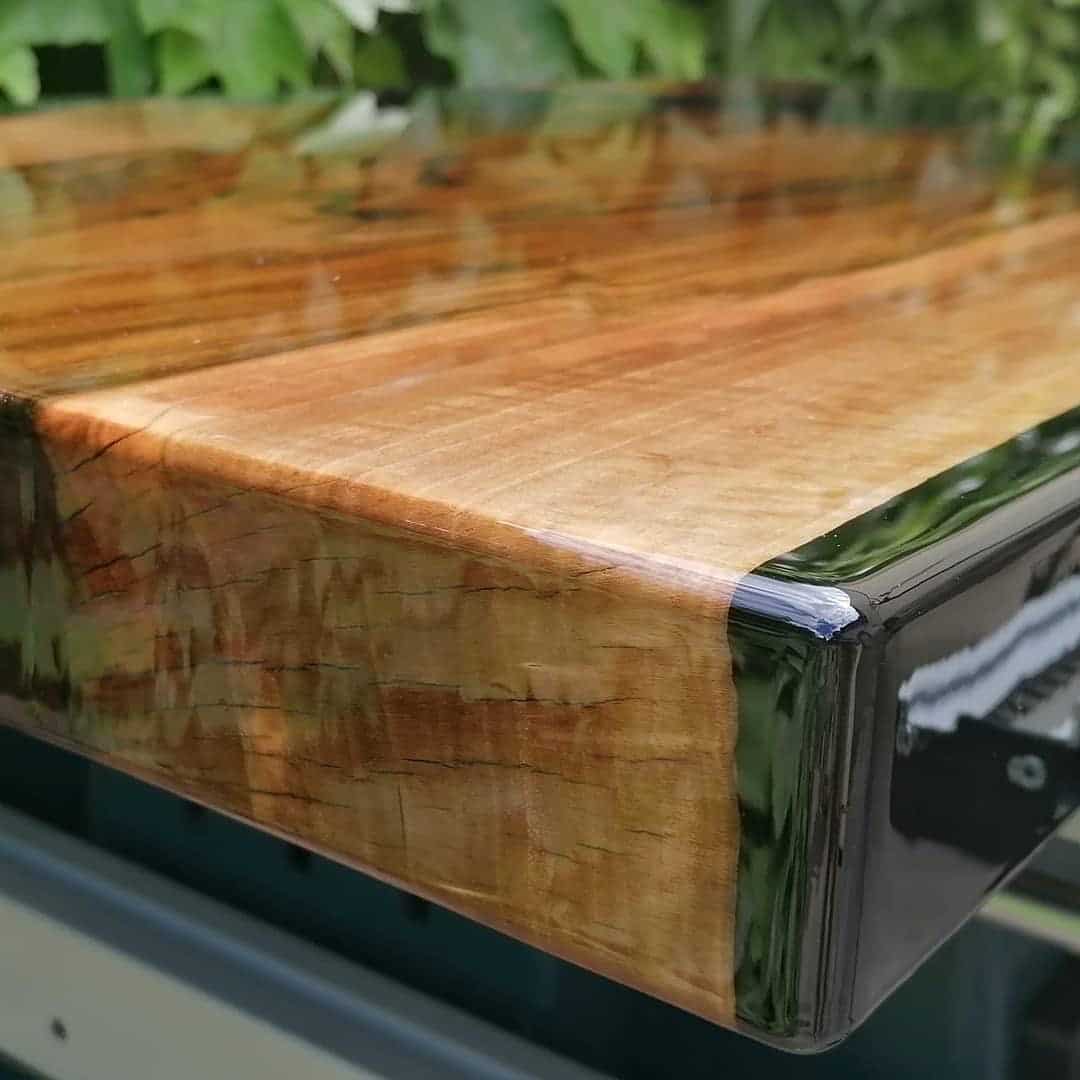

Step-by-Step: How to Seal Guitar Timber
- Prepare the surface: Sand the timber smooth and remove any dust or loose fibres for best adhesion.
- Apply a penetrative epoxy: Use a deep-penetrating, low-viscosity epoxy and brush it liberally onto all exposed and cut surfaces. Focus especially on end grain and knots, as these areas tend to absorb more resin.
- Allow to fully cure: Let the sealing layer harden completely before commencing with any resin casting. This ensures the wood is properly shielded during the subsequent deep pour.
When This Matters Most
Sealing is especially important when creating complex or thick-set resin guitar bodies, embedding decorative elements, or working with porous timbers prone to outgassing. Without this preparatory step, the risk of bubbles or poor clarity increases significantly.

Related products
Related guides
Understanding how to seal timber is a foundational part of building resin guitars. For more comprehensive guidance on resin-based instrument making, explore our main guide on how to use resin to build a guitar.