 Free shipping on orders over £29,85
  Shipping Tracking!


 Google
 Facebook
How to use bodywork resin?
Step-by-step guide for repairing panels and surfaces
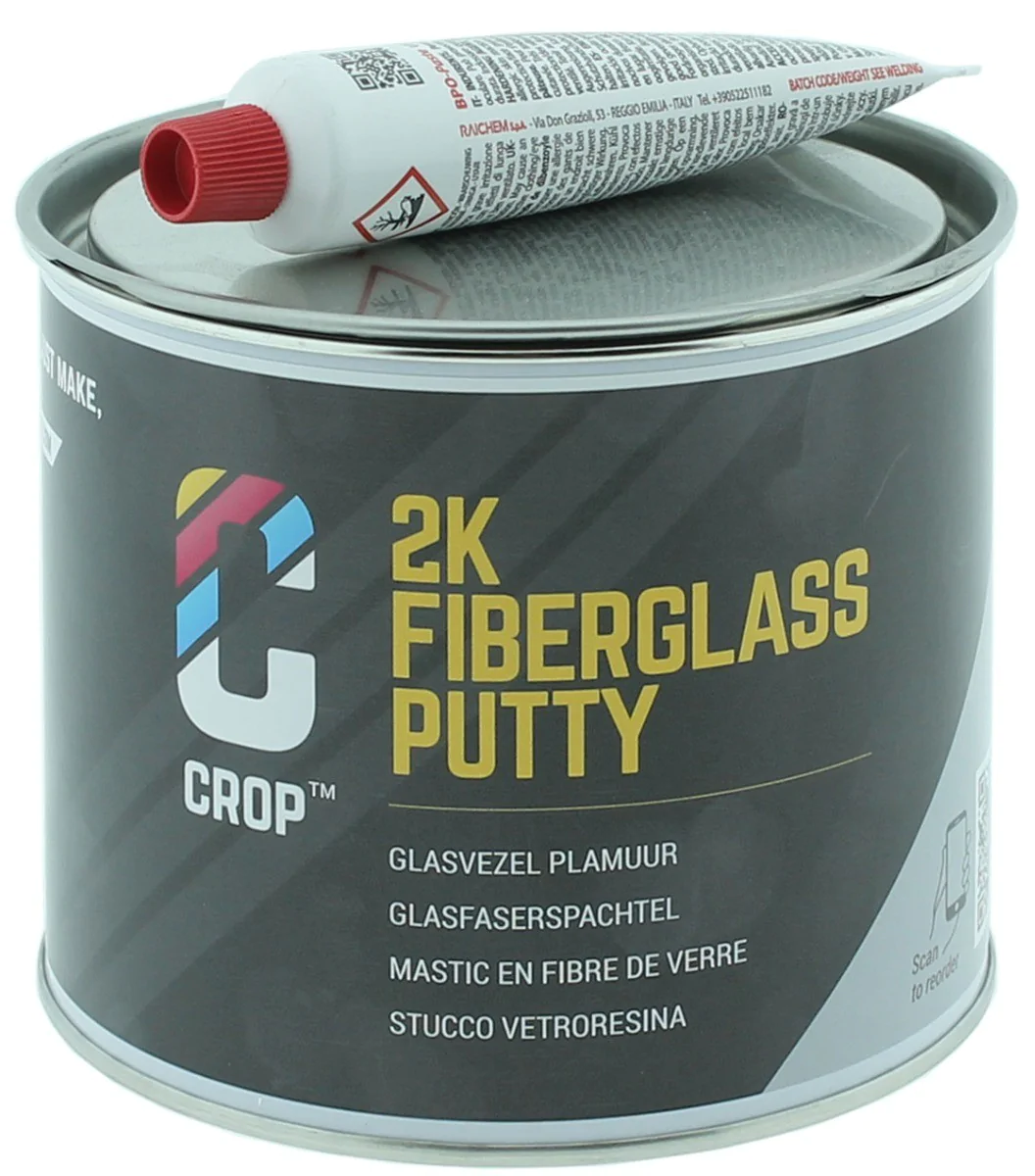
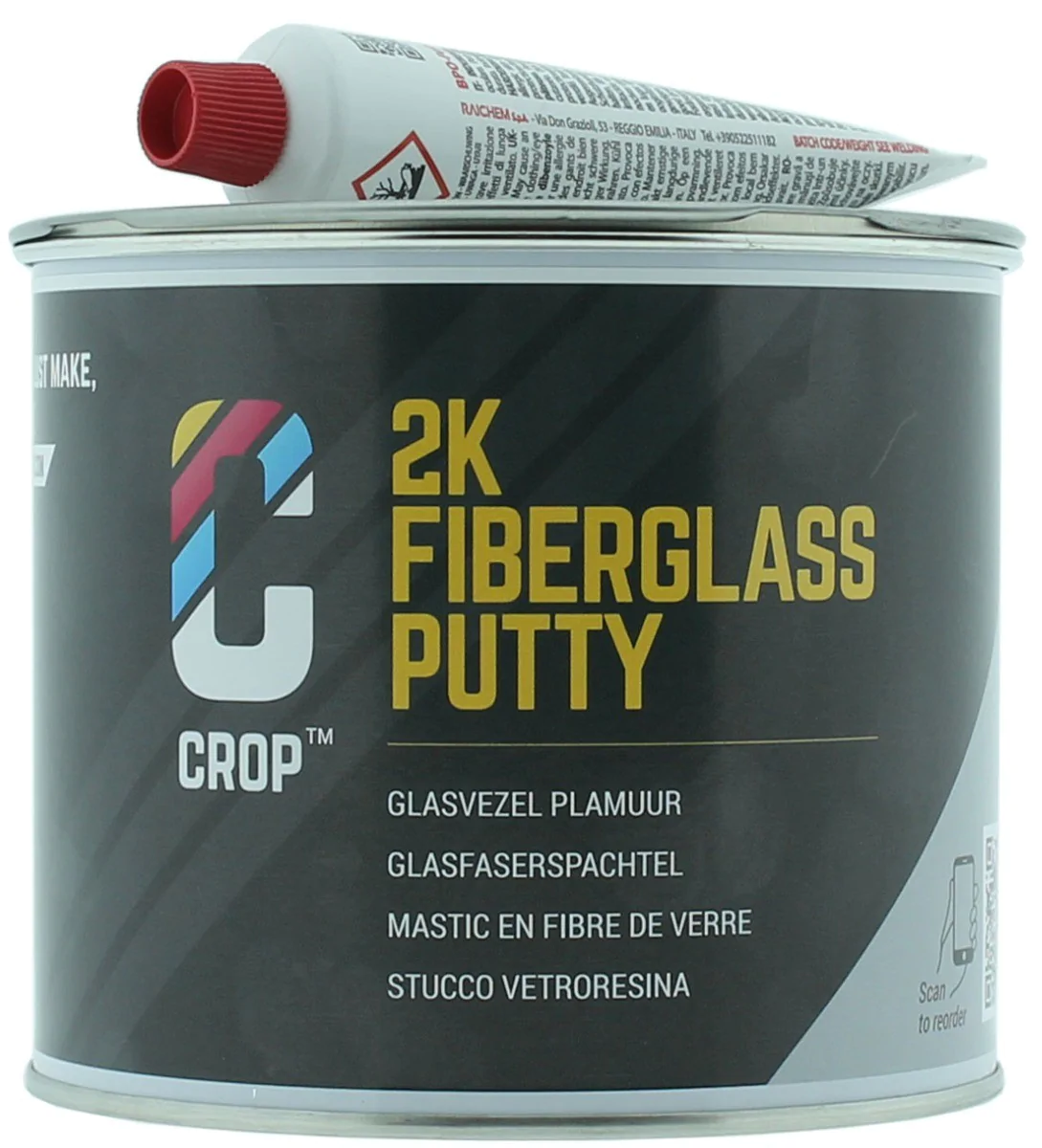
Resin-based bodywork fillers offer a tough, professional option for repairing dents, cracks, and damage on vehicles, machinery, and panels. This page explains proven techniques for achieving long-lasting, smooth repairs using modern bodywork resins. Whether you are new to vehicle repairs or a seasoned DIY enthusiast, you’ll learn exactly how to get protective, paint-ready results.

What You’ll Need
- CROP 2K Fiberglass Putty – 750 ml + Hardener – A reinforced two-component putty ideal for filling and levelling deep damage.
- “Carbon Resin” – Epoxy Resin for Carbon Fiber & Fiberglass Coating – Professional-grade resin for laminating repairs with carbon or fibreglass matting.
- Sandpaper (various grits, typically from coarse 80 to fine 320)
- Mixing board and spatula
- Clean rags and degreasing solvent
- Protective gloves, safety goggles and dust mask
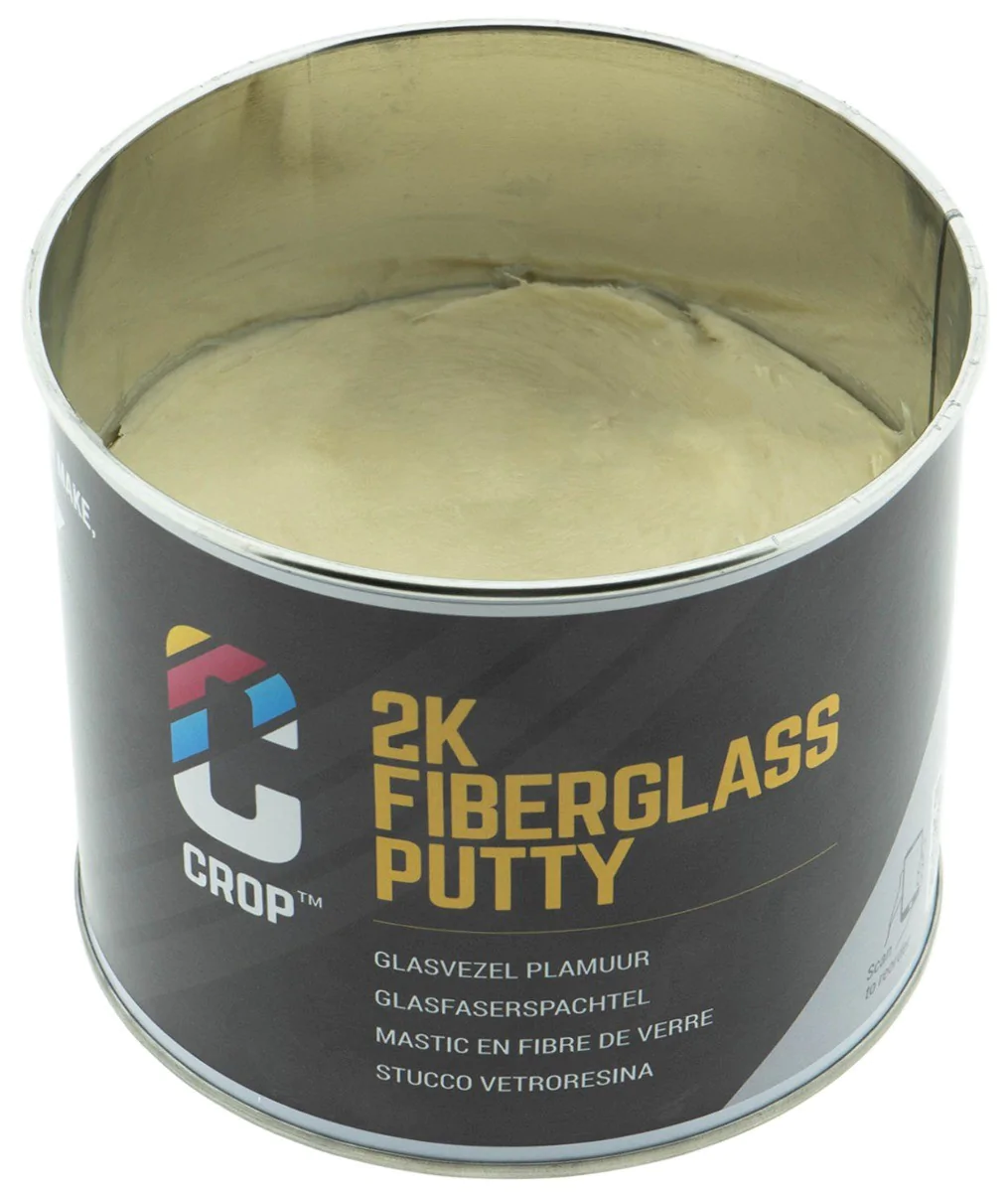
Key Benefits of Modern Bodywork Resins
Bodywork resins offer exceptional adhesion and repair strength, making them ideal for structural and cosmetic automotive fixes. Their fibreglass reinforcement provides added durability, while professional epoxy formulas allow repairs to blend seamlessly and last through weather and vibration.
Step 1: Prepare and Clean the Surface
Begin by assessing the damage. Remove any loose paint, rust, or old filler from the affected area using a coarse sandpaper or a suitable abrasive. Clean the surface thoroughly with a degreasing solvent to eliminate oils, dust, and contaminants that could hinder adhesion. Let the panel dry fully before proceeding.
This step is crucial for ensuring that both the resin and putty bond directly to the substrate, minimising the risk of repair failure. Attempting repairs on unclean or glossy surfaces can lead to poor adhesion and weak results.


Step 2: Mix and Apply Bodywork Putty
For filling deep cracks, dents, or cavities, mix the hardener with CROP 2K Fiberglass Putty – 750 ml + Hardener on a clean board, following the manufacturer’s recommended ratio. Use a spatula to blend until the colour is uniform and consistent.
Apply the putty by pressing it firmly into the area needing repair, building up in layers if necessary for depth. Aim for a slight overfill to allow for sanding. Smooth it with the spatula as much as possible and leave to cure as directed. Resist the temptation to hurry the drying process; efficient curing is vital for maximum strength.
Step 3: Sand and Shape the Repair
Once the putty is fully cured, begin sanding with a coarse grit (such as 80) to remove excess material and shape the surface. Continue with finer grits to achieve a level, smooth finish that follows the original panel contour.
Always wear a dust mask during sanding, and frequently check progress by touch to avoid over-sanding. The goal is to create a seamless transition between the repaired area and the surrounding bodywork, free from sharp edges or ridges.
Step 4: Laminating or Coating for Added Strength
For repairs requiring extra reinforcement—such as cracked panels, rusted sections, or areas under mechanical stress—a resin and fibreglass application follows the filler repair. Prepare fibreglass mat or carbon fibre fabric, then mix “Carbon Resin” – Epoxy Resin for Carbon Fiber & Fiberglass Coating according to the instructions.
Spread the resin onto the surface and lay the fibreglass or carbon matting into position. Use a roller or brush to thoroughly saturate the fabric, expelling any air bubbles and ensuring full impregnation. Allow to cure at room temperature before lightly sanding and moving on to priming or painting as needed.
Tips and Common Mistakes to Avoid
- Wear protective gloves and a mask when handling resin and putty to prevent skin and respiratory irritation.
- Do not rush curing times for either putty or resin—insufficient curing can result in weak or tacky repairs.
- Sanding between stages ensures smooth finish and adhesion. Skipping grades or steps creates uneven surfaces and poor paint bonding.
- Store resins and hardeners in a dry, temperature-stable environment for best shelf life and performance.
- Dispose of used rags and materials safely—resin residues can pose a fire risk.
Professional Finishing for Paint-Ready Results
Taking the time to sand and shape repairs delivers the best finish. A properly prepared and filled surface ensures that primer and paint adhere without defects, giving your project a smooth, factory-quality appearance and lasting protection.

- CROP 2K Fiberglass Putty – 750 ml + Hardener£15.85CROP 2K Fiberglass Putty is a reinforced polyester putty suitable for bodywork repairs and thick filling, matching the bodywork resin theme.
- "Carbon Resin" – Epoxy Resin for Carbon Fiber & Fiberglass CoatingPrice range: £19.95 through £37.95Epoxy resin for carbon fibre and fibreglass designed for composites and technical fabrics with durable, glossy finish.
Frequently Asked Questions
How do I properly prepare a surface for bodywork resin?
Thoroughly remove rust, old paint, and contaminants before repair. Clean with degreaser and ensure the surface is dry before applying resin or putty.
What is the typical curing time for fibreglass putty?
Curing times depend on temperature but generally range from 20 to 60 minutes. Always follow the product's specific instructions.
Can I sand bodywork repairs made with resin?
Yes, once fully cured, both fibreglass putty and resin repairs can be sanded to achieve a smooth, paint-ready finish.
When should I use fibreglass putty versus epoxy resin?
Use fibreglass putty for deep fills and dents; use epoxy resin with fibreglass or carbon mat for reinforced structural repairs or laminating.
What safety precautions are needed when working with bodywork resin?
Wear gloves, goggles, and a mask. Ensure good ventilation and avoid skin or prolonged inhalation contact with uncured products.