 Free shipping on orders over £29,85
  Shipping Tracking!


 Google
 Facebook
How to use epoxy resin in a wooden boat?
Protect and restore wooden boats with durable epoxy resin

Epoxy resin is an outstanding modern solution for waterproofing and reinforcing wooden boats, extending their lifespan and enhancing structural integrity. This guide walks you through every step to ensure a professional finish, making your vessel resistant to rot, water ingress, and weathering. Whether sealing a hull, reinforcing deck areas, or restoring older woodwork, following the correct procedure is essential for optimal results.

What You’ll Need
- “EpoxyWood” – Wood Restoration Epoxy Resin for Deep Penetration and Waterproofing
- Protective gloves, mask, and eye protection
- Sandpaper and sanding blocks (various grits)
- Cotton rags and acetone (for cleaning)
- Brushes, foam rollers, and mixing containers
- Painter’s tape and plastic sheeting
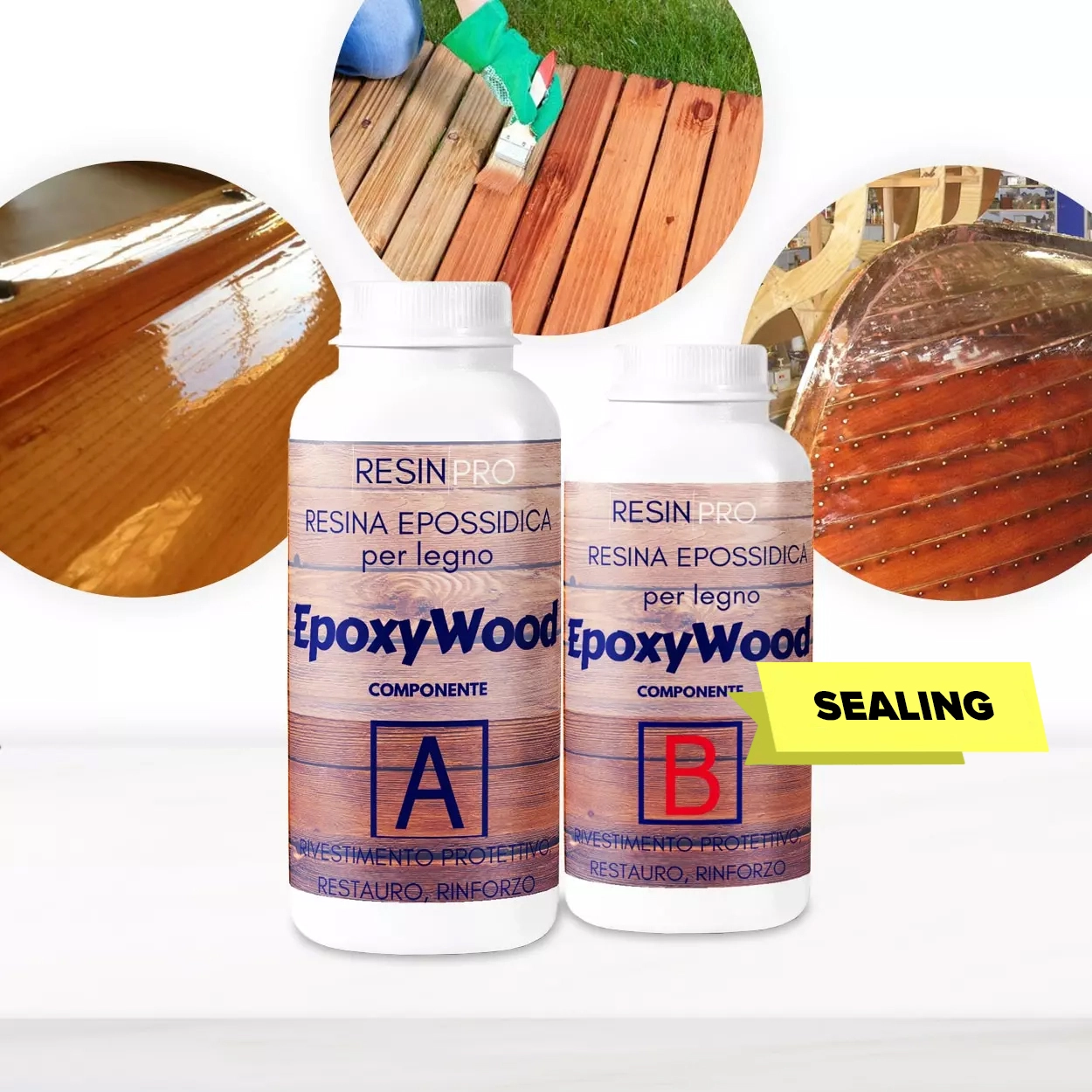
See Preparation Tools and Mixing in Action
Watch how epoxy resin is measured, mixed, and brushed onto bare wood. Notice the importance of sanding and thorough cleaning before application for professional, lasting results.
Step 1: Prepare the Boat’s Wooden Surfaces
Begin with a meticulous cleaning of all wood to be treated. Remove any old varnish, paint, or failing coatings using a scraper and sandpaper. Continue by sanding with medium-grit followed by fine-grit paper to achieve a smooth, bare wood surface. Clean thoroughly with acetone-soaked rags to remove dust and oils. Ensure every area to be coated is absolutely dry — moisture can prevent proper epoxy bonding and may later cause delamination.
Surface moisture is epoxy’s enemy — inspect joints and seams for trapped water, letting the wood acclimatise until it is fully dry before proceeding.

Step 2: Mix and Apply the First Epoxy Resin Coat
Wearing protective gloves and gear, carefully measure the two components of your chosen marine epoxy. For deepest wood penetration and reliable waterproofing, “EpoxyWood” – Wood Restoration Epoxy Resin for Deep Penetration and Waterproofing is ideal at this stage. Follow the manufacturer’s recommended ratio and mix for at least two minutes, paying attention to scraping the sides and bottom of the container.
Apply the epoxy resin to the prepared wood using a brush or foam roller. Pour or brush on a thin, even coat, allowing the low-viscosity formula to penetrate deeply into the wood grain and pores. Work on manageable areas at a time, blending new sections wet-on-wet where possible for seamless coverage.
Mix thoroughly and precisely — unblended or imprecise ratios can leave sticky or weak areas.
Step 3: Allow Curing and Apply Additional Coats
After the initial coat, allow the resin to cure as specified (usually overnight or according to product data). Once cured, lightly sand the surface with fine sandpaper to remove any roughness or raised wood grain, ensuring excellent adhesion for subsequent coats. Clean away sanding dust carefully.
Apply one or two additional coats of epoxy resin, repeating the mixing and application process. Each new coat should be applied after the previous has set tack-free but before it is fully cured for chemical bonding. Pay extra attention to edges, seams, and high-wear areas.
Work methodically in sections to maintain a wet edge and achieve a professional, consistent finish across the boat’s surface.


Step 4: Finishing and Final Checks
Once the final epoxy coat is thoroughly cured, inspect the finish for missed spots, drips, or surface imperfections. Lightly sand any uneven areas and wipe clean. Optional: apply a UV-resistant varnish or marine paint over cured epoxy for enhanced sunlight protection and decorative effect.
Check all seams, joints, and edges to ensure a continuous, unbroken epoxy barrier. The wood should feel hard and sealed with a consistent sheen.
Avoid thick coats and rush curing — thick sections may trap air or cure unevenly, while premature handling can damage the finish.
Tips, Common Mistakes, and Troubleshooting
Store epoxy in a warm, dry place before use for easy mixing and application. Always wear appropriate protective gear and ventilate enclosed spaces. If sticky spots remain after curing, these may be unblended resin or areas affected by cold or dampness — sand them back and re-coat with fresh, well-mixed epoxy. For best UV resistance (especially on exposed wood), consider adding a final polyurethane or specialised marine topcoat over the cured epoxy. Take your time, and never be tempted to shortcut surface prep or curing intervals for speed.

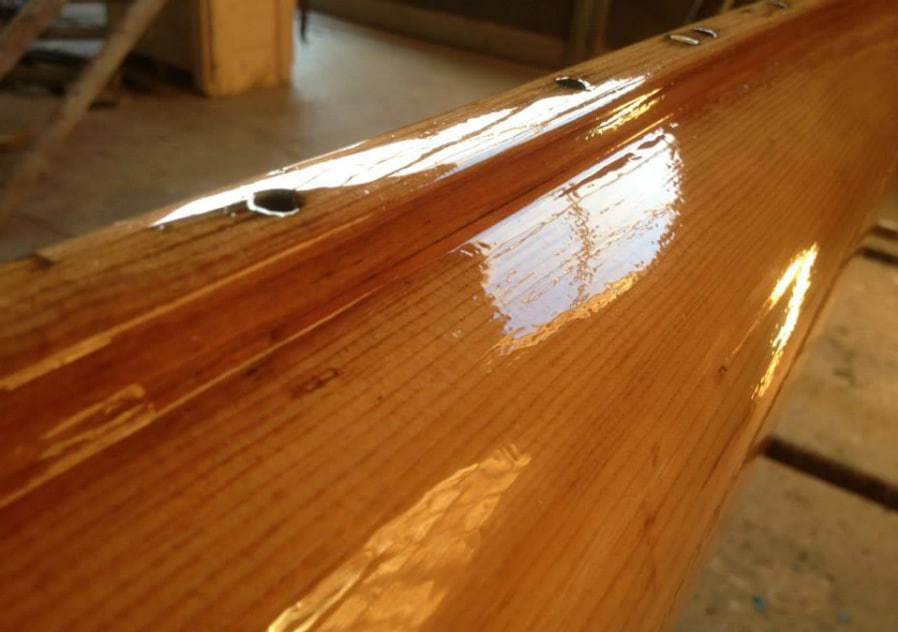
Visual Guide: Smooth Curing and Final Finish
Observe cured epoxy on a wooden hull, revealing even sheen and deep wood grain. Spot troubleshooting scenarios, from missed sections to minor sanding, for real-world inspiration.
- "EpoxyWood" – Wood Restoration Epoxy Resin for Deep Penetration and WaterproofingPrice range: £27.95 through £41.95EpoxyWood is formulated for repairing and waterproofing wood, suitable for wooden boats and restoration projects with a natural finish.
- "Trasparente" – Multipurpose Clear Epoxy Resin for Casting – Up to 2cmPrice range: £8.95 through £397.95This resin offers a clear, scratch-resistant finish suitable for woodworking and restoration projects, aligned with wooden boat epoxy usage.
- "Trasparente" Epoxy Resin Kit 800g + Mica Powder 10g – 10 Colour Variations£20.95"Trasparente" is an ultra clear multipurpose epoxy resin kit with mica powder, suitable for various craft and woodworking applications.
- "Carbon Resin" – Epoxy Resin for Carbon Fiber & Fiberglass CoatingPrice range: £19.95 through £37.95Epoxy resin for carbon fibre and fibreglass designed for composites and modelling with a smooth impregnation and glossy finish.
Frequently Asked Questions
Can epoxy resin be applied to damp wood?
No, all wood must be completely dry before epoxy application to ensure proper adhesion and avoid future delamination.
How many coats of epoxy should I apply on a wooden boat?
Typically, two to three coats ensure thorough sealing, but always follow manufacturer guidance for your product and project.
Is sanding between coats of epoxy resin necessary?
Yes, sanding between coats improves mechanical adhesion and ensures a smooth, even final surface.
Do I need to paint over epoxy resin applied to my boat hull?
A UV-resistant topcoat or varnish is recommended to protect the cured epoxy from sunlight and enhance durability.
Can epoxy resin be used to restore old wooden boats?
Yes, epoxy is ideal for strengthening and waterproofing aged wood, provided all decayed material is first removed.
How should I fix sticky or soft spots after curing epoxy?
Sand away tacky spots completely, ensure correct mixing and dry conditions, then reapply a new epoxy coat.