 Free shipping on orders over £29,85
  Shipping Tracking!


 Google
 Facebook
How to use polyester resin?
Step-by-step guide for safe and effective polyester resin use

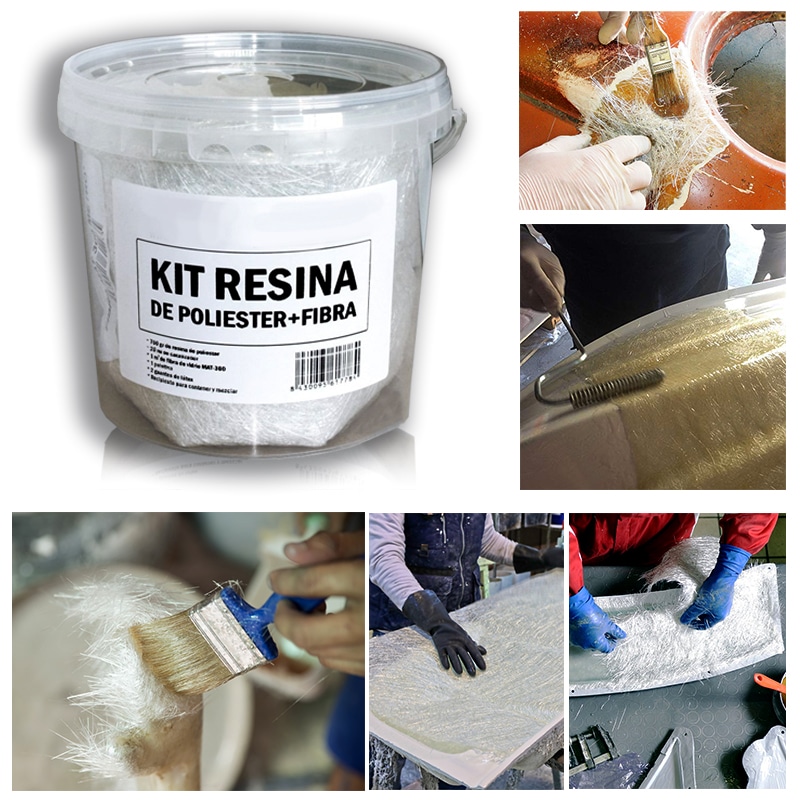
Polyester resin is a popular choice for structural repairs, laminating, and restoration projects, especially on fibreglass, metals, and rigid plastics. This guide explains the essential steps to safely and effectively use polyester resin, whether you’re fixing a boat, patching a swimming pool, or reinforcing surfaces in your workshop.
What You’ll Need
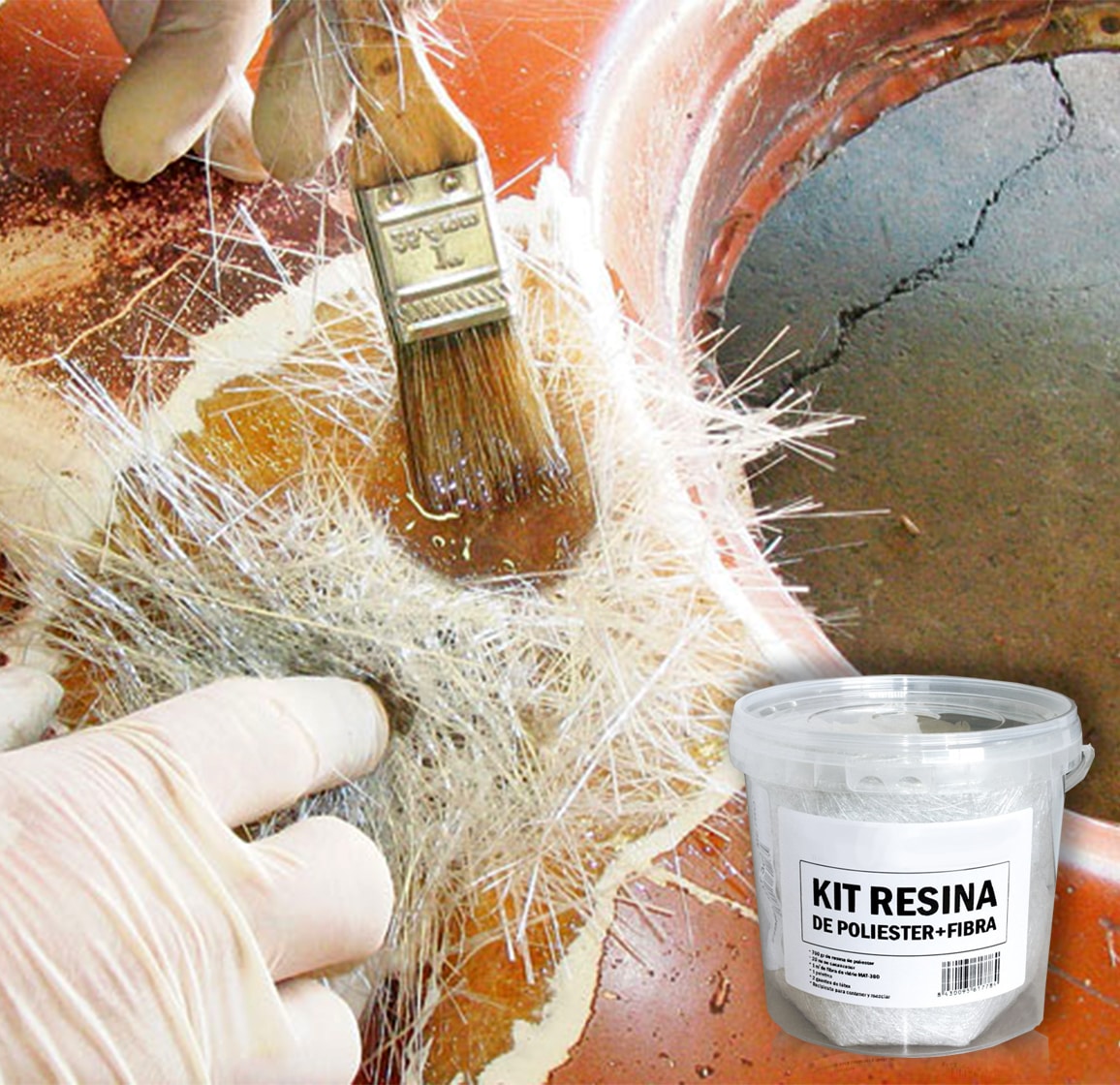
- Resin Fibreglass Repair Kit – Complete Polyester Resin and Hardener Set: All-in-one set for structural repair and bonding.
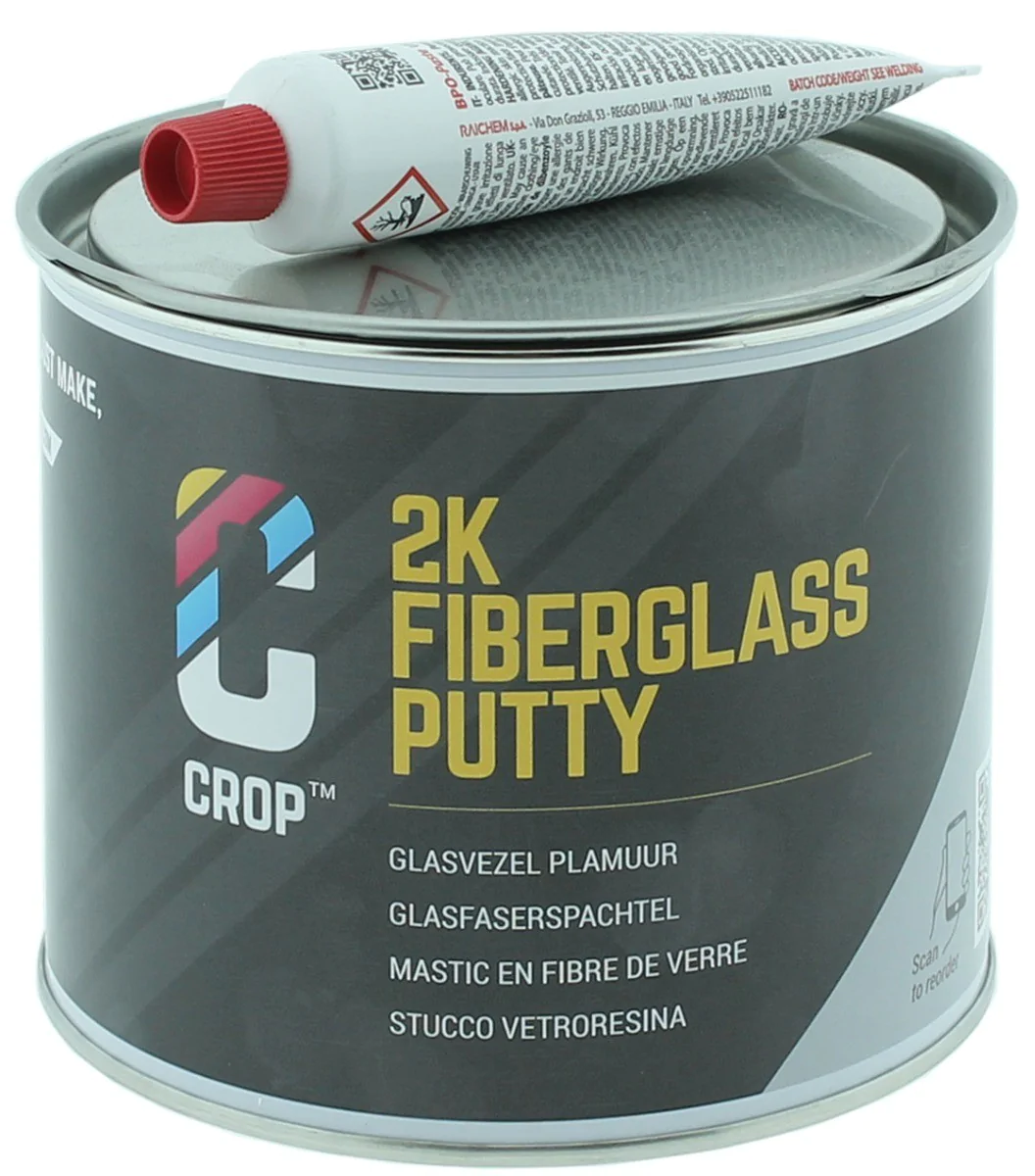
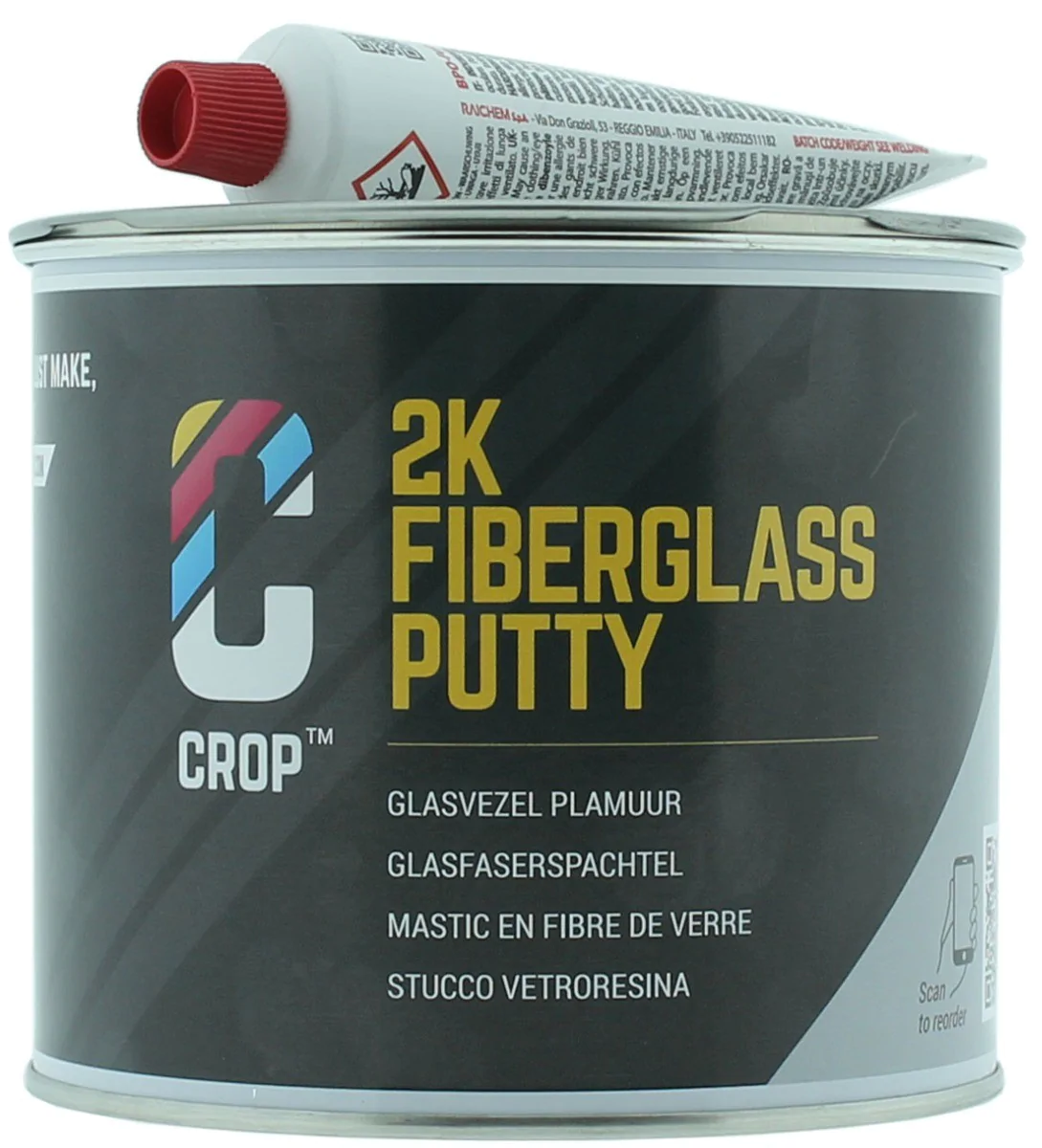
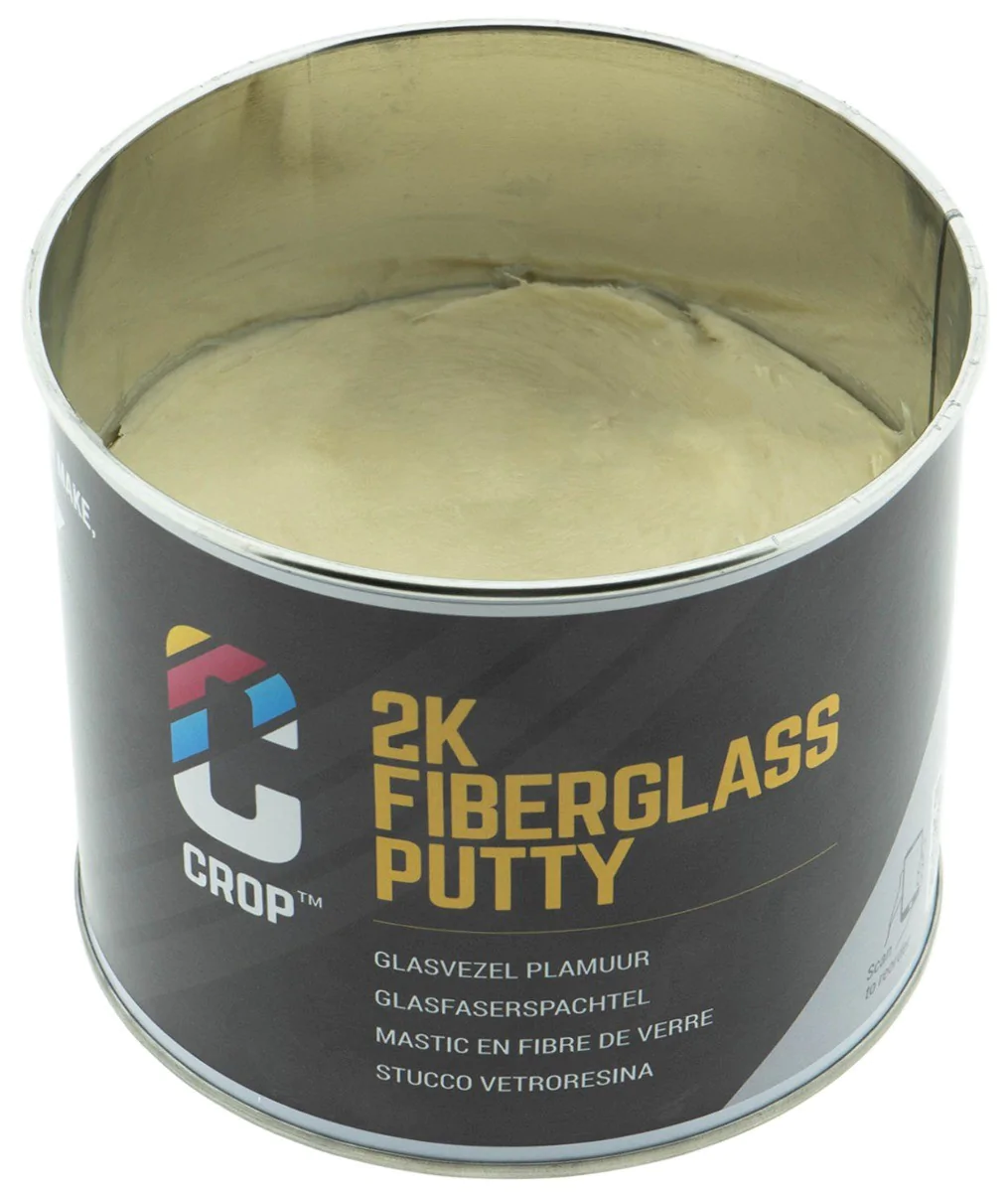
- CROP 2K Fiberglass Putty – 750 ml + Hardener: For filling deep cracks, dents, and bodywork repairs.
- “Abek Climax” – Mask Filters for 755/756/732-A1 – Epoxy Resin Use, Set of 2: To ensure safe breathing during mixing and application.
- Protective gloves and safety goggles
- Stirring sticks, mixing containers, brushes, or rollers
- Sanding paper, cloths, and suitable cleaning supplies
Preparing Your Workspace for Polyester Resin Application
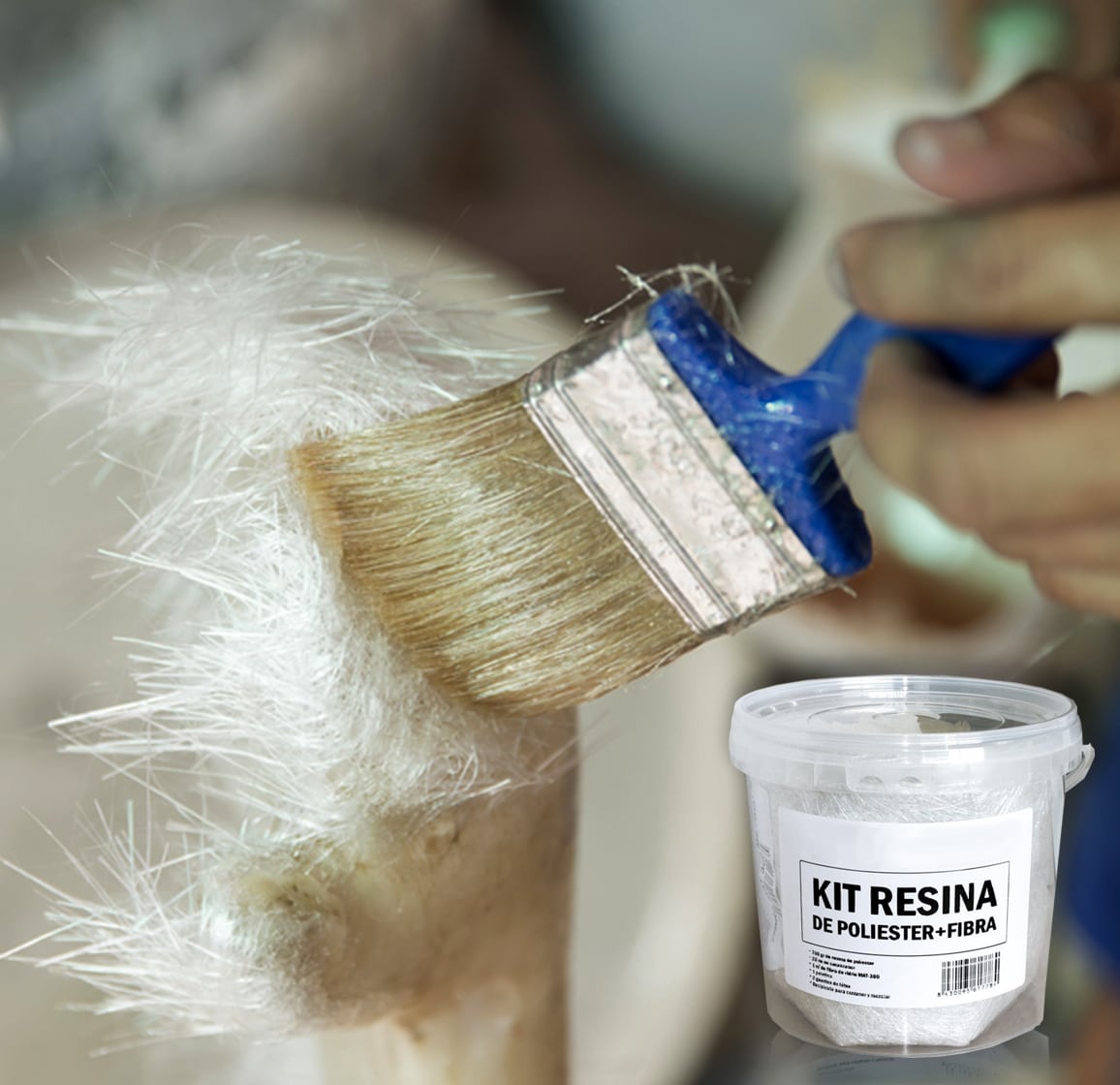
Organise your workspace in advance. Lay out everything you need before you start mixing resin. Place protective covers on your work table, ensure lighting is good, and keep plenty of disposable gloves and paper towels to hand. Open windows or activate extraction to keep air circulating during the entire application process.
Step 1: Ensure a Clean and Ready Surface
Proper surface preparation is the foundation of strong, long-lasting repairs. Begin by thoroughly cleaning the area to remove dirt, oil, or any previous finishes. For fibreglass, grinding or sanding the surface lightly helps the new resin adhere better. On metal, ensure all rust and paint are removed; wipe down with a suitable cleaner to eliminate residue.
Dry the area completely—moisture can compromise resin bonding and curing. Cover surrounding areas to protect from accidental drips or spills.

Step 2: Measure and Mix Your Polyester Resin
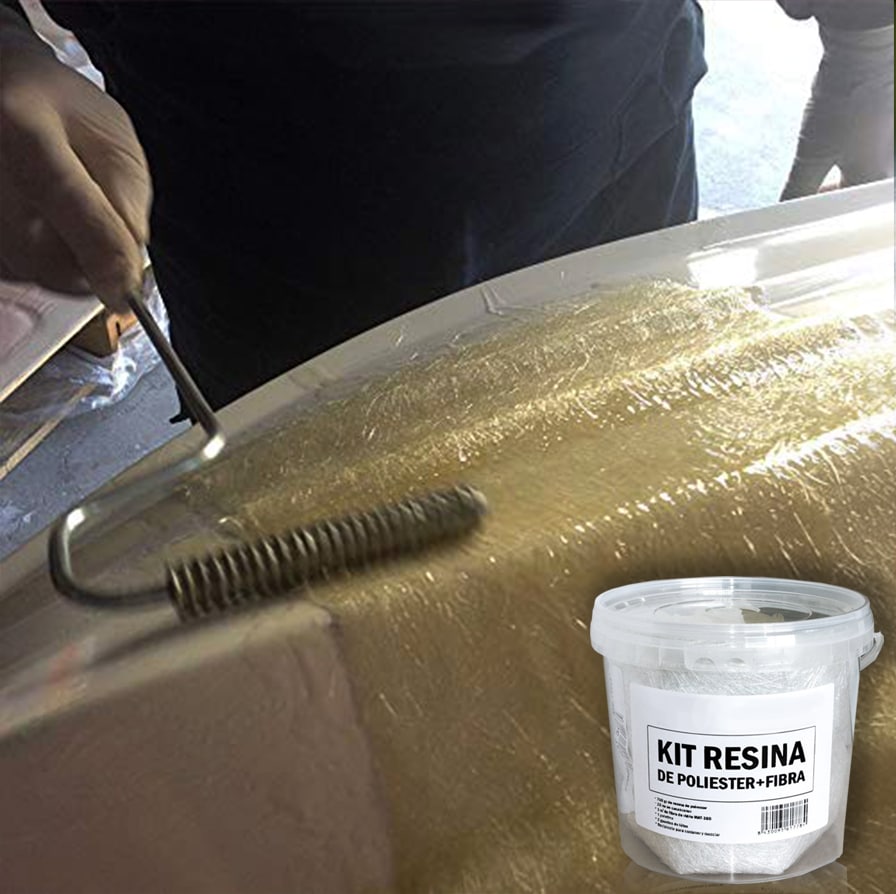
Polyester resin requires precise mixing with a specific hardener (catalyst) to start the curing reaction. Measure accurately according to your kit’s instructions—too much or too little hardener can cause improper setting. For example, the Resin Fibreglass Repair Kit – Complete Polyester Resin and Hardener Set includes all components pre-proportioned for easy use.
Always wear gloves, goggles, and a fitted mask with appropriate filters like the “Abek Climax” – Mask Filters for 755/756/732-A1 – Epoxy Resin Use, Set of 2 to protect against fumes. Mix thoroughly in a well-ventilated area, following the mixing ratio and working time indicated on your resin product.
Step 3: Apply the Resin and Reinforcement
Once mixed, polyester resin must be applied promptly. For fibreglass repairs, place the fibreglass mat over the area and saturate it with the mixed resin using a brush or roller, ensuring no air bubbles remain. For filling deeper cracks, holes, or dents—especially in automotive repairs—the CROP 2K Fiberglass Putty – 750 ml + Hardener is ideal. Work in manageable sections to avoid waste, as resin begins to cure quickly once mixed.
For layered laminations, repeat the application as required, allowing each layer to partially cure as recommended in your product’s guidelines.
Step 4: Curing, Finishing, and Safety Cleanup
After application, let the resin or putty cure undisturbed for the recommended time. Allow full curing before sanding, painting, or exposing to water or mechanical stress. Once fully hardened, sand smoothly for finishing. Always collect and dispose of waste resin or contaminated items responsibly, following local regulations.
Store leftover resin, hardener, and tools safely—away from children, open flames, and direct sunlight.
Essential Tips and Common Mistakes
Ensure good ventilation whenever working with polyester resin. Incorrect mixing ratios, insufficient surface preparation, and working in cold or damp conditions commonly cause weak bonds or tacky finishes. Test in a small area if trying a new combination of materials.
If sanding is difficult or sticky, curing may be incomplete—a sign too little hardener was used or the area was not kept at optimal temperature.
Troubleshooting Sticky or Soft Cures
If your repair remains sticky or soft after the recommended curing time, double-check your mix ratio and room temperature. Scrape away uncured resin and clean the area before restarting. Always store leftover resin and hardener in tightly closed containers to avoid moisture contamination.
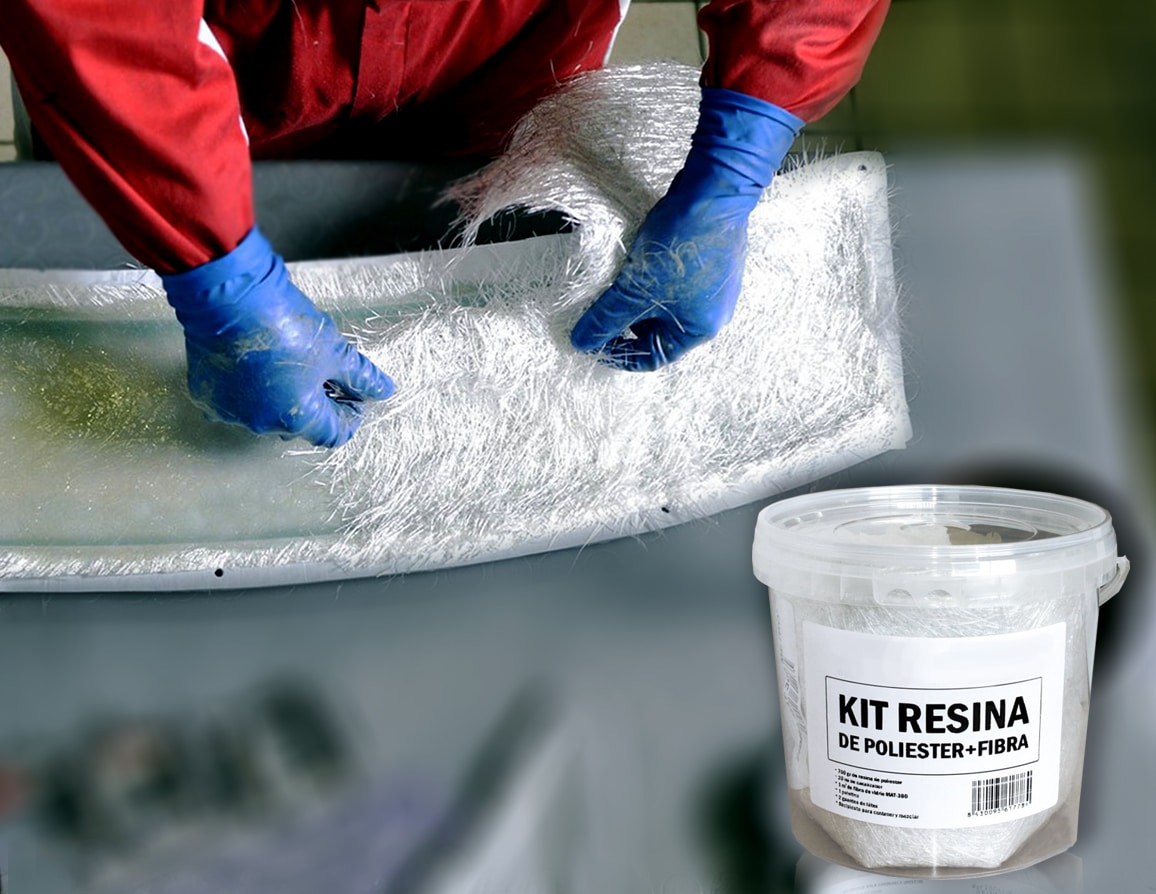
- Resin Fibreglass Repair Kit – Complete Polyester Resin and Hardener SetThe Resin Fibreglass Repair Kit provides a ready-to-use solution for polyester resin repairs with user-friendly instructions for various rigid…
- "Abek Climax" – Mask Filters for 755/756/732-A1 – Epoxy Resin Use, Set of 2£16.45The Abek Climax filters are designed for mask models 755/756/732-A1, suitable for use with epoxy resin and related applications.
- CROP 2K Fiberglass Putty – 750 ml + Hardener£15.85CROP 2K Fiberglass Putty is a polyester two-component putty reinforced with fibreglass, suitable for bodywork repairs and filling deep damage.
Frequently Asked Questions
Can polyester resin bond to metal and plastics?
Yes, polyester resin adheres well to fibreglass, metal, wood, porcelain, and rigid plastics when surfaces are properly prepared.
Is sanding or painting possible after the resin has cured?
Once fully cured, polyester resin can be sanded and painted to achieve a smooth and finished appearance.
How do I avoid weak or tacky finishes with polyester resin?
Carefully measure the resin and hardener. Mix thoroughly, work in suitable temperatures, and avoid excess moisture for proper curing.
Should I wear protective gear when working with polyester resin?
Yes, always use gloves, goggles, and a mask with appropriate filters to protect against fumes and skin contact.
Can I repair automotive bodywork using polyester resin or putty?
Yes, polyester resin and fibreglass putties are suitable for filling, reinforcing, and preparing automotive body panels for paint.
Do I need special masks when mixing or applying polyester resin?
Use respirator masks with filters rated for organic vapours, such as the Abek Climax set, to reduce inhalation risks.