 Free shipping on orders over £29,85
  Shipping Tracking!


 Google
 Facebook
How to use resin in a camper?
Fix, seal, or decorate camper interiors and exteriors with resin

Enhancing your camper with resin opens up a world of possibilities, whether you are sealing wooden interiors, reinforcing repairs, or adding beautiful decorative finishes. Resin applications in campers ensure long-lasting waterproofing and protection, making surfaces more resilient to moisture and wear. This guide will walk you through each step, drawing on proven techniques for optimal results.
What You’ll Need
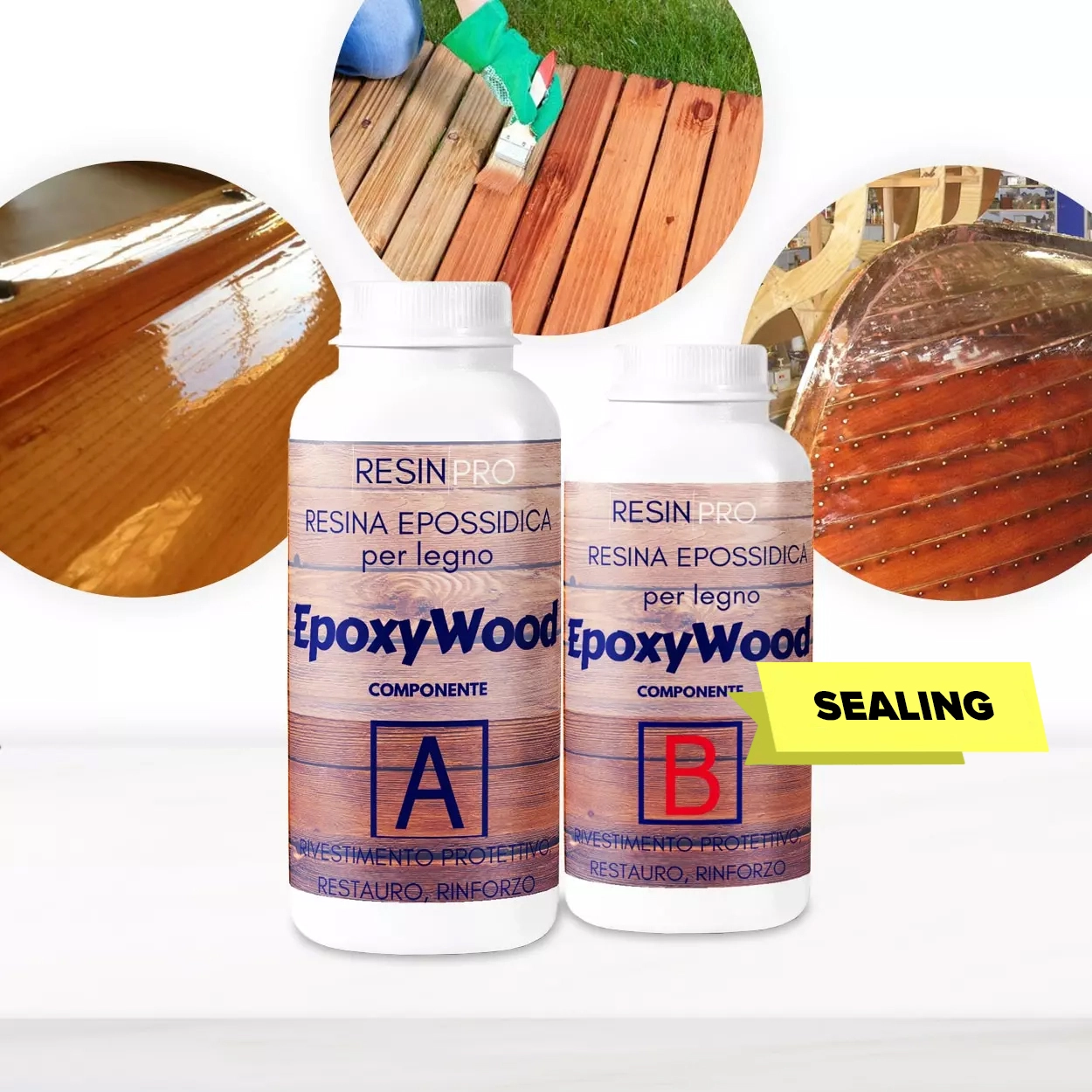
- “EpoxyWood” – Wood Restoration Epoxy Resin for Deep Penetration and Waterproofing: For reinforcing and waterproofing wood surfaces in camper interiors
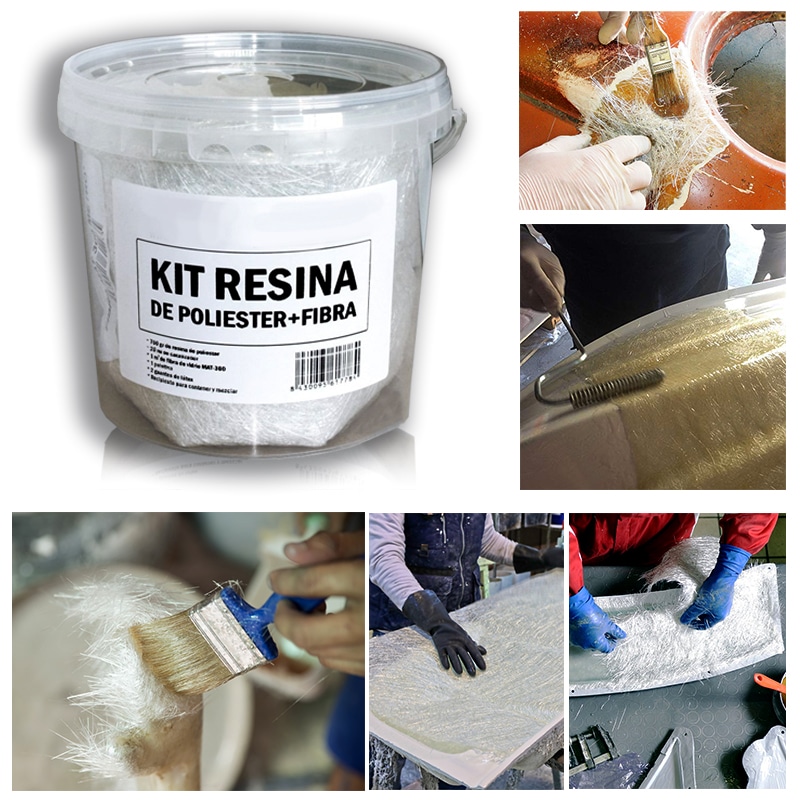
- Resin Fibreglass Repair Kit – Complete Polyester Resin and Hardener Set: Ideal for structural or waterproof repairs to rigid surfaces
- “Trasparente” – Multipurpose Clear Epoxy Resin for Casting – Up to 2cm: For clear coatings or shallow castings (up to 2cm thickness)
- “Art Pro” – Clear Epoxy Resin for Artists and Surface Coating: For high-gloss surface finishes on decorative items
- Protective gloves and protective eyewear
- Sandpaper (various grits)
- Mixing sticks and containers
- Clean, lint-free cloths
- Brush or roller (as needed)
Essential Tools and Preparation for Camper Resin Projects
Before starting, assemble all necessary supplies and dedicate a tidy work area. Organisation and clean tools help avoid contamination during resin application. Lay protective sheets or tarps to shield adjacent surfaces. Early planning ensures the job goes smoothly and protects your camper’s finishes.
Step 1: Prepare Camper Surfaces Thoroughly
Preparation is one of the most crucial elements for successful resin work. Start by identifying the specific area to treat, whether it is a wall panel, floor, countertop, or repair zone. Remove any old coatings, debris, or loose material, and sand wooden or glossy surfaces to enhance resin adhesion. Use a vacuum or a damp cloth to remove any dust and let the area dry completely. All surfaces should be free from grease, moisture, or contamination for the resin to bond fully.
Ensure all surfaces are fully dry and clean before starting for best results.
Step 2: Repair and Reinforce Problem Areas
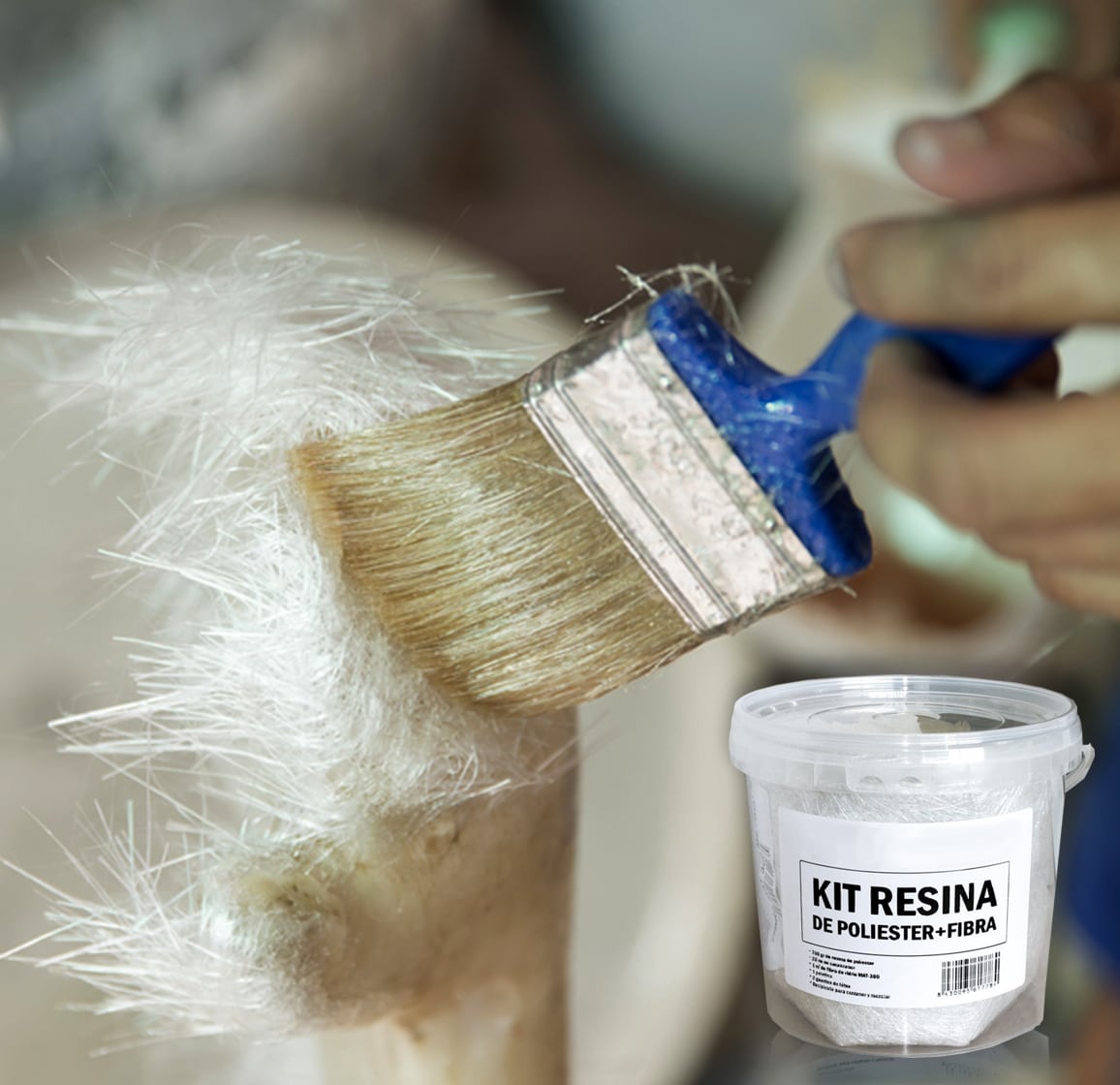
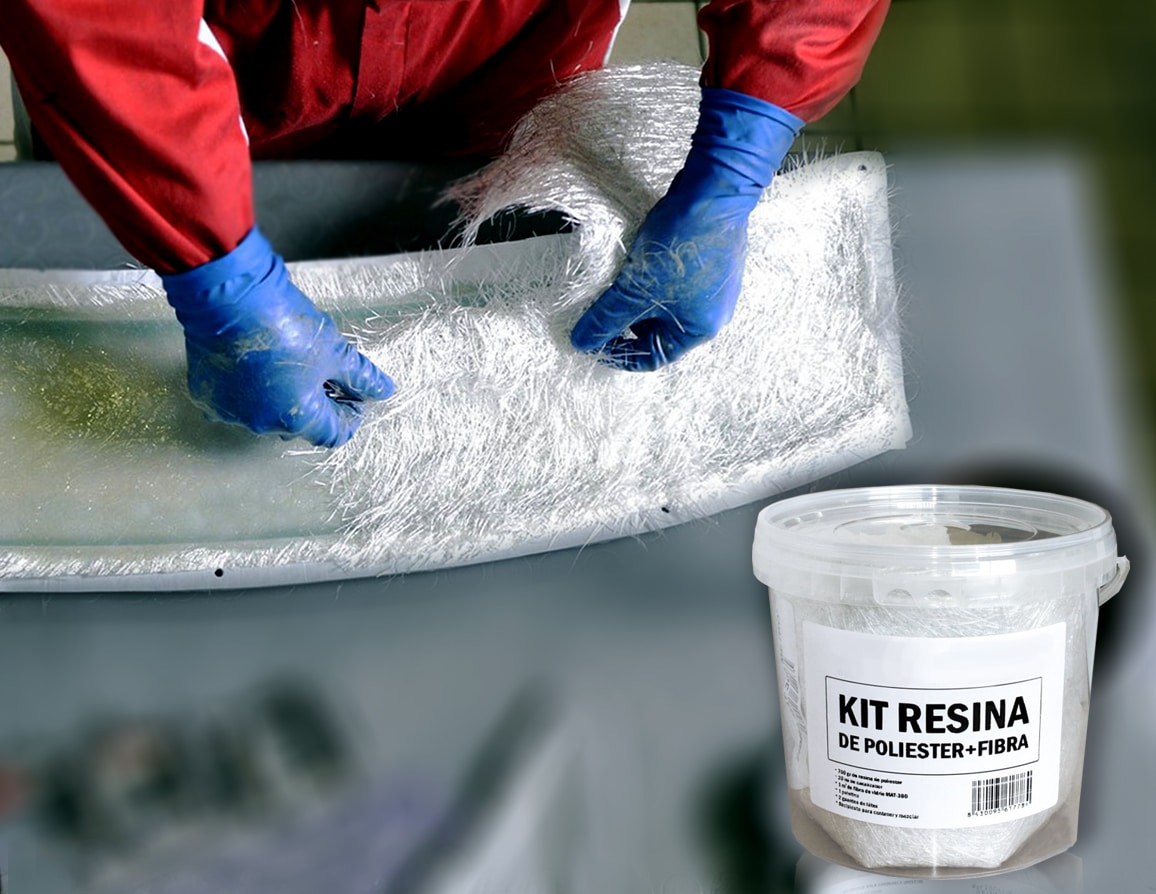
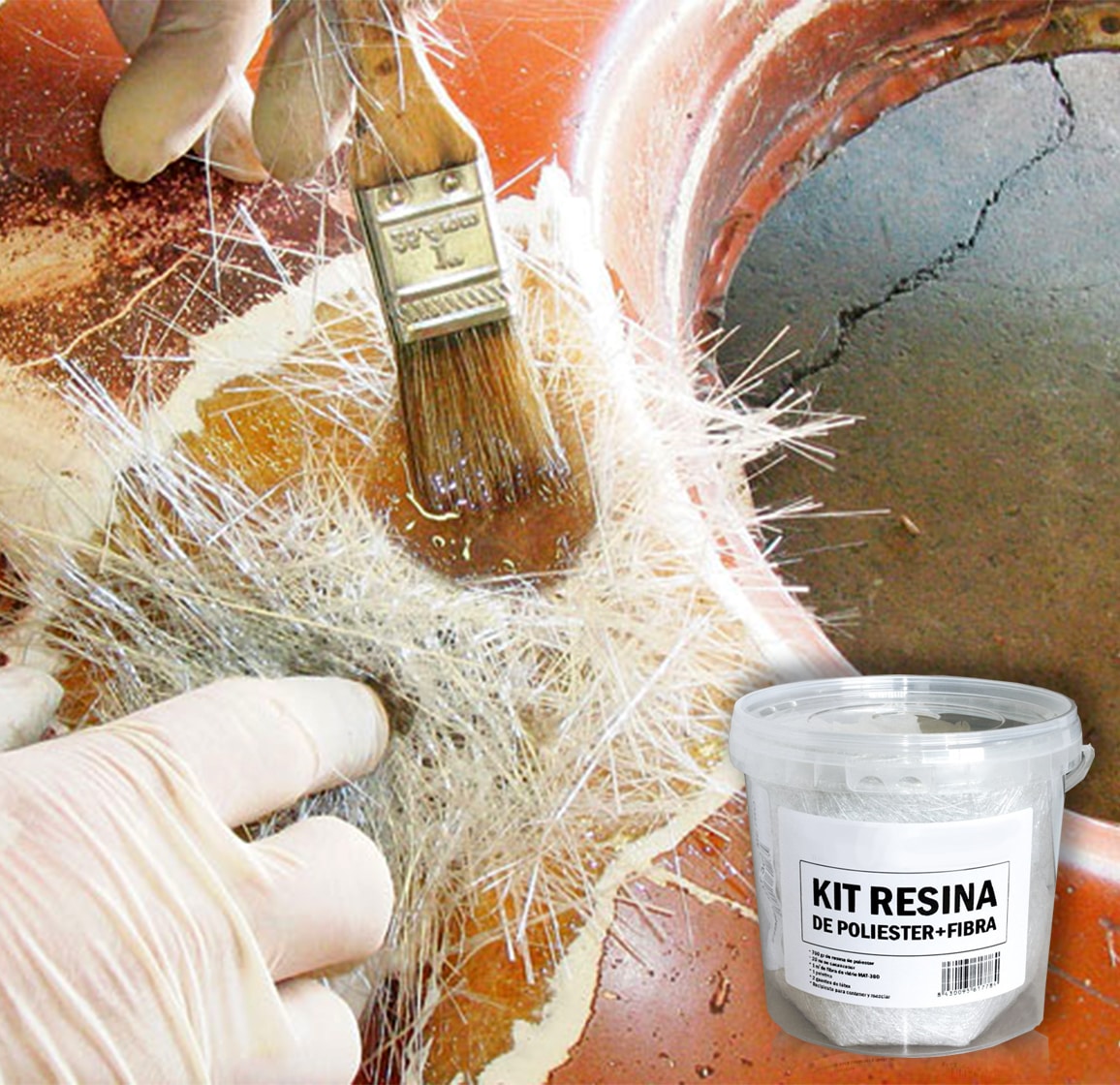
For any weaknesses, holes, or cracks in rigid surfaces or panels, repairs should be made before decorative or sealing coats. If you encounter rotten wood, cut it back to sound material. For structural strength or leak-proofing—especially on fibreglass, metal, or composite siding inside or outside the camper—use the Resin Fibreglass Repair Kit – Complete Polyester Resin and Hardener Set. This provides both a polyester resin and fibreglass mat, creating long-lasting, waterproof repairs to keep your camper dry and structurally secure.
Apply the repair system as per instructions, ensuring thorough saturation of the fibreglass with resin, and allow to cure fully before further steps.
Step 3: Seal and Protect Wood and Other Surfaces
Wooden features inside a camper—such as panels, cabinetry, or joinery—are especially prone to moisture damage. After repairs, apply a deep-penetrating, waterproofing layer of resin. “EpoxyWood” – Wood Restoration Epoxy Resin for Deep Penetration and Waterproofing is specially formulated to soak into dry, sanded wood, reinforcing fibres from within while completely sealing the surface.
Brush or roll on generous coats of EpoxyWood, keeping the layers thin for the best penetration. Allow each coat to cure before applying the next, if needed. This will dramatically improve both longevity and water resistance of your camper woodwork.
Step 4: Apply a Decorative or Protective Top Layer
Once internal surfaces are repaired and sealed, consider adding a clear, glossy finish to tables, counters, or decorative features. For layers up to 2cm, “Trasparente” – Multipurpose Clear Epoxy Resin for Casting – Up to 2cm provides a crystal-clear, durable, and scratch-resistant coating. For artistic or high-gloss surface coats (such as coasters, trays, or creative wall accents), use “Art Pro” – Clear Epoxy Resin for Artists and Surface Coating.
Carefully mix the resin as directed, avoiding fast stirring that introduces bubbles. Pour or spread evenly across the prepared surface, using a brush or spatula for smooth results. Allow to cure in an area protected from dust and contact.
Tips, Common Mistakes, and Troubleshooting
Work in a well-ventilated area with protective gloves and eyewear to minimise exposure to fumes or sticky messes. For best clarity, maintain correct resin-to-hardener ratios and avoid mixing large quantities at once, as excessive heat can cause yellowing or rapid curing. Do not exceed recommended resin layer thickness for your chosen product, as this prevents issues such as overheating or incomplete curing.
If unsure, read product instructions carefully before use. Test on a small inconspicuous area if needed. Allow ample curing time before returning surfaces to use or exposure to weather.
Resin Project Success Stories for Camper Restorations
From restoring wooden benches to patching leaky shower trays, resin solutions offer durability and peace of mind. Well-applied resin enhancements add value and comfort to camper life. Browse resin options for different camper needs and see what’s possible for your next adventure.
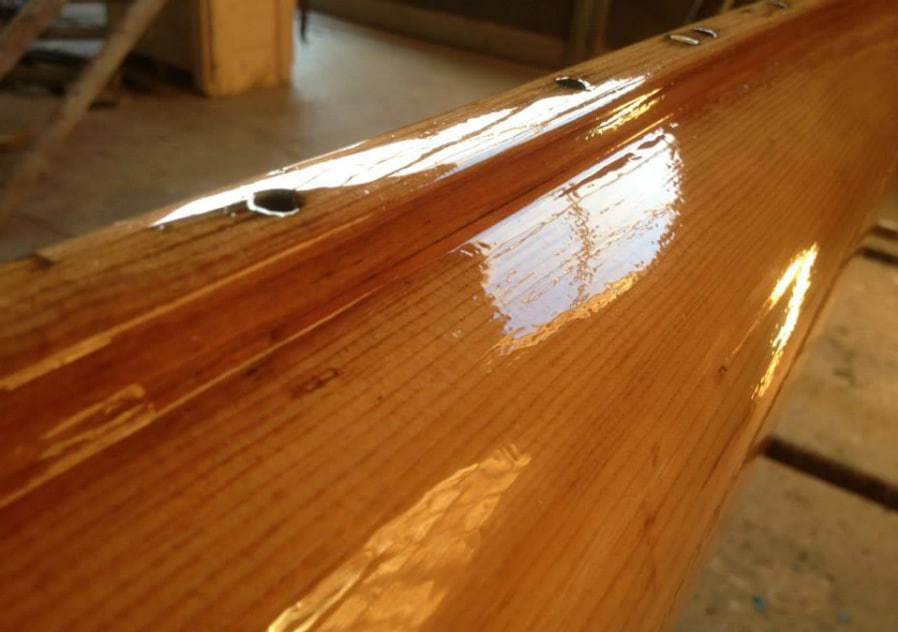
- "EpoxyWood" – Wood Restoration Epoxy Resin for Deep Penetration and WaterproofingPrice range: £27.95 through £41.95"EpoxyWood" is designed for deep penetration and waterproofing of wood, suitable for repairs in camper environments.
- Resin Fibreglass Repair Kit – Complete Polyester Resin and Hardener SetThe Resin Fibreglass Repair Kit contains materials for waterproof, impact-resistant repairs suitable for various rigid surfaces.
 "Trasparente" – Multipurpose Clear Epoxy Resin for Casting – Up to 2cmPrice range: £8.95 through £397.95A crystal-clear, multipurpose epoxy resin designed for up to 2cm layers with a glossy finish, suitable for various DIY and woodworking projects.
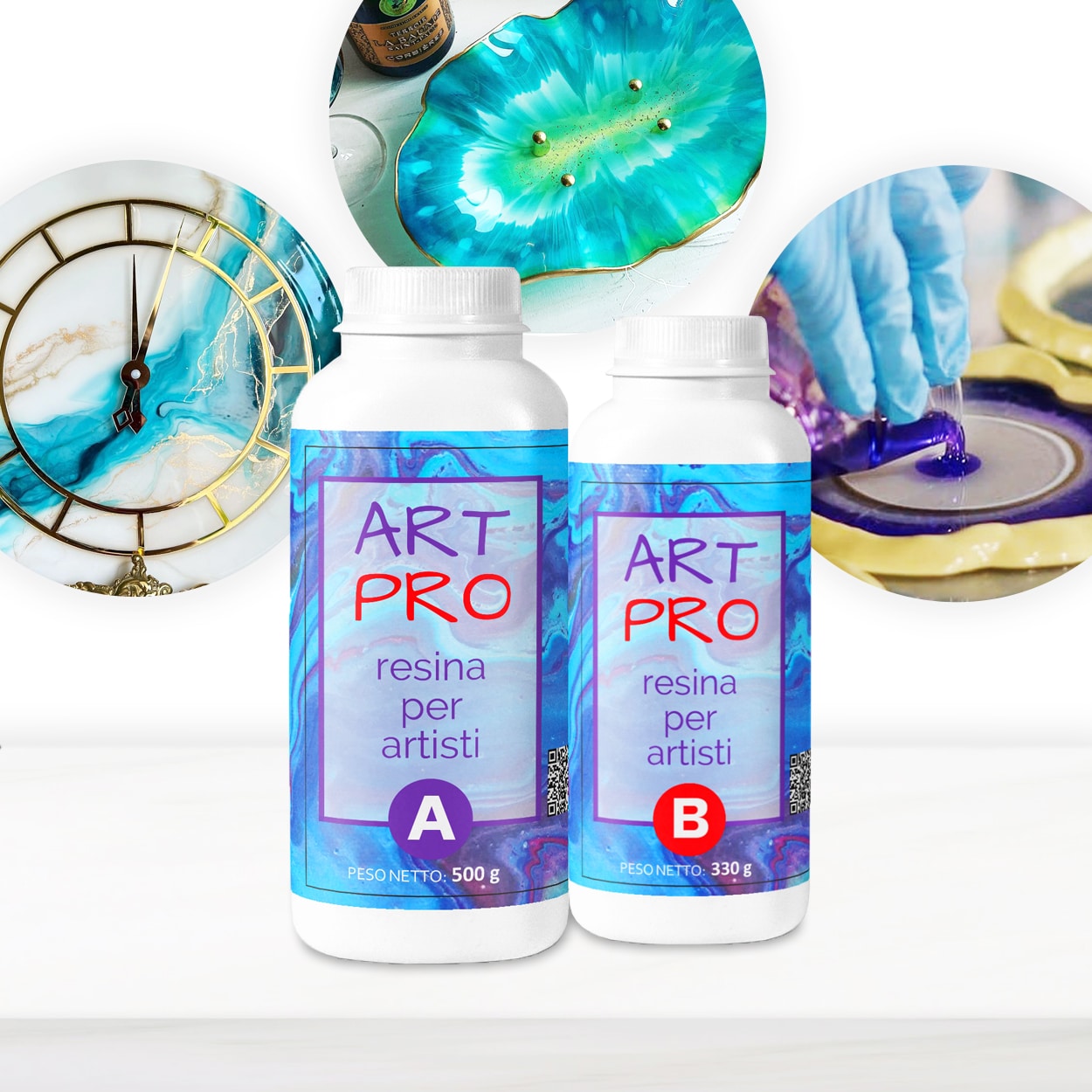 "Art Pro" – Clear Epoxy Resin for Artists and Surface CoatingPrice range: £19.95 through £267.95Art Pro offers a clear, durable epoxy resin suited for decorative coatings with a high-gloss finish and UV protection.
Frequently Asked Questions
How do I waterproof wood in my camper with resin?
Use a deep-penetrating epoxy resin on clean, dry, sanded wood. Apply one or more thin coats for best waterproofing.
Which resin is best for structural camper repair?
A polyester resin and fibreglass kit is ideal for strong, waterproof repairs to panels, tanks, or rigid fixings.
Can I use resin to decorate camper surfaces?
Yes, clear and artist-grade epoxy resins provide glossy, durable coatings for counters, tabletops, and decorative features.
Will resin turn yellow in camper sunlight?
Choose formulations with integrated UV filters to minimise yellowing. Avoid prolonged direct sun on resin-coated surfaces.
How long does resin take to cure in a camper?
Cure time depends on the resin used but is usually between 12 and 24 hours for most interior camper projects.
Do I need to sand between resin coats in a camper?
Light sanding improves adhesion between coats, especially if more than 24 hours have passed since the previous application.