 Free shipping on orders over £29,85
  Shipping Tracking!


 Google
 Facebook
How to use resin on the broken parts of the scooter?
Step-by-step guide to fixing damaged scooter components safely

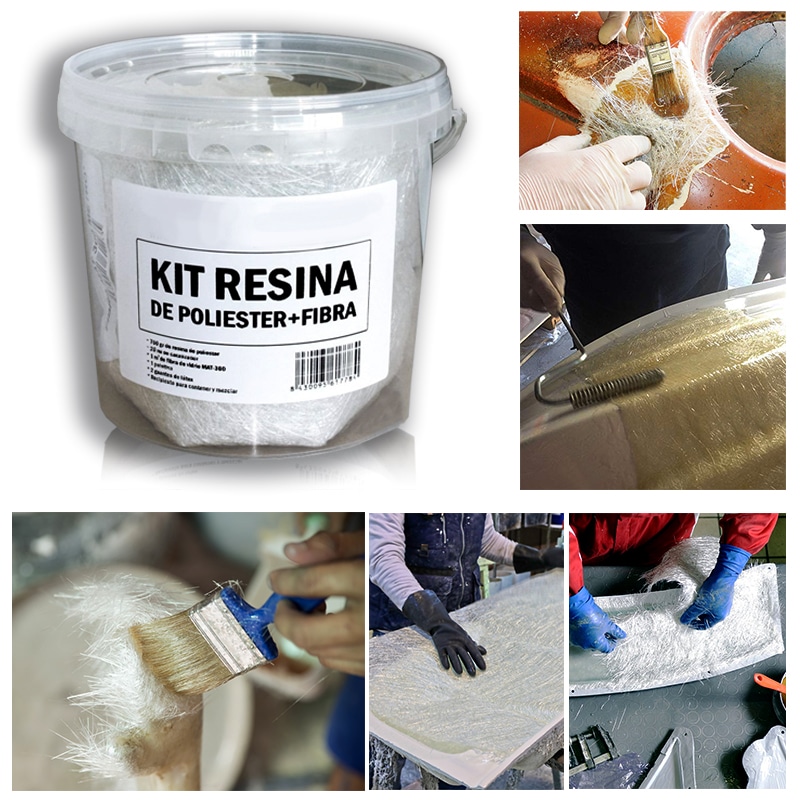
If your scooter has cracked, broken, or worn-out parts, resin can provide a robust, long-lasting solution that restores strength and functionality. This guide explains the practical steps needed to achieve professional results, whether you are fixing rigid plastic, metal, or composite elements. From preparation to finishing, follow these instructions to carry out structural repairs reliably and safely.
What You’ll Need
- Resin Fibreglass Repair Kit – Complete Polyester Resin and Hardener Set – for reinforcement of rigid plastic or metal parts
- “Carbon Resin” – Epoxy Resin for Carbon Fiber & Fiberglass Coating – best for composite scooter components or technical fabric repairs
- “Trasparente” – Multipurpose Clear Epoxy Resin for Casting – Up to 2cm – suitable for small, shallow surface repairs or transparent finishes
- “EpoxyTable 5-Five” – Deep Pour Epoxy Resin for Tables and Large Projects – Up to 5cm – for thick or deep-set repairs requiring substantial fill
- Protective gloves and eyewear
- Sandpaper (various grits)
- Mixing containers and stirring sticks
- Clean cloth
- Clamps or tape (for holding parts in place during curing)
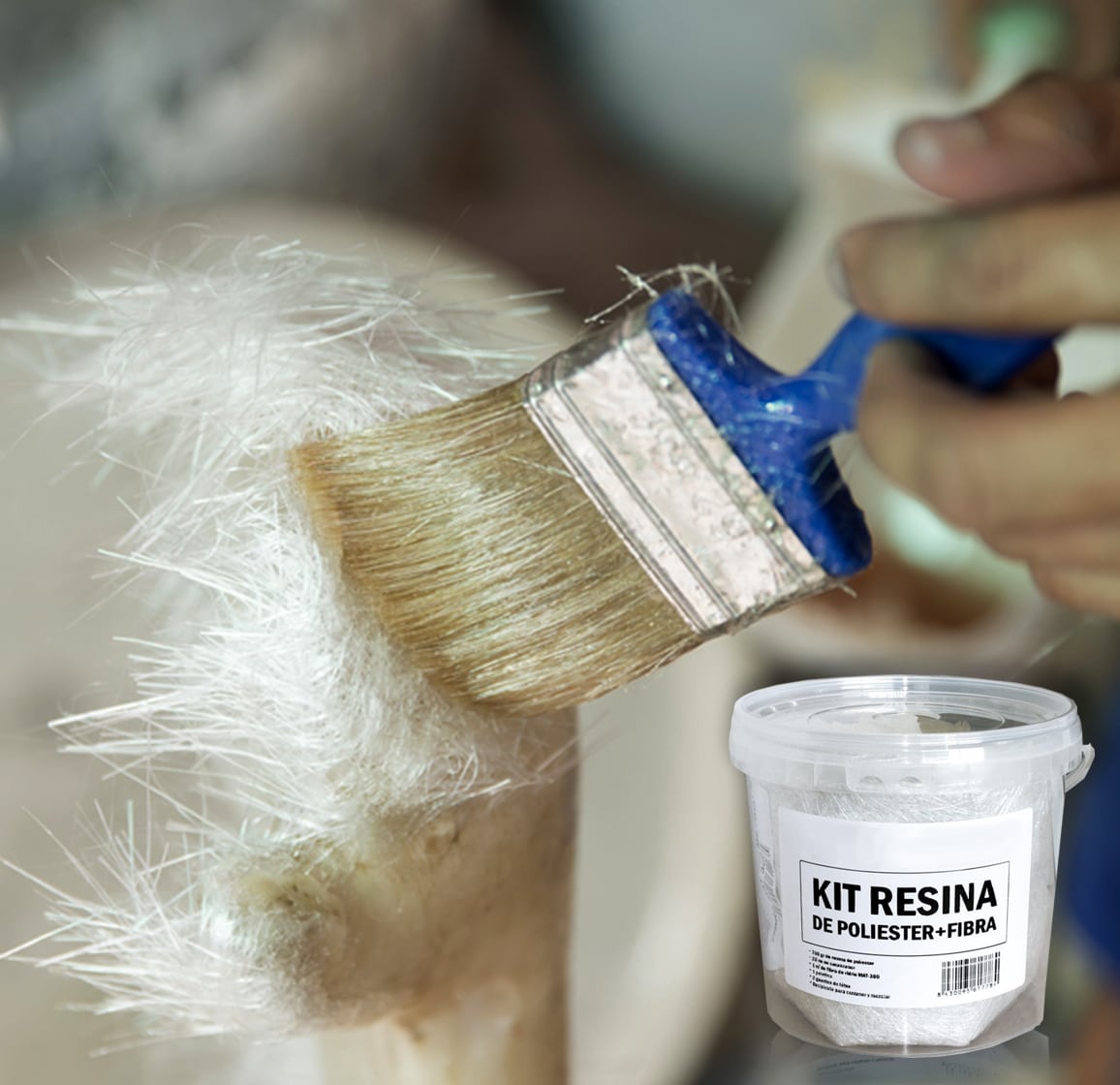
Visual Guide: Tools and Surface Preparation
Before starting your scooter repair, gather all the required tools and lay them out in an organised manner. Photographs of protective gear, sanded scooter parts, and neatly arranged resin kits will help ensure nothing is forgotten and your workspace is ready for a smooth repair process.
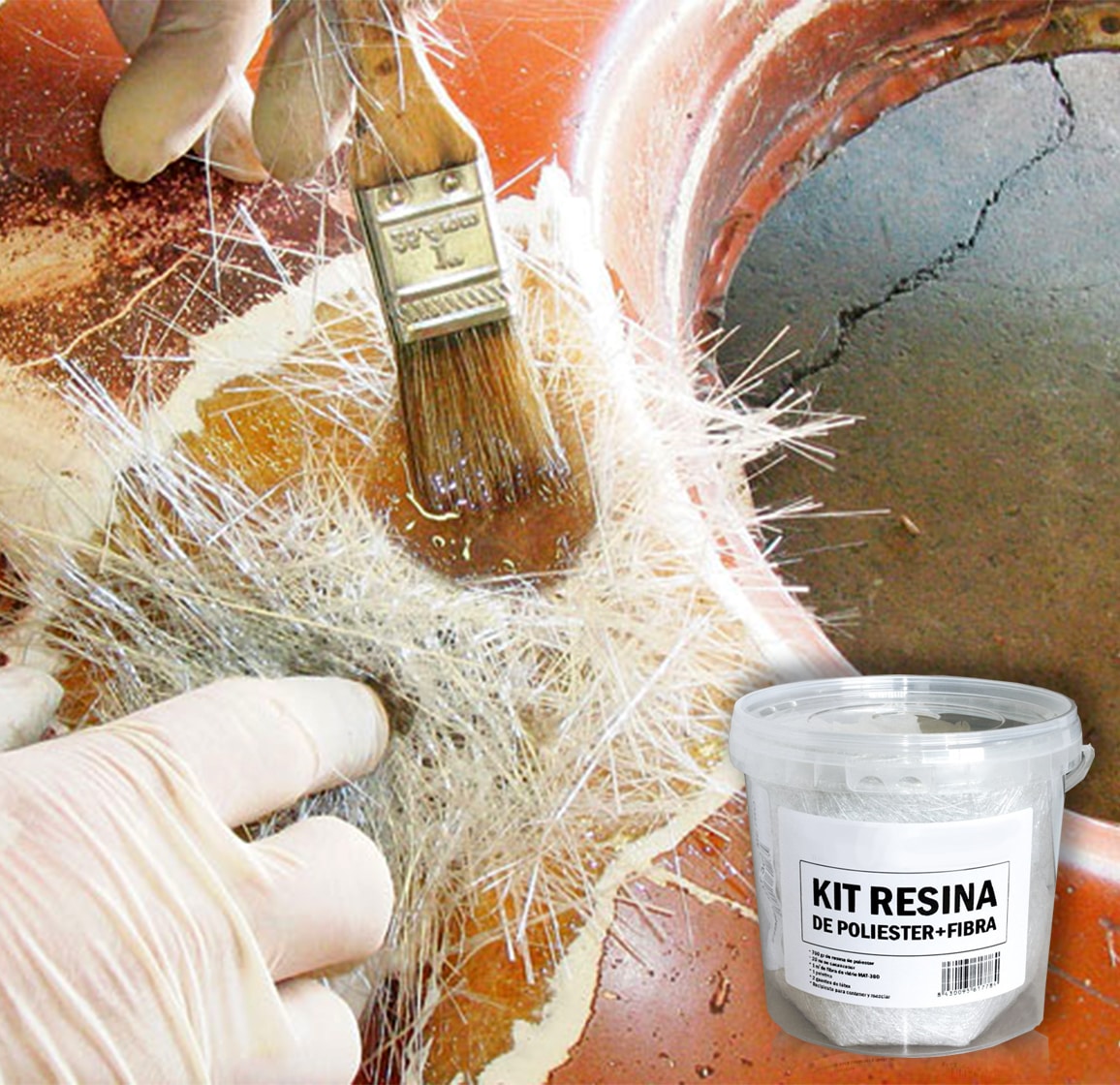
Step 1: Assess and Prepare the Broken Area
Begin by evaluating the type and extent of the scooter damage. Remove any loose fragments, dirt, or grease with a clean, dry cloth. For best adhesion, thoroughly sand around the break or crack, exposing fresh material and slightly beveling edges for stronger resin bonding. Clean away dust before proceeding. Always wear gloves and protective eyewear when handling resin.
Step 2: Select and Mix the Appropriate Resin
Choose a resin suitable for the surface. Structural fixes on rigid plastic, fibreglass, or metal can be effectively addressed using the Resin Fibreglass Repair Kit – Complete Polyester Resin and Hardener Set. For scooter parts made with carbon fibre or technical fabrics, “Carbon Resin” – Epoxy Resin for Carbon Fiber & Fiberglass Coating is specifically designed for strong and durable reinforcement.
Carefully follow the instructions for the mixing ratio provided with your selected product. Mix only the amount needed for the job to avoid wastage, and stir slowly to minimise the introduction of air bubbles.
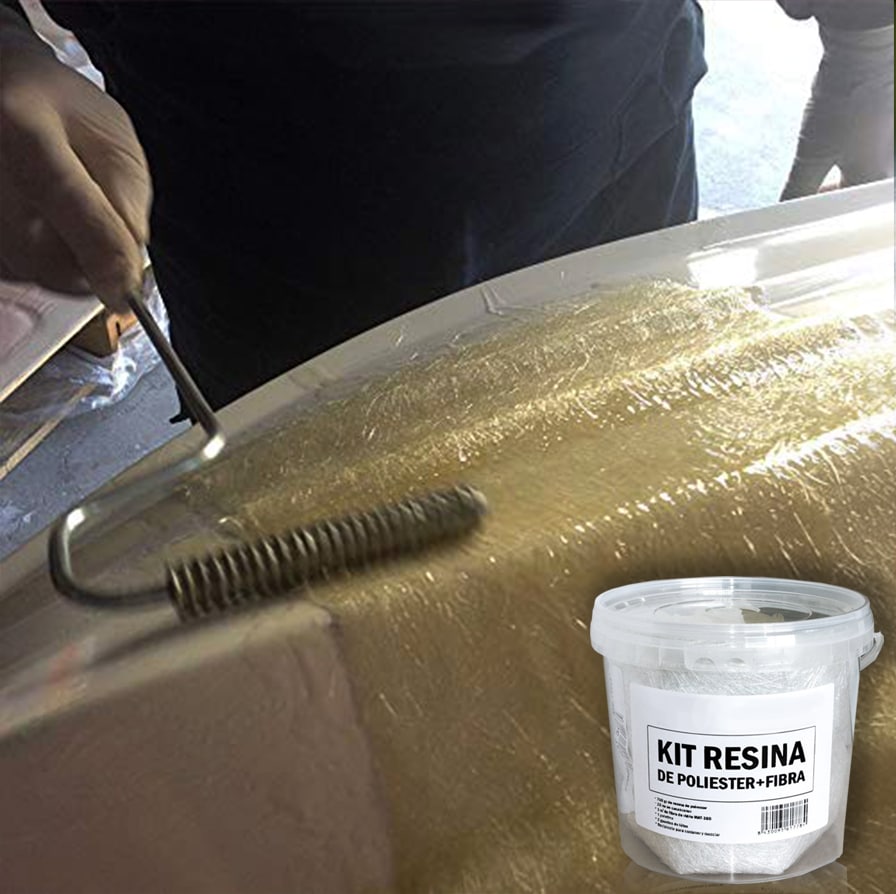

Step 3: Apply Resin and Reinforcement Materials
If your repair kit includes a fibreglass mat, like the Resin Fibreglass Repair Kit – Complete Polyester Resin and Hardener Set, cut the mat slightly larger than the damaged area. Apply a layer of resin to the prepared surface, press the mat onto the resin, and saturate it with additional resin, ensuring all fibres are soaked and no air pockets remain. Use a brush or stick for even distribution.
For small surface cracks or chips, a clear epoxy resin such as “Trasparente” – Multipurpose Clear Epoxy Resin for Casting – Up to 2cm allows for precise layering up to 2 cm thick. For larger fill or deeper cracks, “EpoxyTable 5-Five” – Deep Pour Epoxy Resin for Tables and Large Projects – Up to 5cm is ideal.
Prepare a dust-free, well-ventilated workspace. Secure the part with clamps or tape to hold it steady, and ensure the resin remains undisturbed during curing.
Step 4: Allow to Cure and Finish the Surface
After applying, let the resin fully cure as per the instructions. Curing times can vary depending on resin type, temperature, and thickness. Do not disturb or expose to heavy loads during this period. Once hardened, remove any clamps, then sand the area smooth using fine-grit sandpaper. For cosmetic repairs, you can layer additional resin or finish with suitable paint or protective coatings.
Allow the resin to fully cure before using your scooter again.

Tips and Troubleshooting for Resin Scooter Repairs
Check the material of your scooter part before choosing a resin. Keep your workspace clean to prevent contamination or dust settling in freshly poured resin. Mixing too much resin at once may cause premature curing; always use measured batches. Take special care not to trap air bubbles or leave dry spots in reinforcement mats, which can weaken the repair. If the surface remains sticky after curing, insufficient resin or incorrect ratio may be the cause—refer to the product explanations and repeat the application if necessary.
Step-by-Step Visuals: Applying and Curing Resin on Scooter Parts
Observe the recommended technique in action—images displaying resin application over broken scooter surfaces and full curing offer practical clarity for each repair step and show what properly repaired areas should look like before reassembly and use.
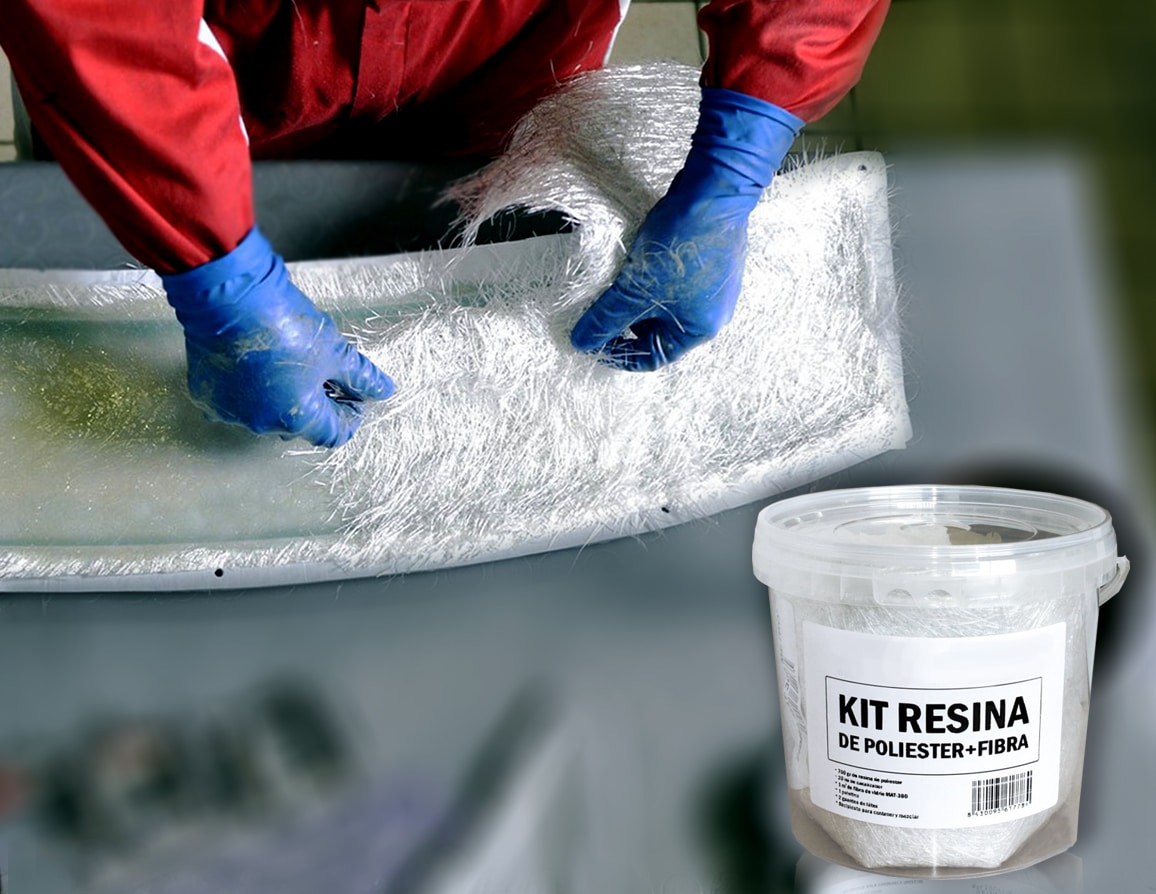
- Resin Fibreglass Repair Kit – Complete Polyester Resin and Hardener SetThe Resin Fibreglass Repair Kit offers reinforced structural repairs with a polyester resin and fibreglass mat suitable for various rigid surfaces.
- "Carbon Resin" – Epoxy Resin for Carbon Fiber & Fiberglass CoatingPrice range: £19.95 through £37.95Epoxy resin designed for composites and technical fabrics, offering durable results and a glossy finish suitable for structural integrity tasks.
 "Trasparente" – Multipurpose Clear Epoxy Resin for Casting – Up to 2cmPrice range: £8.95 through £397.95"Trasparente" is a clear epoxy resin suited for layering up to 2cm, designed for various DIY and restoration projects within the theme 'How to use…
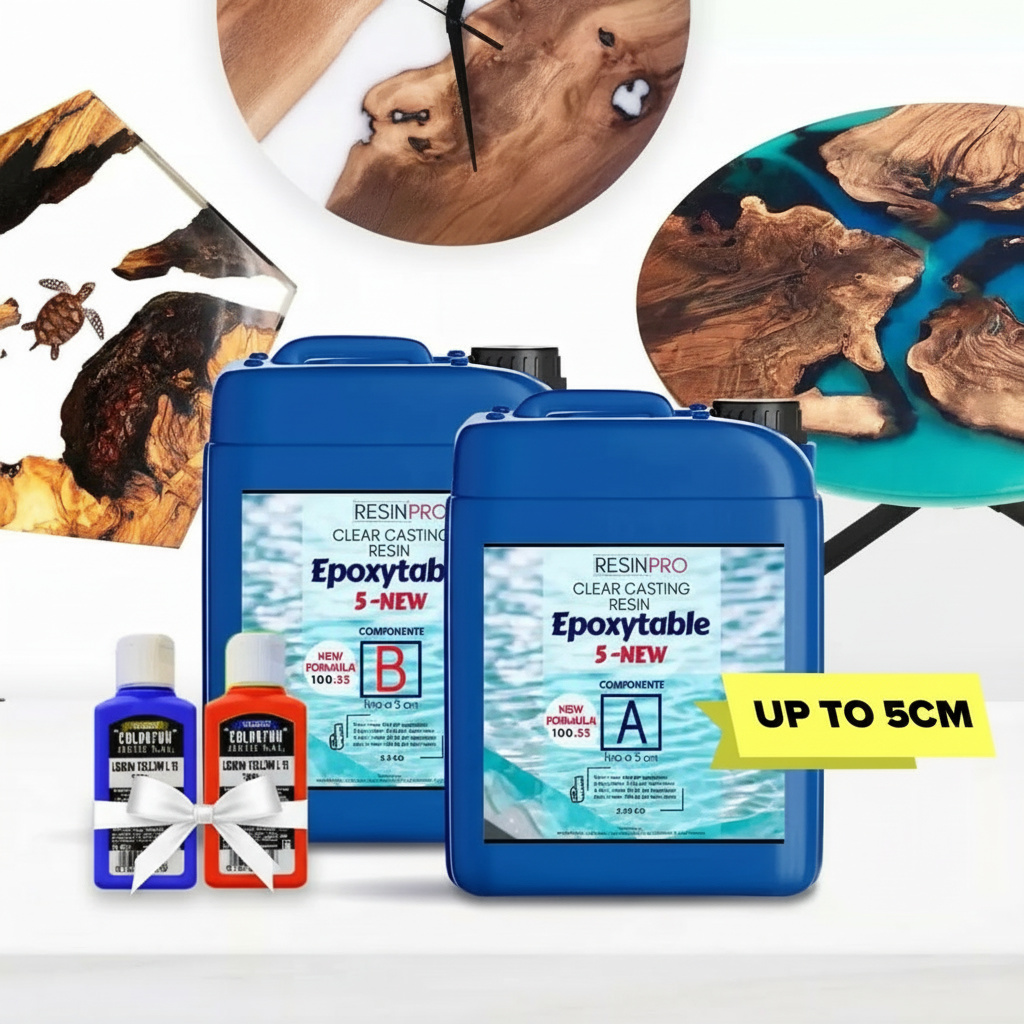 "EpoxyTable 5-Five" – Deep Pour Epoxy Resin for Tables and Large Projects – Up to 5cmPrice range: £17.95 through £1,154.95"EpoxyTable 5-Five" offers a low exothermic reaction and strong UV filters suitable for deep pouring applications up to 5cm thickness.
Frequently Asked Questions
Can I use resin to fix metal scooter parts?
Yes, suitable resin systems adhere well to rigid metals as long as surfaces are properly prepared and cleaned.
How long should I wait before riding my scooter after resin repair?
Wait until the resin is fully cured—this can range from several hours to several days, depending on the specific product.
Which resin should I use for plastic versus composite scooter parts?
Polyester kits suit rigid plastics; use epoxy-based options for fibre-reinforced or technical fabric parts.
Is a resin repair waterproof and safe for outdoor use?
Yes, cured resin repairs are waterproof and resilient to general weather exposure.
Do I need experience to repair a scooter with resin?
No, with attention to instructions, most resin kits are accessible for beginners and experienced users alike.
Can I paint over resin after it has cured?
Yes, once fully cured and sanded smooth, resin repairs can be painted using suitable primers and paints.
What if the resin remains sticky after curing?
Sticky resin usually indicates improper mixing ratio or insufficient curing time. Check instructions and reapply as needed.