 Free shipping on orders over £29,85
  Shipping Tracking!


 Google
 Facebook
How to use uv resin?
Step-by-step guide for perfect UV resin pieces every time
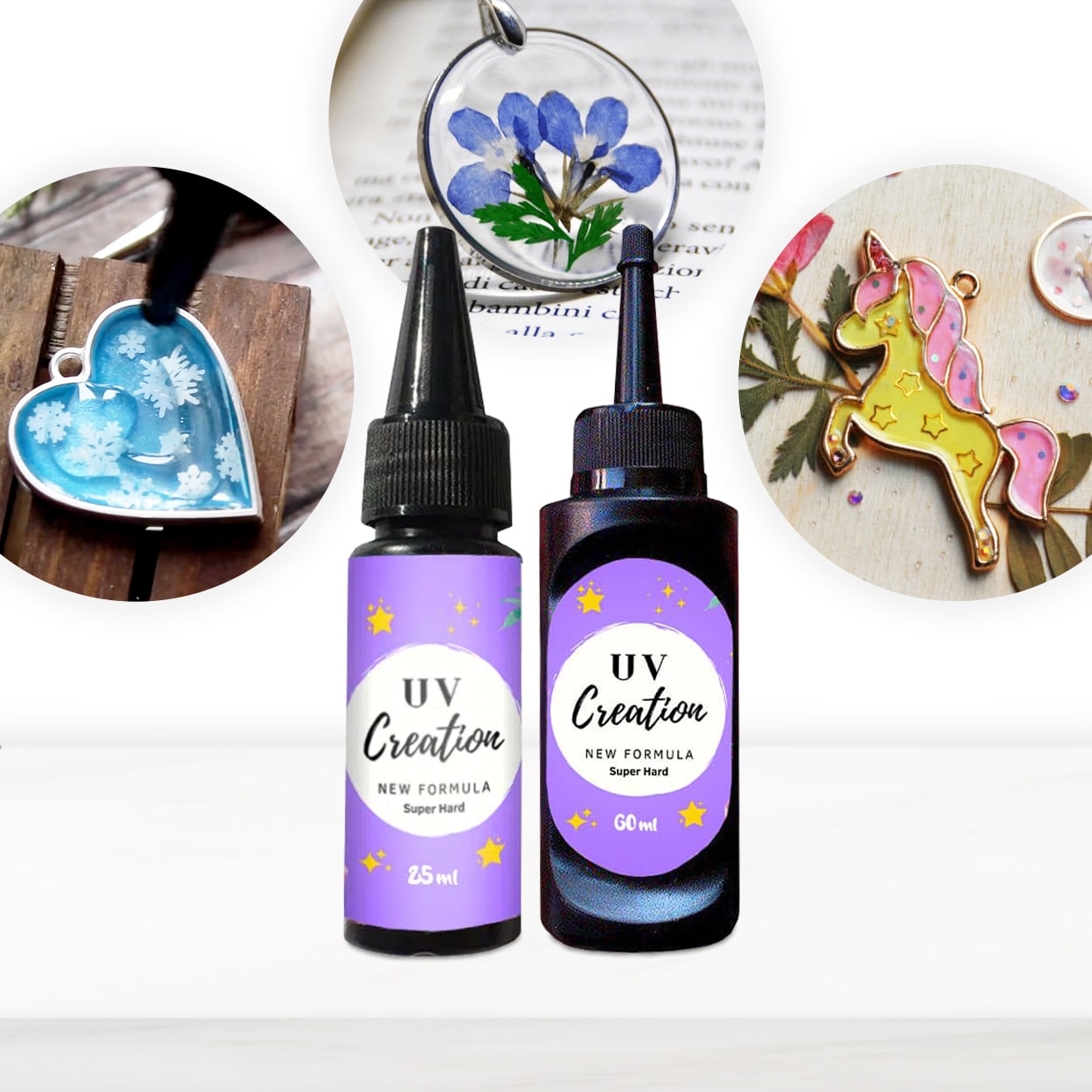
UV resin is an incredibly versatile material perfect for crafting jewellery, decorations, and small objects with a professional, glossy finish. It offers almost instant curing times and simple application, making it ideal for beginners and experienced crafters alike. This guide will show you exactly how to use UV resin—covering preparation, pouring, curing, and finishing—so you can achieve stunning, durable results every time.
What You’ll Need
- “UV–Creation” – Fast Acrylic Resin, 3 Minute UV Cure: A ready-to-use, quick-curing UV gel for basic jewellery and craft work.
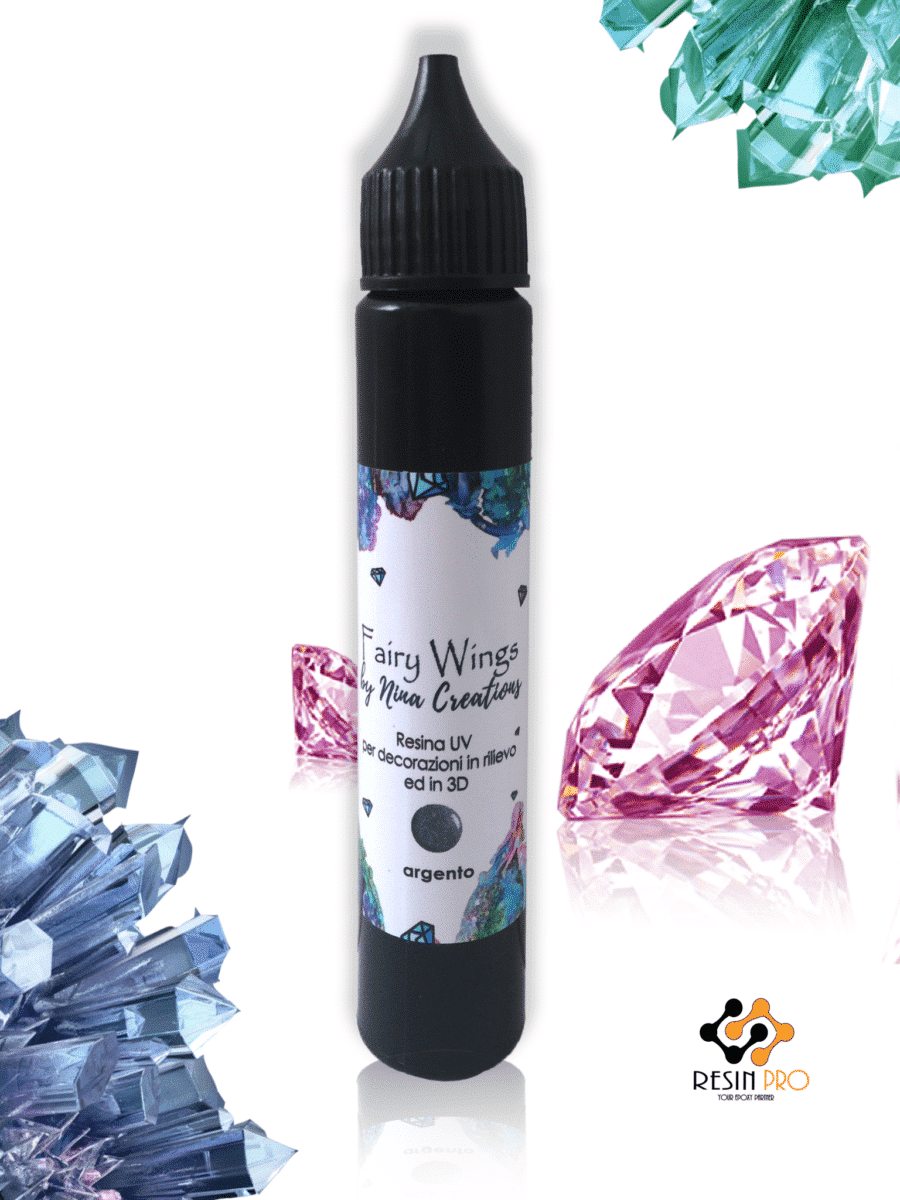
- “Fairy Wings” – UV Resin for Volumetric Reliefs, Dual Colour, 30ml: For intricate 3D or decorative finishes, especially on polymer clay.
- UV Resin Kit with 5 Christmas Silicone Moulds for Festive Crafting: For festive or moulded creations, especially for beginners.
- 380W UV Lamp with Automatic Sensors for Fast Resin and Gel Curing: Essential for efficient and thorough UV resin curing.
- Protective gloves and a mask (for safety)
- Mixing sticks, spatula, silicone moulds, or bezels, depending on your project
- Alcohol wipes or isopropyl alcohol (for cleanup and surface wiping)
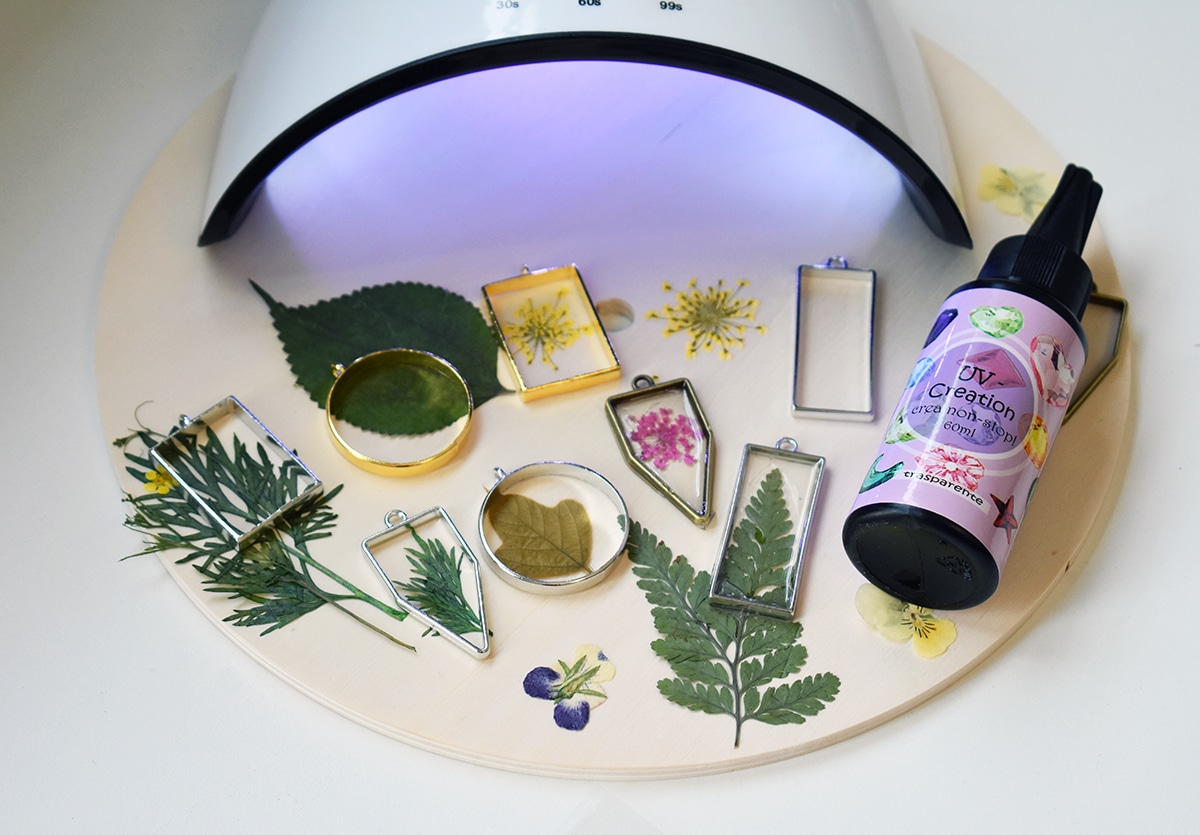
Essential UV Resin Crafting Tools in Action
See how our UV-curing resins and lamps can transform your craftwork. Explore real project examples, from jewellery pouring to decorative sculpting, and witness the clarity, speed, and precision possible with ResinPro’s expertly designed materials and tools. These visuals highlight the crucial role played by fast-curing resins and reliable UV lamps in achieving professional results.
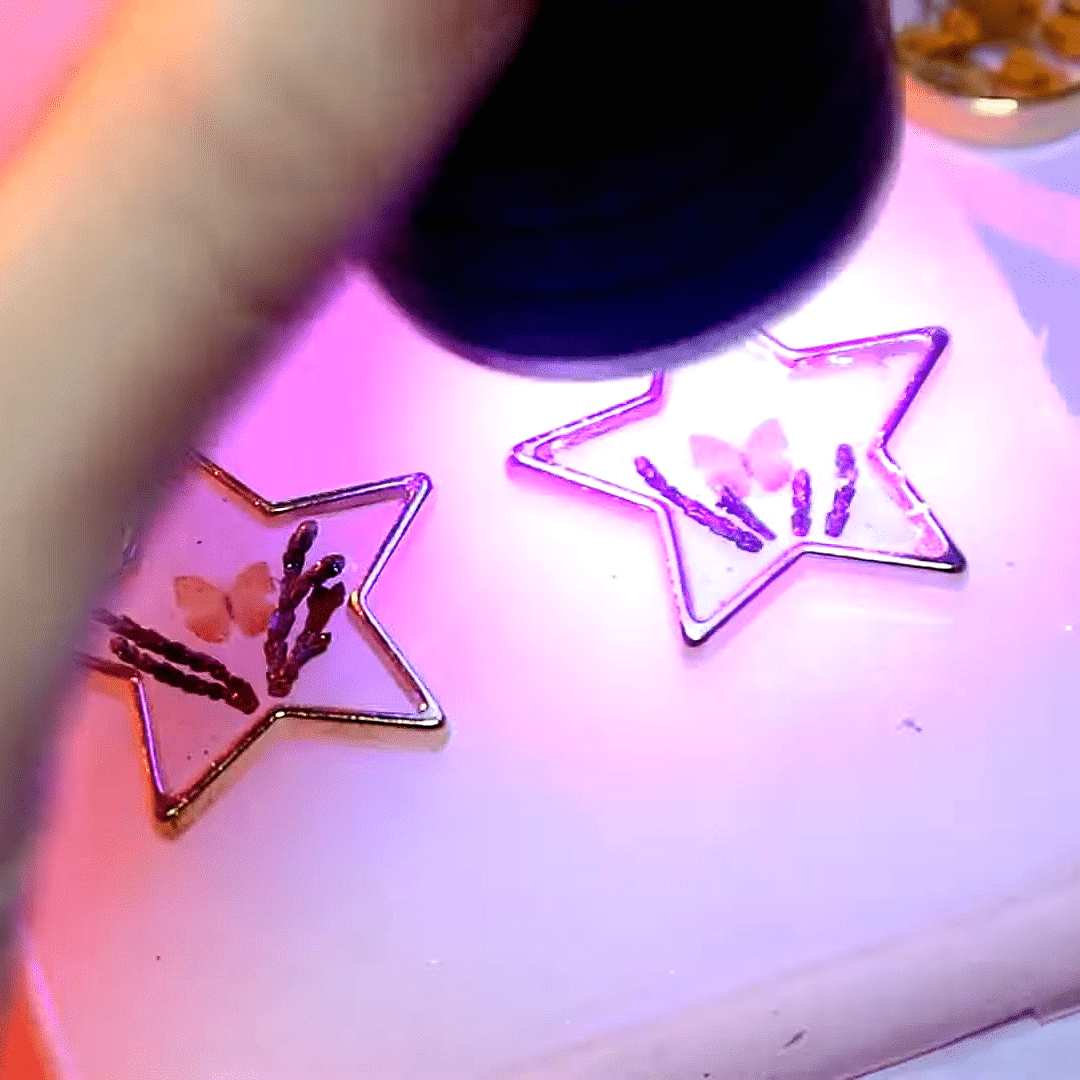
Step 1: Set Up Your Workspace and Prepare Materials
Work in a well-ventilated area away from direct sunlight, as UV resin can harden prematurely when exposed. Protect your surfaces with a silicone mat or disposable sheet, and gather all your tools before starting to streamline your project flow. Always wear gloves and, if sensitive to fumes, consider a mask for added safety.
Start with a clean, dry surface. If using moulds or jewellery bezels, ensure they are dust-free and free from oil or fingerprints, which can affect the finish.
Step 2: Pour and Spread the UV Resin
Choose the right resin for your design: for general jewellery, opt for a fast-curing gel like “UV–Creation” – Fast Acrylic Resin, 3 Minute UV Cure. If working on decorative relief work or polymer clay, a formulation such as “Fairy Wings” – UV Resin for Volumetric Reliefs, Dual Colour, 30ml is ideal for thin, detailed applications. Using a mixing stick or spatula, apply the resin into your mould or bezel.
Apply resin in thin layers no thicker than 3 mm. Spreading too thick may result in incomplete curing. Swirl gently to remove air bubbles before curing, and keep resin away from direct sunlight before curing to prevent premature hardening.
Step 3: Cure the Resin with a UV Lamp
Once you’ve poured your resin layer, place your piece under a UV lamp such as the 380W UV Lamp with Automatic Sensors for Fast Resin and Gel Curing. Most UV resins cure quickly—cure each layer thoroughly under the UV lamp for 2–5 minutes depending on the product and lamp strength. Automatic sensors simplify the process, powering up the lamp when the piece is inserted.
Avoid touching the surface until it is fully cured to prevent fingerprints or marks. Inspect the piece after curing; if tackiness remains, repeat UV exposure in short increments until fully dry to the touch.
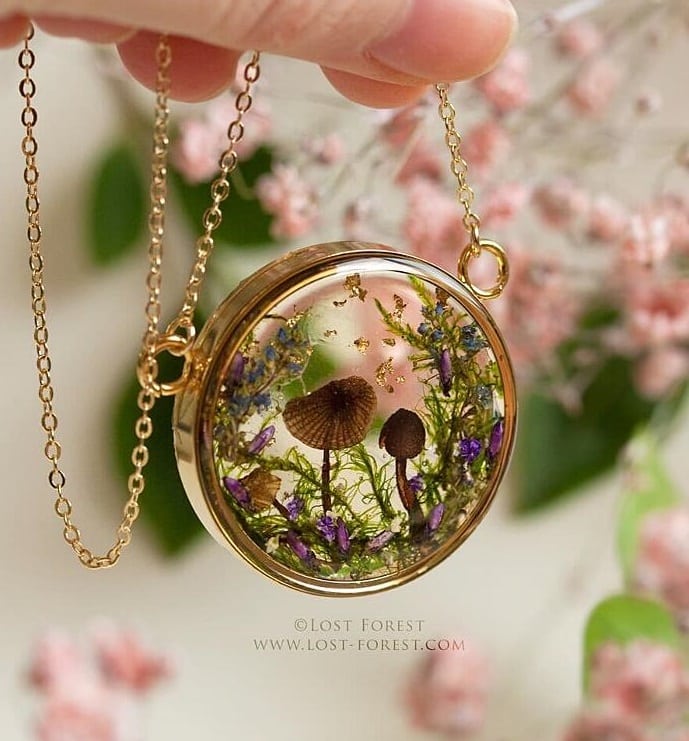
Step 4: Demoulding and Finishing Touches
Carefully remove your resin piece from the mould or bezel. If any resin has spilled, remember that spillage can be wiped away before curing with isopropyl alcohol. For sharp or uneven edges, lightly sand or file the surface, taking care not to scratch the glossy finish. Clean tools and work surfaces immediately after use.
If you wish to embellish or add more layers, repeat the pouring and curing process as required, remembering to keep layers thin for optimal results.
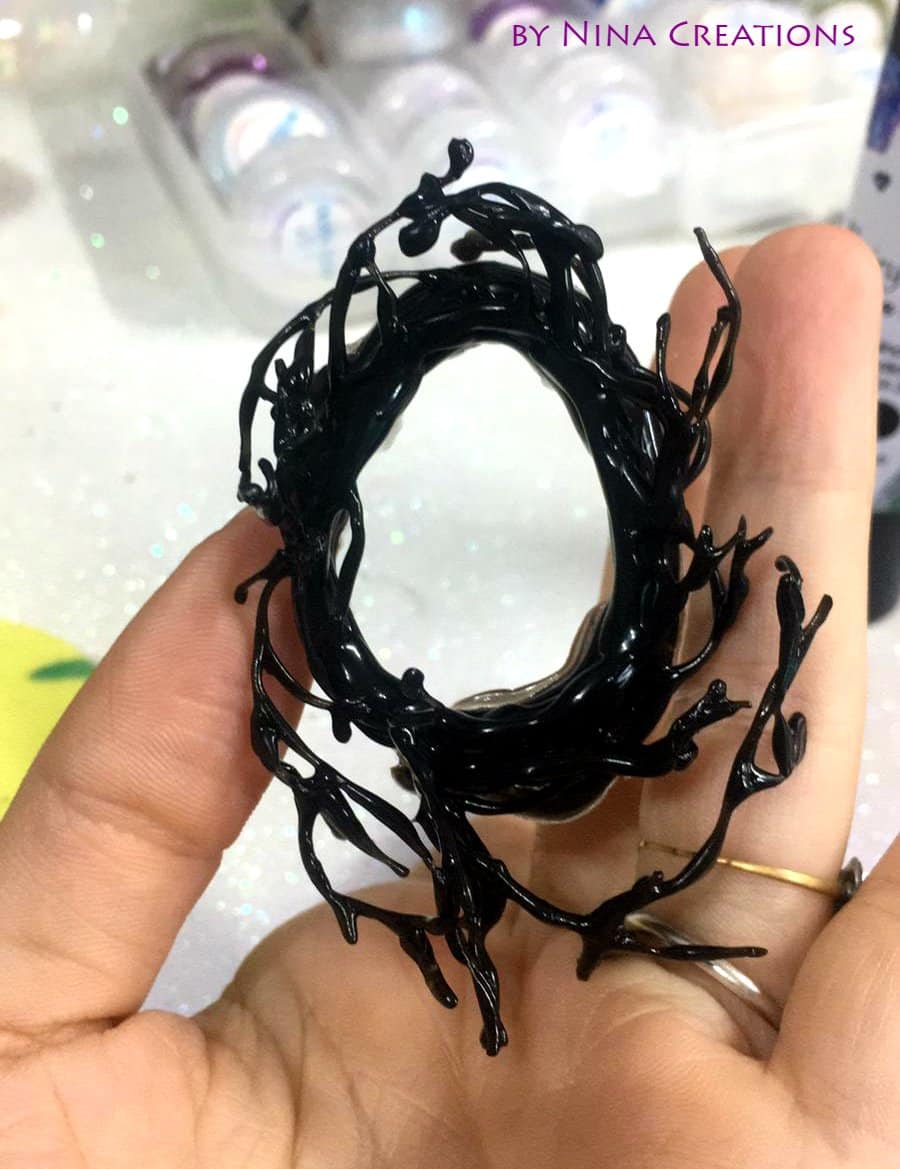
Tips, Common Mistakes, and Safety Advice
Protect your work area with disposable sheets or silicone mats to reduce cleanup. Ensure every resin layer is fully cured to avoid tacky surfaces, and avoid mixing different resin types in one piece. If bubbles form, pop them gently with a toothpick before curing. Store UV resin away from sunlight and heat to preserve its quality.
Remember that thick layers may trap air and not cure evenly. Always follow manufacturer’s guidelines for layer thickness and lamp usage for best results.
Finishing Details and Creative Possibilities
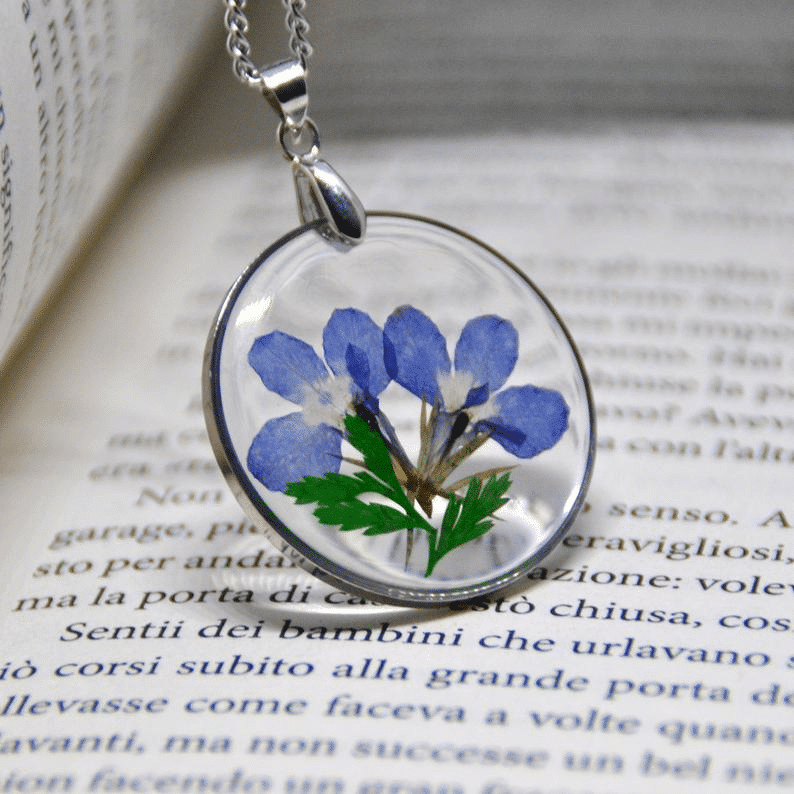
Discover creative ways to finish and personalise your UV resin projects. From sanding and polishing to embedding flowers or charms, the media here showcases both troubleshooting tips and advanced finishing touches. Find inspiration and technique ideas for getting the most from every bottle of UV resin and every project you complete.
- "UV–Creation" – Fast Acrylic Resin, 3 Minute UV CurePrice range: £8.45 through £62.95UV–Creation is a fast-curing, ready-to-use UV gel resin suitable for jewellery making and crafting under the 'How to use uv resin?' theme.
- "Fairy Wings" – UV Resin for Volumetric Reliefs, Dual Colour, 30mlOriginal price was: £15.15.£2.85Current price is: £2.85."Fairy Wings" UV Resin is a ready-to-use acrylic gel suitable for detailed 3D reliefs and decorations with dual colour options.
 UV Resin Kit with 5 Christmas Silicone Moulds for Festive CraftingPrice range: £15.95 through £27.45UV Resin Kit with 5 Christmas Silicone Moulds offers a straightforward approach to festive crafts suitable for various skill levels.
 380W UV Lamp with Automatic Sensors for Fast Resin and Gel Curing£13.95The 380W UV Lamp offers efficient curing suitable for UV resin and gel applications, fitting the theme 'How to use uv resin?'.
Frequently Asked Questions
How thick can I pour UV resin in one go?
For best results, keep each UV resin layer below 3 mm. Thicker layers may not cure fully and can stay tacky or form bubbles.
What can I embed or use with UV resin?
Dried flowers, glitters, and small charms can be safely embedded. Make sure all items are dry and oil-free for perfect adhesion.
What's the difference between UV resin and epoxy resin?
UV resin cures instantly under UV light and is best for small or detailed projects, while epoxy resin is mixed in two parts and better for larger pours.
Why is my UV resin still tacky after curing?
Incomplete curing or too-thick layers can cause tackiness. Re-expose to UV or reapply in thinner layers for a hard finish.
How do I clean spills or tools after using UV resin?
Wipe spills or tools with isopropyl alcohol before curing. Once cured, resin can be peeled off non-porous surfaces.
Is UV resin safe for children or beginners?
UV resin should be used under adult supervision and with protective gloves. It is simple for beginners, but safety precautions are a must.
What's the best way to store UV resin and my creations?
Store UV resin tightly sealed in a cool, dark place. Finished pieces should be kept away from prolonged sunlight to prevent ageing.