 Free shipping on orders over £29,85
  Shipping Tracking!


 Google
 Facebook
How to wash a car so resin doesn’t stick?
Simple steps to keep car surfaces resin-free and easy to clean


Washing your car the right way makes a huge difference in protecting your vehicle’s paint from persistent problems like tree resin. This guide explains easy steps you can follow to make sure resin and sticky contaminants are less likely to stick, helping you maintain a clean, glossy car finish with less effort.
What You’ll Need
- Strong Technical Degreaser for Resin Projects – 100% Natural Formula – for safe, effective removal of sticky residues
- Pure Isopropyl Alcohol 99.9% – 1000ml Bottle for Epoxy Resin Projects & DIY – to degrease and remove any fine contaminants
- A gentle automotive car shampoo (choose resin-safe)
- Soft microfibre wash mitts and drying towels
- Two clean buckets (one for soapy water, one for rinsing)
- Access to fresh running water
- Car wax or sealant (for optional final protection)
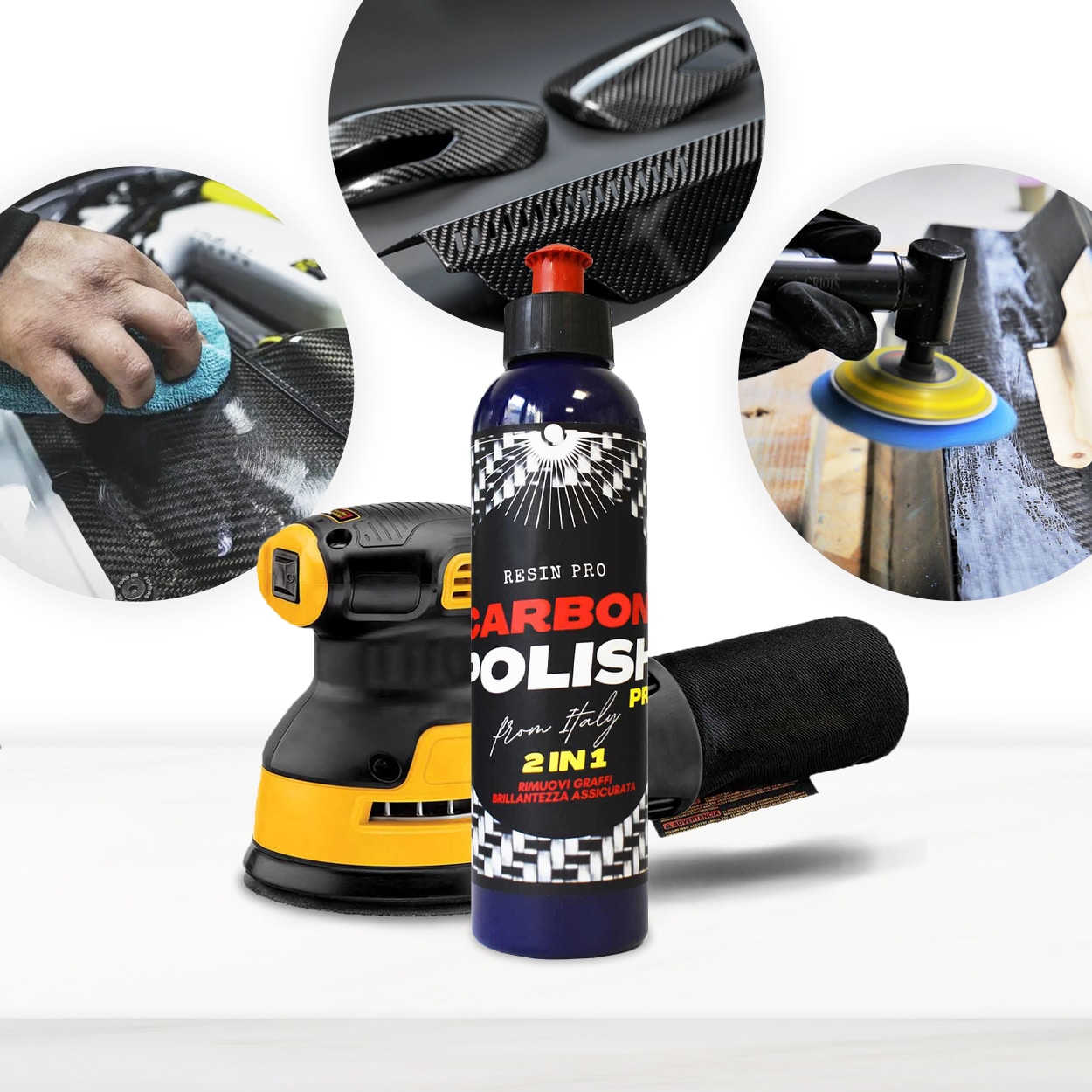
See the Difference Proper Washing Makes
Proper pre-wash preparation combined with the right cleaning products gives your car a lasting, resin-repellent shine. Notice how a thorough rinse, gentle washing, and effective residue removal reduce resin build-up and keep your paintwork looking pristine.
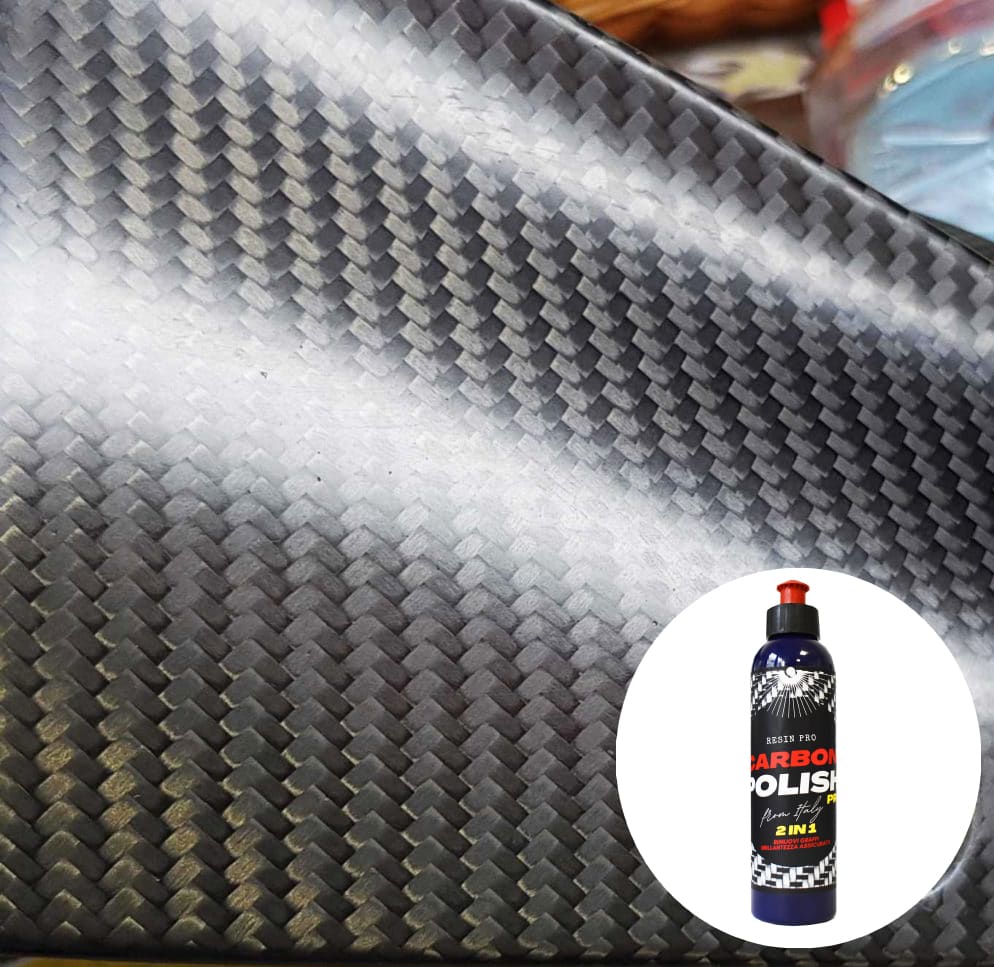
Step 1: Rinse Away Loose Dirt and Debris
Rinse thoroughly before washing to remove as much loose dirt and debris from the paintwork as possible. Use a hose or pressure washer at a moderate setting, starting from the roof and working downwards. This step reduces the risk of scratches and helps prevent sticky materials (like resin) from bonding with dry dust on the surface.
Avoid hard sprays that force debris into the paint. Take care to direct water into panel gaps where resin and sap can hide. Remove any obvious chunks of tree matter or insects gently with your hand.
Step 2: Wash With a Gentle, Resin-Safe Soap
Fill one bucket with clean water and another with the recommended dilution of your chosen car shampoo. Use gentle, non-abrasive cloths or a microfibre mitt to wash the car, always working top to bottom. Regularly rinse your mitt in the clean water bucket between passes to keep dirt away from the paint.
Focus on one section at a time. If you see bird droppings, sap, or sticky spots, take extra care but avoid aggressive scrubbing—this can force contaminants into the surface.
Step 3: Remove Stubborn Grease, Sap, or Resin Residues
For areas where sticky substances remain after the regular wash, gently apply Strong Technical Degreaser for Resin Projects – 100% Natural Formula with a soft cloth. This natural, solvent-free degreaser lifts residues like sap, grease, and light resin without damaging paint or plastics. Let it dwell for a short time, then wipe gently and rinse thoroughly with water.
If you notice very fine or persistent spots, carefully dab a small amount of Pure Isopropyl Alcohol 99.9% onto a microfibre pad and gently work over the trouble area. Be sure not to overuse and rinse the area after cleaning.

Step 4: Dry and Protect the Surface
Use a clean, dry microfibre towel to dry all paintwork, glass, and trim. Avoid letting water spots form, especially after using any cleaning chemicals. When the car is completely dry, consider applying a wax or sealant. These protective layers help resin, pollen, and tree sap slide off more easily in the future, simplifying your next wash and reducing the risk of stains.
Remember that waxing should only be done on clean, dry, and cool surfaces for best adhesion and even coverage.

Tips, Common Mistakes, and Troubleshooting
- Avoid washing in direct sunlight as this can make soaps and degreasers dry quickly, leaving marks and reducing effectiveness.
- Check your wash mitts and towels for debris before each use to avoid scratching paint.
- Test any new cleaning product on an inconspicuous area before wider use.
- For larger dried resin spots, avoid scraping since this can damage clearcoat; persist with gentle degreasers and water, repeating as needed. Use a scraper tool only for glass, if necessary.
- Wax for extra protection but always ensure the surface is free of any remaining residue first.
Resin-Resistant Surfaces in Action
Using high-grade degreasers and isopropyl alcohol helps make cleaning up resin and contaminants easy and safe. Most importantly, regular protective measures ensure any future resin can be quickly wiped away before it causes damage or staining.

- Strong Technical Degreaser for Resin Projects – 100% Natural FormulaOriginal price was: £10.00.£8.85Current price is: £8.85.Strong Technical Degreaser is a gentle, natural cleaner suitable for removing residues in resin projects and on various surfaces.
- Pure Isopropyl Alcohol 99.9% – 1000ml Bottle for Epoxy Resin Projects & DIYPrice range: £9.85 through £19.85Pure Isopropyl Alcohol 99.9% in 1000ml is suitable for epoxy resin projects, helping remove bubbles and supporting a clean resin surface.
- "Carbon Polish" – Polishing System for Dark and Black Surfaces, 250mlPrice range: £17.85 through £44.85Carbon Polish Black is designed for polishing dark and black surfaces including epoxy resin projects in the 'How to wash a car so resin doesn’t…
- Scraper for Paint & Dry Resin Removal – 10 Double-Sided Blades£4.65The Window Scraper is designed for effective removal of paint and dry resin from smooth surfaces, suitable for professionals and DIY users.
Frequently Asked Questions
How often should I wash my car to prevent resin buildup?
Ideally, wash your car every one to two weeks, especially during seasons when trees are producing more sap or pollen.
Are degreasers for resin safe on car paintwork?
Natural, solvent-free degreasers designed for resin are gentle and safe for modern paint finishes if used as directed.
Can I use car polish to remove resin spots?
It's better to use resin-specific degreasers. Only use polish if residue persists and test on a hidden area first.
Should I wax after washing to prevent resin sticking?
Yes, applying wax creates a protective layer, making it much easier to clean off any future sap or resin.
Which is better for removing sticky resin: isopropyl alcohol or degreaser?
Start with a natural degreaser for safety. Only use isopropyl alcohol on stubborn spots, as a secondary option.
Can I use a scraper to remove dried resin from car paint?
Avoid this on painted surfaces as it risks scratching. Only use scrapers for dried resin on glass areas.