 Free shipping on orders over £29,85
  Shipping Tracking!


 Google
 Facebook
How to Work with Epoxy Resin
Beginner and expert techniques for epoxy resin projects

Epoxy resin offers a versatile, professional-grade finish for everything from creative crafts and jewellery to durable furniture and unique river tables. Whether you are a first-time user or looking to refine your results, this guide will take you through the essential steps and best practices for working safely and effectively with epoxy resin in your next project.
What You’ll Need
- “Trasparente” – Multipurpose Clear Epoxy Resin for Casting – Up to 2cm – transparent for small to medium-layer castings
- “EpoxyTable 5-Five” – Deep Pour Epoxy Resin for Tables and Large Projects – Up to 5cm – ideal for medium-depth crafts and table projects
- “Epoxytable 10-Ten” – Deep Pour Epoxy Resin for Tables, Up to 10cm Casting – for super-deep, large-scale creations
- “River-Table” – Complete Kit for Creating Your First Epoxy Resin Table – includes resin, pigments, sealants and all necessary accessories
- Nitrile gloves, protective eyewear, and suitable measuring containers
- Mixing sticks, heat gun or torch, and silicone moulds or formwork
- Cleaning supplies (e.g., isopropyl alcohol, lint-free cloths)

See Epoxy Resin Applications in Action
View finished epoxy river tables, layered art pieces, and shimmering jewellery projects made with casting techniques described in this guide. Notice the clarity and depth achievable when using the correct pour thickness and proper mixing methods. Each example showcases a unique resin application style, providing inspiration and confidence for your own creative work.

Step 1: Prepare Your Workspace and Materials
Begin by ensuring your workspace is dust-free, away from direct sunlight, and protected with a plastic drop sheet or disposable covering. Always work in a well-ventilated area and wear gloves and safety glasses to avoid contact with skin and eyes. Organise all your materials in advance and ensure your resin components are at room temperature. Work surfaces and moulds should be clean and dry before mixing the resin.
Step 2: Measure and Mix the Epoxy Resin
Accurate measurement is key for epoxy resin success. Consult your chosen resin’s instructions for the recommended ratio of resin to hardener—typically a 2:1 or 1:1 ratio by volume or weight. Use separate, clearly marked containers to avoid contamination. Pour both parts into a clean mixing vessel and take your time when mixing resin; stir slowly in a figure-eight motion for several minutes, scraping the sides and bottom to ensure a thorough mix. For a first project or beginner-friendly experience, consider a kit like the “River-Table” – Complete Kit for Creating Your First Epoxy Resin Table, which includes helpful instructions and accessories.
Step 3: Pour and Spread the Resin
Carefully pour the mixed resin into your prepared mould, cavity, or on your surface. Prevent bubbles by pouring slowly and using a heat gun or torch for a brief pass above the surface—this pops any trapped air rising through the mixture. If casting multiple layers or working on deep pours (over 2cm), use products specifically designed for this depth, such as “EpoxyTable 5-Five” – Deep Pour Epoxy Resin for Tables and Large Projects – Up to 5cm or “Epoxytable 10-Ten” – Deep Pour Epoxy Resin for Tables, Up to 10cm Casting. Spread with a spatula if needed and work quickly but steadily, as pot life depends on resin type and room temperature.

Step 4: Curing, Demoulding, and Finishing
Let your project cure undisturbed for best results. Most resins require 24–72 hours to fully cure; check the product label for specifics. Avoid moving or covering your piece while curing as any disturbance can cause imperfections. Once your resin has hardened, gently remove it from the mould or formwork. For a clear, mirror finish, sanding and polishing may be necessary—your kit might include a polishing set. Finish by cleaning the surface with a lint-free cloth and checking for any spots needing extra buffing or detail.

Tips and Troubleshooting for Resin Success
- Choose a resin formulated for your pour depth: standard casting resin for up to 2cm, medium or deep pour resin for thicker projects.
- Avoid moisture—humidity or damp materials can cause cloudiness or bubbles.
- Keep your workspace at a stable temperature for optimal curing.
- Remove bubbles early—mistakes are much harder to fix after curing.
- If working with pigments or inclusions, mix these thoroughly before pouring.
Gallery: Before and After Curing
Observe the transformation from freshly poured resin to fully hardened creations. Compare side-by-side images of typical epoxy projects and notice the difference careful technique makes in surface gloss, transparency, and bubble-free finishes. Proper curing and post-processing are essential for achieving a professional result every time.
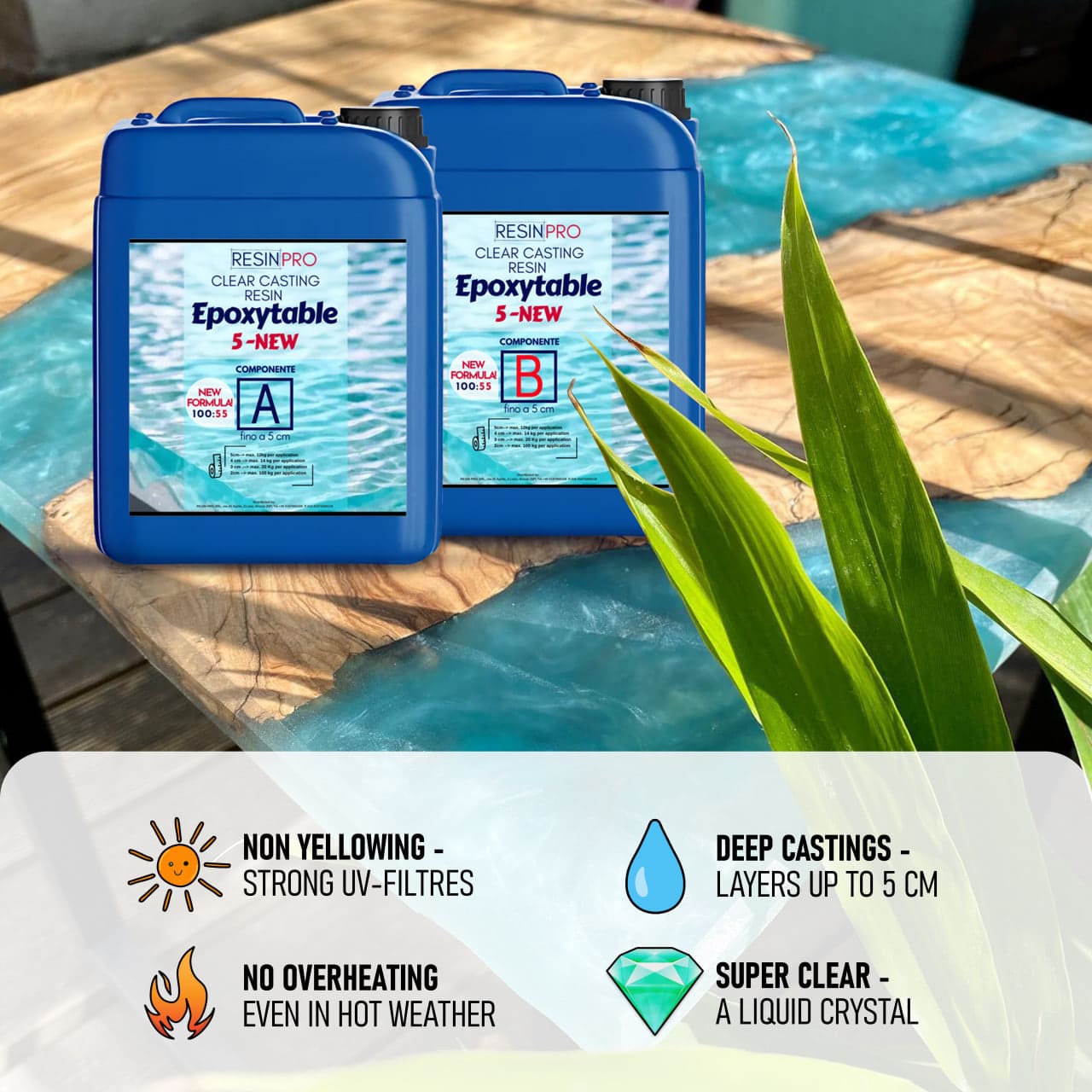
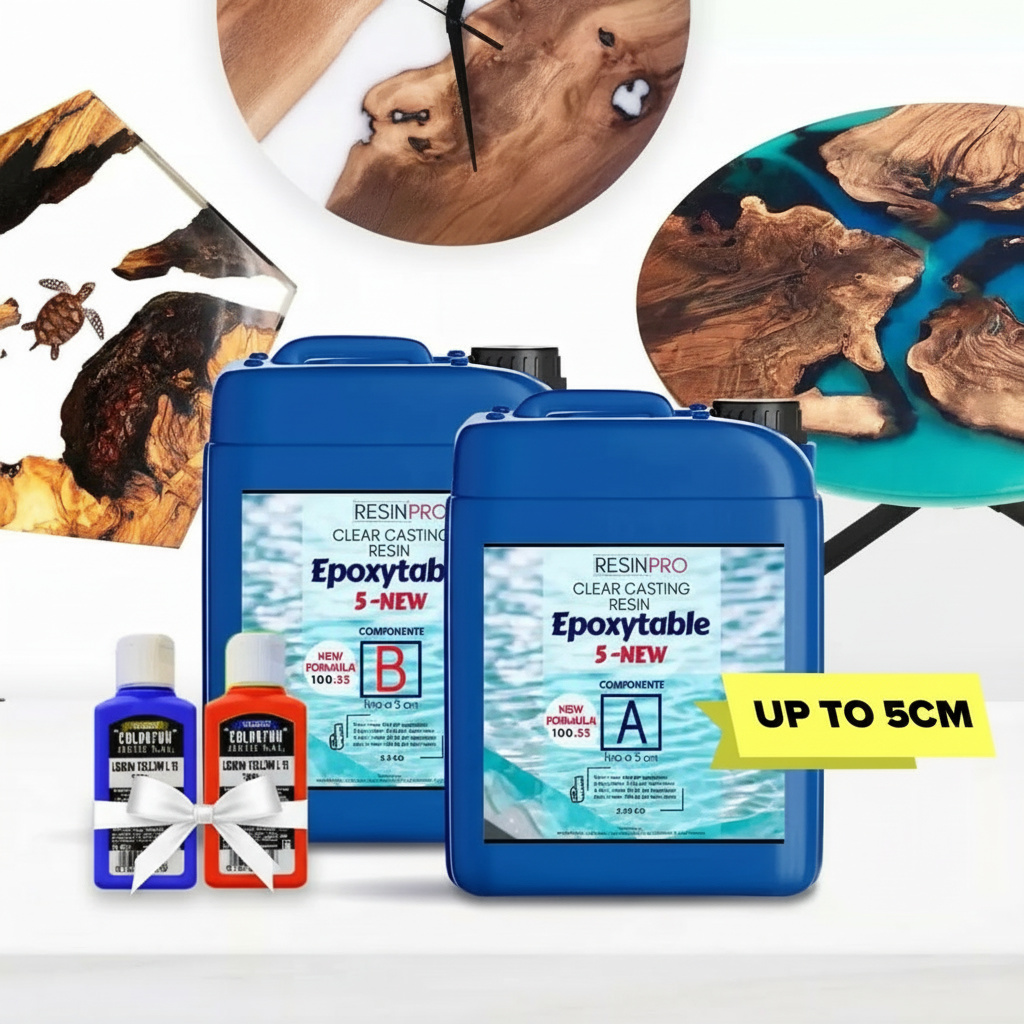
- "EpoxyTable 5-Five" – Deep Pour Epoxy Resin for Tables and Large Projects – Up to 5cmPrice range: £16.85 through £1,099.85"EpoxyTable 5-Five" is designed for tables and large projects with deep pours, offering low viscosity and strong UV resistance.
- “Epoxytable 10-Ten” – Deep Pour Epoxy Resin for Tables, Up to 10cm CastingPrice range: £33.85 through £334.85“Epoxytable 10-Ten” is designed for deep casting up to 10cm, suitable for table projects as described in How to Work with Epoxy Resin.
 "Trasparente" – Multipurpose Clear Epoxy Resin for Casting – Up to 2cmPrice range: £8.45 through £948.85"Trasparente" is a clear epoxy resin suited for casting layers up to 2cm, providing a glossy, self-levelling finish for various DIY and artistic…
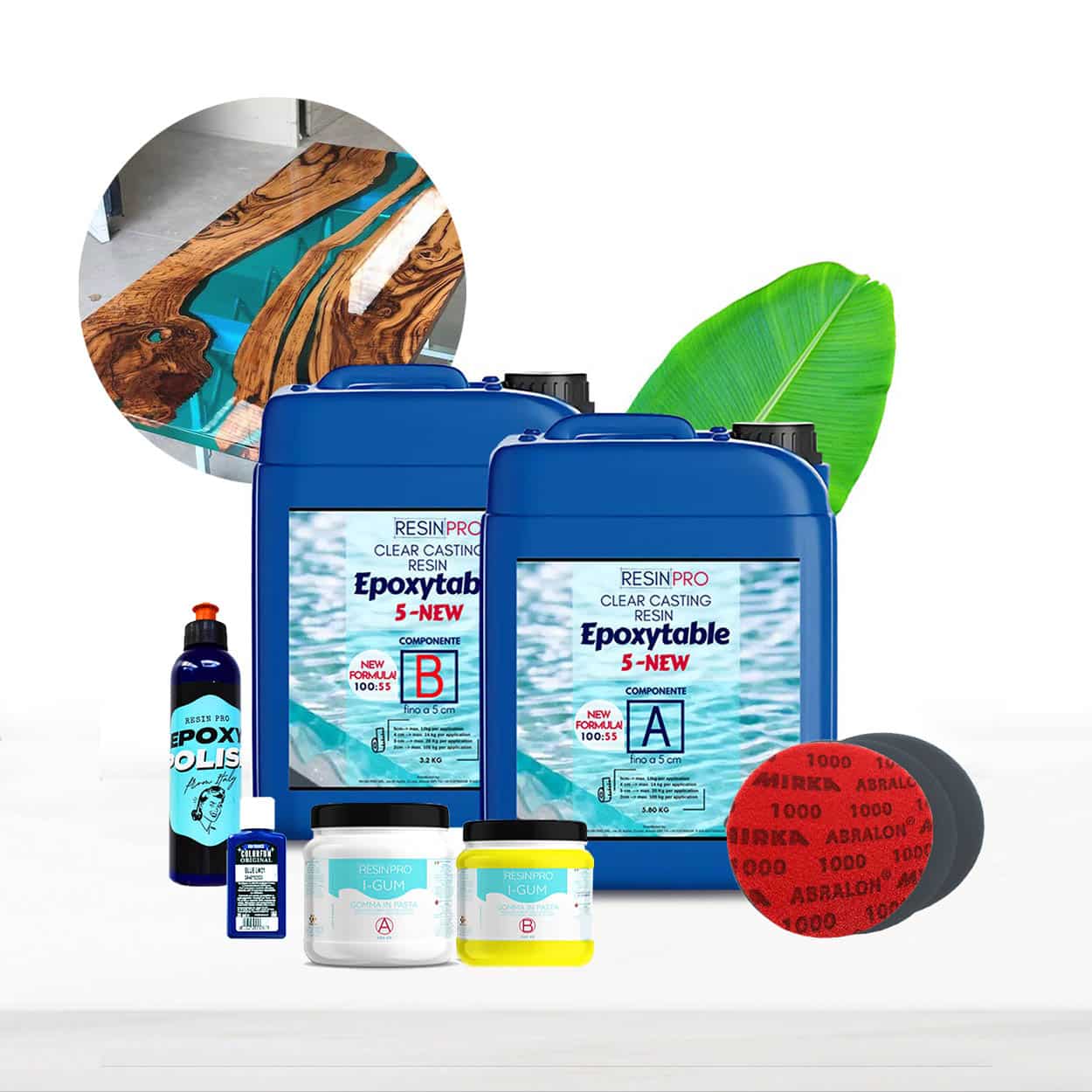 "River-Table" – Complete Kit for Creating Your First Epoxy Resin TablePrice range: £188.85 through £444.85"River-Table" kit provides materials and instructions for creating wood and resin tables, suitable for beginners.
Frequently Asked Questions
How do I choose the right epoxy resin for my project?
Select your resin based on the planned pour thickness and project type. Use deep pour resins for thick tables, and multipurpose or clear resin for castings under 2cm.
How can I avoid bubbles when casting resin?
Mix and pour resin slowly, and use a heat gun or torch to remove trapped air bubbles. Make sure surfaces are dry and at the right temperature.
How long does epoxy resin take to cure?
Curing time varies by resin type and environmental conditions. Most require 24–72 hours but always check your product instructions for the best results.
Is epoxy resin safe for home use?
Epoxy resin is safe if handled correctly: work in a ventilated area, use gloves, and avoid skin contact. Follow all product safety guidelines during use.
Can I cast resin in multiple layers?
Yes, layering is common for deep or complex projects. Allow each layer to partially cure before adding the next for strong adhesion and a clear finish.
What tools and accessories are needed for epoxy resin?
Essentials include gloves, safety glasses, mixing sticks, measuring jugs, heat gun or torch, and clean moulds or forms for your selected project.
How do I polish epoxy resin for a glossy finish?
Once the resin is fully cured, sand gently with fine grit pads and use specialised polishing cream to achieve a smooth, glossy surface.