 Free shipping on orders over £29,85
  Shipping Tracking!


 Google
 Facebook
← Back to How to colour resin for marble?
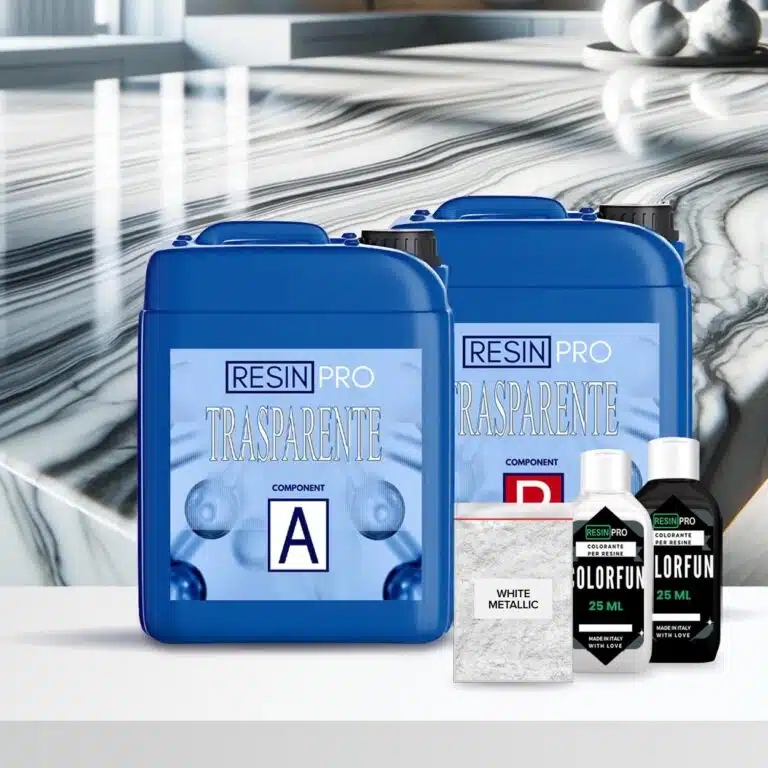
Achieving a realistic marble effect in resin requires the right combination of colourants, additives, and application tools. With thoughtful selection, you’ll be able to mimic natural stone finishes on worktops, boards, and decorative pieces.
Selecting Pigments and Dyes
To achieve professional marble effects, use highly concentrated pigments or dyes designed for resin. Products like the Renaissance dye set allow you to control translucency and intensity—using about 1% pigment for a subtle, translucent look and up to 5% for richer, more opaque colours. Avoid exceeding 5% pigment concentration to ensure proper curing and finish quality.
- Opt for liquid colourants for seamless blending.
- Colour pastes are ideal for solid and intense marble veining.
- Custom shades can be created by blending black, white, and metallic pigments.
Using Isopropyl Alcohol and Essential Tools
Isopropyl alcohol is key for creating authentic marble veins and soft transitions between colours. Lightly spraying or dripping it on the resin surface disperses pigment, delivering those winding marble lines and natural gradients. Use mixing sticks, gloves, and spreaders to blend colours and guide the resin. Small brushes or pipettes allow precision when adding veining details.
Practical Tips for Application
Work in layers, allowing each to set before adding the next for depth and authentic variation. Always mix colourants thoroughly for a streak-free appearance. Kits like the Stone Effect Collection – Marble Epoxy Resin Countertop Kit include pre-chosen pigments and tools to make the process accessible, even for beginners.
When This Matters
Choosing specialised marble-effect pigments and tools is important when you want your resin project to closely resemble natural stone—particularly for visible surfaces such as kitchen worktops or decorative panelling.
Related products
Related guides
By combining the right pigments, dyes, isopropyl alcohol, and tools, you can achieve unique, eye-catching marble effects in resin. Explore further tips and recommendations on how to colour resin for marble to perfect your technique.