 Free shipping on orders over £29,85
  Shipping Tracking!


 Google
 Facebook
← Back to How much resin is needed to cover a 3×3 bathroom?
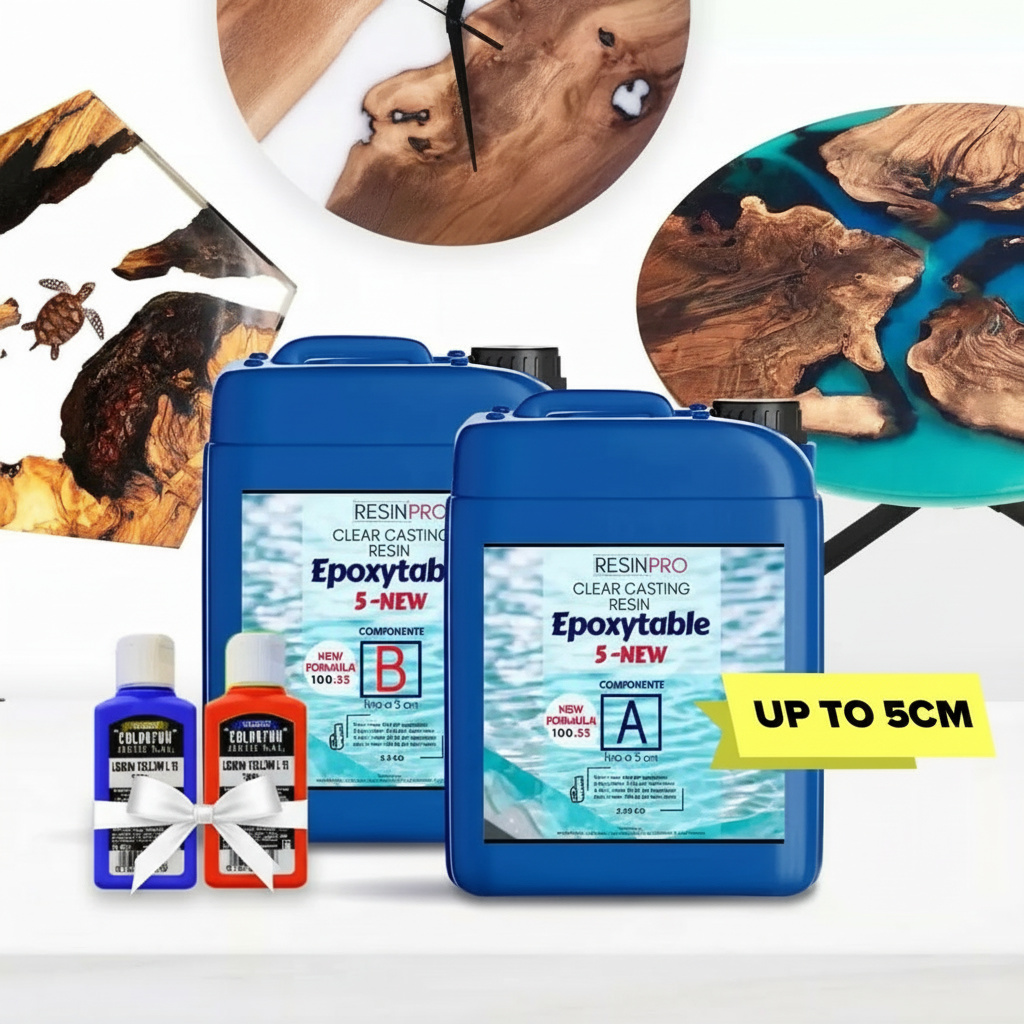
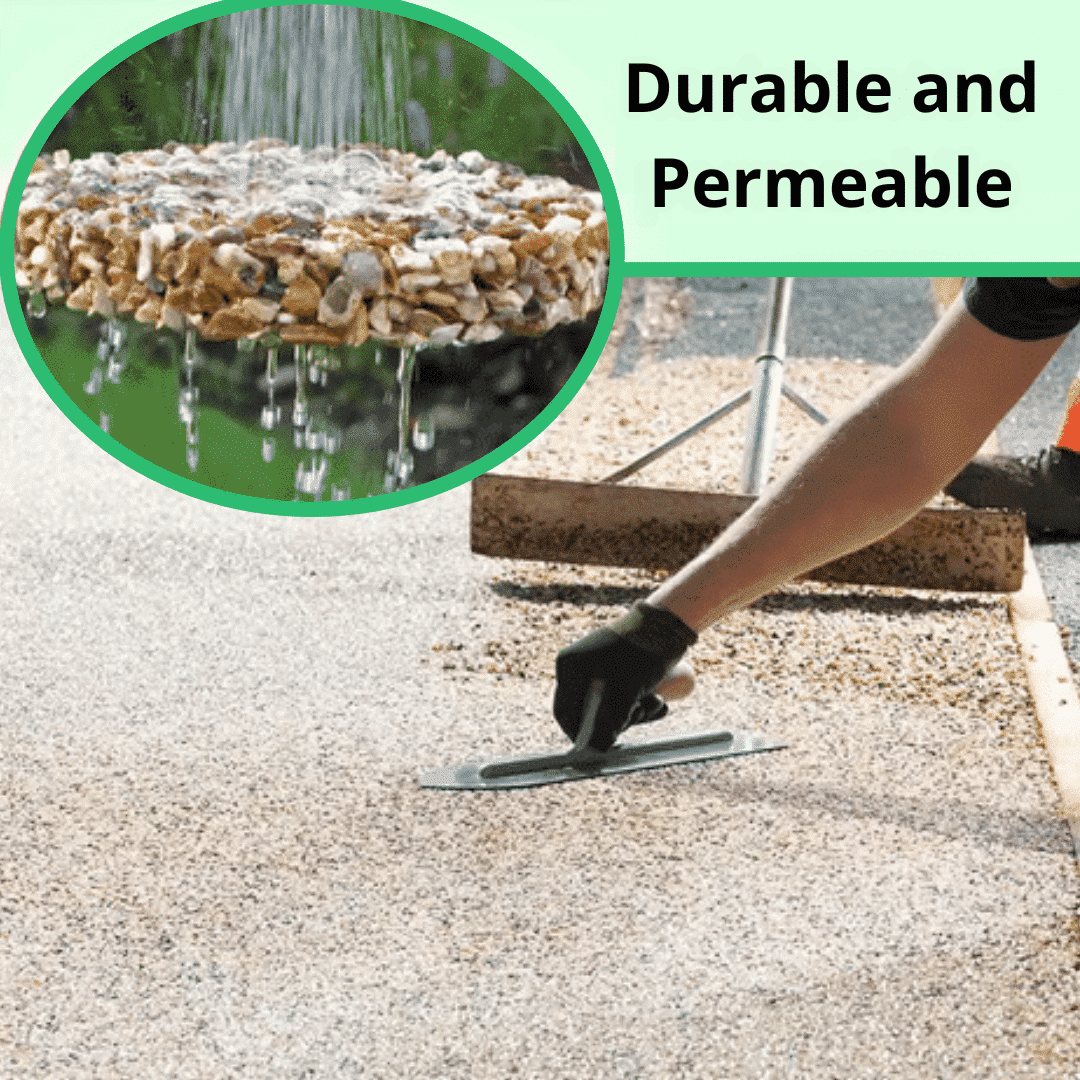
If you’re planning a bathroom, kitchen surface, or decorative project that demands long-term transparency, it’s crucial to select an epoxy resin formulated with robust UV protection. This will help maintain the original clarity and appearance, avoiding yellowing over the years.
Why UV Protection Matters in Epoxy Resins
Unprotected epoxy resins can yellow or lose transparency when exposed to sunlight, even indirectly. Surfaces in bright bathrooms, kitchens, or living areas are especially vulnerable. Strong UV filters built into the resin formulation work to counter this effect, helping preserve a clear, glossy appearance for several years. For projects where aesthetics and longevity are important, opt for resins specifically labelled as non-yellowing or UV-resistant.
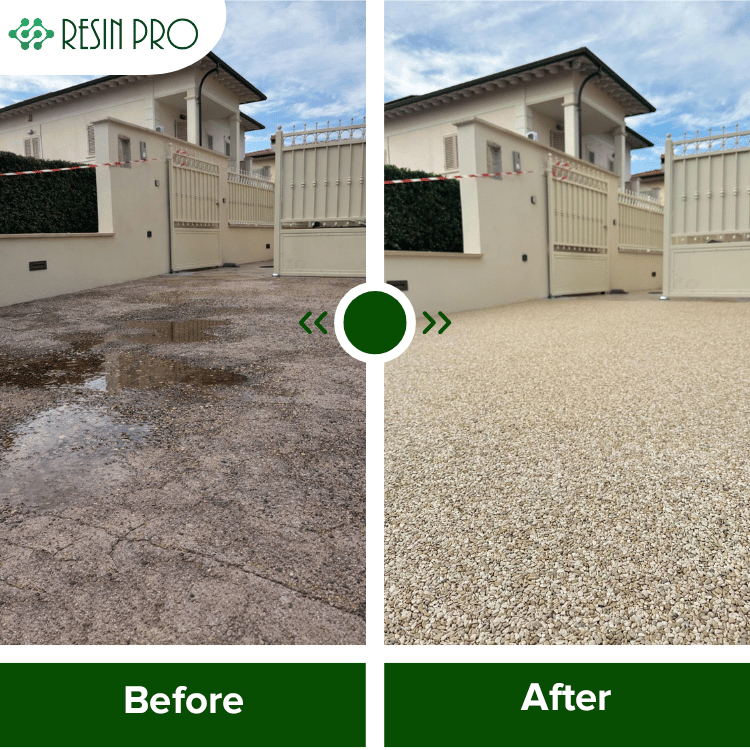
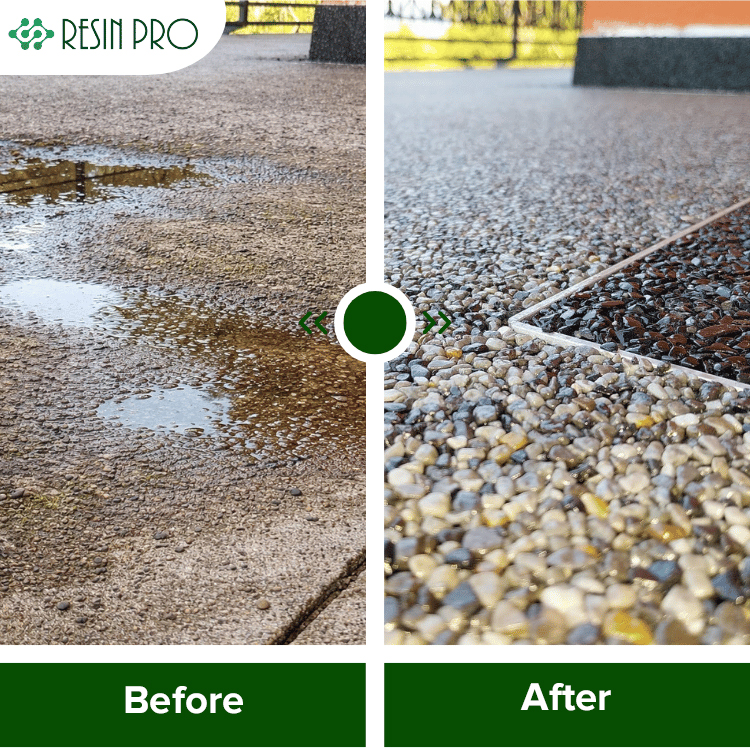
Choosing and Using UV-Stable Epoxy
Look for products such as EpoxyTable 5-Five, which incorporate advanced UV stabilization, offering non-yellowing performance over five years. When using these resins, always follow the recommended mixing ratios and pouring depths to ensure maximum effectiveness. Surfaces with a higher risk of sun or artificial light exposure (such as worktops, decorative inlays, or large feature floors) especially benefit from this added protection.
When This Matters Most
- In light-filled bathrooms, kitchens, and conservatories where UV exposure is constant
- On pale or transparent decorative surfaces where any change in tone is highly visible
- For design projects where long-term durability and clarity are a priority
Related products
Related guides
Choosing an epoxy formulated with strong UV filters is the key to maintaining vibrant, clear surfaces for years to come. For further advice on planning and quantifying resin for your space, see our main guide: How much resin is needed to cover a 3×3 bathroom?