 Free shipping on orders over £29,85
  Shipping Tracking!


 Google
 Facebook
← Back to What maximum temperature does epoxy resin reach?
Resin-coated tables are both attractive and durable, but exposure to heat can sometimes leave marks or degrade the finish over time. Increasing the heat resistance of your tabletop helps preserve its flawless appearance for longer.
Apply Multiple Thin Layers
Building up several thin layers of epoxy resin—allowing each one to fully cure before applying the next—can improve your table’s resilience to heat. This method ensures strong adhesion and a uniform protective barrier. Be patient during the curing process, as rushing can compromise the heat-resistant qualities of your finish.
Choose a Heat-Resistant Topcoat
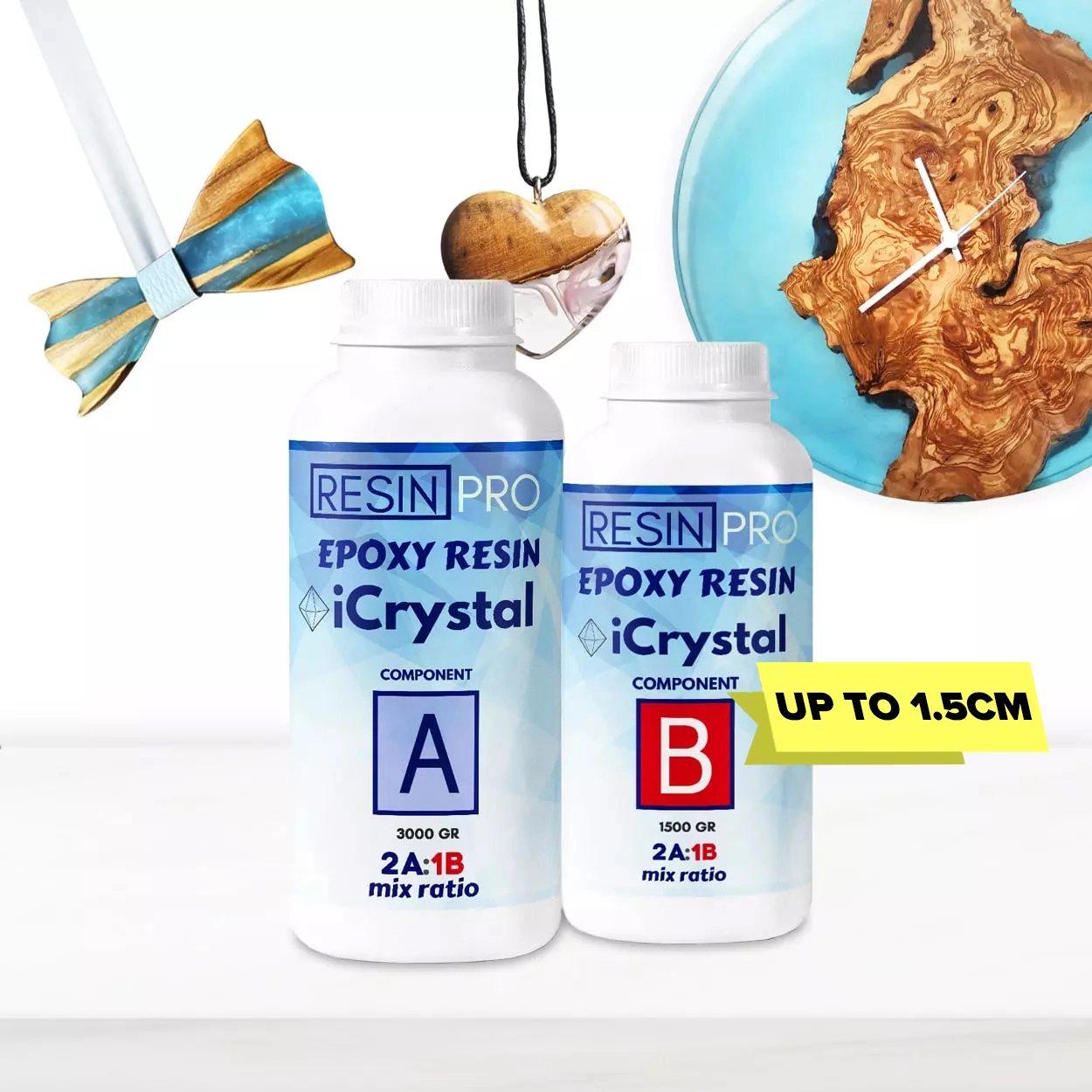
The final coat plays a key role in determining surface durability. Products specifically formulated for moderate heat tolerance, such as “Icrystal” – Clear Epoxy Resin – Odourless Formula or “Art Pro” – Clear Epoxy Resin for Artists and Surface Coating, offer reliable protection for everyday hot items like mugs and plates. While these resins are rated for heat resistance up to 70°C, always use coasters or mats under very hot dishes to avoid risk of softening or damage.
When Heat Resistance Matters Most
Extra heat resistance is most important on tables that regularly encounter warm cookware or drinks. Dining and coffee tables, as well as family kitchen spaces, hugely benefit from tougher resin layers and quality topcoats to withstand greater use and prevent unsightly rings or marks.
Related products
Related guides
By selecting the right resin system and mindful application, your resin-coated table can stay beautiful and protected. For deeper insights on temperature limits and advanced surface protection, see our main guide on what maximum temperature epoxy resin can reach.