 Free shipping on orders over £29,85
  Shipping Tracking!


 Google
 Facebook
← Back to What is obtained from opening epoxides?
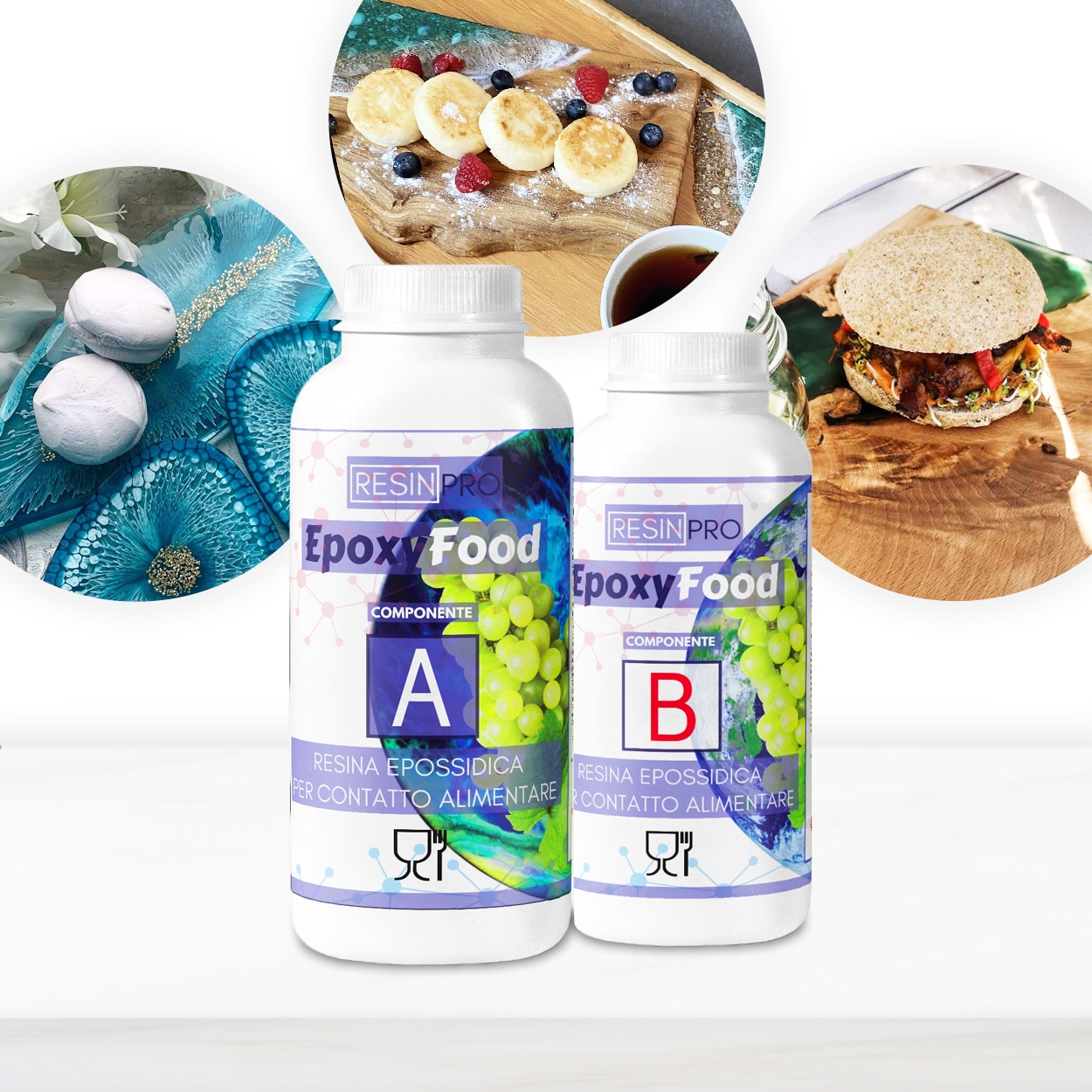
When selecting an epoxy resin for kitchenware or serving pieces, food safety is an essential concern. Here’s what you need to know about “EpoxyFood” and its certification for direct food contact.
What Does Food Safe Certification Mean?
“EpoxyFood” is independently certified to comply with European food contact regulations under EU Regulation No. 10/2011. This means it has undergone third-party testing to confirm it is suitable for contact with food and beverages under specified conditions. The certification applies when the product is mixed correctly, cured fully, and used as directed, ensuring peace of mind in culinary or craft applications.
How to Use Food-Safe Resin Effectively
For the finish to remain food safe, mix “EpoxyFood” precisely according to the 100:55 mixing ratio and allow it to cure fully before use. Surfaces should be clean and free of other additives unless separately certified. This resin is appropriate for coating plates, trays, or boards intended for cold snacks and non-acidic, non-alcoholic drinks. It offers a crystal-clear, glossy finish that enhances and protects your kitchenware, making it both attractive and practical.
When Does This Matter Most?
Choosing a certified food-safe resin is vital if you are making or restoring items frequently in contact with food, such as boards, platters, or tableware. For any kitchen or catering project, prioritising independently tested products like EpoxyFood helps ensure long-term safety for you and your family, especially for professional or regular home use.
Related products
Related guides
Ensuring you use a certified food-safe product like “EpoxyFood” safeguards your projects for everyday use in the kitchen. For more insights into how modern epoxide chemistry shapes safe and practical materials, explore our full guide on what is obtained from opening epoxides.