 Free shipping on orders over £29,85
  Shipping Tracking!


 Google
 Facebook
← Back to Why does resin crack?
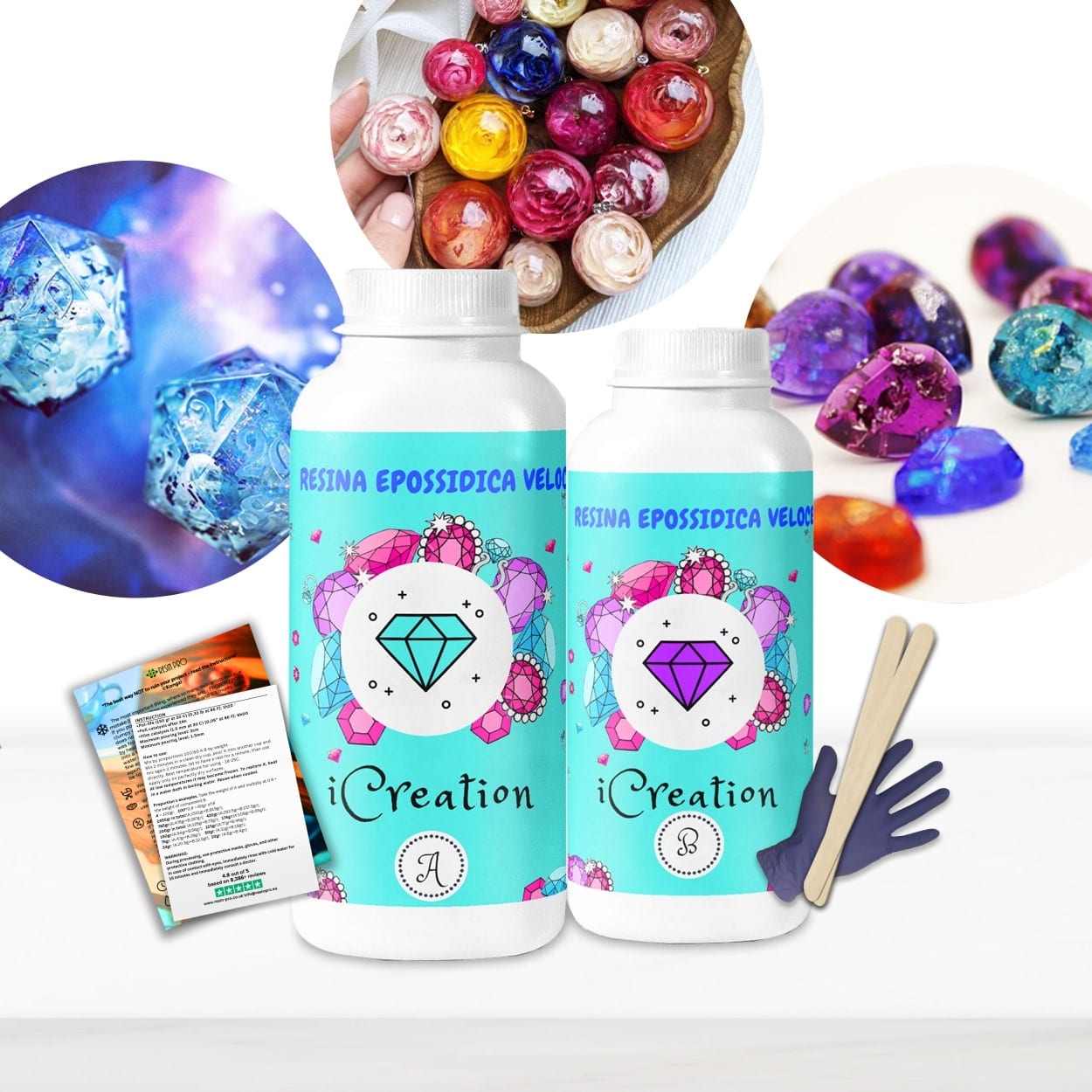

Fast-curing epoxy resins are popular for time-sensitive projects, but some crafters worry that rapid setting might make their creations more prone to cracking. Understanding why cracks appear and how to prevent them helps you choose the right resin and approach for any project.
How Fast Curing Affects Resin Cracking
Fast-curing resins are formulated to harden much quicker than standard versions. This speed can be very useful for quick turnaround, yet it causes the resin to heat up rapidly. Excessive or uneven heat build-up, particularly in thicker pours or large volumes, can create stress within the curing material. If this stress is too great or the curing process is mismanaged, cracks may develop as the resin cools.

Best Practices to Minimise Cracking
- Mix thoroughly: Always measure and stir components as instructed—improper mixing can lead to uneven curing and increase cracking risk.
- Control your pour size: With fast-cure resins like ICreation Fast Epoxy Resin, avoid pouring thicker layers than recommended. For larger or deeper projects, opt for slower-curing or deep-pour resins and work in stages.
- Maintain a stable work area: Ensure temperature conditions are within the product’s advised range and avoid locations with extreme cold, direct sunlight, or drafts during curing.
When to Choose Fast-Curing Resin Types
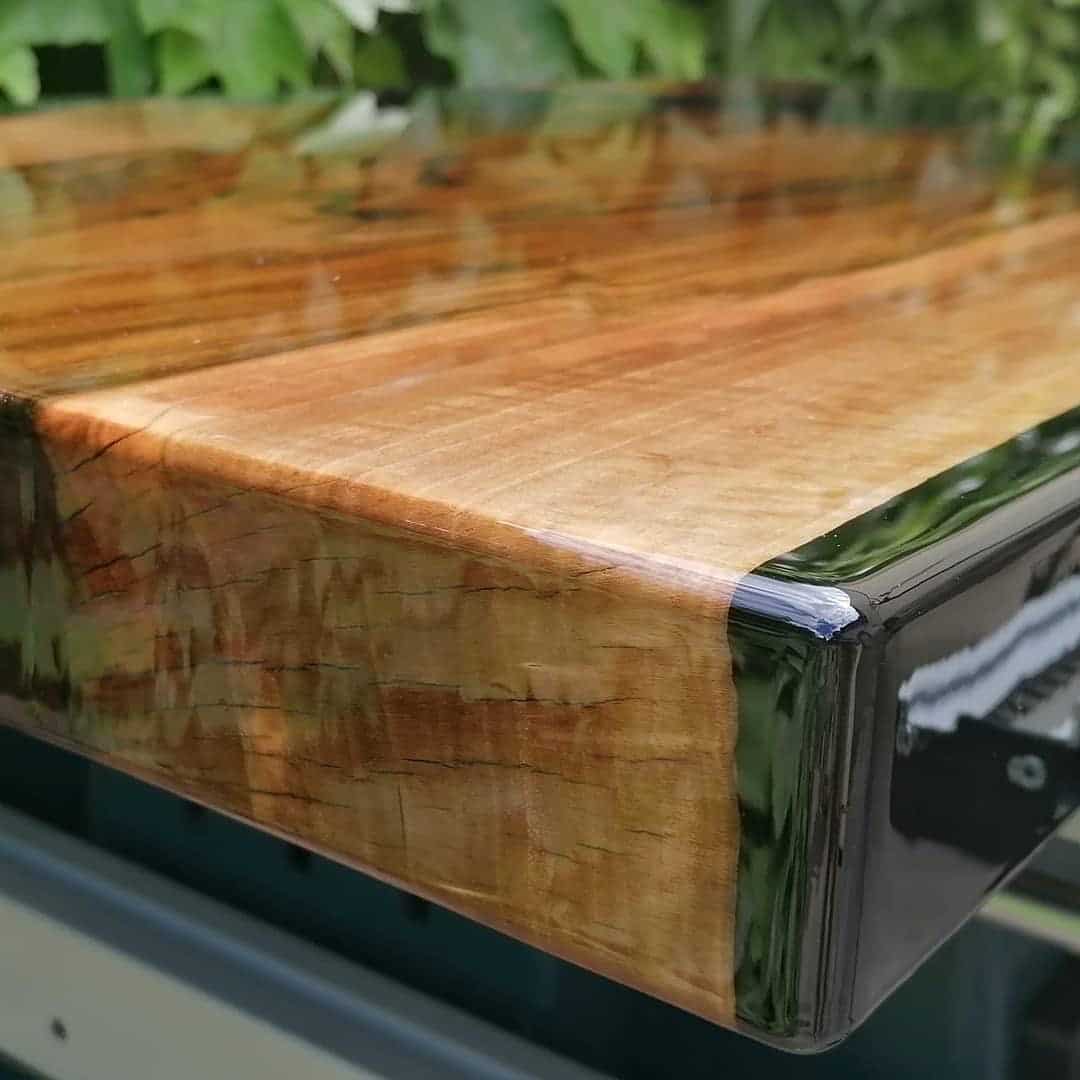
Fast-cure resins shine when you’re making jewellery, small art pieces, or low-volume crafts with detailed moulds. If you need to demould quickly or finish projects in a tight timeframe, they are a practical choice. However, for tables or thick pours, choose a resin designed specifically for heat management and thick casting, such as deep-pour resins.

Related products
Related guides
Careful handling ensures fast-curing resins deliver strong, crack-free results, suiting rapid crafts and artistic creations. For more on avoiding cracks and achieving long-lasting results, explore the broader topic of why resin cracks in our main FAQ guide.