 Free shipping on orders over £29,85
  Shipping Tracking!


 Google
 Facebook
← Back to How to use cameo resin?
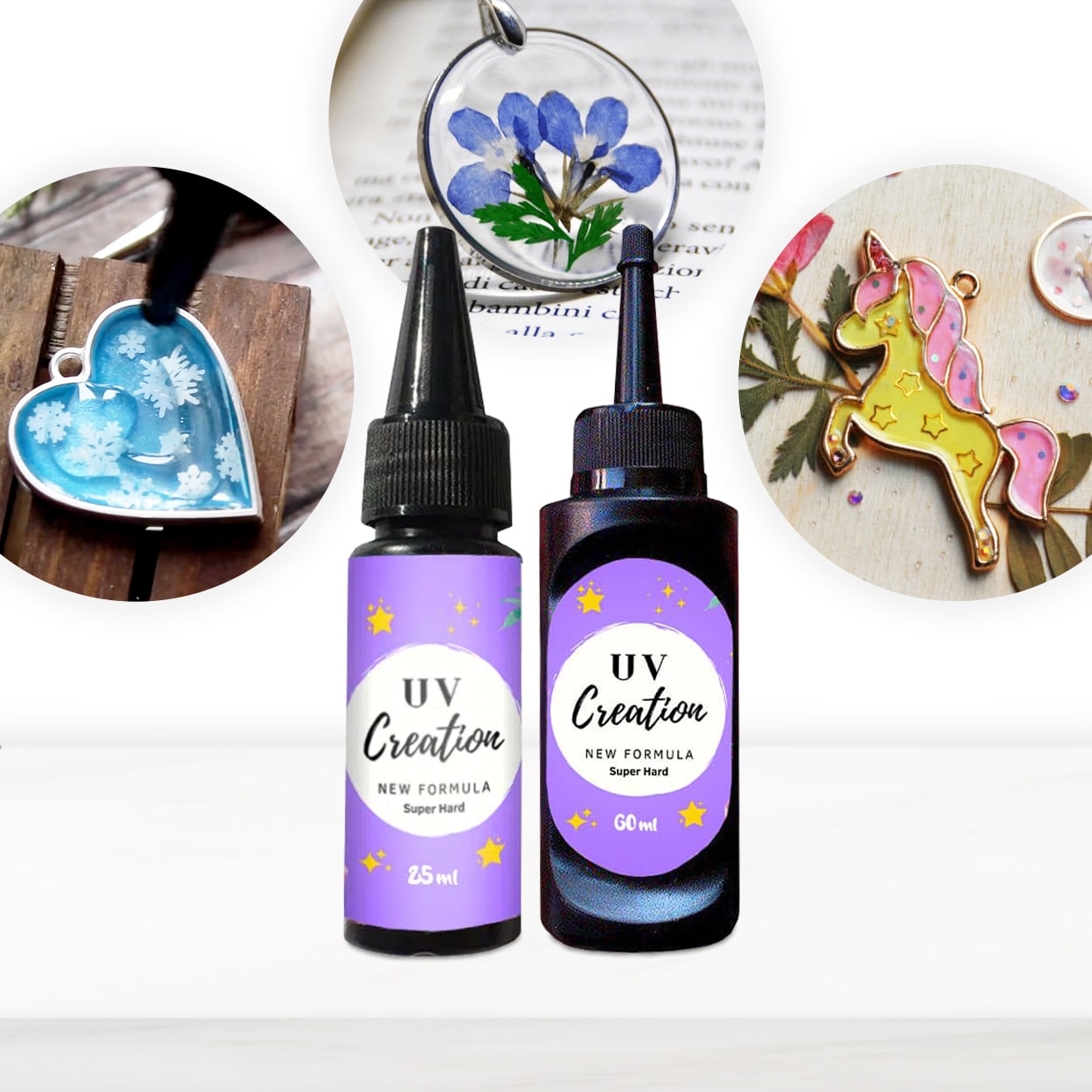
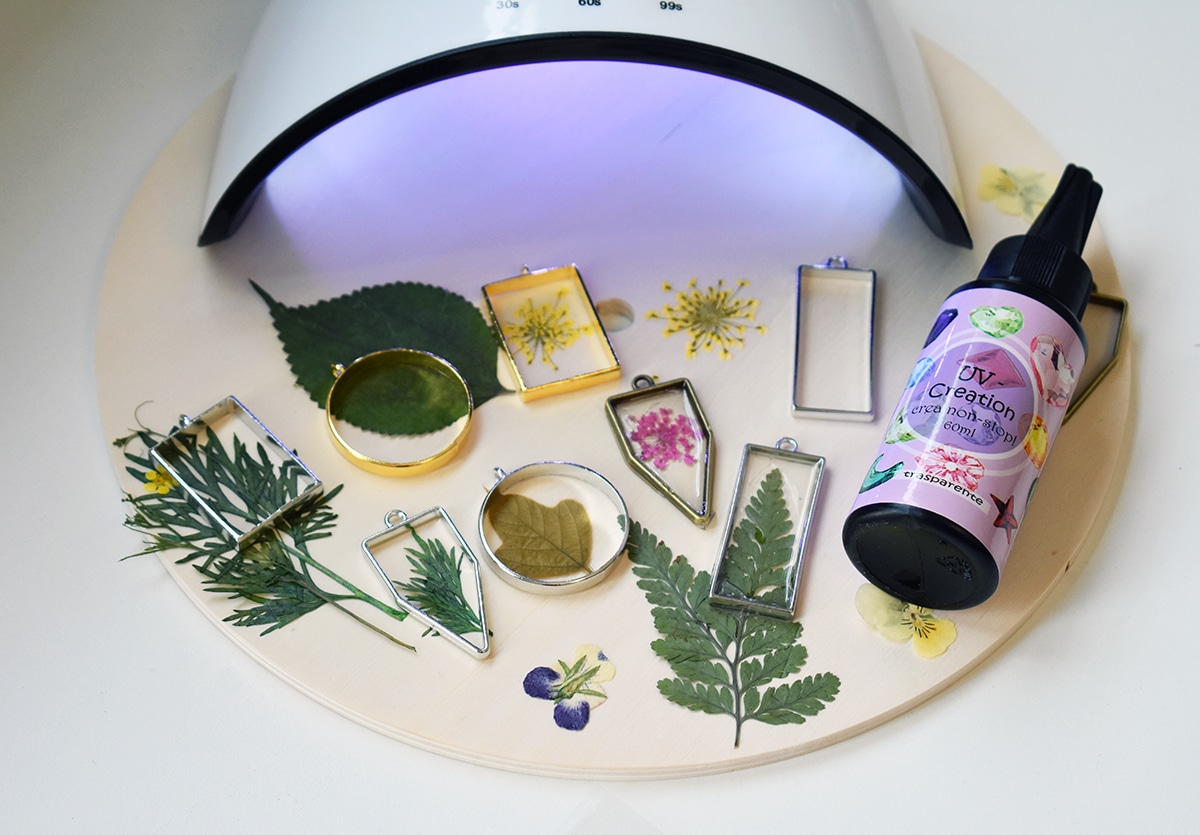
If your resin project still feels sticky or tacky even after curing, you’re not alone. This is a common issue for beginners and experienced makers alike, especially with UV or epoxy resins.
Common Reasons for Tacky Resin
Tackiness after curing usually points to an incomplete cure. For UV resin, the two main culprits are insufficient exposure to UV light and areas missed by the lamp. Epoxy resin, on the other hand, can remain sticky if the mixture proportions are incorrect or if humidity is too high during the cure. It’s essential to always follow the manufacturer’s guidance, which for most UV resins means curing layers no thicker than recommended, and ensuring every area is well-lit.
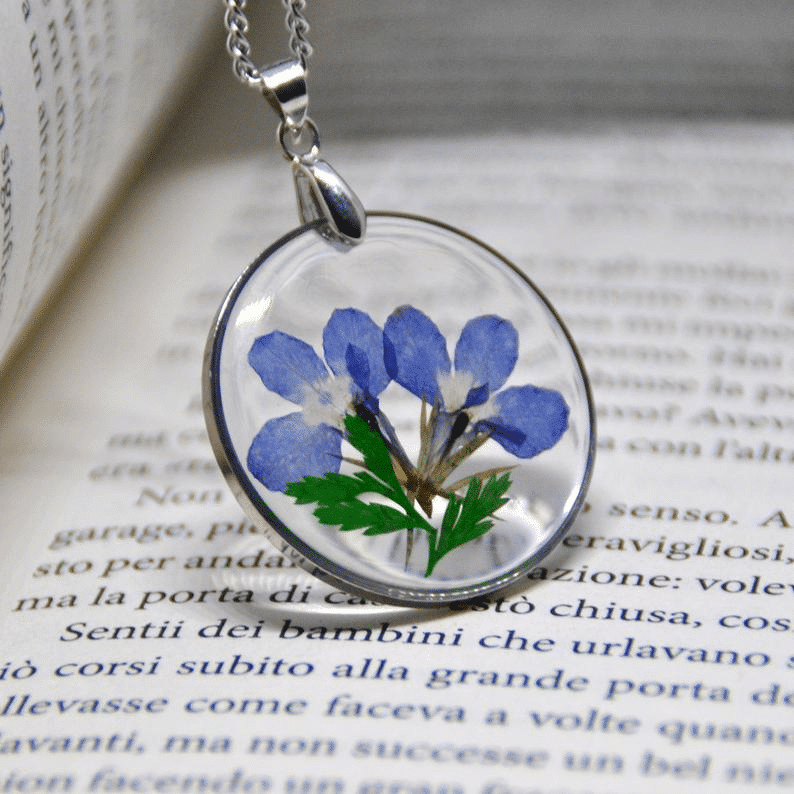
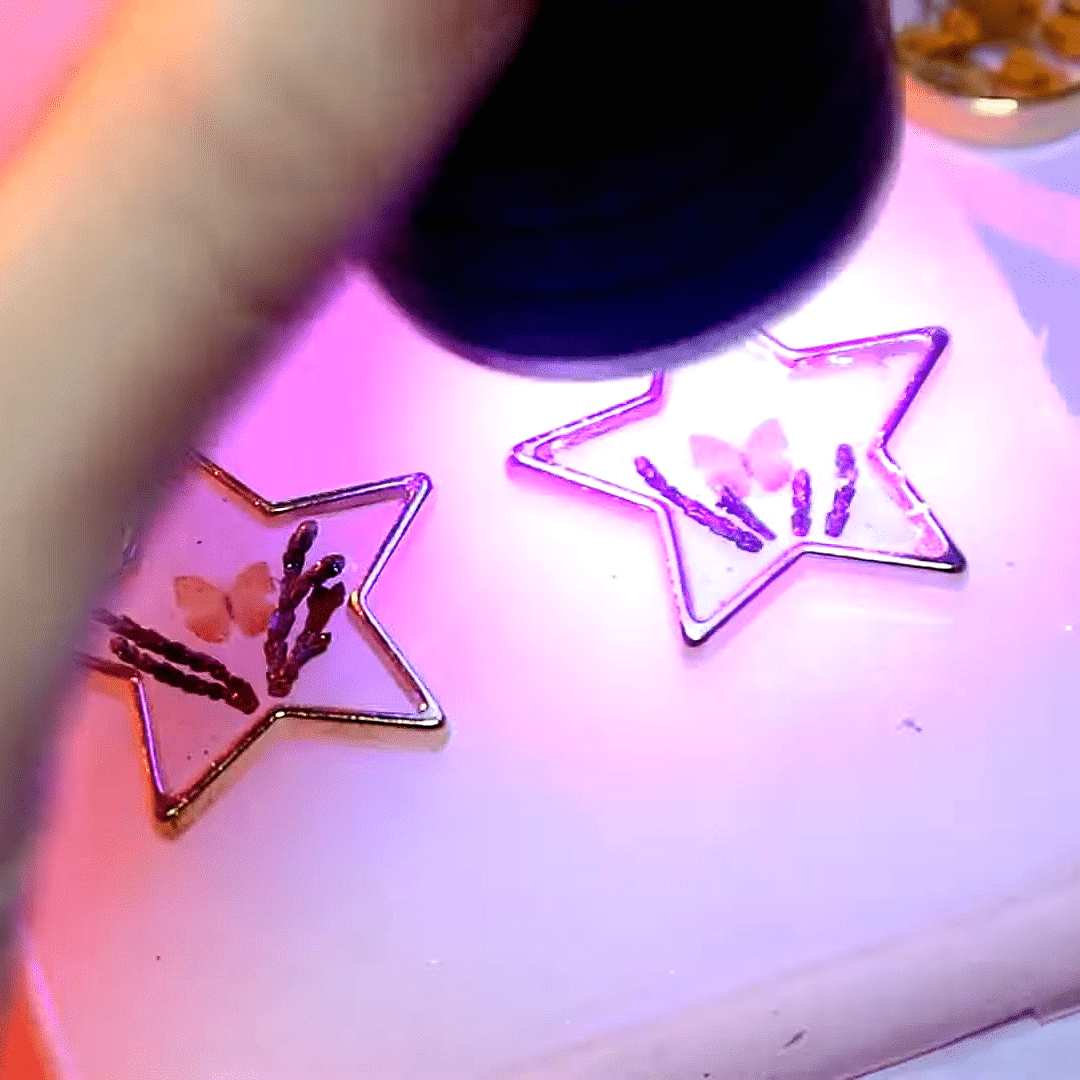
How to Prevent & Fix a Tacky Surface
Make sure your working area is properly prepared: for UV resin, check that your lamp fully covers the object and cure each layer thoroughly before adding more. If you are using a resin such as the UV–Creation Fast Acrylic Resin, cure for two to three minutes per layer, and avoid going over the recommended layer thickness. For persistent sticky spots, try giving extra exposure to the UV lamp, or wipe gently with a lint-free cloth and some isopropyl alcohol to remove surface tackiness once fully cured.
When Tackiness Matters Most
A sticky surface can affect the clarity, shine, and durability of your finished piece, making it crucial for jewellery, cameos and detailed craft items to have a fully cured, non-tacky finish. Taking a little extra care during curing pays off with a beautiful result.
Related products
Related guides
Understanding what causes tacky resin and how to fix it will set you up for success in your craft or jewellery making. For more tips and product recommendations, visit our full guide on how to use cameo resin.