 Free shipping on orders over £29,85
  Shipping Tracking!


 Google
 Facebook
← Back to How do you paint a resin sink?
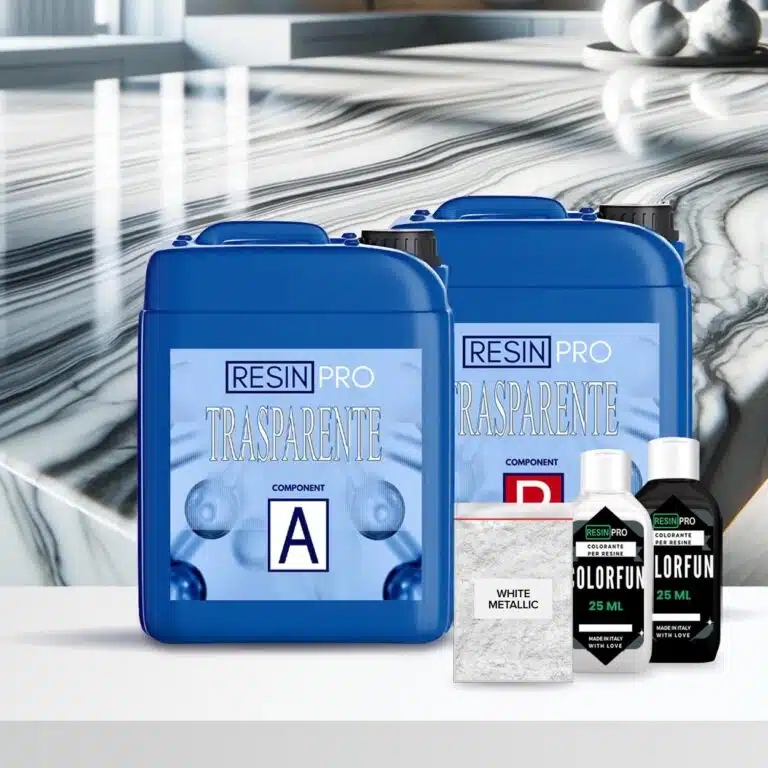
Do you dream of giving your resin sink the sophisticated look of marble? With the right materials and a little creativity, achieving a marble effect on resin sinks is entirely possible, bringing a touch of luxury to your bathroom or kitchen.
How Marble Effect is Achieved on Resin
The illusion of stone is created using a specialised marble effect epoxy kit, which includes pigments, dyes, and helpful tools. The process typically involves blending a self-levelling, clear epoxy resin with carefully chosen colours. Isopropyl alcohol is sometimes used for feathering and blending, helping to replicate the intricate veining found in real marble. Kits such as the “Stone Effect Collection” – Marble Epoxy Resin Countertop Kit are purpose-built for these effects, allowing you to select from finishes such as Carrara or Onyx to suit your taste.
Steps for Applying a Marble Effect to Your Resin Sink
- Preparation: Lightly sand and fully clean the sink to ensure maximum adhesion.
- Mixing & Colouring: Prepare the epoxy resin according to kit instructions, then divide into pots for different pigments as required by your chosen marble pattern.
- Pouring & Veining: Pour coloured resins in natural lines, using tools or sticks to swirl and blend for a realistic effect. Adding isopropyl alcohol can help create soft, organic veining.
- Curing: Allow the resin to cure as advised in the kit guide to achieve a hard, glossy finish.
When Marble Effect Makes Sense
Upgrading to a marble effect is ideal when you want to modernise a dated resin sink, or coordinate it with stylish countertops. It’s also a practical alternative to replacing your sink, offering great visual impact for less time and cost than fitting a solid stone basin.
Related products
Related guides
With the right epoxy kit and a careful approach, a marble effect is absolutely achievable on resin sinks. If you’d like to learn more about preparing and painting resin surfaces, see our full guide.