 Free shipping on orders over £29,85
  Shipping Tracking!


 Google
 Facebook
← Back to How to use microspheres with epoxy resin?
Microspheres are a popular lightweight filler for epoxy, prized for producing easy-to-shape and sand surfaces. But how does a resin–microsphere filler actually perform when it’s time to smooth or level your workpiece?
How Well Does Epoxy–Microsphere Mix Sand?
Once fully cured, a resin–microsphere mixture typically sands much more easily than standard epoxy alone. The microspheres—often tiny hollow glass or polymer beads—lower the density and hardness of the filler, making it softer and easier to shape by hand or with a sander. This is especially useful when you want a flush transition on wood repairs, model surfaces or filled imperfections.


Tips for Achieving a Smooth Finish
- Allow for full cure: Before you begin sanding, make sure the filler is completely cured—this ensures it will sand evenly and not clog abrasives.
- Start with medium grit: Begin with 80–120 grit to level the surface, then step up to finer grits for a glass-smooth finish.
- Use even pressure: Avoid over-sanding the edges, as microsphere fillers can sand down quickly compared to harder epoxy.
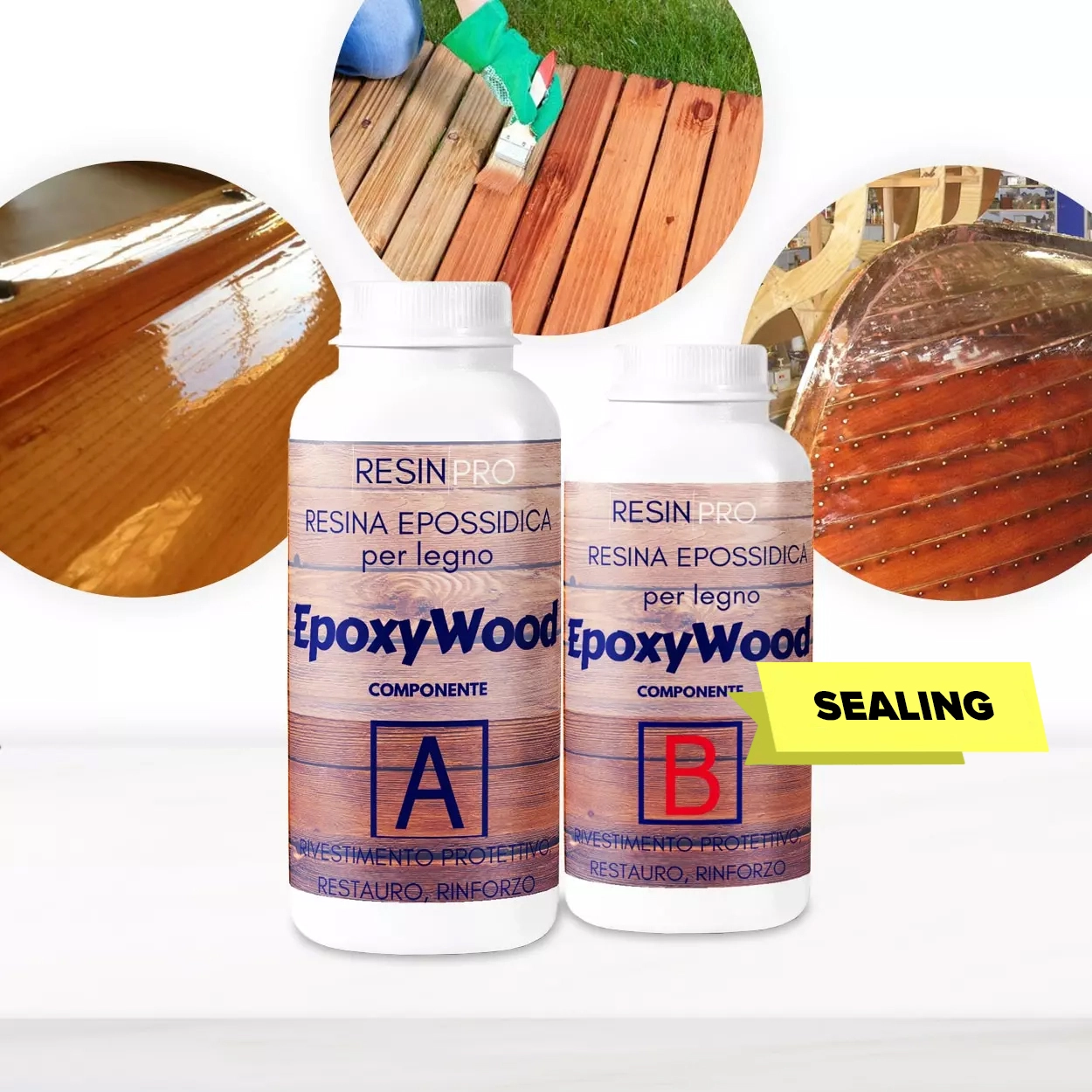
Choosing a compatible resin, such as EpoxyWood for wood projects, will help ensure optimal bonding and workability during finishing.
When Easy Sanding Matters Most
Sanding ease is vital in applications like wooden surface repairs, boat or model fabrication, or anywhere seamless finishing is crucial. If you anticipate significant shaping or blending, selecting a microsphere-enhanced filler can save time and effort compared to denser alternatives.

Related products
Related guides
Using microspheres with epoxy makes for smooth sanding and professional results—an essential step in many creative and restoration projects. For more in-depth advice, explore our full guide on how to use microspheres with epoxy resin.