 Free shipping on orders over £29,85
  Shipping Tracking!


 Google
 Facebook
← Back to How do you make a resin temporary?
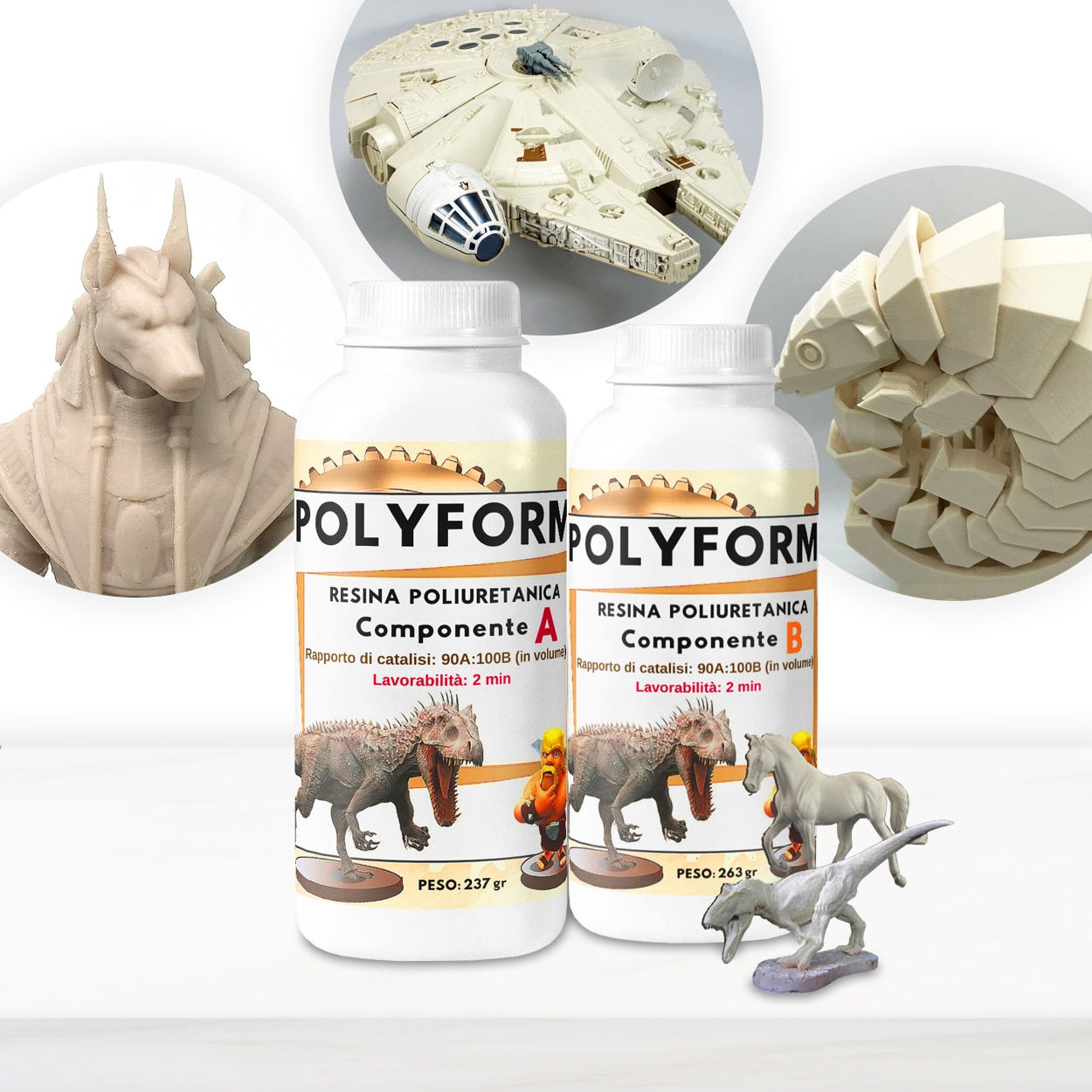
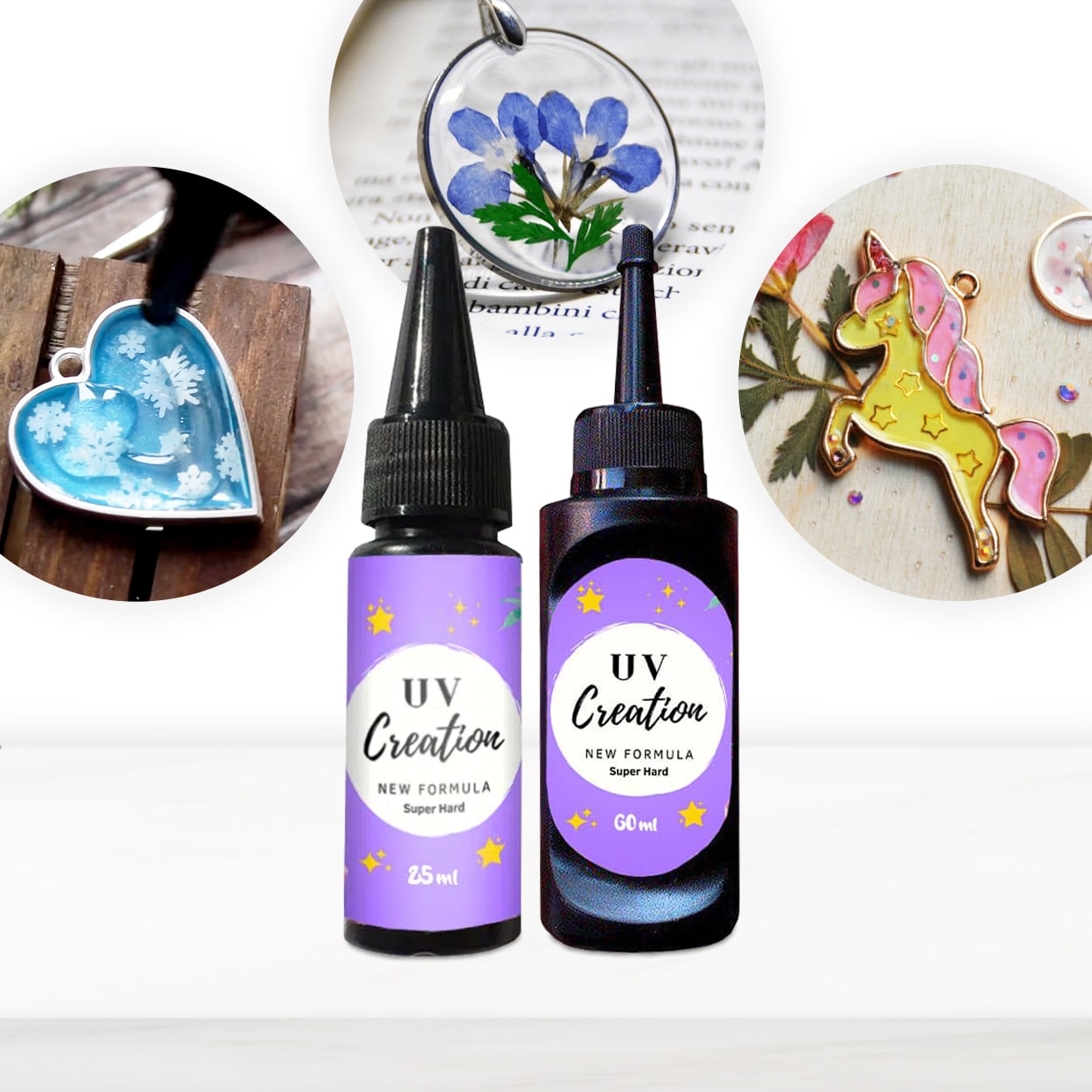
If you’re considering polyurethane resin for your creative or prototyping projects, safety is often a top concern. This guide explains what you need to know about its safety profile after curing, plus some practical advice to keep in mind.
Safety of Cured Polyurethane Resin
Once fully cured, polyurethane resin is considered non-toxic and is safe to handle in everyday use. This makes it an excellent option for hobbyists and professionals seeking durable, detailed castings without ongoing exposure concerns. Cured resin forms a solid, inert plastic that does not emit fumes or leach chemicals under normal handling conditions.
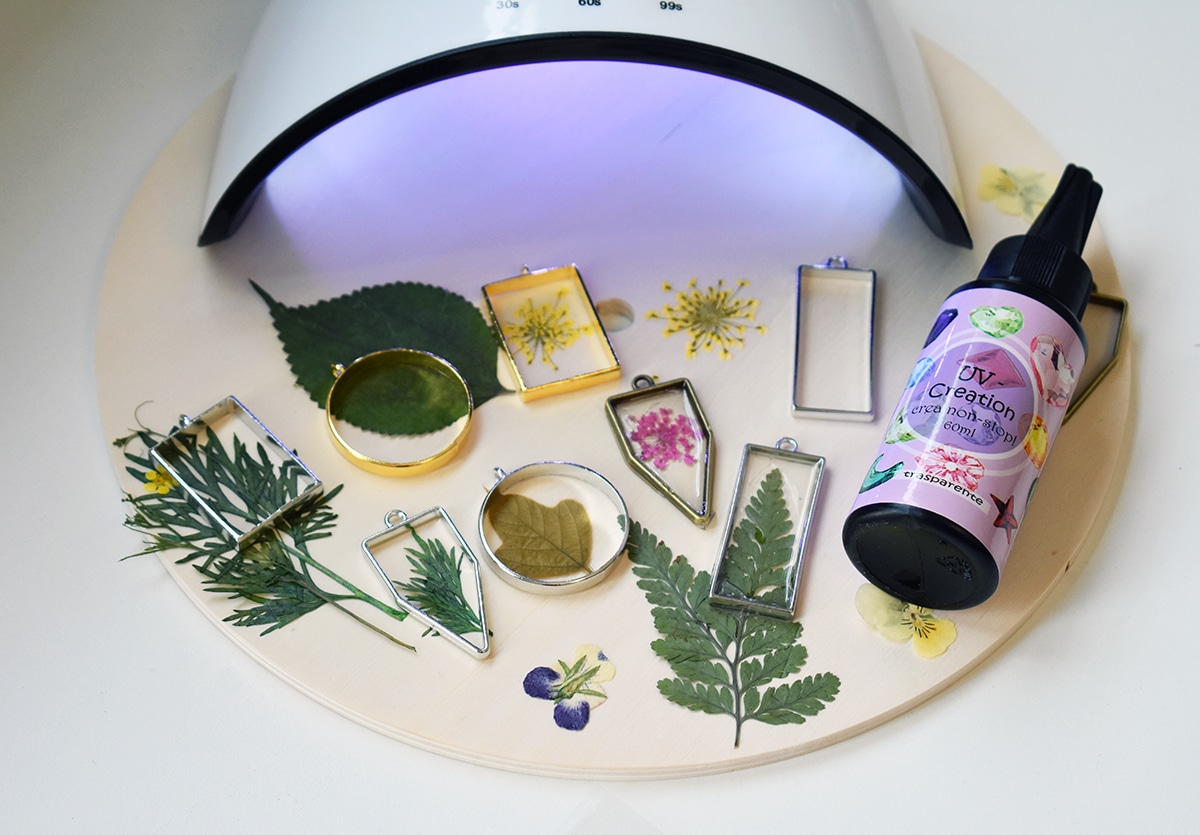

Safe Practices During Mixing and Application
It’s essential to differentiate between cured and uncured resin. When working with liquid polyurethane resin, always wear gloves and protective eyewear to avoid skin and eye irritation. Well-ventilated areas help minimise inhalation of any vapours during the mixing and pouring stages. Once the resin has set and is fully cured—as with Polyform Polyurethane Casting Resin—the finished piece is safe and easy to handle.
When Safety Matters Most
- Children’s projects: Wait until the resin is fully cured before allowing handling.
- Prototyping and model making: Cured parts are suitable for close inspection and light handling without hazard.
- Hobby crafts: Finished resin objects can be displayed or used with confidence after curing.
Related products
Related guides
Understanding the safety of polyurethane resin after curing gives peace of mind for your models, prototypes, or craft pieces. For more tips on resin handling and making temporary resin creations, see our main advice hub on making resin temporaries.