 Free shipping on orders over £29,85
  Shipping Tracking!


 Google
 Facebook
← Back to How long does resin last in a dishwasher?
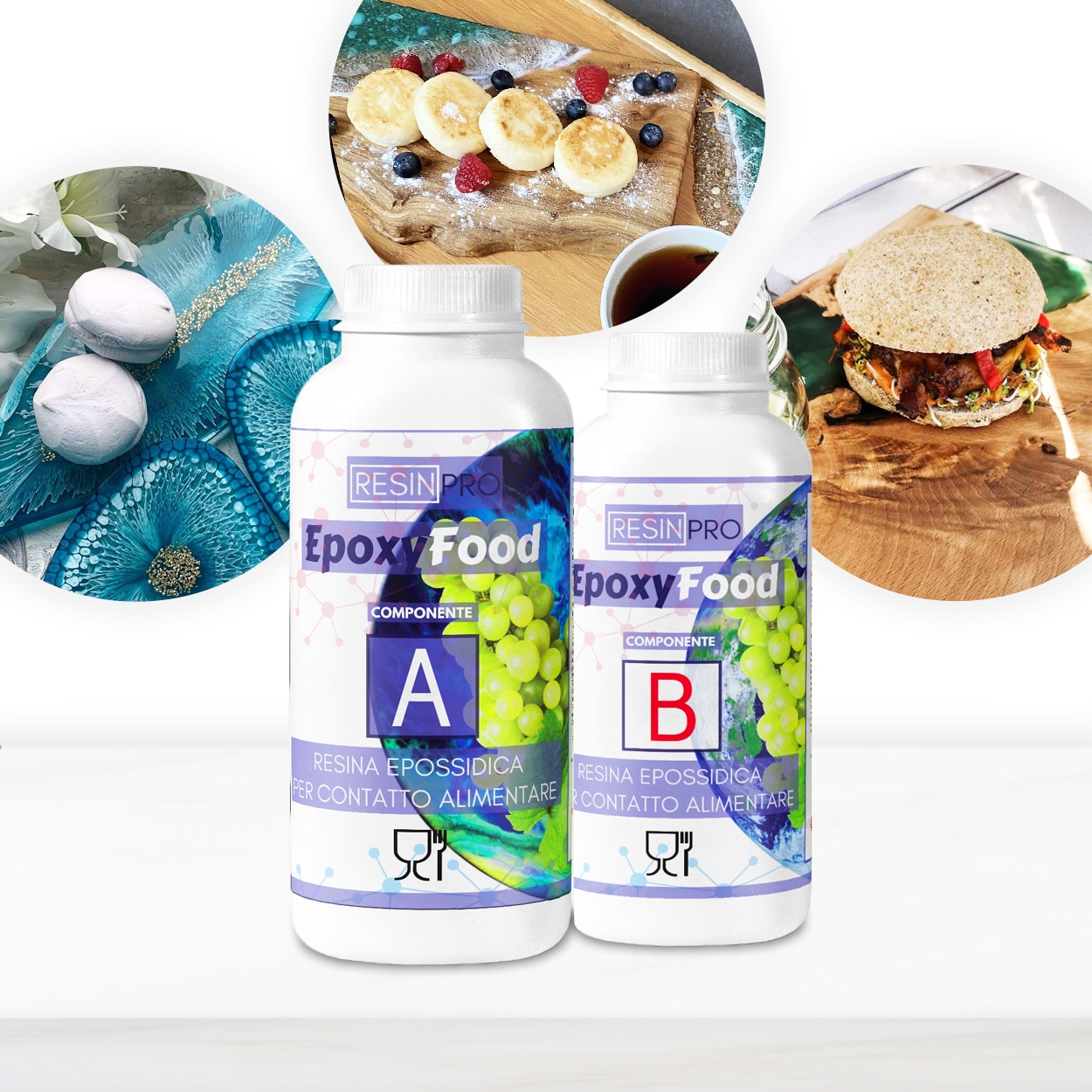
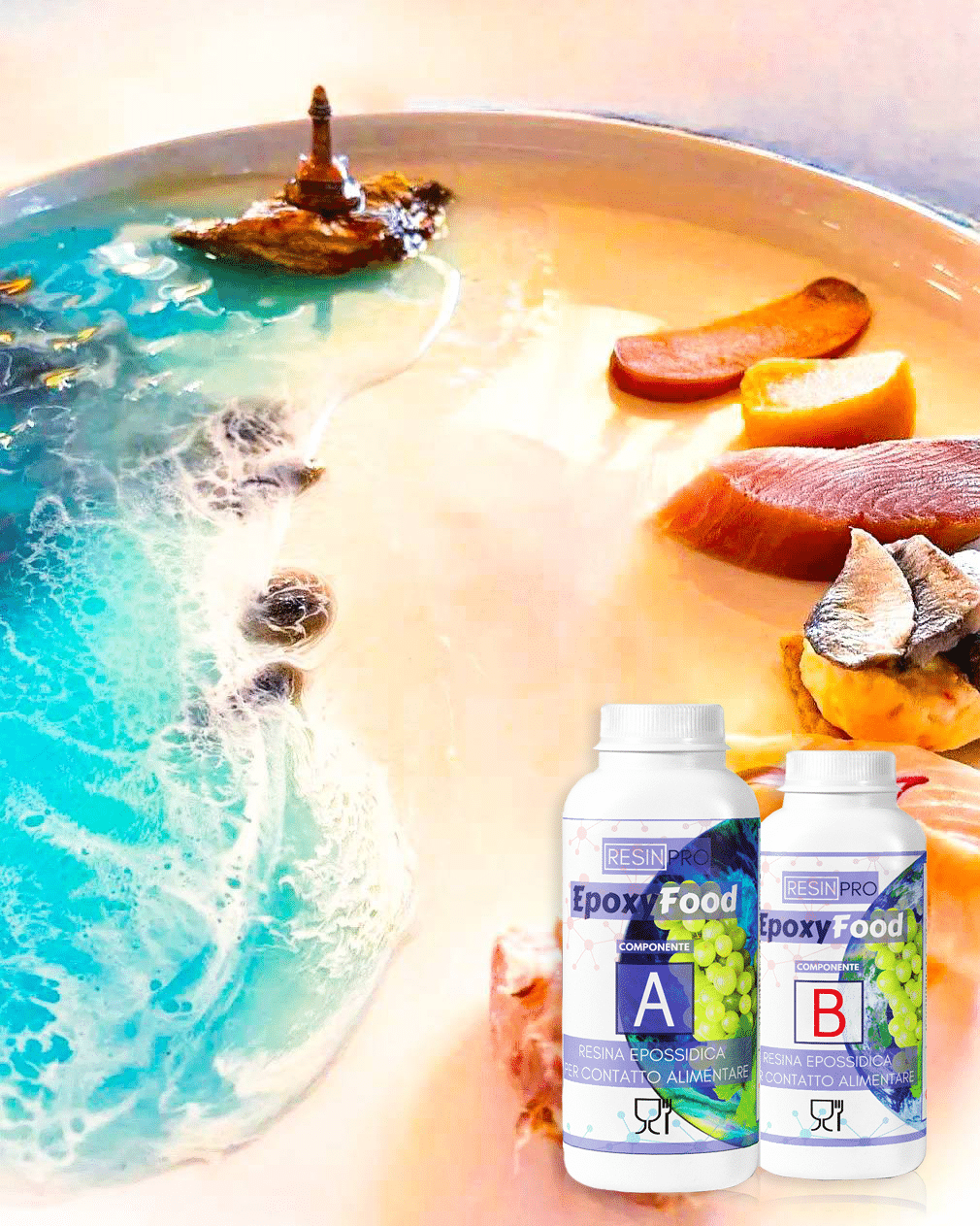
When creating food-contact items with resin, it’s important to understand both the safety considerations and how to care for your finished pieces to ensure long-lasting, durable results.
Choosing the Right Resin for Food Contact
Not all resins are suitable for items that will come into contact with food or drink. Only those specifically certified for food contact, such as EpoxyFood, should be used for coating plates, bowls, or cutting boards. These formulations have been tested to meet strict European standards when mixed and applied according to instructions, providing peace of mind for safe use with edible items. Avoid using resins with added dyes or additives where food will touch the surface, as this may affect their safety.
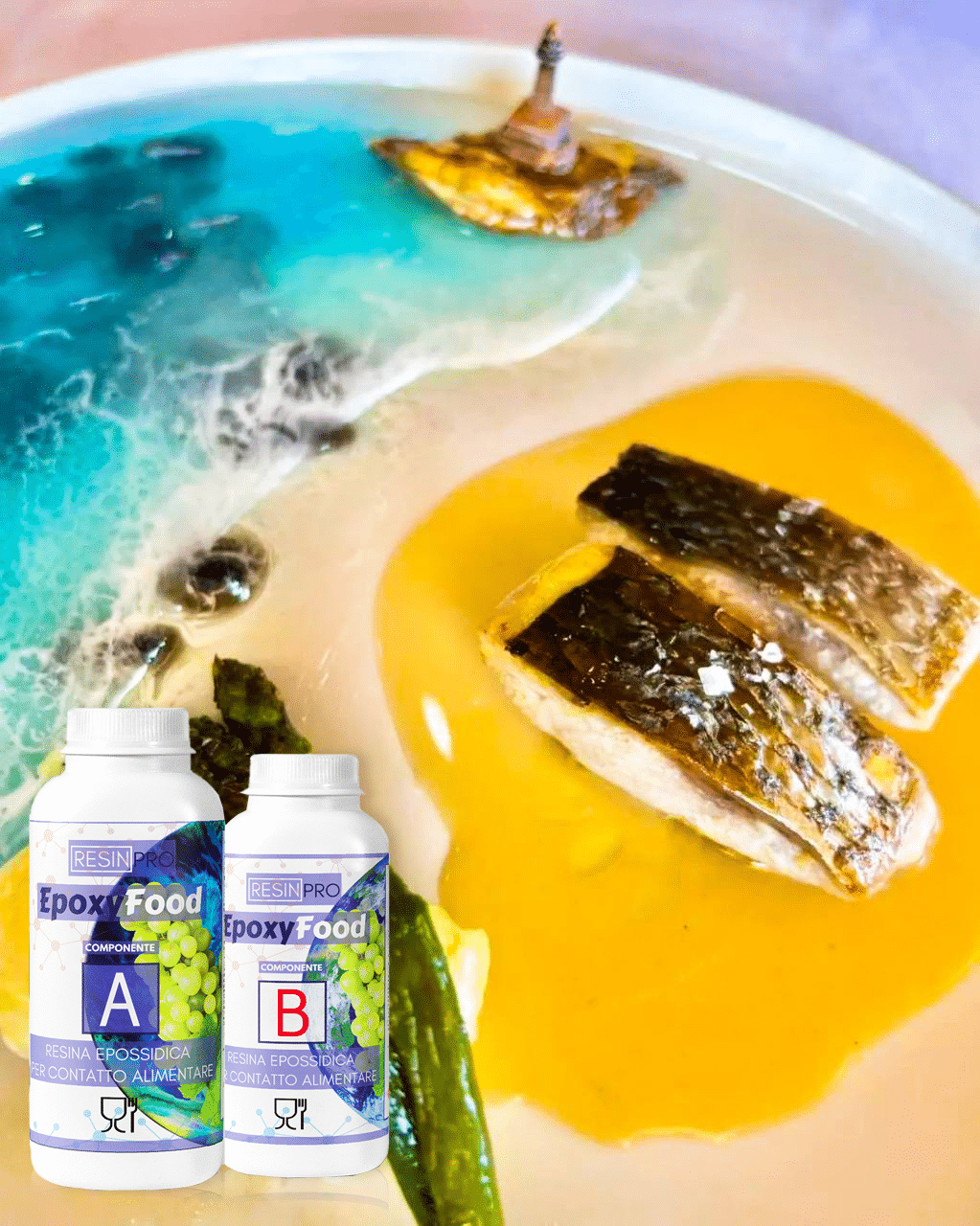

Care and Cleaning: Dishwasher vs Handwashing
Even with certified food-safe resins, regular hand washing is the best way to preserve surface clarity and gloss. While products like EpoxyFood offer resilience and chemical resistance, repeated dishwasher cycles—especially at high temperatures—can gradually dull the shine or damage the protective surface. If you must use a dishwasher, select short, gentle cycles and avoid heat-dry settings, but handwashing with mild detergent and a soft cloth remains the safest option.
When This Matters Most
- If your project involves coating plates, serving boards, or handmade bowls that will actually hold or serve food, always use a food-contact certified resin.
- For decorative items or pieces only occasionally in contact with food, the cleaning method is still important to preserve gloss and appearance for years to come.

Related products
Related guides
By selecting certified resins and caring for your resin-coated food-contact items properly, you ensure both safety and longevity. To explore more about resin durability and care, see our parent guide on resin’s longevity in dishwasher use.