 Free shipping on orders over £29,85
  Shipping Tracking!


 Google
 Facebook
← Back to How to use resin to build a guitar?

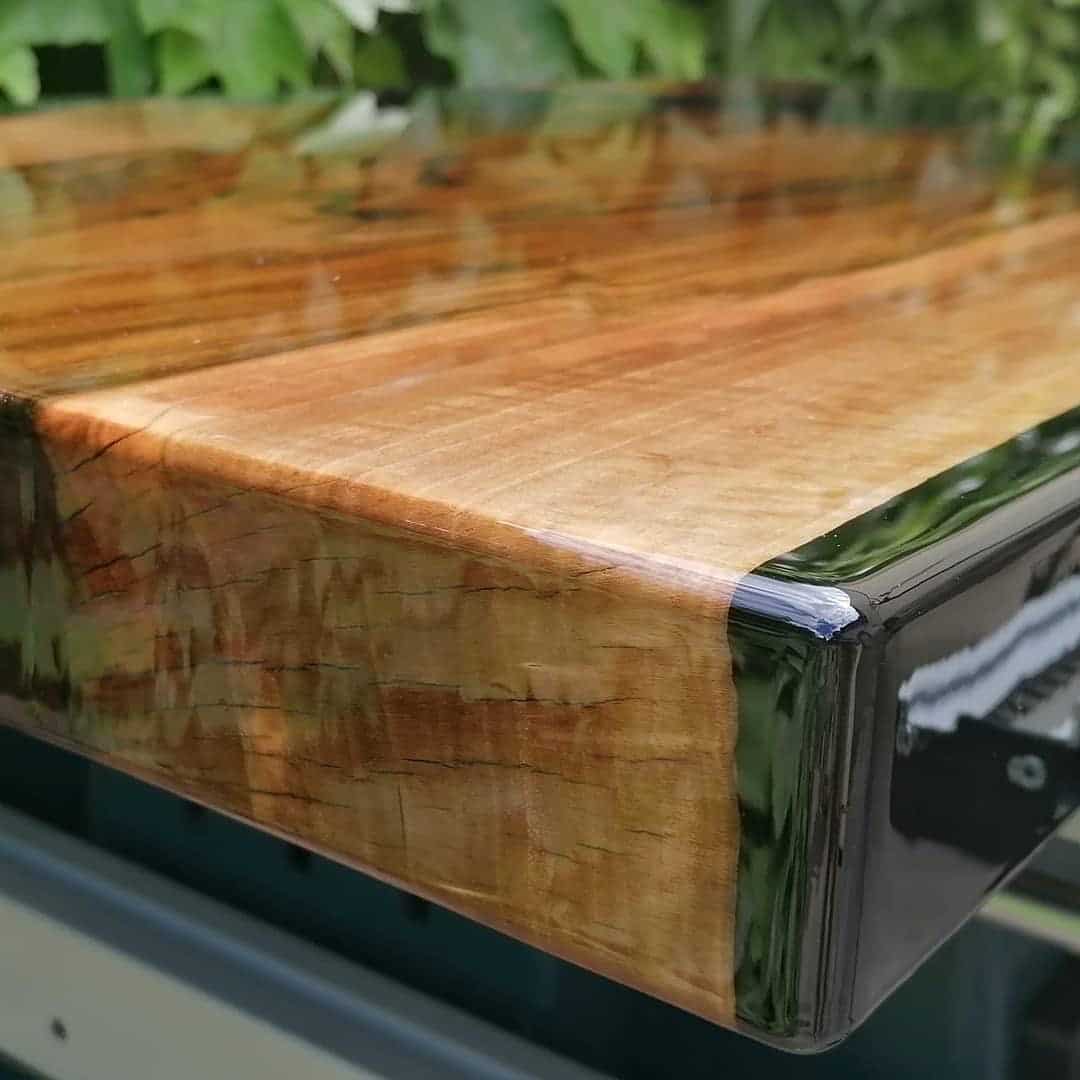
When building or customising a guitar with resin, shaping and sanding are key steps—yet the process produces fine dust that raises important health considerations.
Why Resin Dust is a Concern
Sanding cured resin releases minute dust particles that can be easily inhaled. While resin is generally safe when fully cured, its dust form can cause respiratory irritation, especially in poorly ventilated environments. Sensitive individuals may also experience allergic reactions or skin irritation from direct contact.


Essential Safety Precautions
- Wear a dust mask or respirator: A properly fitted mask helps prevent inhalation of fine resin particles.
- Work in well-ventilated areas: Open windows or use extraction fans to reduce airborne dust concentration.
- Use protective clothing: Consider gloves and long sleeves to minimise skin exposure.
Regularly cleaning your workspace further reduces residual dust and maintains a safe environment. This is particularly important when using products like the Epoxytable 10-Ten, designed for deep casting in guitar-making projects.
When This Matters Most
Extra caution is needed when sanding intricate areas, performing extended sanding sessions, or if working in enclosed spaces. If you experience any signs of irritation, stop and review your protective measures before continuing.
Related products
Related guides
Staying safe while sanding resin is a crucial part of any guitar-building journey and helps ensure your focus remains on creativity. For more insights and practical advice, explore our guide to using resin for guitar building.