 Free shipping on orders over £29,85
  Shipping Tracking!


 Google
 Facebook
← Back to How is enamel repair done with resin?
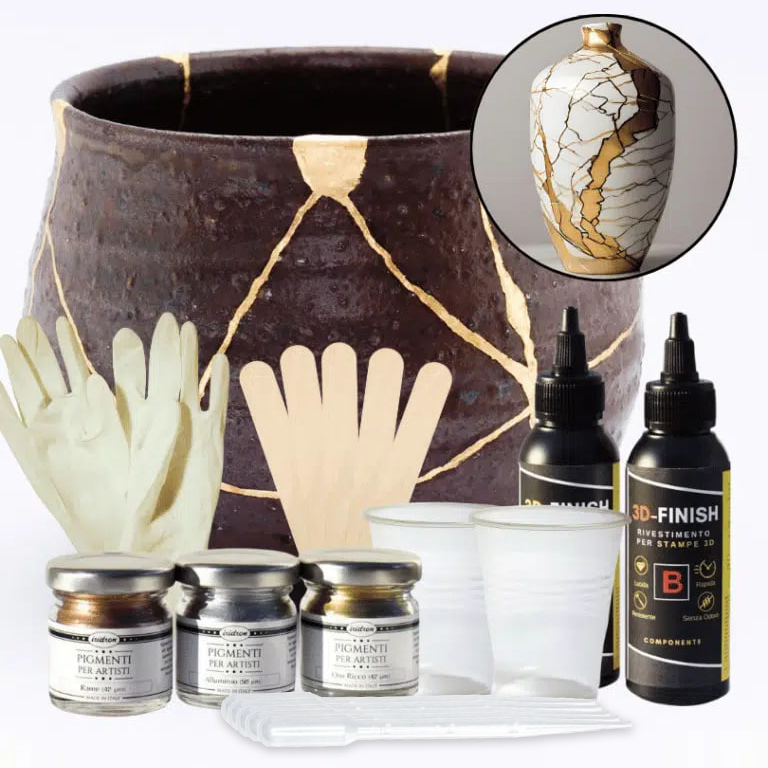

Resin-based enamel repair is increasingly popular for restoring ceramics, porcelain, and household items. If you’re DIY-minded and wondering about safety, here’s what to consider for home-based projects.
Understanding Resin Safety for Enamel Repair
Epoxy resin is generally suitable for home use, provided that common sense precautions are followed. Always work in a ventilated area to avoid breathing in fumes and wear gloves to protect your skin. If the resin comes into contact with skin, wash thoroughly with soap and water. It’s wise to cover your workspace and keep pets and children away during curing.


Choosing the Right Resin Product
Selecting a resin designed for ceramic or enamel repair makes the process easier and safer. The “Kintsugi” – Ceramic Repair Kit is crafted specifically for repairing and decorating ceramics, supplying gloves, metallic pigments, and detailed instructions for beginners. For clear and non-toxic coatings where food contact is a concern, look for a certified food-safe resin such as EpoxyFood. Always match the kit to your project’s needs and intended end-use.
When Safety is Especially Important
- If you plan to use repaired items for serving food, only choose resins that are labelled as food-safe and follow all curing instructions fully.
- Take extra care if sanding or finishing resin repairs, as dust can irritate skin and lungs.
- If you’re unsure about a resin’s properties, check the manufacturer guidance before use.

Related products
Related guides
By choosing the right resin and practising safe methods, DIY enamel repair can be both effective and enjoyable. For more in-depth guidance and techniques, see our main page on how enamel repair is done with resin.