 Free shipping on orders over £29,85
  Shipping Tracking!


 Google
 Facebook
← Back to How do you remove epoxy resin from wood?
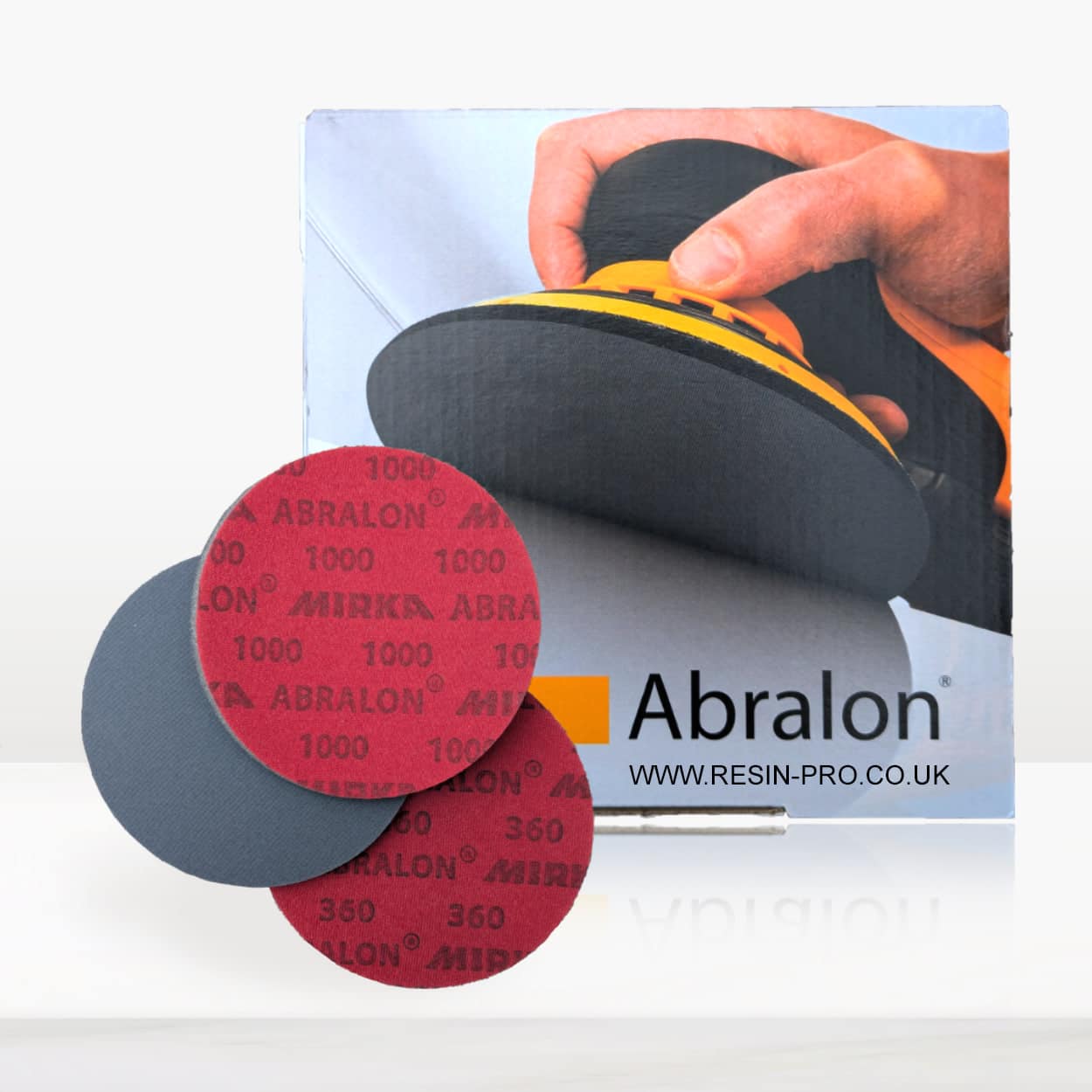
After you’ve removed epoxy resin from wood, the surface rarely looks or feels perfect. Sanding is a key finishing step that helps restore and refine the wood’s feel and appearance for your next project stage.
Why Sanding is Beneficial
Even when you’ve taken great care scraping away the resin, a fine residue is often left behind, and minor surface unevenness may remain. Sanding addresses these issues by smoothing out the wood, blending edges, and eliminating lingering traces, setting up the wood for a flawless final look or further treatment, such as varnishing or staining.
Choosing the Right Sanding Tools
Selecting an appropriate sanding product is essential for achieving the best possible finish. A multi-grit solution such as the “Ebonite Abralon” Sanding Pads makes it simple to refine both wood and resin. Start with a coarser grit to remove imperfections, then progress to finer grits for a silky-smooth result. For larger surfaces or more pronounced unevenness, an initial pass with a quality scraper, like the Heavy Duty Scraper, followed by sanding, is ideal.
When Sanding Truly Matters
- Preparing for finishes: Sanding creates a receptive surface for paints, stains, or oils.
- Touch-sensitive items: If you’re making furniture or decorative pieces, a smooth feel is crucial to comfort and quality.
- Ensuring adhesion: Any new coating, including fresh resin, sticks better to a sanded surface.
Related products
Related guides
Sanding is an important follow-up to removing resin, helping you achieve a professional, usable wood surface. For more guidance, explore our main tips on how to remove epoxy resin from wood.