 Free shipping on orders over £29,85
  Shipping Tracking!


 Google
 Facebook
← Back to How do you remove epoxy glue?
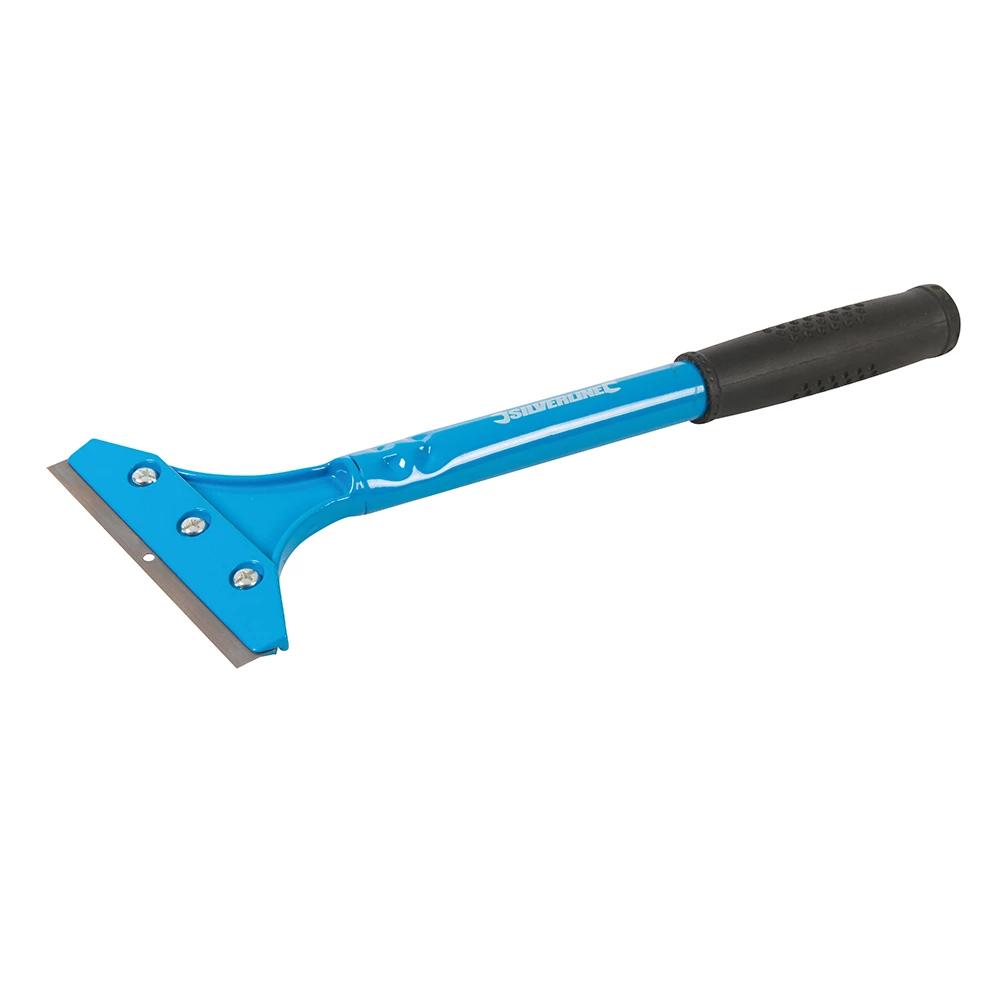
If you need to remove cured epoxy glue, scraping is a common approach. However, not all surfaces react the same way to scraping tools. Knowing what to use and how to protect the underlying material is essential to avoid accidental damage.
Understanding the Risks of Scraping
Scraping epoxy residues with metal tools can leave visible scratches or marks, especially on delicate materials such as glass, painted walls, polished wood, or plastics. Even robust surfaces like tiles or metal can be scored if too much pressure is applied. For sensitive finishes, always avoid metal blades and test a small, inconspicuous area first.
Safer Ways to Remove Epoxy Glue
For most surfaces, opting for a plastic scraper or flexible spatula provides gentle yet effective removal without the risk of gouging. On harder surfaces, a Heavy Duty Scraper for Paint and Epoxy Resin Removal can be used carefully, but be mindful of applying minimal force. If stubborn epoxy remains, a cleaning solution such as a degreaser is often the better choice for delicate areas.
- Use plastic blades or scrapers for fragile surfaces
- Work slowly to monitor effects as you go
- Consider a technical degreaser to loosen residues before scraping
When This Matters Most
It’s especially important to use the correct removal method when working on valuable, decorative, or highly polished surfaces. In these cases, a cautious, non-abrasive approach prevents permanent surface damage and saves on costly repairs.
Related products
Related guides
Scraping is a practical way to tackle epoxy glue residue, but making the right choices for your specific surface ensures a clean result—without harm. For more guidance and removal tips, return to our main resource on how to remove epoxy glue.