 Free shipping on orders over £29,85
  Shipping Tracking!


 Google
 Facebook
← Back to How to make a silicone-free eraser?
If you’re interested in making your own erasers but are unsure whether silicone is essential, you’ll be pleased to know there are excellent alternatives. Let’s look at what’s genuinely required and how to get started on creating erasers without silicone.
Are Silicone or PVC Required for Homemade Erasers?
Silicone is a common material for moulds and casting, but when it comes to the eraser itself, it isn’t a necessity. Many modern craft and art stores offer silicone-free and PVC-free options specifically designed for making erasers. These alternatives are often softer, crumble less, and avoid materials some prefer to limit for health or environmental reasons.
Choosing Materials for Silicone-Free Erasers
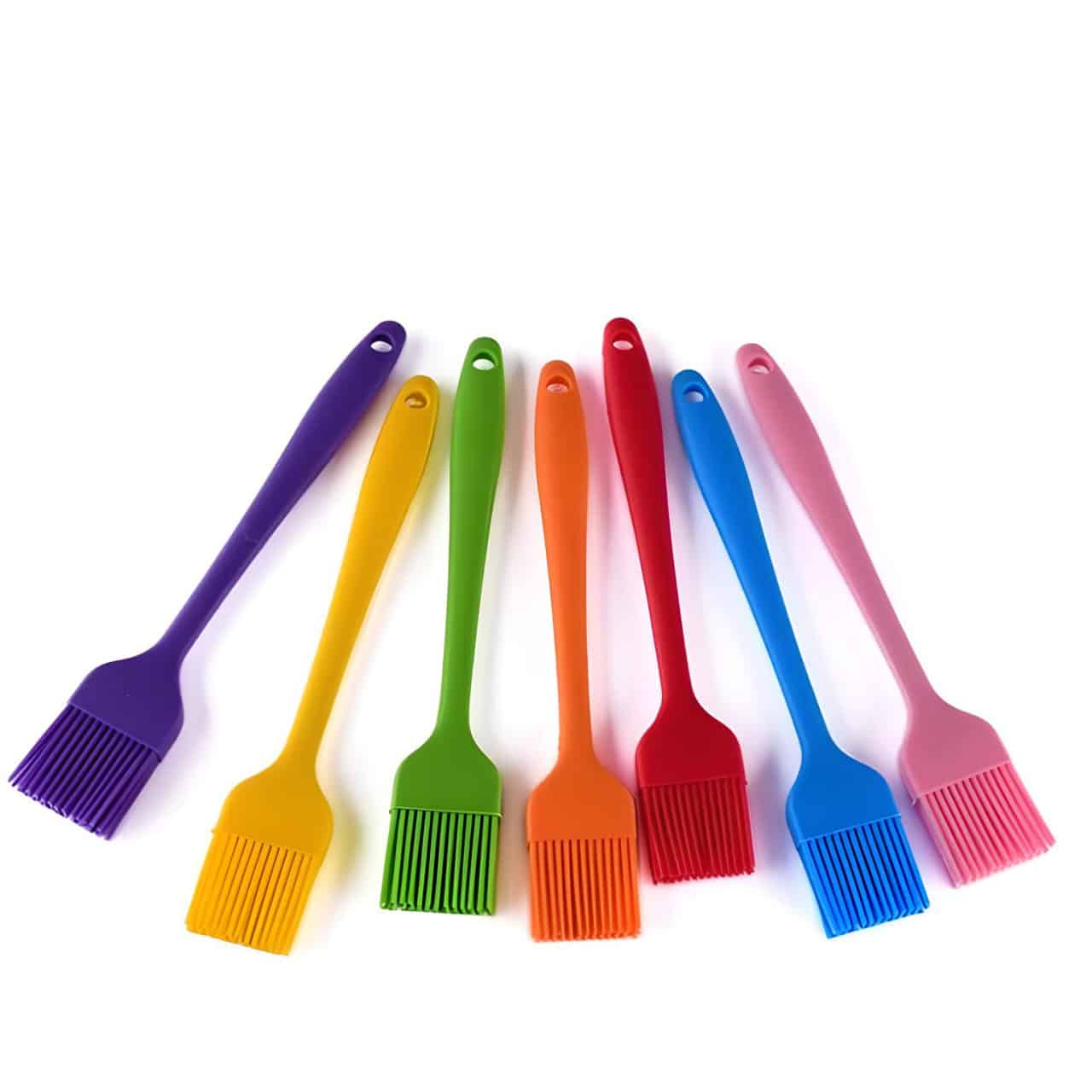
Look for products labelled as “PVC-free eraser clay” or non-toxic eraser compounds. These are pliable, safe for hands, and can be easily shaped at home. For tools, items like the Reusable Silicone Resin Brush offer precise handling and can be useful when applying or smoothing eraser material, even when crafting silicone-free versions.
When Going Silicone-Free Matters
- Sensitivity: For those wishing to reduce exposure to silicone or PVC.
- Eco-conscious crafting: Using alternative ingredients supports more environmentally responsible DIY projects.
- Personalisation: Silicone-free materials often allow a greater range of custom shapes and finishes.
Related products
Related guides
While silicone is widely used for moulds, it isn’t necessary for creating your own erasers. Embracing alternative materials empowers you to craft safe, functional erasers at home. If you’d like more in-depth DIY eraser ideas and guides, see our main article on how to make a silicone-free eraser.