 Free shipping on orders over £29,85
  Shipping Tracking!


 Google
 Facebook
← Back to How to put an insect in resin?
Choosing the right mould is a key part of successfully embedding insects in resin. The mould not only shapes your project but also ensures a smooth finish and easy release of the preserved specimen. Let’s explore what works best and why your mould choice matters.
Why Silicone Moulds Are Preferred
Silicone moulds are widely favoured for resin art involving insects. Their flexible, non-stick nature means demoulding your finished piece is straightforward, minimising the risk of damaging the delicate specimen. Silicone moulds come in a wide variety of shapes and sizes, making it easy to find one that best suits your project—whether you want a timeless oval, a modern rectangle, or a unique decorative shape.
Tips for Selecting and Using Moulds
When selecting a mould for insect preservation, consider the following practical points:
- Choose a mould that complements the insect’s shape and size, allowing for enough resin to fully encase it without distortion or crowding.
- Opt for high-quality, smooth-finish silicone to reduce the chance of surface imperfections.
- Clean and dry your mould thoroughly before use—any dust or moisture can affect clarity.
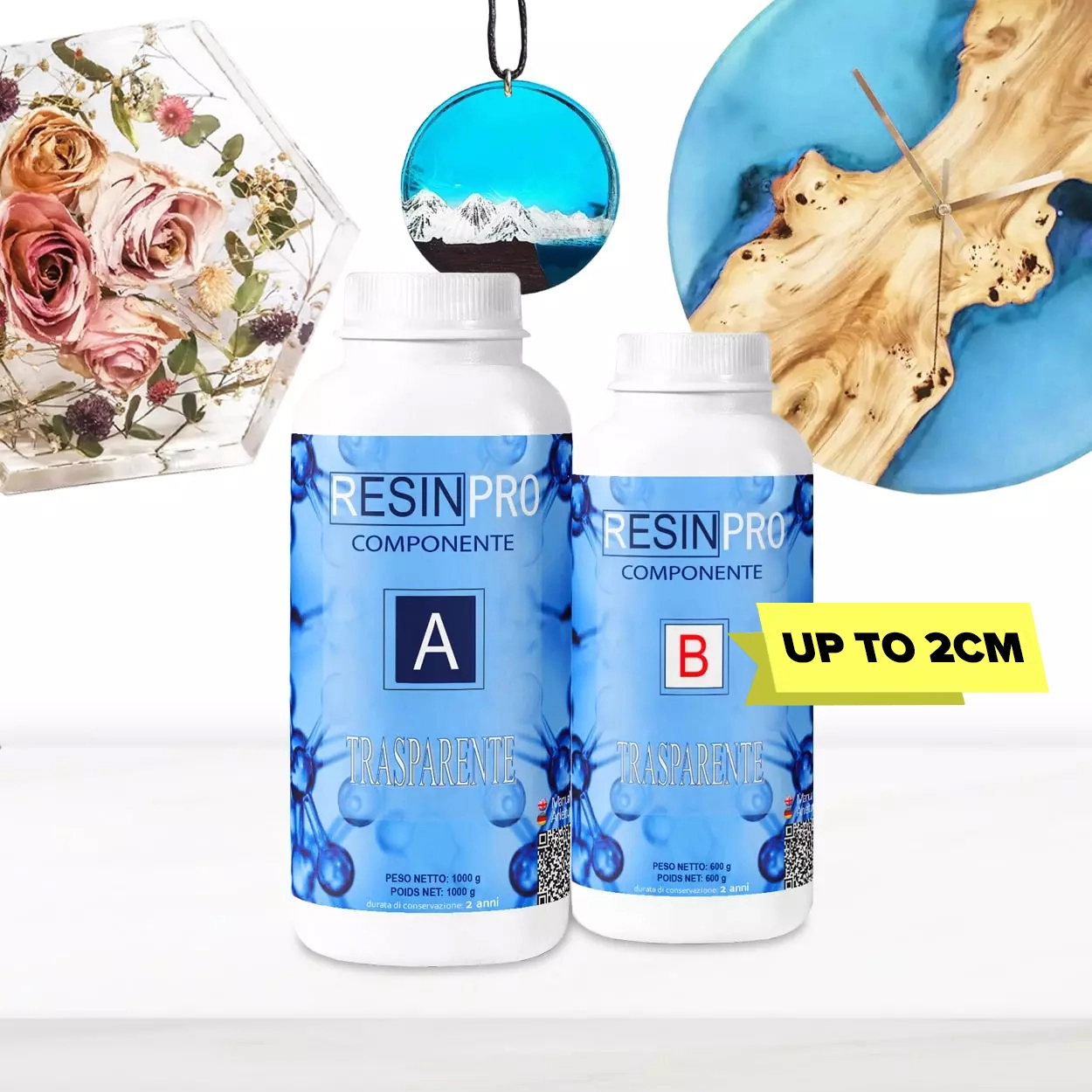
For castings up to 2cm in thickness, pairing your silicone mould with a clear resin like “Trasparente” Epoxy Resin ensures a brilliant, glossy result.
When Special Moulds Matter
You don’t strictly need a specialist or custom-made mould for most insect resin art, but there are situations where purpose-built moulds shine. If your project requires a very specific shape (for example, a dome for magnification or a jewellery pendant), searching for a mould designed for that use will give you neater results and save finishing time. Standard silicone casting moulds meet the needs of most crafters aiming to preserve insects, but don’t be afraid to explore creative options for unique effects.
Related products
Related guides
Ultimately, while you don’t need a specialist mould for insect resin art, choosing a good silicone mould makes all the difference for clarity and ease of use. Visit our main guide on how to put an insect in resin for step-by-step inspiration and further resin project tips.