 Free shipping on orders over £29,85
  Shipping Tracking!


 Google
 Facebook
← Back to How to Tell Resin from Ivory?
The pin test has long been mentioned as a way to tell resin from ivory, but is it really safe to use, especially on antique pieces? Let’s explore the risks and safer alternatives for assessing ivory items.
Why the Pin Test Is Not Recommended
The pin test involves heating a pin and pressing it against the surface of a material to see if it melts (which resin will, but ivory will not). However, this can leave visible marks or burns, which are particularly damaging for valued or historic ivory pieces. Even a tiny blemish could reduce an object’s value and diminish its integrity. Museums and professional appraisers advise against using this method on collectables.

Non-Destructive Alternatives for Identification
There are risk-free ways to distinguish between resin and ivory without causing harm. Examine the surface carefully under good light: ivory typically displays natural grain patterns or cross-hatching (called Schreger lines), whereas resin will appear smooth or uniformly patterned. Weight, feel, and sound can also provide clues—real ivory tends to be heavier and cooler to the touch than resin. When in doubt, seek advice from an experienced appraiser.
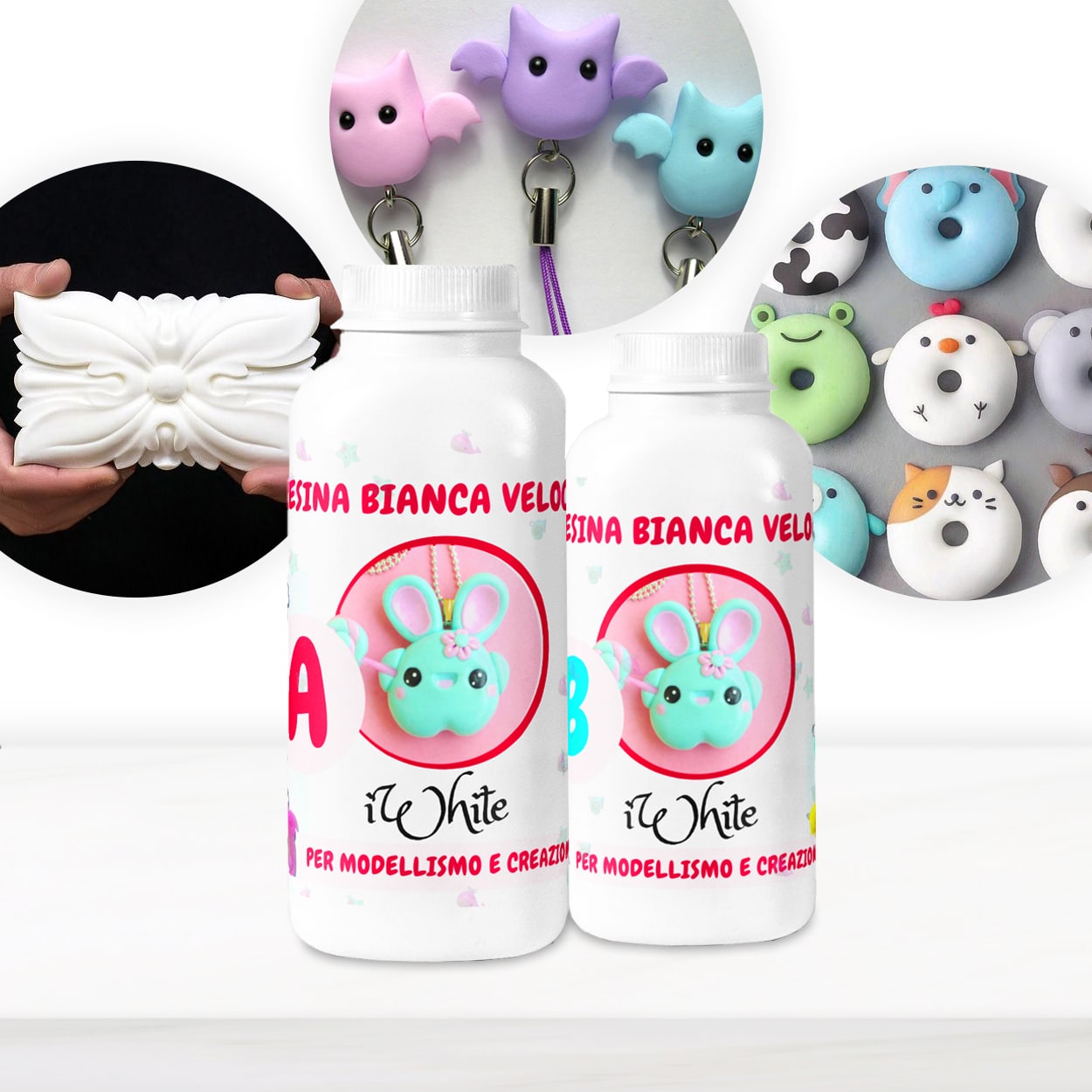
For those wishing to replicate the look of ivory without using genuine ivory, products like the IWhite Polyurethane Casting Resin can be coloured or finished to achieve a similar appearance without ethical or legal concerns.
When This Matters Most
If you own or are handling antiques, heirlooms, or items of historical significance, preserving their original condition should be your priority. Even curiosity-driven tests can unintentionally damage these treasures. Always opt for non-invasive identification methods to avoid regret.
Related products
Related guides
For anyone seeking to distinguish resin from ivory, steer clear of destructive tests and rely on expert guidance and visual clues. Learn more about safe identification techniques by returning to our main guide on how to tell resin from ivory.