 Free shipping on orders over £29,85
  Shipping Tracking!


 Google
 Facebook
← Back to How to use resin to seal?
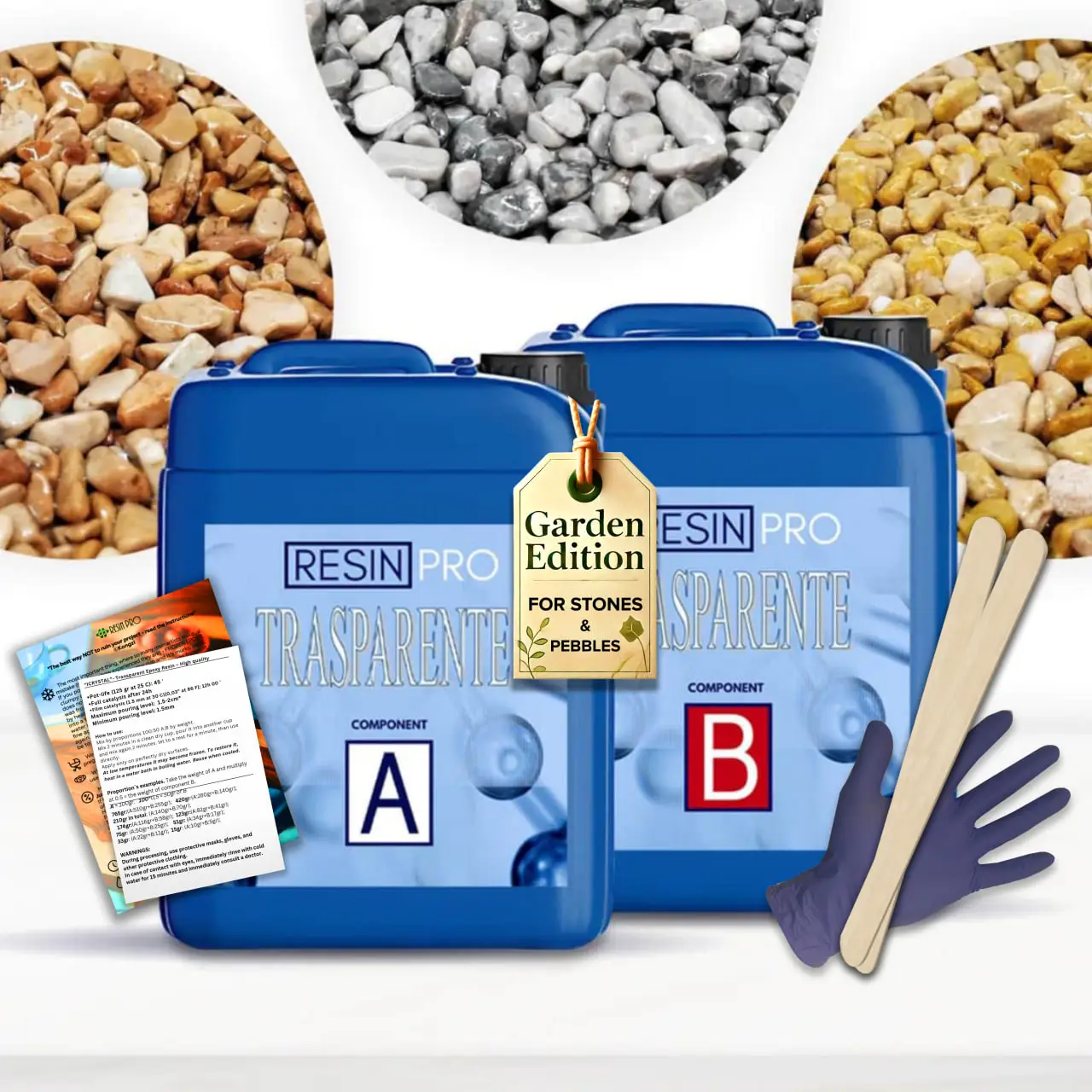
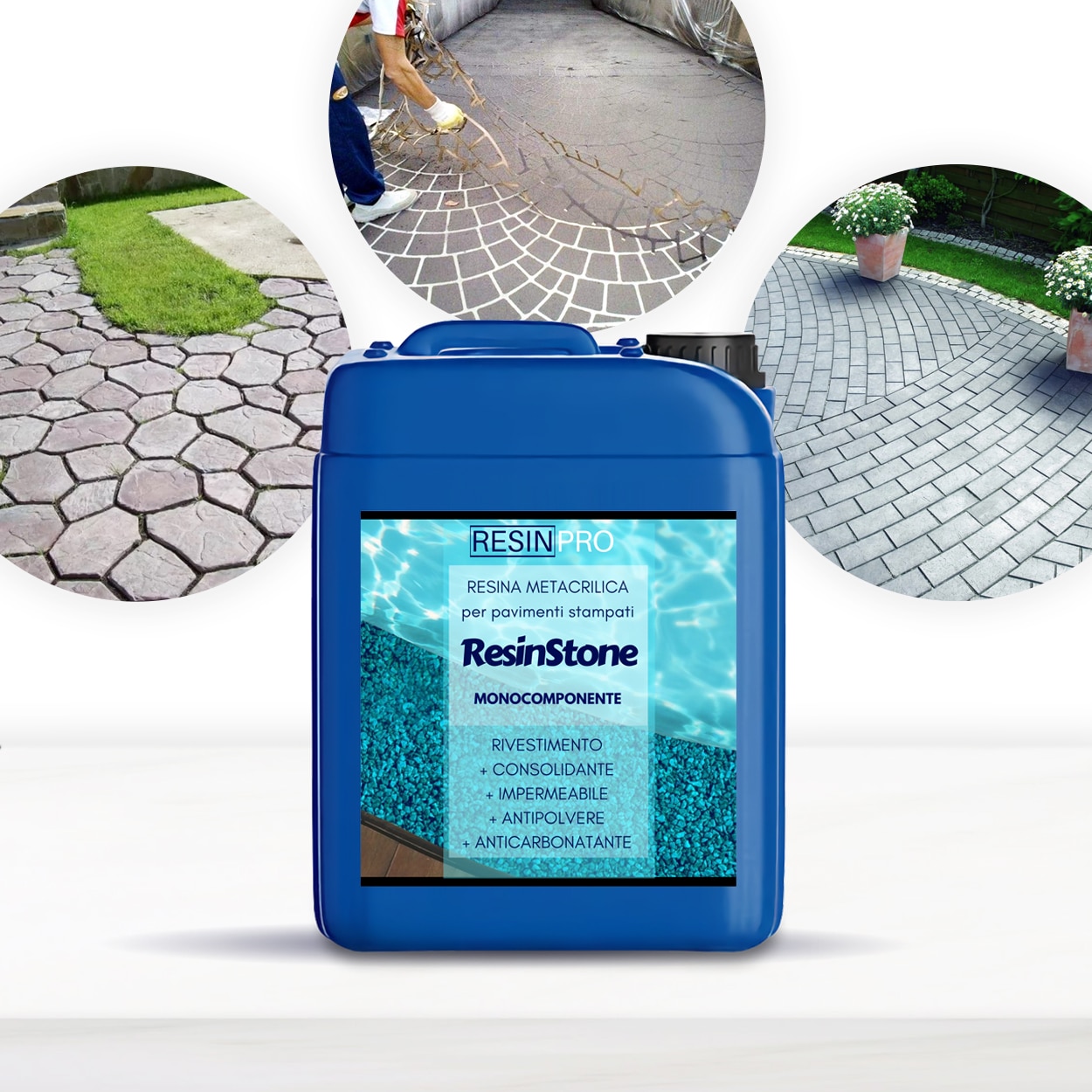
When sealing surfaces with resin, UV resistance plays a key role in maintaining clarity, colour and structural integrity, especially for outdoor or sunlit applications. Understanding its importance can help ensure projects look their best for longer.
What Does UV Resistance Actually Do?
UV resistance in resins helps prevent yellowing, loss of transparency, and surface degradation caused by exposure to sunlight. When resins are not UV stable, they can develop an unsightly amber tint and lose mechanical strength as time passes, particularly outdoors. This is why many quality sealing products, such as “Trasparente” Epoxy Binder, are formulated to withstand sunlight.

Choosing the Right Resin for Long-Lasting Seals
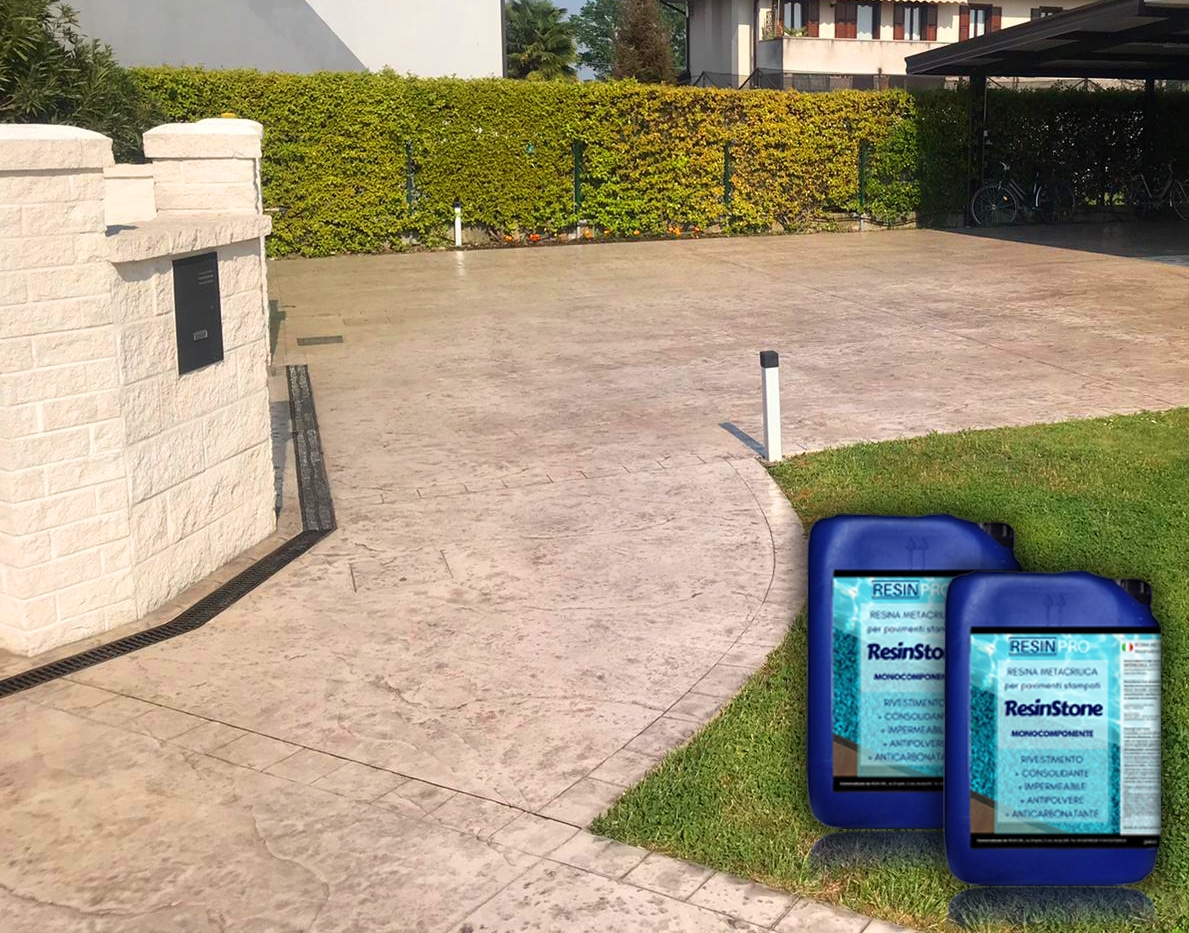
If your project is likely to experience direct sunlight—think driveways, patios, outdoor art, or decorative surfaces—selecting a UV-resistant resin is essential. Products like “Trasparente” offer clear, non-yellowing finishes that preserve both the appearance and strength of your sealed surfaces. Always check the product information for mentions of UV stability, particularly for applications involving coloured aggregates or decorative finishes.
When This Matters Most
- Outdoor surfaces: garden paths, driveways, and patios need reliable UV protection.
- Decorative coatings: preserving artworks or vibrant aggregates is crucial for keeping colours true over time.
- Floors in sunny interiors: even indoor areas exposed to substantial sunlight can benefit from UV-resistant coatings.
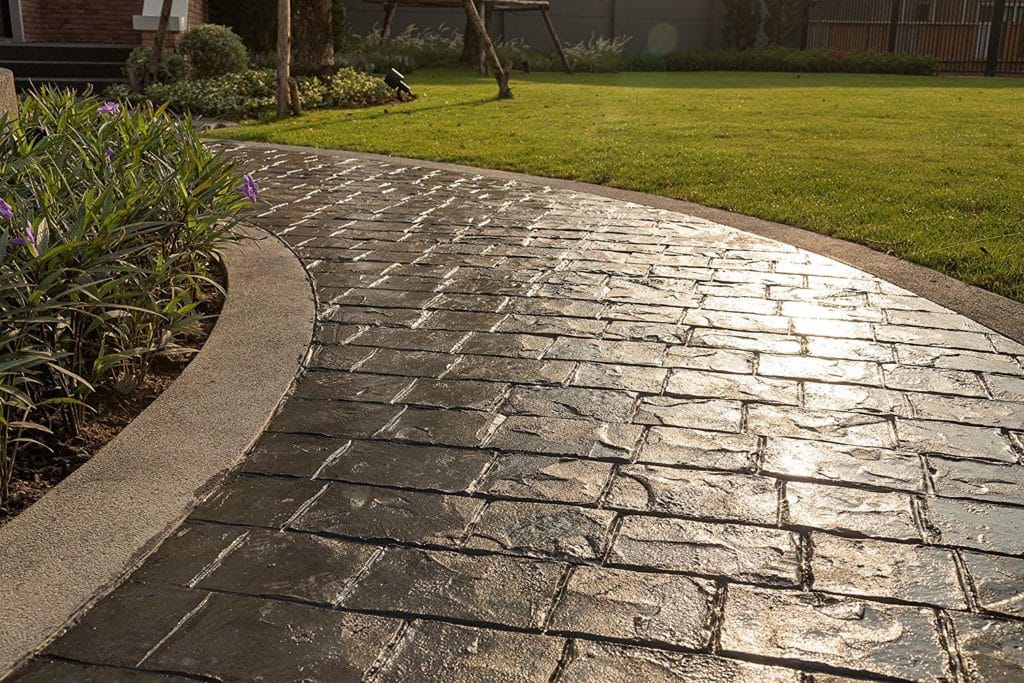
Related products
Related guides
UV resistance adds valuable longevity and clarity to any resin-sealed surface. For more guidance on choosing and applying resins for reliable, attractive sealing results, return to our full guide: How to use resin to seal?