 Free shipping on orders over £29,85
  Shipping Tracking!


 Google
 Facebook
← Back to How to polish a resin bathtub?
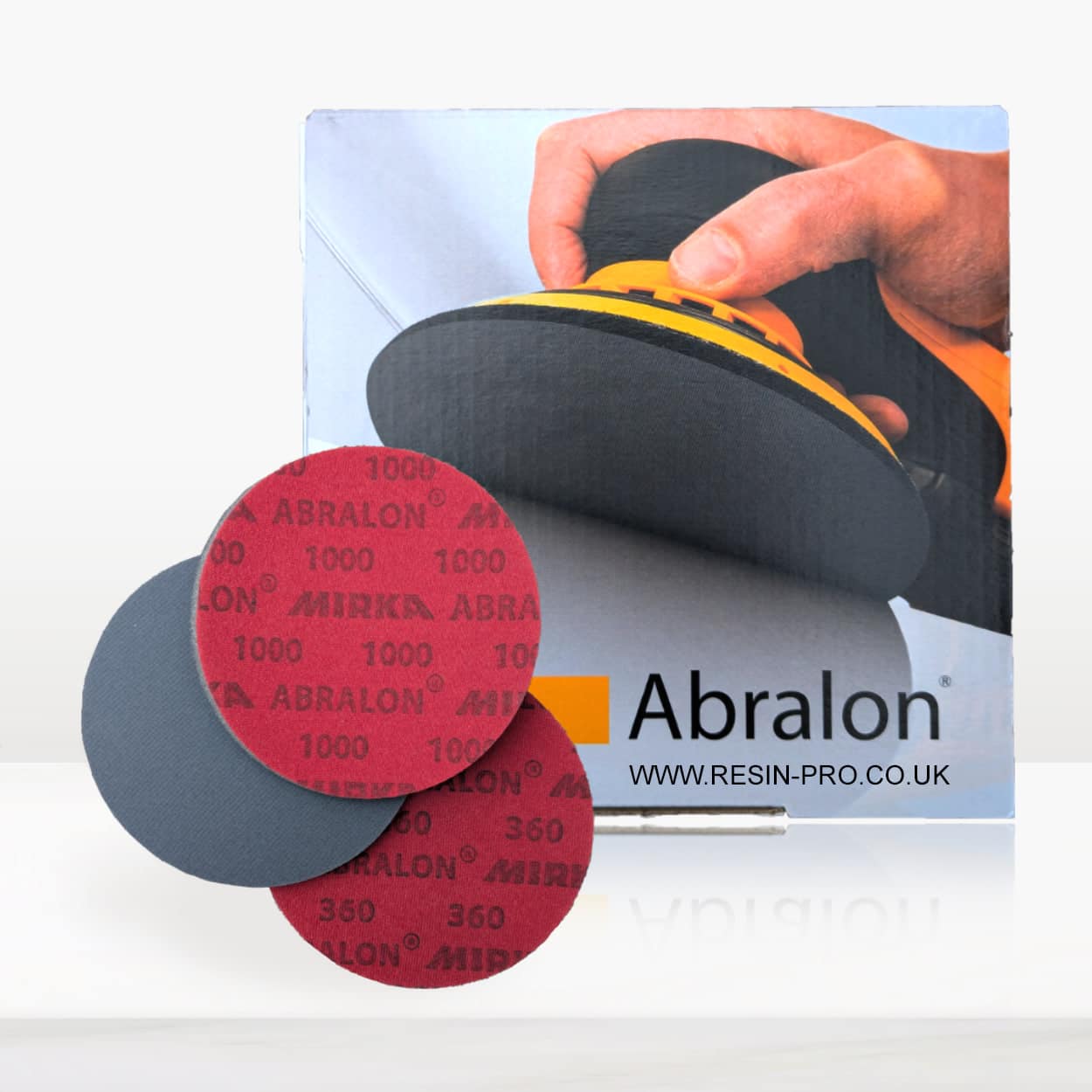
Sanding a resin bathtub is a great way to refresh its shine, but keeping the surface lubricated during the process is crucial. Here’s why lubrication during sanding matters and how to do it properly for the best finish.
The Benefits of Lubrication When Sanding Resin
Applying a lubricant, such as clean water, while sanding prevents heat build-up and stops abrasive particles from clogging the pad surface. This helps achieve a smoother, more consistent finish and reduces the risk of surface scratches or hazing. Keeping the area wet also extends the lifespan of your sanding pads and gives you better control over the process.
How to Lubricate for Best Results
Start by spraying or gently sponging water onto the area before sanding. Work with sanding pads suited for wet use, such as the “Ebonite Abralon” sanding pads, gradually working through higher grits for a flawless finish. Keep the surface consistently lubricated—add more water if it starts to dry out during sanding. Always follow up with clean, dry cloths before polishing.
When Lubrication Matters Most
- Repairing Small Defects: Lubrication is vital for safe spot repairs on resin bathtubs, reducing the risk of further damage.
- Achieving a Gloss Finish: Consistent lubrication contributes to a professional, clear final result, especially before applying polishing creams or sponge discs.
Related products
Related guides
Careful attention to lubrication when sanding will help maintain your resin bathtub’s surface quality and appearance. For a complete step-by-step guide, see our main advice on how to polish a resin bathtub.