 Free shipping on orders over £29,85
  Shipping Tracking!


 Google
 Facebook
← Back to How do you work with E30 resin?

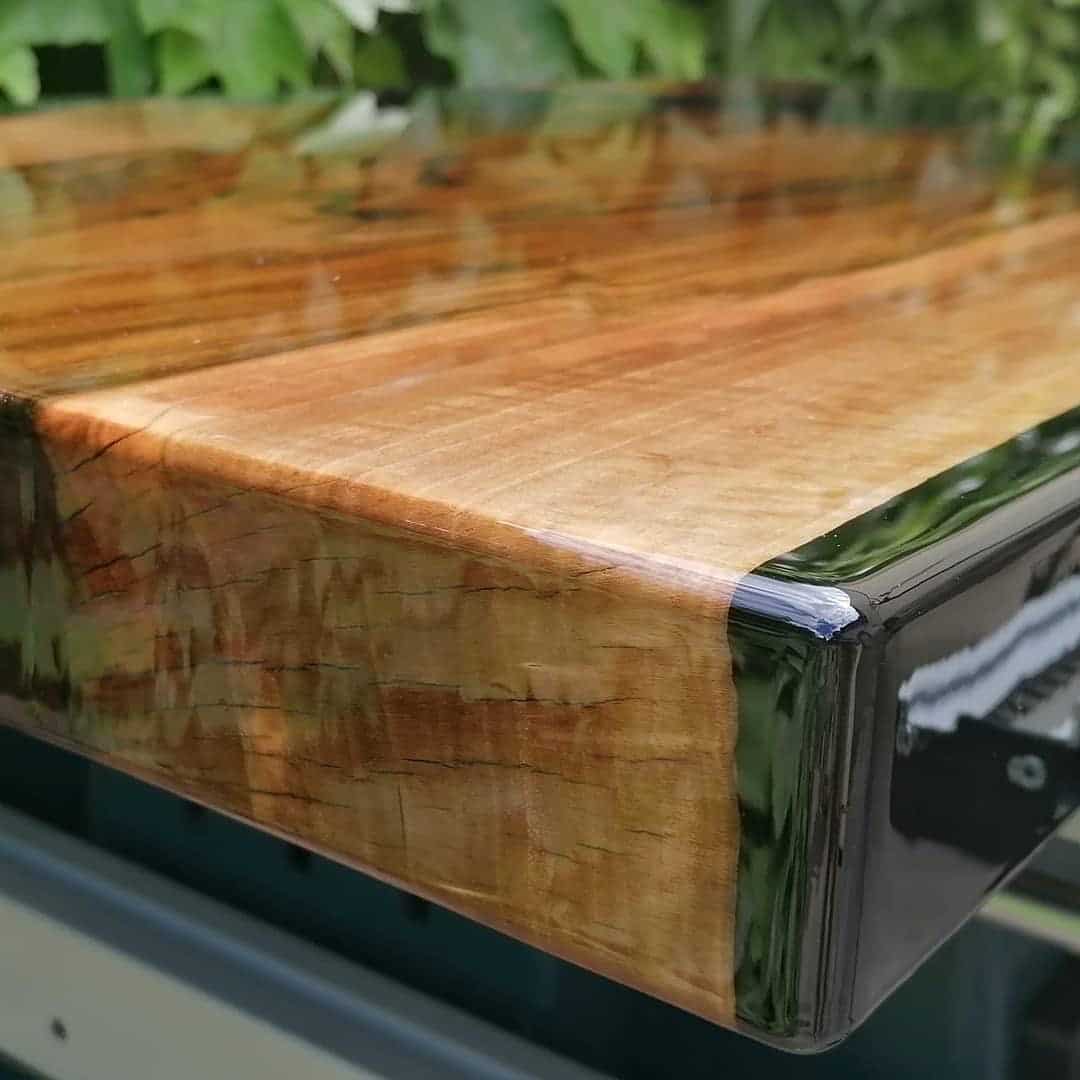
Choosing the right pour depth is essential for success with E30 resin, whether you’re making large castings or smaller transparent layers. The recommended maximum thickness for each resin type ensures controlled curing and avoids potential issues such as overheating or cloudy finishes.
Recommended Pour Thicknesses by Resin Type
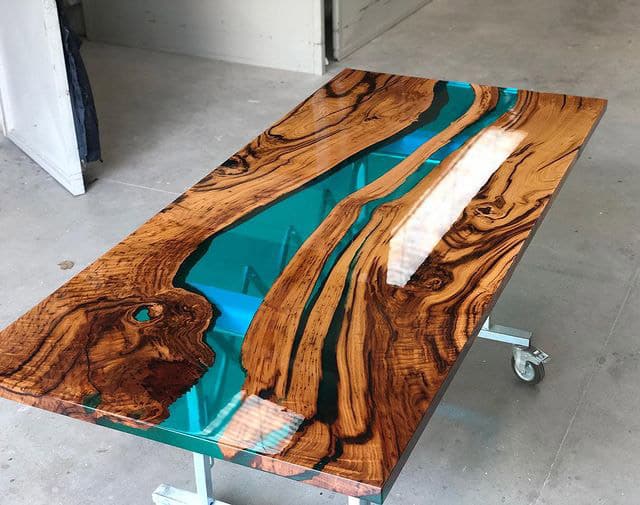
- Deep pour formulas: Safe for single pours up to 10cm thick. Ideal when creating river tables or other bulky castings. Epoxytable 10-Ten offers a controlled low-exothermic cure so you don’t risk cracking or yellowing.
- Medium-depth resins: Best used at up to 5cm thickness. This is suitable for most furniture and art projects that need a solid form but not extreme depth.
- Ultra-clear ‘Trasparente’ resin: Designed for layers up to 2cm maximum in one go, making it reliable for smaller items, fine detail work, or jewellery projects.


Why Staged Pouring Matters
Pushing a resin beyond its recommended thickness can result in excessive heat and unwanted effects like bubbles, warping, or a milky finish. For deeper or larger projects, it’s best to pour in stages, especially if the item’s width or length is over 100cm, or if using over 8kg of resin at once. Allow each layer to partially cure (typically 6–8 hours) before proceeding with the next to maintain clarity and structural integrity.
When This Matters Most
The right pour depth is especially important for projects such as river tables, encapsulation castings, and clear surface coatings. Adhering to recommended limits gives you time to work, reduces the risk of defects, and helps ensure a long-lasting result.
Related products
Related guides
Understanding how thick you can pour E30 resin in one go helps deliver professional results, whether you’re casting statement furniture or finely detailed pieces. Explore our deep pour and clear resin solutions to match your next project’s needs. For more insights, return to our main E30 resin guide.