 Free shipping on orders over £29,85
  Shipping Tracking!


 Google
 Facebook
← Back to At what temperature does resin crystallise?
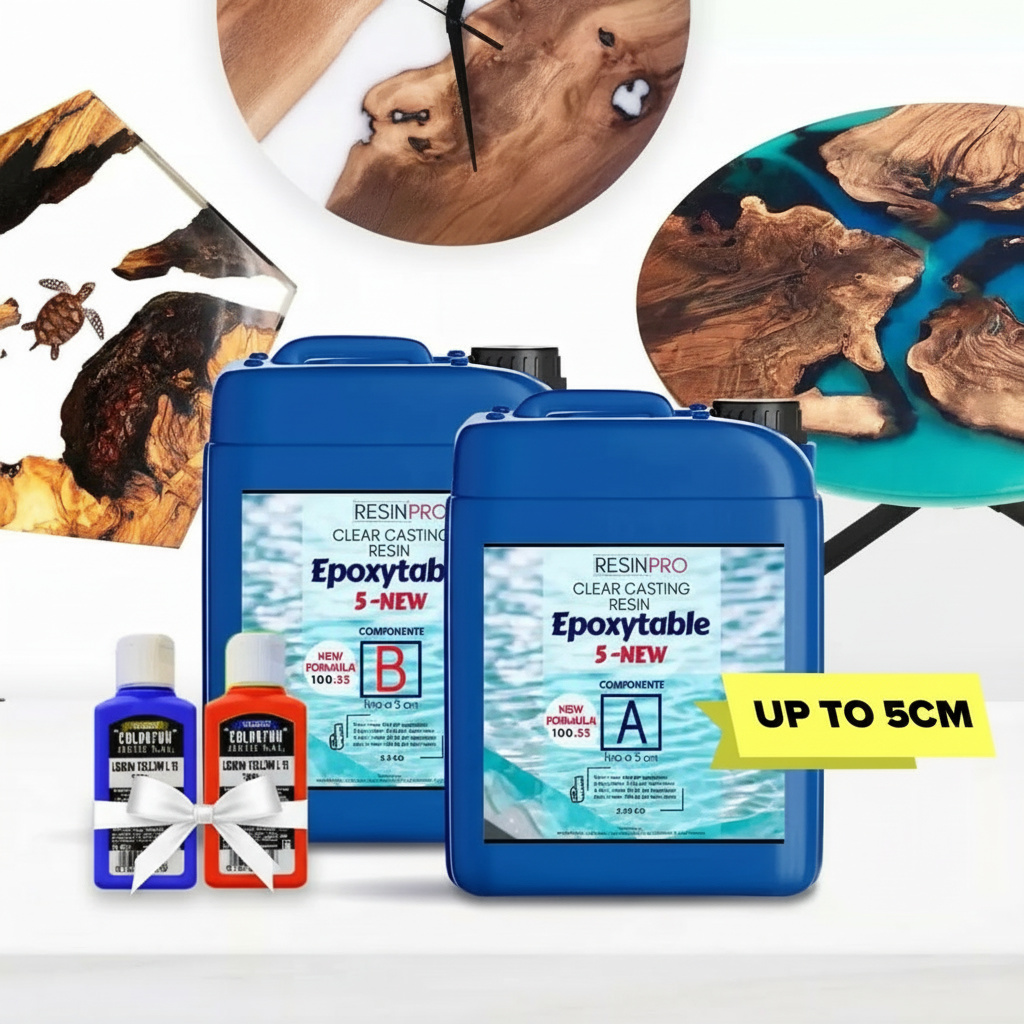
When working with resin, avoiding overheating is essential—especially in thicker castings. Low exothermic epoxy resins are developed to allow pours up to 5cm thick without risking heat-induced damage or imperfections.
What Is a Low Exothermic Reaction in Resin?
During curing, epoxy resins naturally generate heat (an exothermic reaction). If too much heat builds up, it can cause cracking, yellowing or, in extreme cases, even deformation. Low exothermic resins are specially formulated to slow down the curing reaction, keeping the temperature under control—making them suitable for deeper pours and large projects such as tables or river slabs.
Best Practices for Safe 5cm Resin Casting
- Choose the right resin: Opt for products like EpoxyTable 5-Five, specifically designed for thick layers up to 5cm in a single pour.
- Pour in controlled environments: Work in moderate temperatures and away from direct sunlight to further reduce overheating risks.
- Layering for extra thickness: For projects demanding more than 5cm, cast in several layers, allowing each to cure before adding the next.
- Allow for long working times: Low exothermic resins often offer extended pot life, giving you more time to mix, pour, and set without pressure.
When This Matters Most
This approach is vital for artists, woodworkers, and DIYers making large table pours, river designs, or any project where thickness and clarity are critical. Using an appropriate resin minimises the risk of thermal issues and ensures a strong, attractive finish.
Related products
Related guides
Using low exothermic reaction resins for thick castings greatly reduces overheating concerns and helps achieve professional-quality results. For deeper insights, visit our hub on resin crystallisation and temperature.